Q-SYS: Why Smarter Meeting Rooms Need Better Data
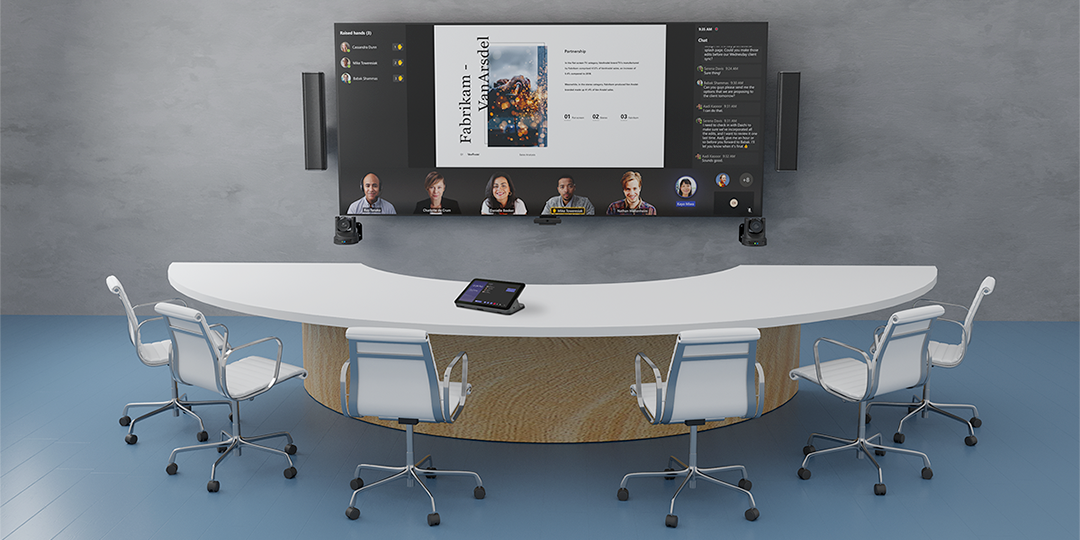
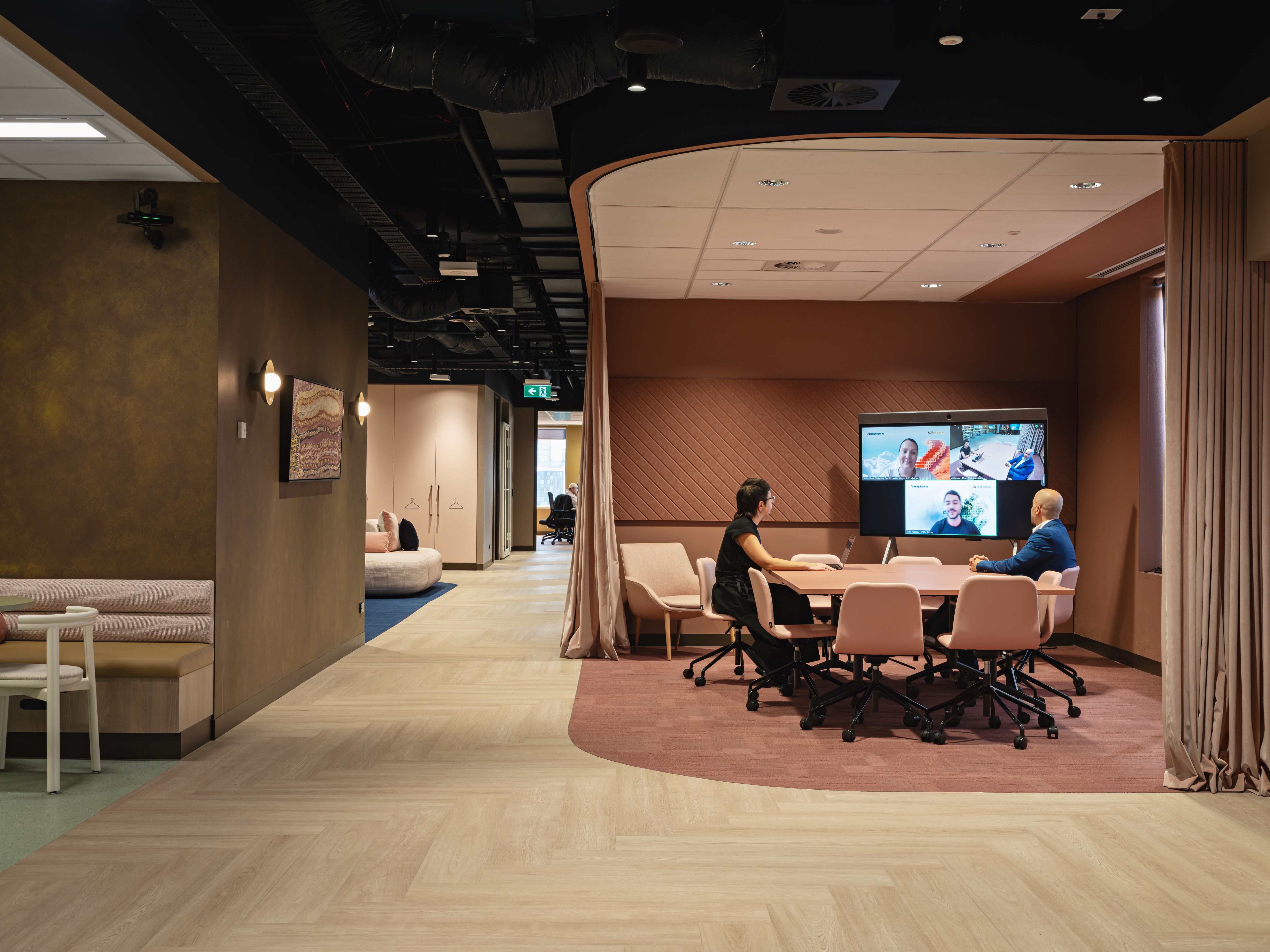
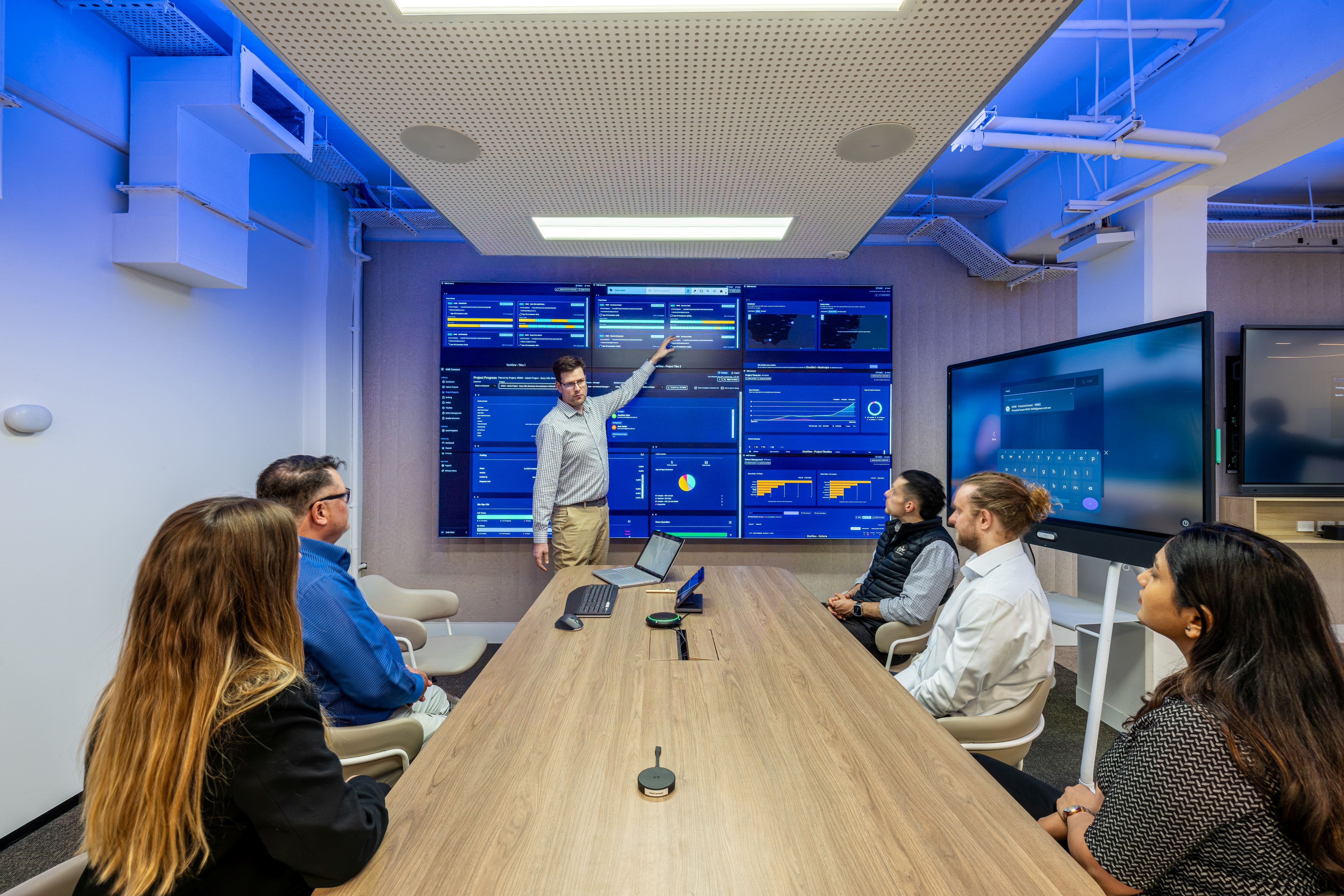
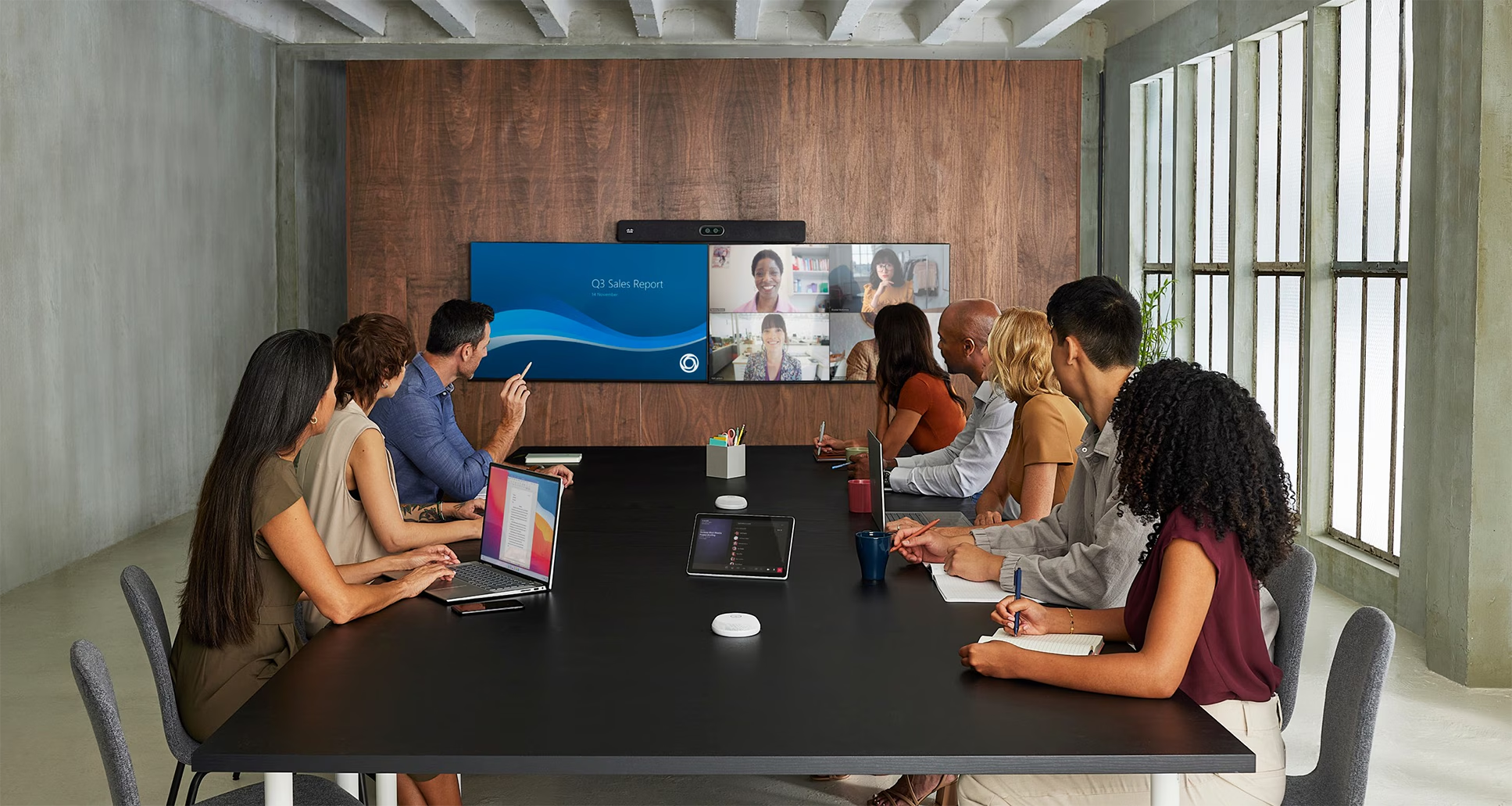
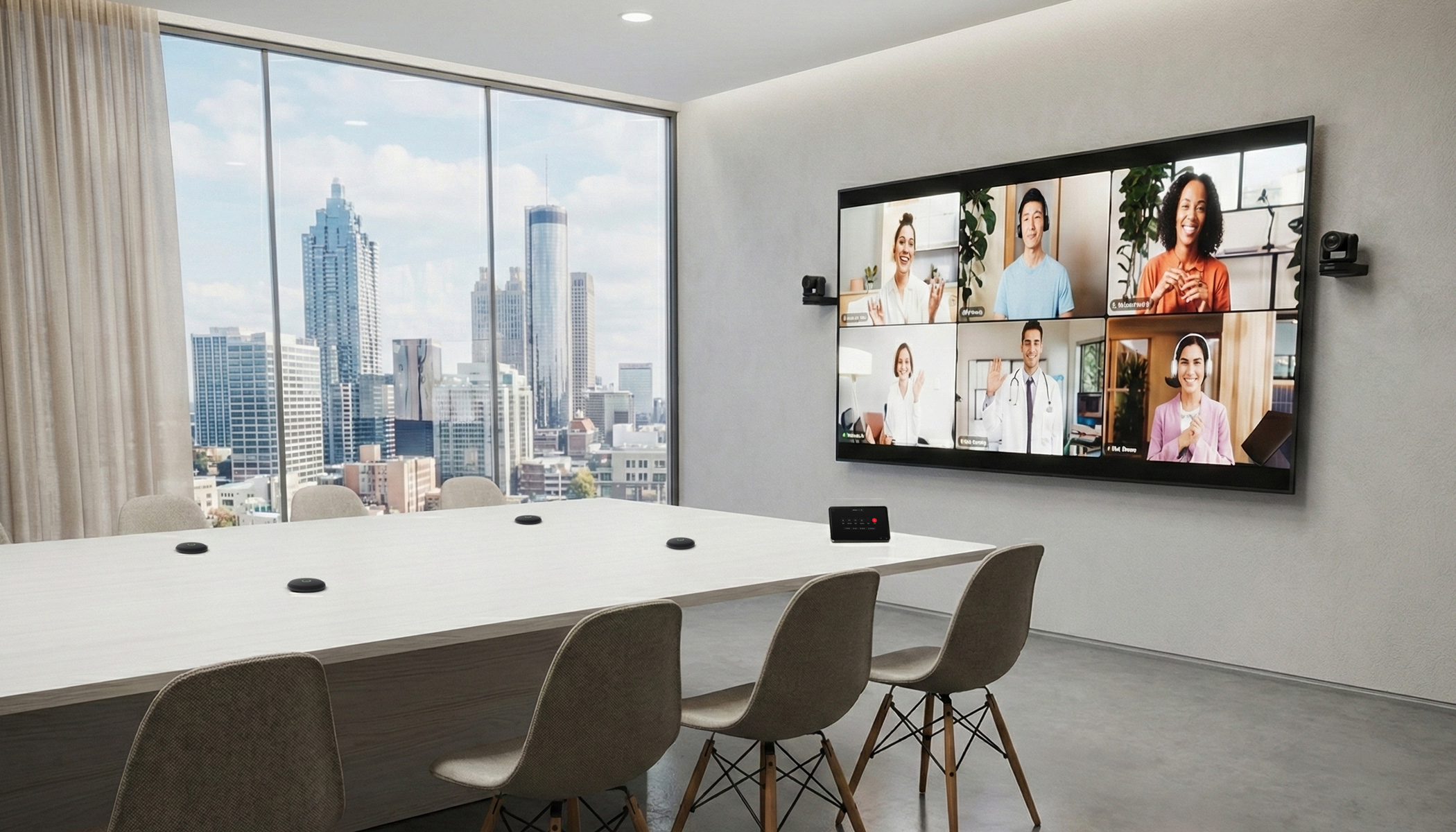
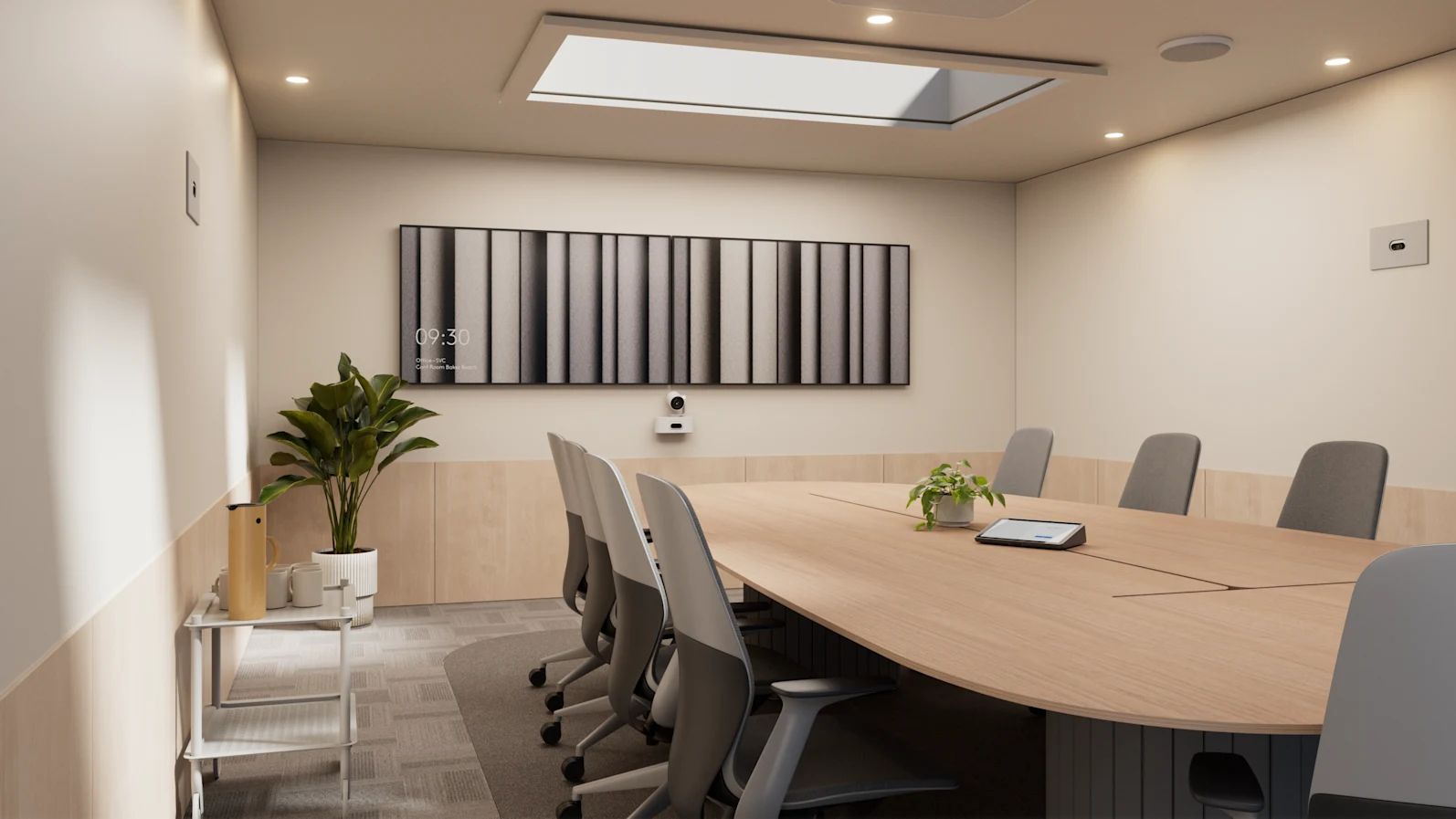
A smarter meeting room is one that makes collaborationeasier without drawing attention to the technology behind it. Achieving thatexperience increasingly depends on more than reliable cameras, microphones andcontrol systems. It depends on how well those systems connect, shareinformation and operate within the wider workplace.
For Q-SYS, the next stage of intelligent meeting room designcentres on a secure, structured data foundation that can support today’soperations and tomorrow’s AI-enabled services.
Why are AV, IT and building systems converging?
Meeting rooms have traditionally been managed as separatetechnology environments. Today, organisations are looking at how AV can workalongside building management systems, environmental controls, wayfinding andworkplace applications.
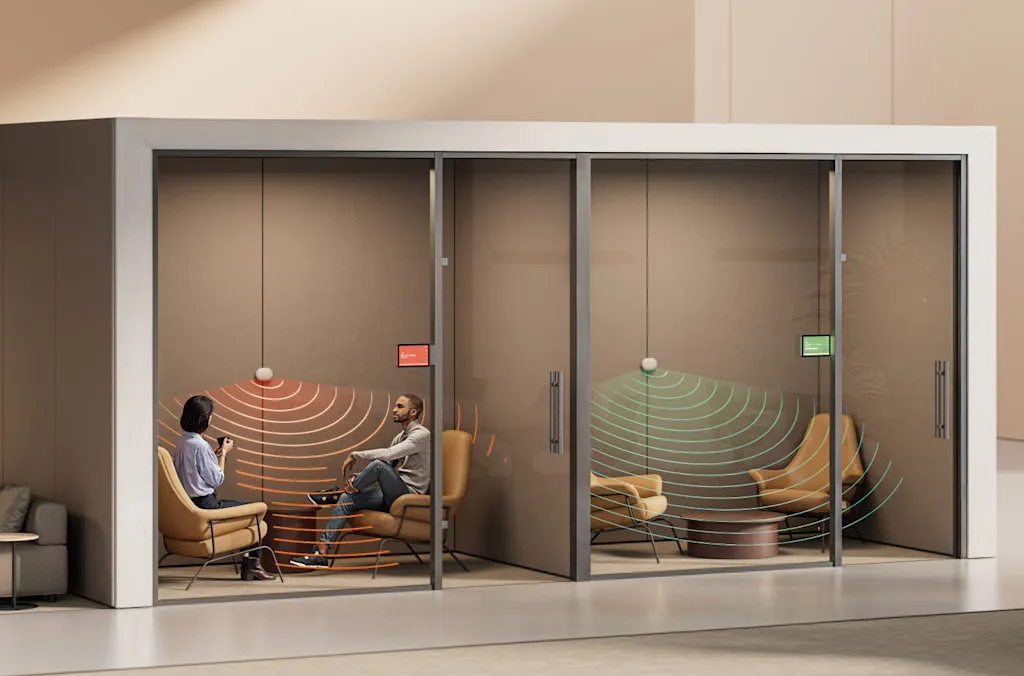
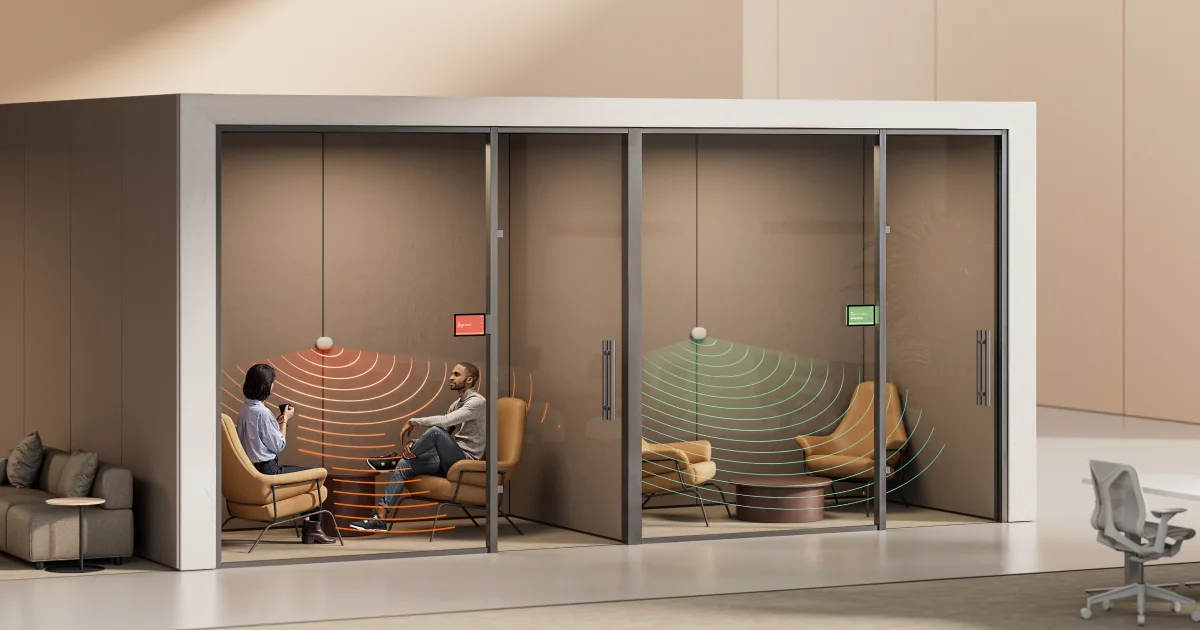
The potential is significant. Information about roomoccupancy, device performance and system health can help IT teams resolveissues, support workplace planning and improve how meeting spaces are managed.The challenge is making that information useful. Collecting data from multipledevices is relatively straightforward, but bringing it together in a consistentformat that other systems can understand is more complicated.
Q-SYS enables these high performance workplaces through itsFull Stack AV Platform, connecting multi-modal IO (think in room devices likecameras, microphones, sensors etc) to a cognitive cloud layer through it'sIntelligent Platform OS sitting at the edge.
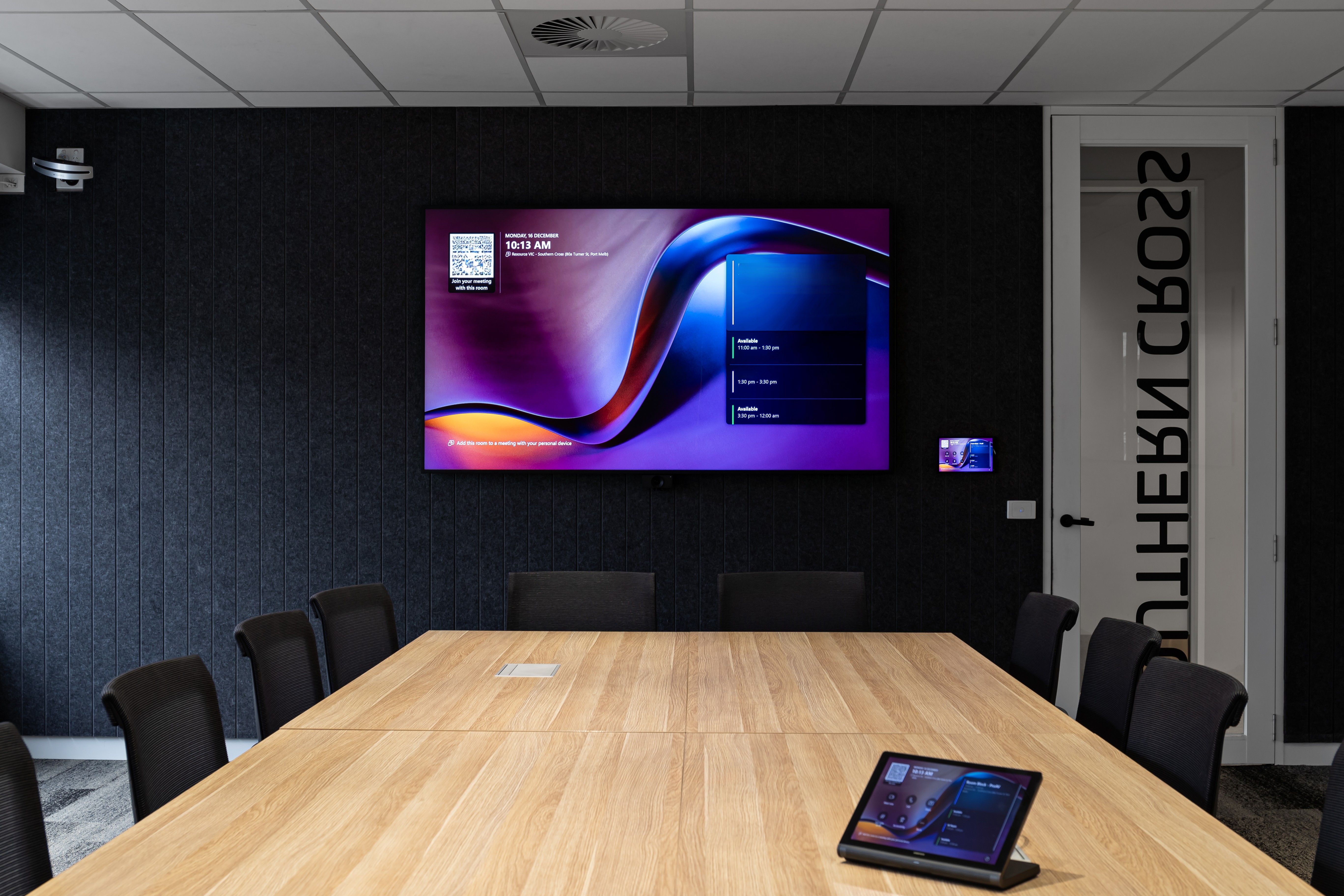
Q-SYS Reflect provides analytics, remote monitoring and management capabilities providing enterprise scale integrations with platforms such as ServiceNow to allow relevant AV information to feed into existing IT workflows. Q-SYS is also now a dedicated data integration partner with Microsoft.
These connections help organisations make better use ofinformation that might otherwise remain within individual meeting rooms.
The cost of getting data infrastructure wrong
Introducing advanced analytics after meeting room technologyhas already been installed can lead to significant additional costs,particularly when the original infrastructure wasn't designed to support thenecessary data connections (some sources estimate ~18x the cost). Whenspecifying a new room, the focus is understandably on immediate requirements:reliable audio and video, straightforward operation and equipment that fits thebudget.
However, an organisation may later want to understand roomutilisation across multiple offices, connect AV monitoring with its IT servicedesk or introduce new workplace analytics tools. If the original equipmentdoesn't provide access to the necessary data, those projects can becomeconsiderably more complex and expensive.
Additional integration work, custom development orreplacement hardware may be needed to create data connections that weren'tconsidered during the initial deployment. It's a practical consideration foranyone planning a meeting room rollout, particularly across a large portfolioof buildings. The upfront cost of equipment is only one part of the investment.The ability to manage, integrate and extend that technology over time matterstoo.
Planning for AI and future workplace needs
The growing interest in AI adds another dimension to thisdiscussion. Many emerging workplace applications depend on access to reliable,structured information about the environment in which they operate. Butorganisations also need to consider how that information is shared. As AVbecomes more closely connected to enterprise IT and building systems,cybersecurity, access controls and data governance must form part of thedesign.
Rather than trying to anticipate every new AI feature, Q-SYSallows uses a software foundation and underlying data infrastructure that canaccommodate new capabilities as requirements change. For organisationsinvesting in meeting room upgrades, that makes data accessibility an importantpart of the technology selection process, alongside performance, reliabilityand user experience.
A room may work perfectly well on the day it's installed.The bigger question is how easily it can be managed, connected and adapted fiveyears down the track.