Pro AV Solutions hosts Critical Operations & Visualisation Symposium in Brisbane, bringing focus to high-performance Control Rooms

Pro AV Solutions brought together leaders from across emergency services, utilities and critical infrastructure for a Brisbane-based symposium focused on the future of control room environments.
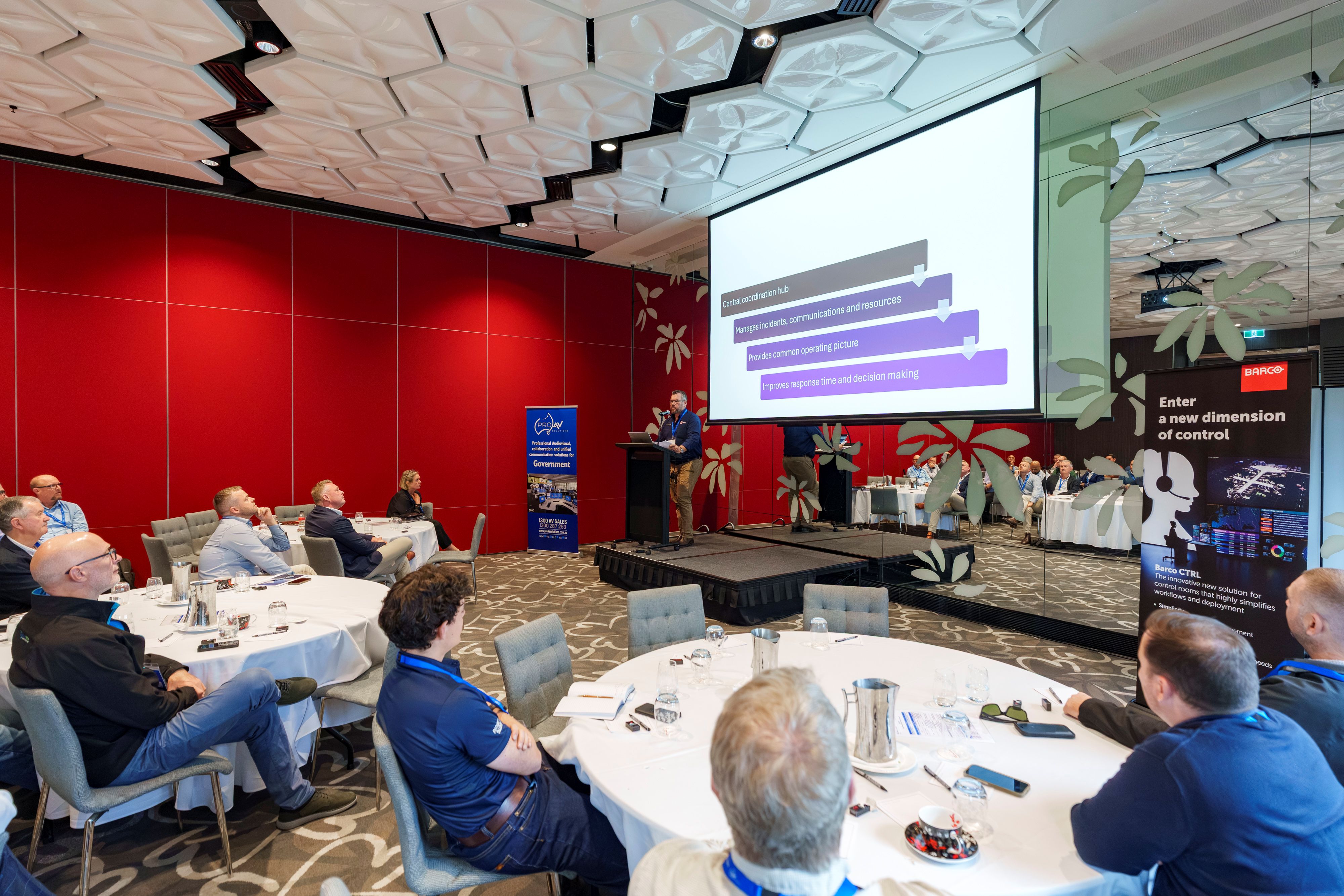
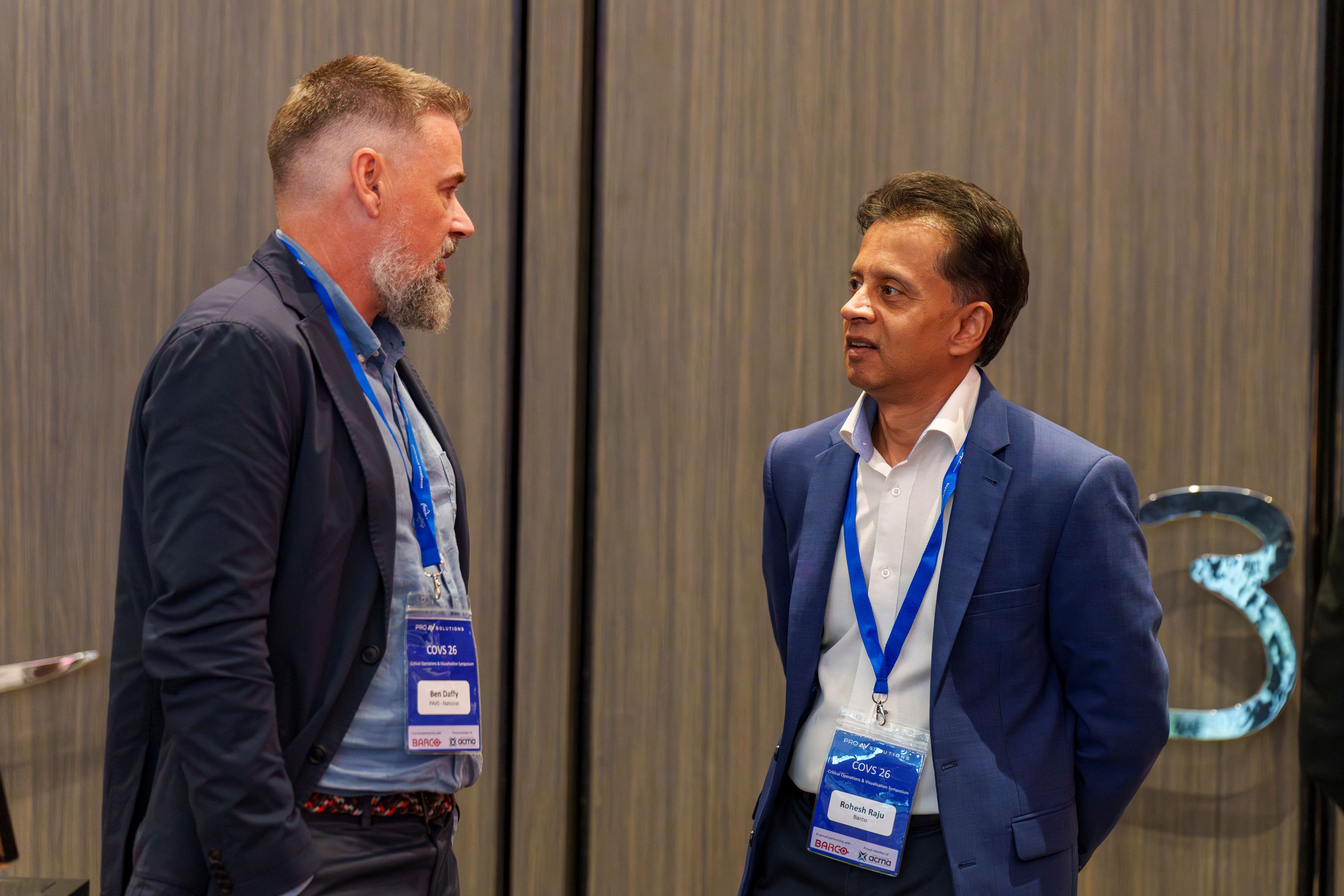
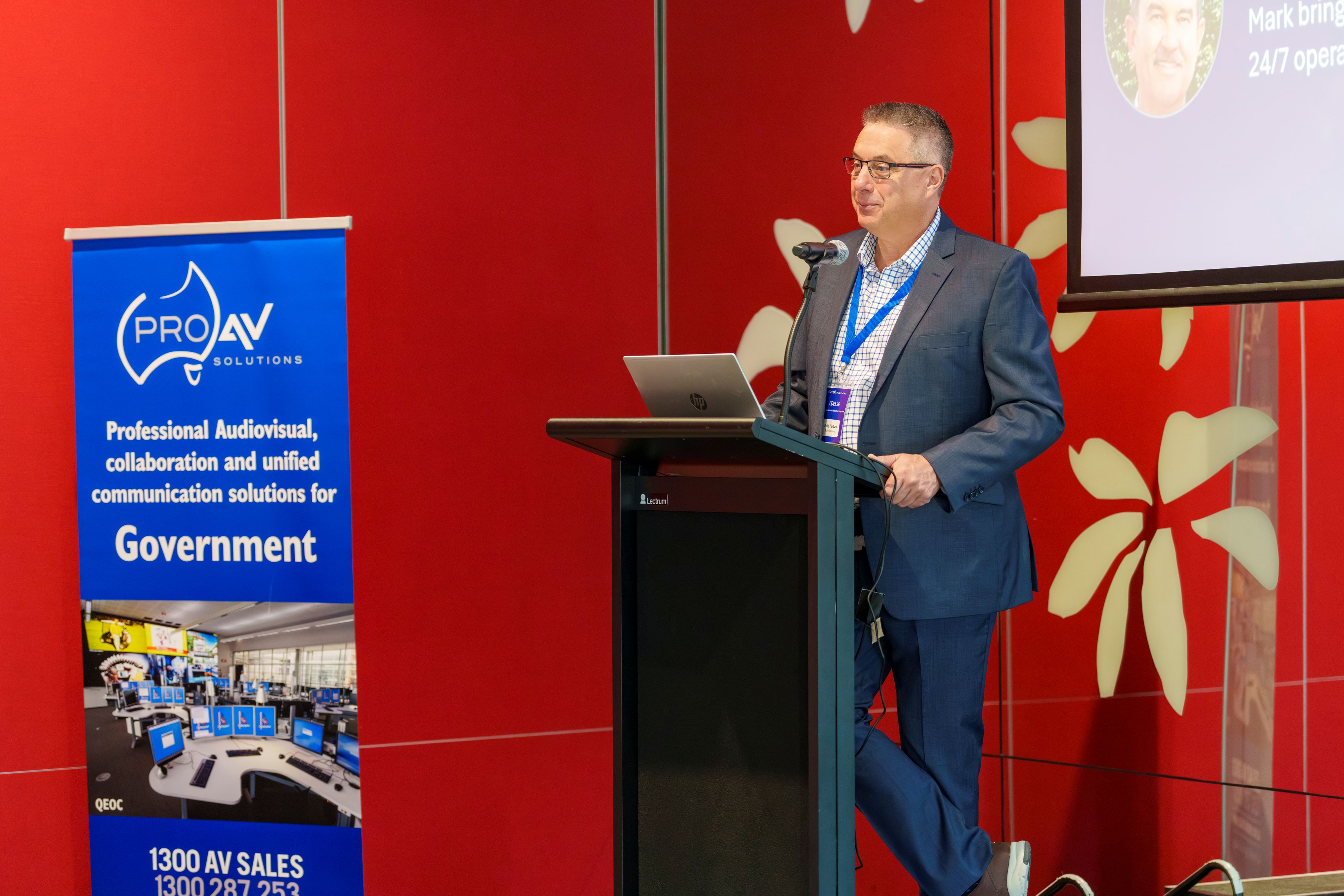
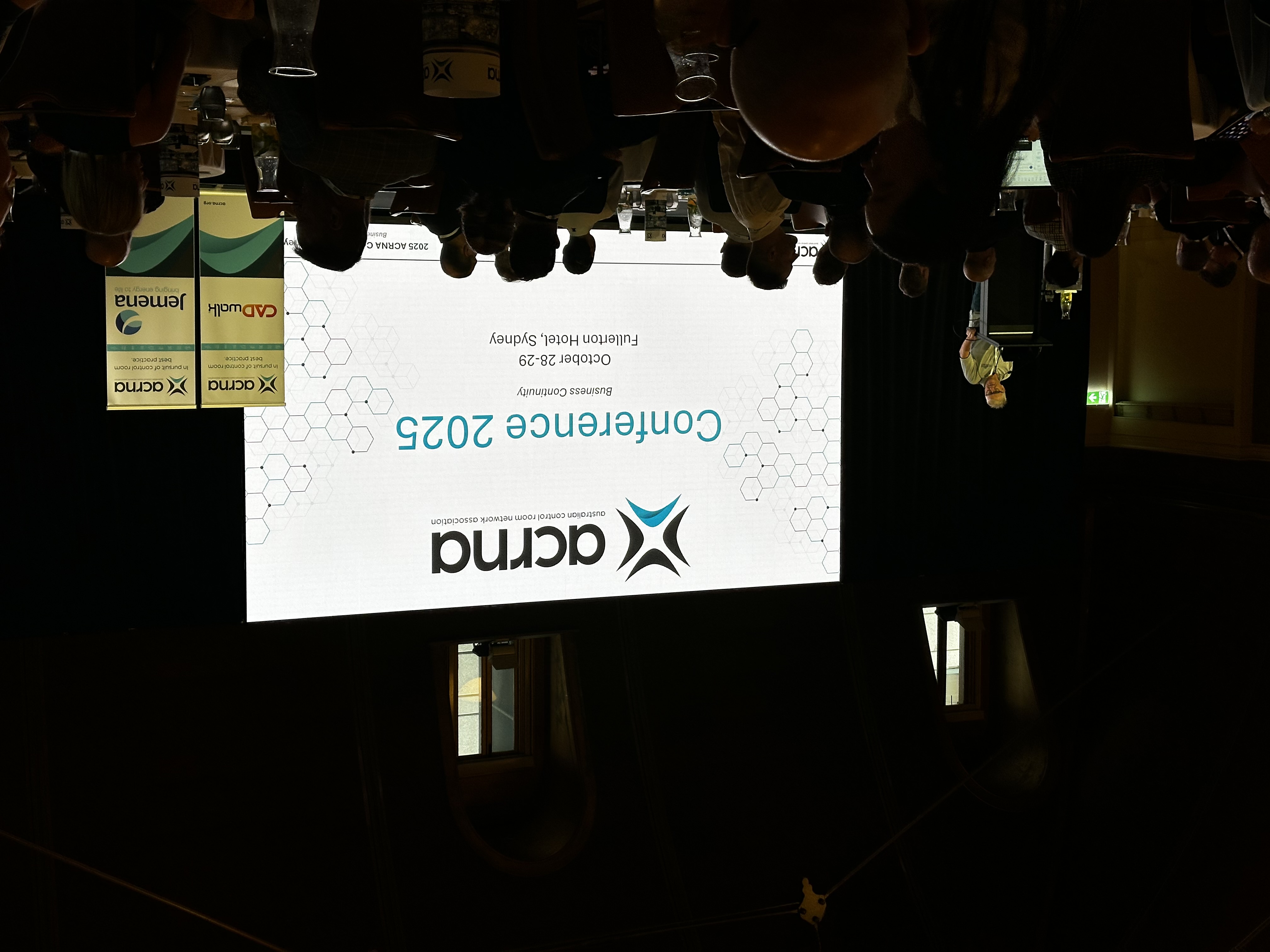
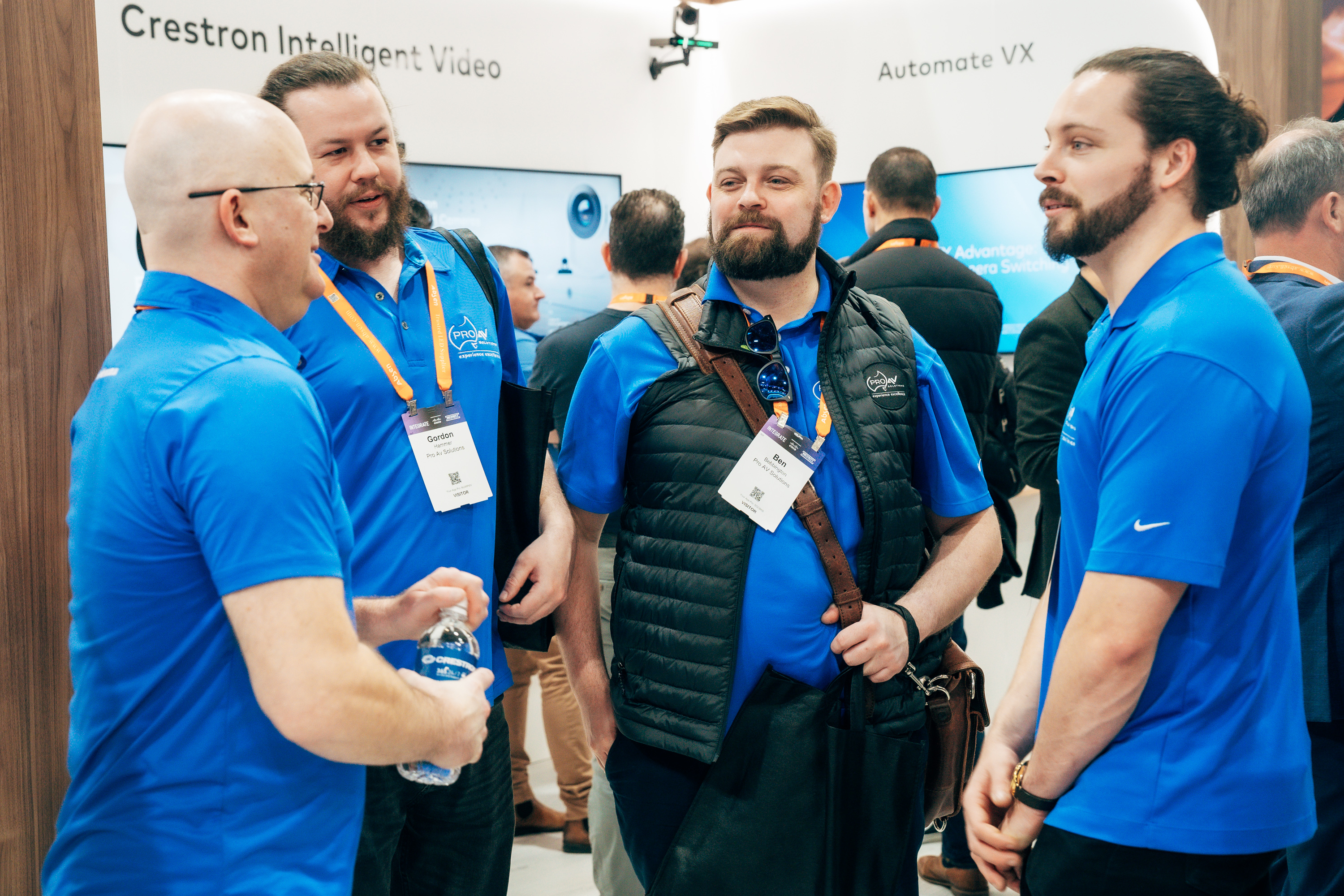
The event COVS 2026 - Critical Operations & Visualisation Symposium, hosted by Pro AV Solutions Queensland, in partnership with Barco and supported by ACRNA, explored how control rooms are evolving to support faster decision-making, improved situational awareness and safer operations under pressure.
As Philip Holtum, Managing Director QLD at Pro AV Solutions, noted: “Control rooms are where critical decisions happen in real time. This event is about bringing the industry together to focus on what actually improves performance in those moments - not just the technology, but how people interact with it under pressure.”
The event was delivered in partnership with Barco, bringing global expertise in control room and visualisation technologies, and supported by ACRNA, the industry body representing operators of critical control room environments across Australia.
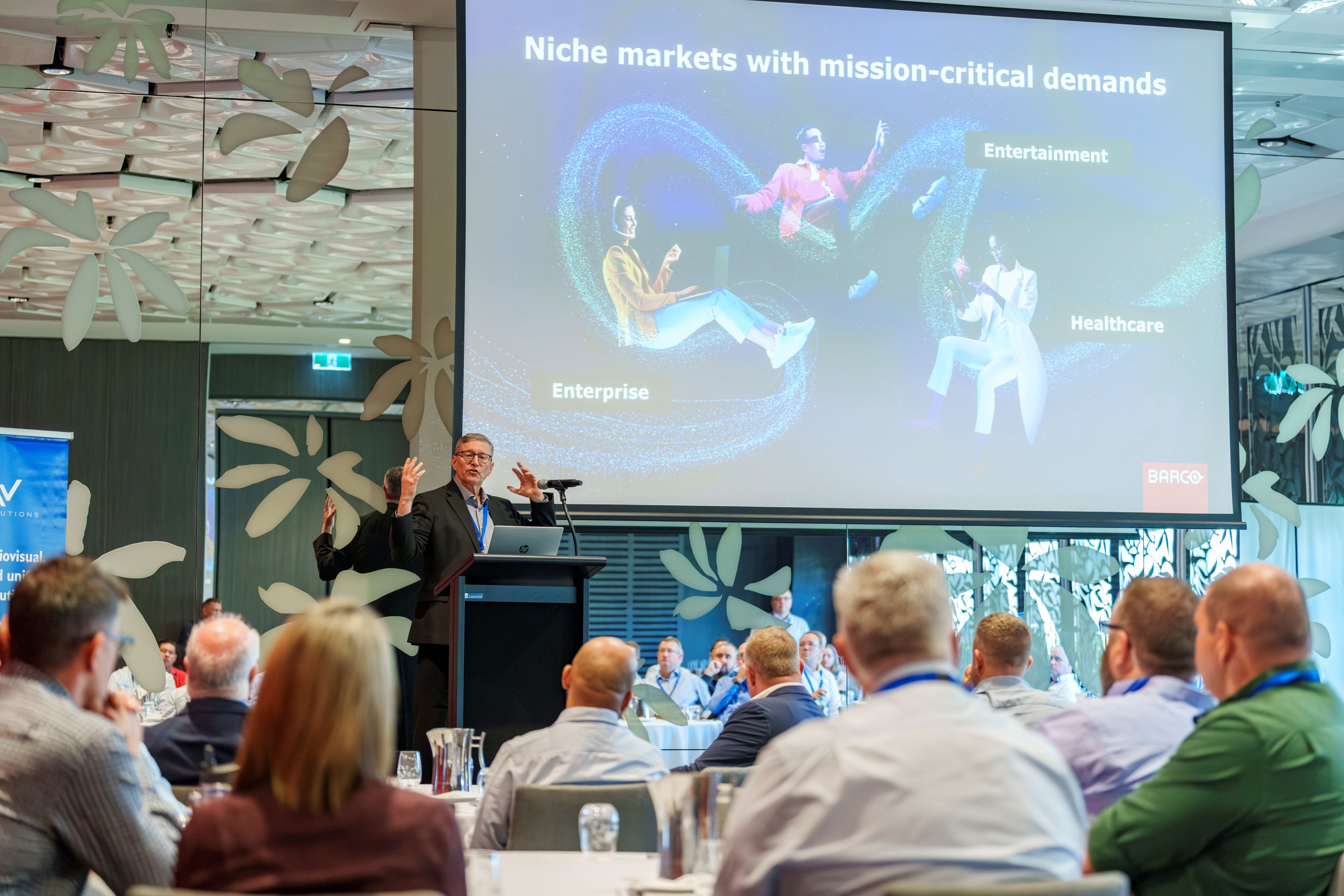
A Shift Towards Human Performance
Held in Brisbane, the Critical Operations & Visualisation Symposium 2026 focused on a clear industry reality:
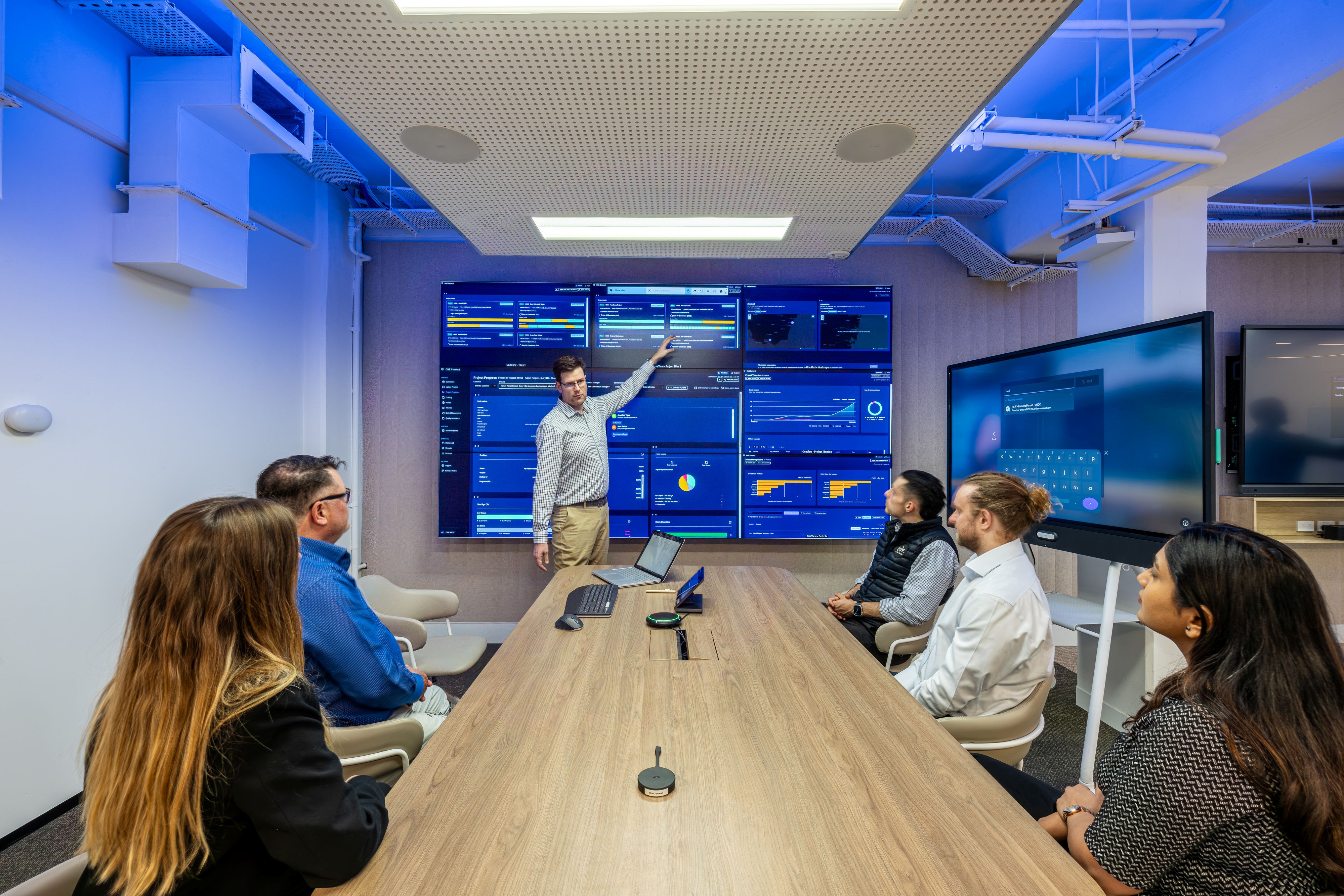
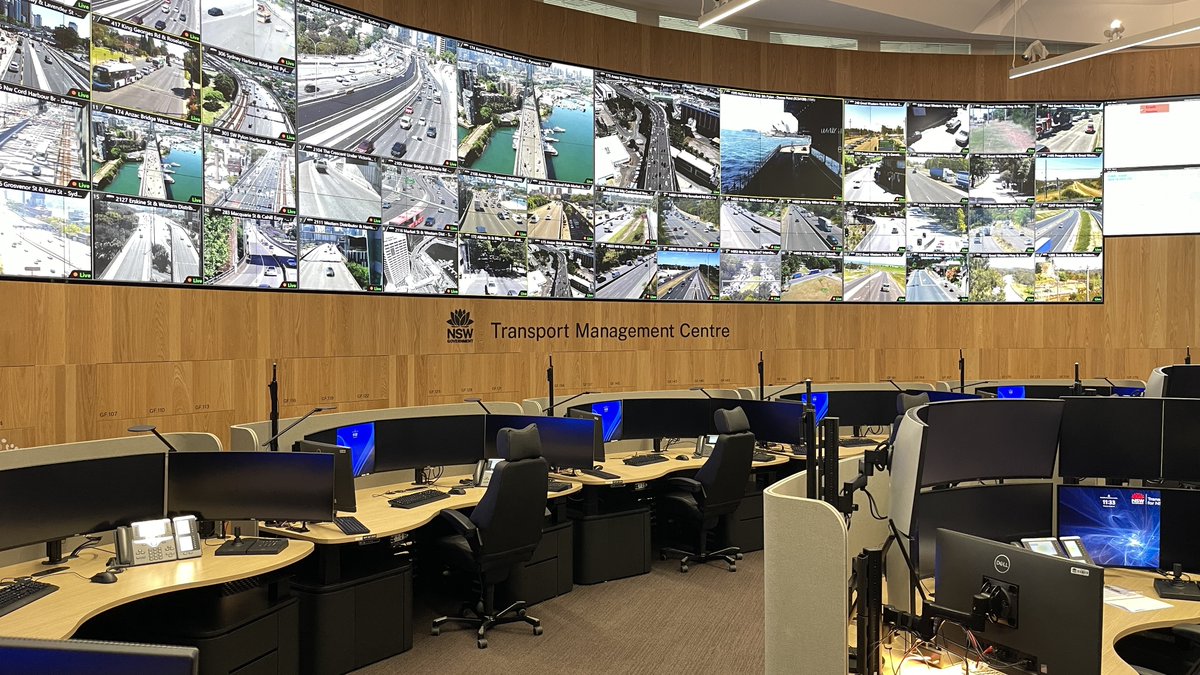
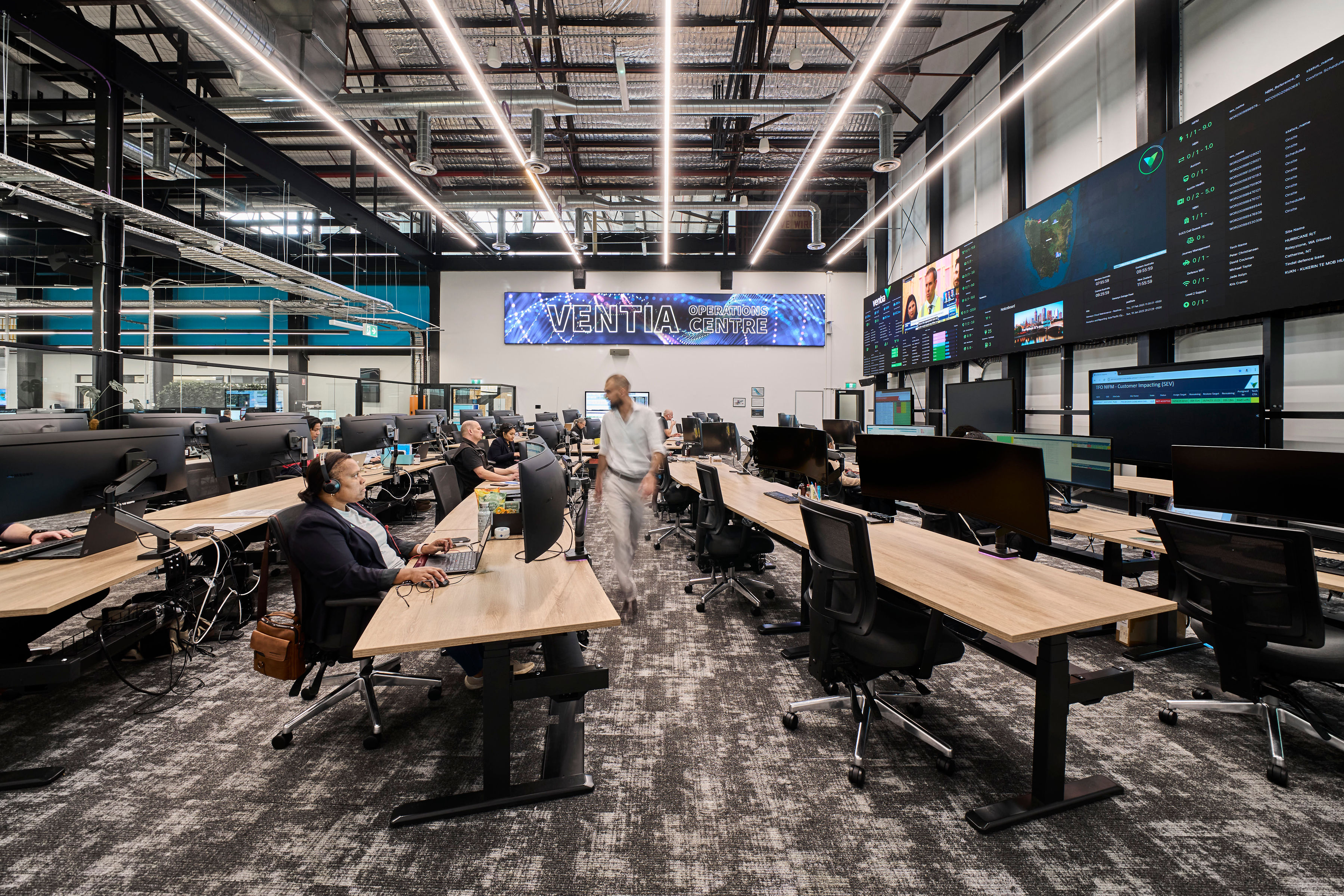
Control rooms are no longer just technology environments. They are decision environments, where layout, integration and usability directly influence outcomes in high-pressure situations.
Across sessions, speakers pointed to growing challenges:
- Increasing system complexity
- Fragmented information across platforms
- Rising cognitive load on operators
The response is a move towards integrated, operator-first environments that reduce friction and support faster, clearer decisions.
Global Perspective: Integration, Efficiency and AI
Michael Benson from Barco opened with a global view of control room transformation.
He highlighted workflow complexity as a key barrier to performance, noting that highly efficient environments can significantly improve operator productivity, while poorly integrated systems increase stress and turnover risk.
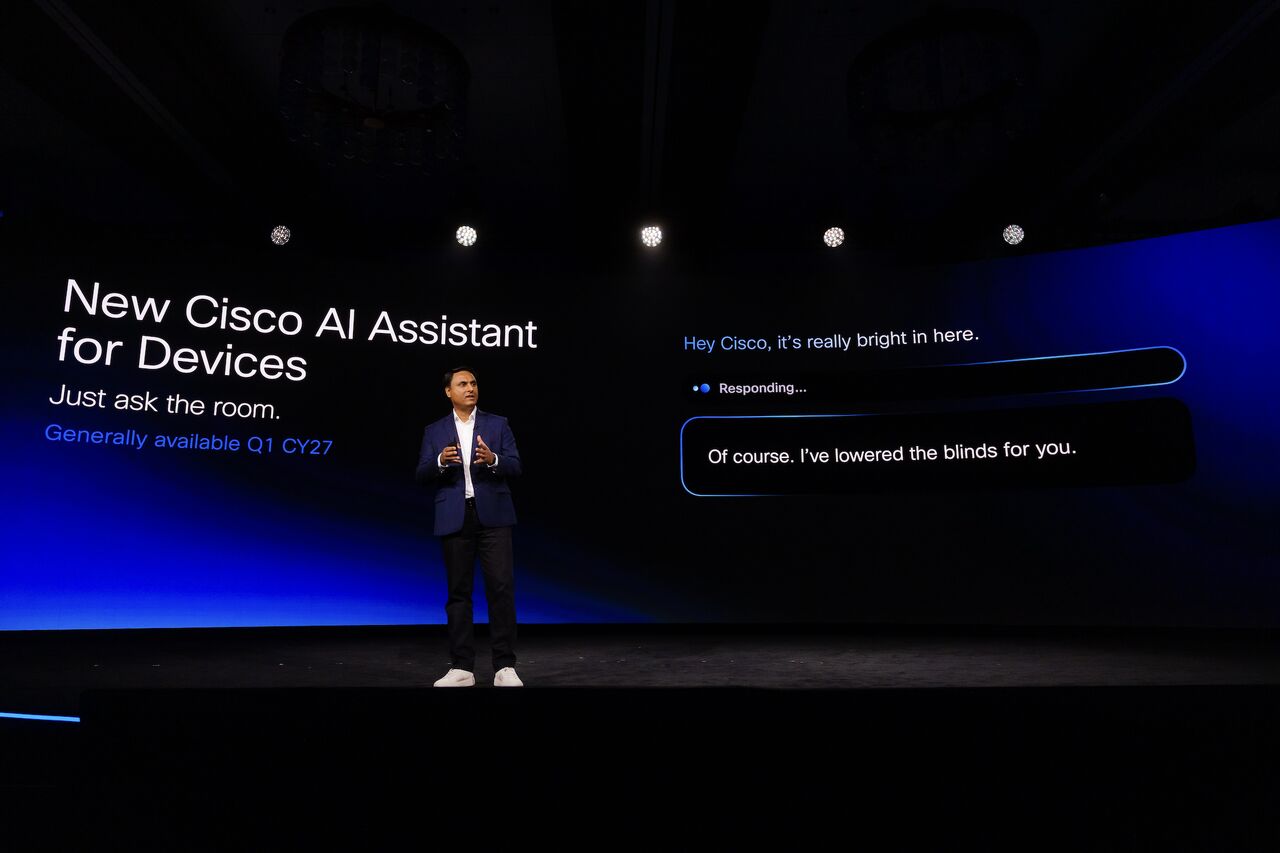
Artificial intelligence is also becoming part of the control room stack, particularly in:
- Monitoring large volumes of data
- Supporting risk management
- Optimising operational workflows
The takeaway: Technology only delivers value when it is integrated and intuitive to use.
Human-Centred Design Becomes Standard
Fiona McDonald, from Absolute Ergonomics Australia, reinforced the importance of human-centred design, guided by standards such as ISO 11064.
Her session highlighted a recurring issue across projects:
Control rooms are often designed without fully reflecting how operators actually work.
Best practice includes:
- Involving operators throughout the design process
- Testing environments against real operational scenarios
- Reducing unnecessary mental effort through better system design
One point resonated across the room: Designing for the average day fails under real operational pressure.
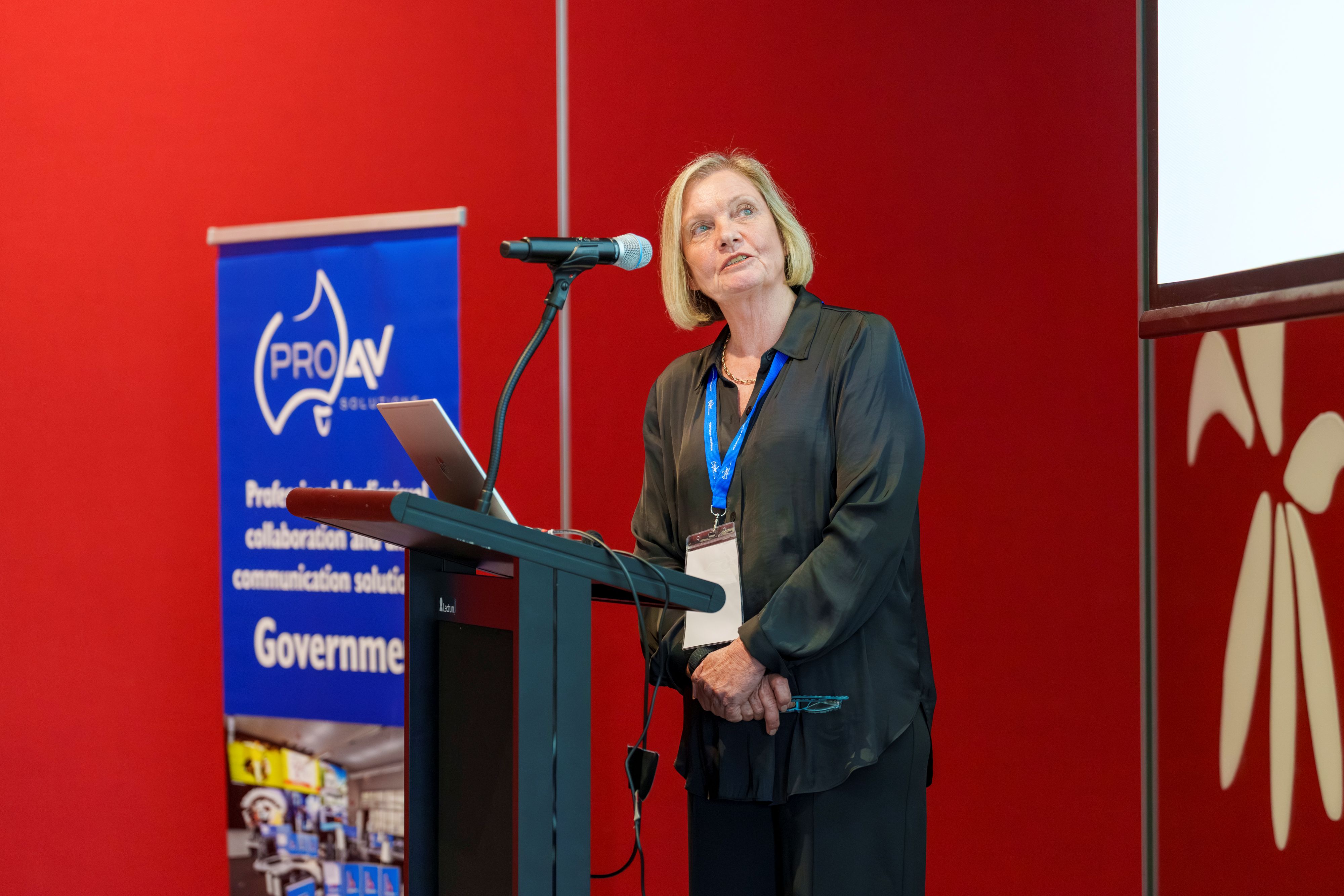
Lighting and Fatigue in 24/7 Environments
Mark Holmes from Circadian Australia addressed a less visible but critical factor: lighting.
In 24/7 operations, lighting directly impacts:
- Alertness and focus
- Error rates
- Long-term health
Research presented during the session showed that human-centric lighting strategies can significantly improve both performance and wellbeing, while poor lighting conditions contribute to fatigue and operational risk.
Real-World Operations: Lessons from the Field
The symposium moved from theory to operational reality through case-led sessions.
Surf Life Saving Queensland
Martin Cook outlined how integrated control room environments are enabling state-wide coordination of coastal safety, improving response times and situational awareness.
Powerlink Queensland
Matt Corney shared insights from the modernisation of a high-voltage transmission control room environment.
The transformation focused on improving operator performance under pressure, delivering:
- Better visibility across systems
- Faster access to critical information
- Reduced cognitive load during peak events
A key takeaway: ergonomics and layout are fundamental to managing operational risk.
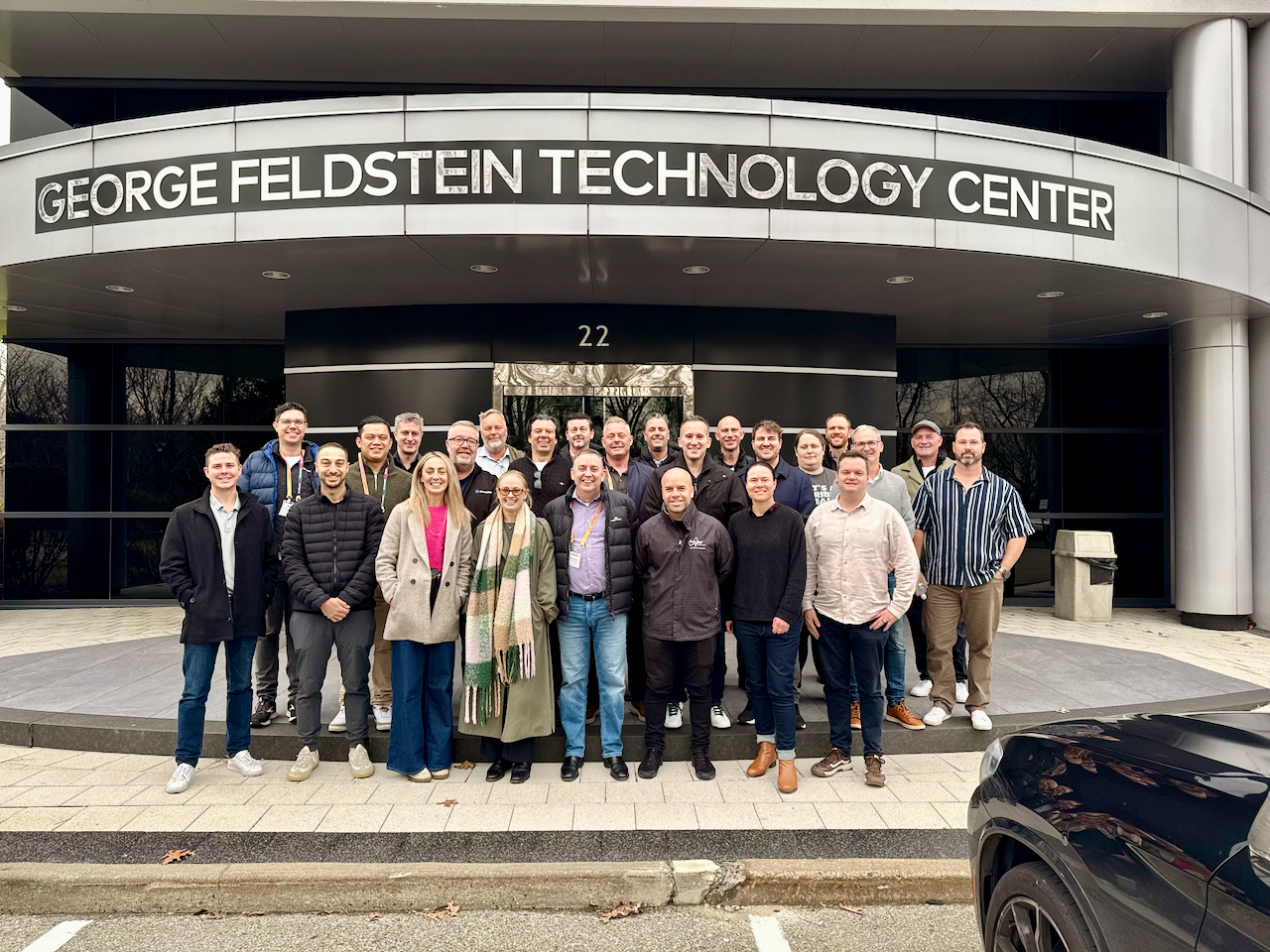
Control Room Study Tour: Powerlink Queensland
The symposium moved beyond presentations with a dedicated site visit to Powerlink Queensland’s control room environment, giving attendees direct exposure to a live mission-critical operation .
The study tour allowed participants to see how the principles discussed throughout the day are applied in practice, including:
- Control room layout and visibility
- Operator workflows under real conditions
- Integration of systems supporting real-time decision-making
By connecting theory with a live operational environment, the session provided a practical benchmark for organisations looking to modernise their own control room capabilities.
Simulation and Immersive Environments on the Rise
Lee Tran, from Barco, highlighted the increasing role of simulation technologies in preparing teams for high-risk scenarios.
Across industries, immersive environments are being used to:
- Train operators in realistic conditions
- Improve readiness for abnormal events
- Validate system design before deployment

Pro AV Solutions QLD’s Role in Mission-Critical Environments
As organiser of the Critical Operations & Visualisation Symposium 2026, Pro AV Solutions QLD brought together both global expertise and local operational insight.
With experience delivering control room environments across Australia, the team supports organisations in designing, deploying and managing mission-critical spaces that operate under constant pressure.
This includes work across:
- Emergency services
- Utilities and energy
- Transport and traffic management
- Mining and industrial operations
As systems become more complex and expectations for response times increase, control rooms are being recognised as core operational assets, not supporting infrastructure.
The organisations that invest in:
- Better integration
- Human-centred design
- Operational alignment
will be better positioned to manage risk and perform when it matters most.








.jpg)
.jpg)






.png)










.jpeg)




.avif)




.jpeg)


.webp)