Meeting room utilisation sustainability: the carbon cost of unused rooms
.jpg)
Meeting room utilisation sustainability should be part of the broader building performance conversation. An unused room still takes up space, still required materials and labour to create, and still forms part of the building people are paying to operate.
For Australian organisations reviewing workplace technology, the question is not only whether rooms exist. The more useful question is whether they are used, trusted and suited to the way people now work. If a meeting room is avoided because the technology is unreliable, hard to use or poorly matched to demand, that room becomes both a workplace issue and a resource efficiency issue.
Key takeaways
- Unused or avoided rooms still carry a space, fit-out, energy and maintenance footprint.
- Utilisation should be reviewed alongside room quality, user confidence and technology performance.
- Booking data alone does not always show whether rooms are actually used.
- Poor meeting room experience can lead to waste across the workplace technology estate.
- Better visibility helps organisations improve existing spaces before building new ones.
Meeting room utilisation sustainability starts with understanding real use
Meeting room utilisation sustainability is not about forcing every room to be full all day. Some rooms are designed for specific use cases, executive meetings, training, workshops or confidential conversations. The issue is whether each room has a clear purpose and whether it is being used in a way that justifies the space, fit-out and technology investment.
Many organisations still rely heavily on booking data to understand room demand. That can be useful, but it only tells part of the story. A booked room may sit empty because the meeting was cancelled and nobody released the booking. A room may be occupied informally without being booked. Another room may show low demand because staff have learned to avoid it.
That gap between expected use and actual use matters. If a room is regularly avoided, the organisation may respond by building or upgrading other spaces when the better first step is to understand why the existing room is not working.
Avoided rooms are different from empty rooms
An empty room is not always a problem. Demand can vary by day, team, location and business rhythm. The more important pattern is avoidance.
Avoided rooms are spaces people choose not to use, even when they are available. That can happen when the audio is poor, video calls are unreliable, the display is hard to connect to, the room booking panel is inaccurate, or the room layout does not suit the type of meeting people need to run.
This creates hidden waste. The organisation continues to heat, cool, clean, maintain and support that space, while people search for other rooms, work from desks, or book larger rooms than they need.
In larger Australian workplaces, these patterns can build across entire floors or sites. A few avoided rooms may look minor on their own. Across a national meeting room estate, they can point to deeper issues in room standards, technology support, adoption and workplace planning.
Why utilisation belongs in sustainability planning
Sustainable buildings are usually discussed through energy, emissions, materials and operational performance. Those measures are important. But the use of space also matters.
A meeting room represents more than the devices inside it. It includes construction, furniture, finishes, lighting, air-conditioning, cleaning, technology, maintenance and support. If that room does not serve a useful role, the organisation is carrying cost and resource impact without receiving the intended value.
This is where workplace technology can contribute to practical sustainability decisions. Better room data can help organisations understand whether existing spaces should be improved, repurposed, consolidated or left as they are. That is often more useful than assuming the answer is always a new fit-out or more rooms.
The role of room data
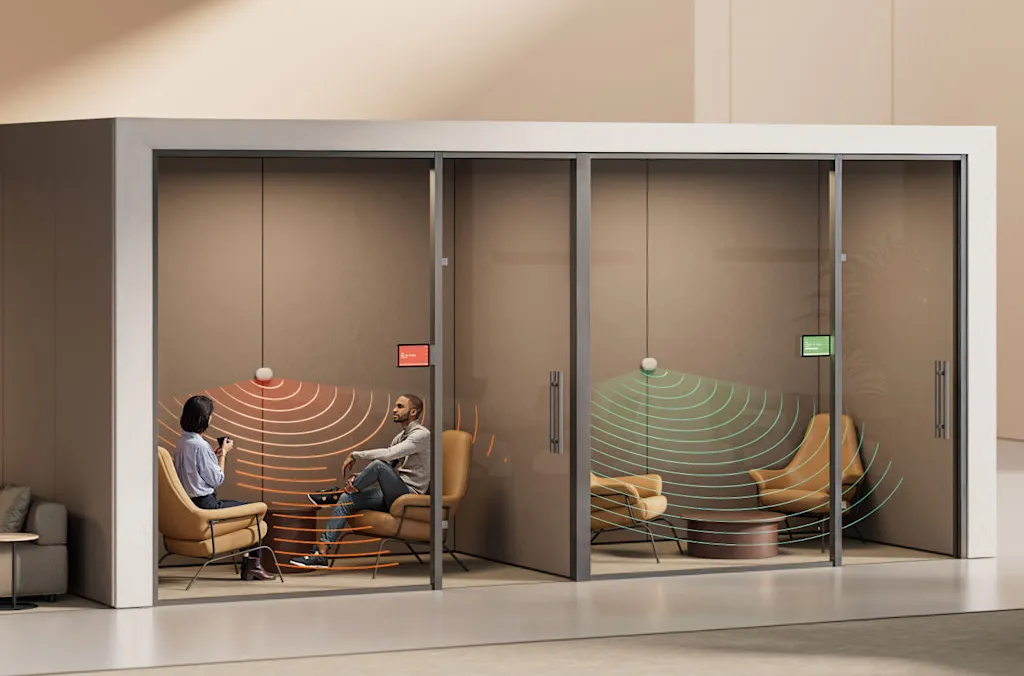
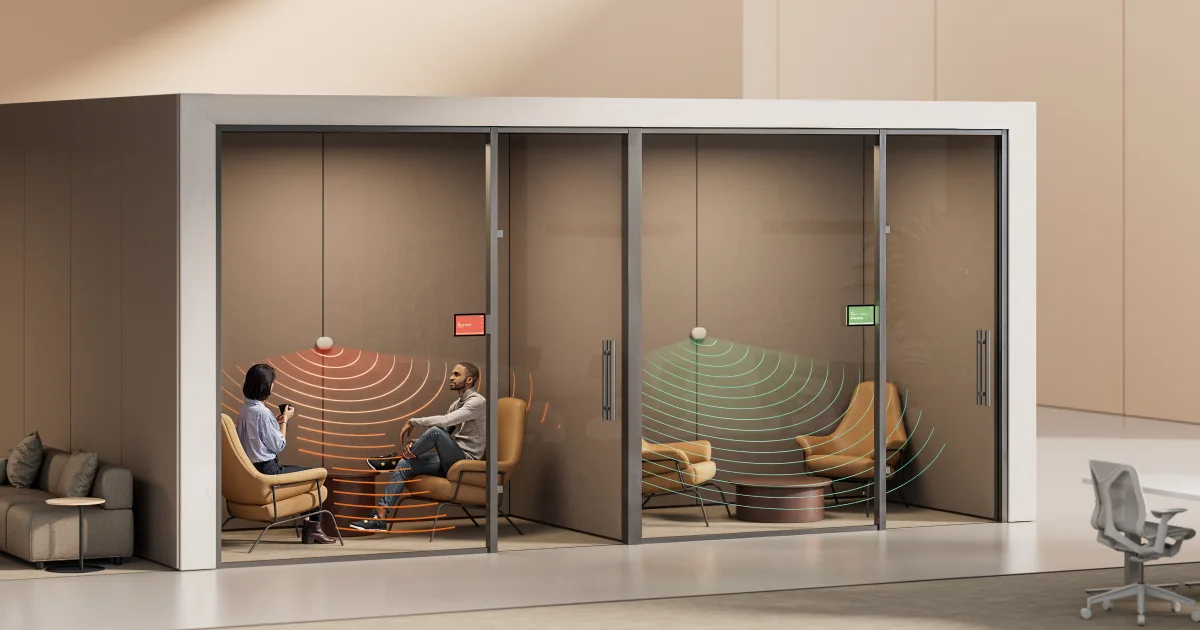
Useful room data can come from several places. Booking platforms can show demand. Occupancy sensors can show whether rooms are physically used. Collaboration platforms can show meeting activity. Support tickets can reveal which rooms create friction. Device management tools can show whether systems are online and performing as expected.
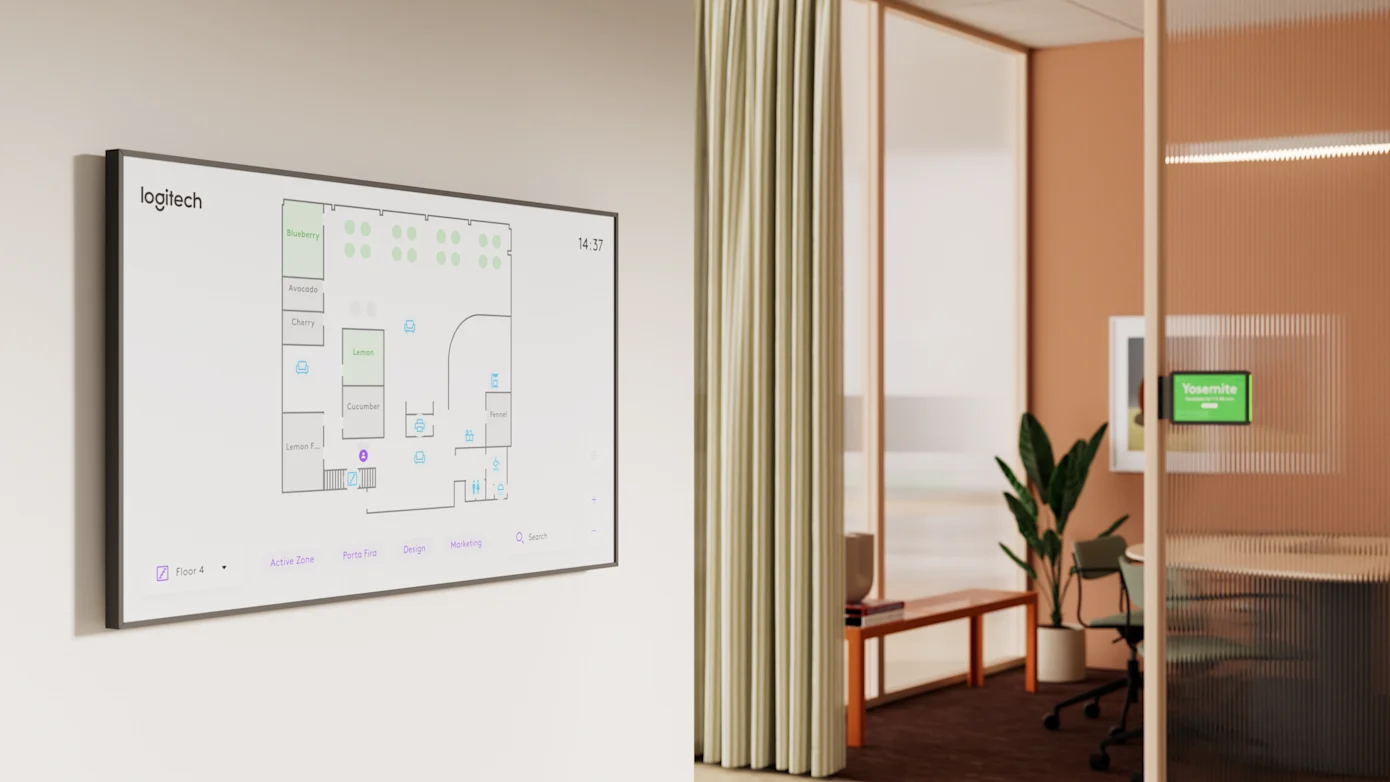
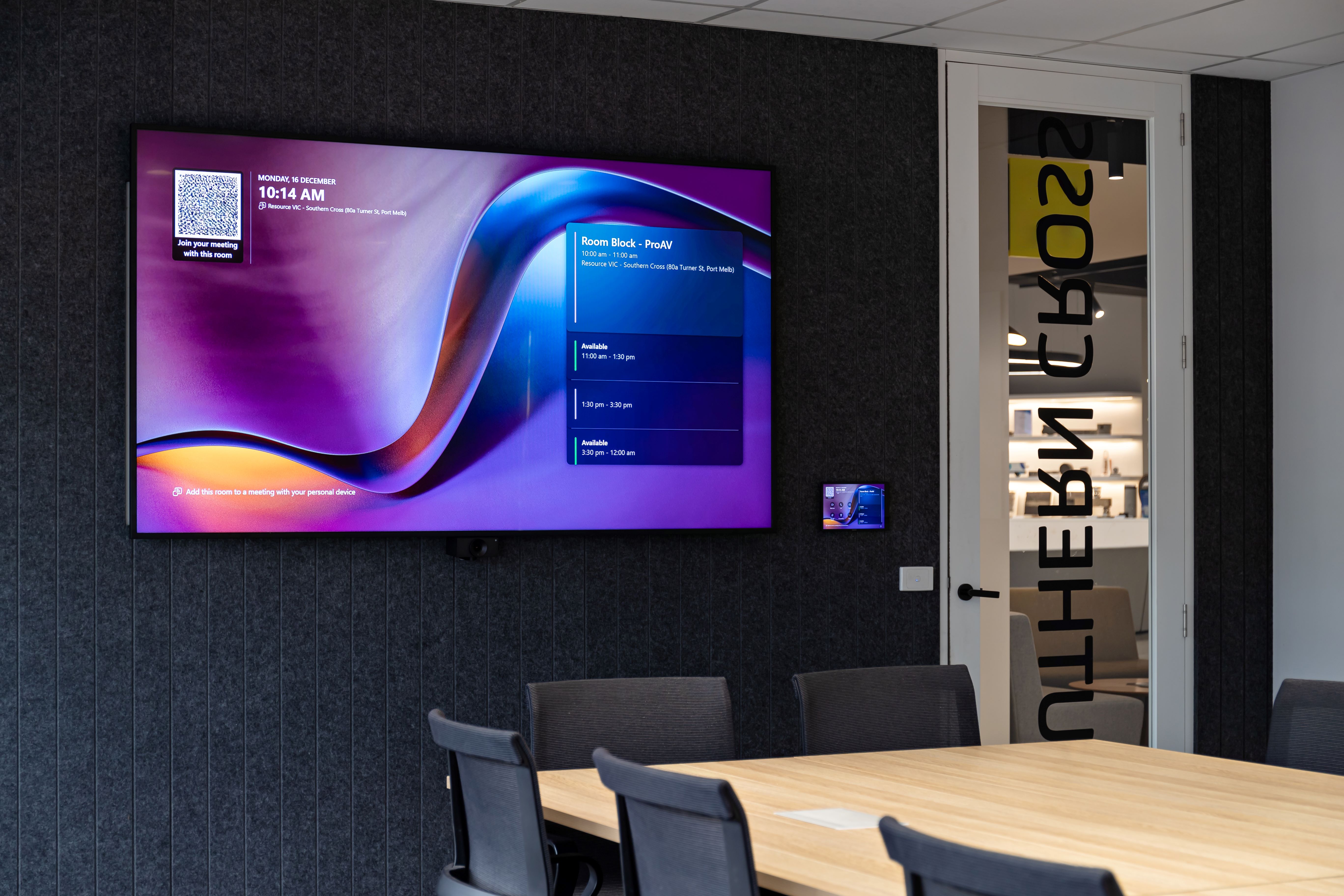
Technologies such as occupancy sensors, room booking systems and workplace management platforms, including tools like Logitech Spot where appropriate, can help teams build a clearer view of how spaces are used. The goal is not to collect data for the sake of it. The value comes from connecting the data to decisions.
For example, an organisation may discover that small meeting rooms are in high demand while large rooms are often used by only two or three people. Another may find that rooms with similar technology perform very differently because one site has better user guidance, support or room setup. These insights can guide better investment.
Better rooms can reduce the need for more rooms
When people cannot trust existing meeting rooms, demand often appears higher than it really is. Teams book extra spaces as a backup. People hold rooms they may not use. Large rooms are booked because smaller rooms are unsuitable. Staff avoid hybrid meetings in the office and take calls from desks.
Improving the quality and consistency of existing rooms can reduce pressure to create more space. That may involve clearer room standards, better audio, simpler controls, improved booking accuracy, user training or a support model that gives teams confidence.
This is not about over-investing in every room. It is about making sure each room is fit for its purpose and that decisions are based on real evidence.
Questions Australian organisations should ask
- Which rooms are booked most often, and which are actually occupied?
- Are there rooms that people consistently avoid?
- Do support tickets cluster around certain room types or locations?
- Are large rooms regularly used for small meetings?
- Are users confident with the technology in shared rooms?
- Could existing rooms be improved before new rooms are built?
- Do IT, facilities and workplace teams review utilisation together?
Practical checklist
Before making decisions about new or upgraded rooms, review:
- Booking data across a representative period
- Occupancy data where available
- Support ticket history by room
- User feedback on room experience
- Room size compared with actual meeting size
- Technology consistency across similar rooms
- Opportunities to repurpose underused spaces
- Training or adoption gaps
- Lifecycle status of room equipment





.jpg)








.png)









.jpeg)






.avif)




.jpeg)


.webp)