Crestron: Building AI-Ready Meeting Rooms That Can Evolve
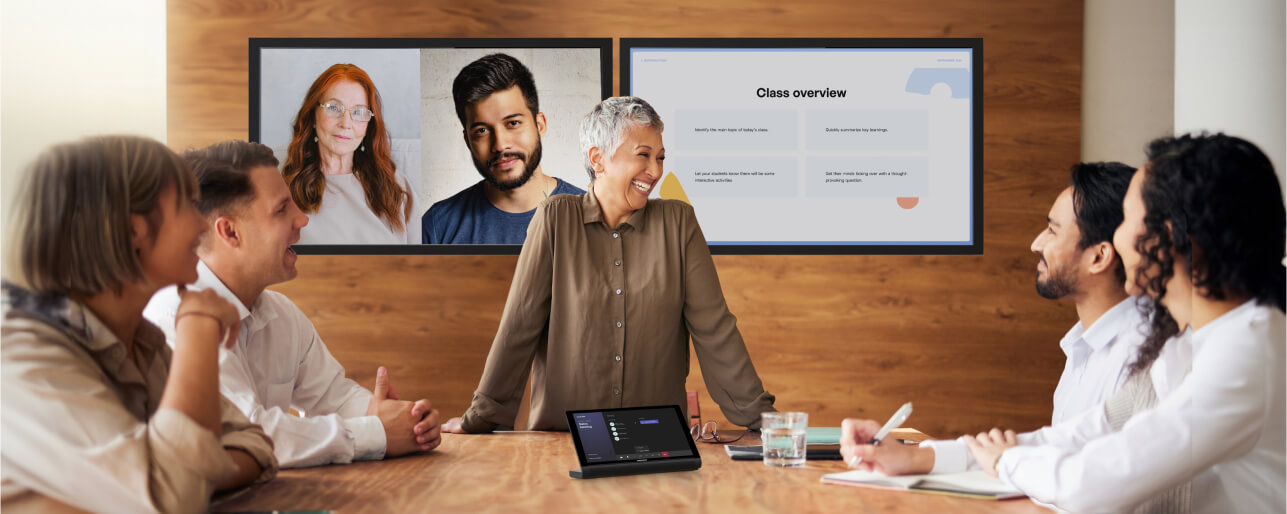
Future-proofing a meeting room is no longer just about choosing the newest equipment. Collaboration platforms continue to evolve, room requirements differ and AI features are bringing new expectations for what the technology should do.
Crestron’s approach starts with a consistent foundation that can support different room designs, while keeping the systems people rely on predictable and manageable.
A common foundation, tailored to the space
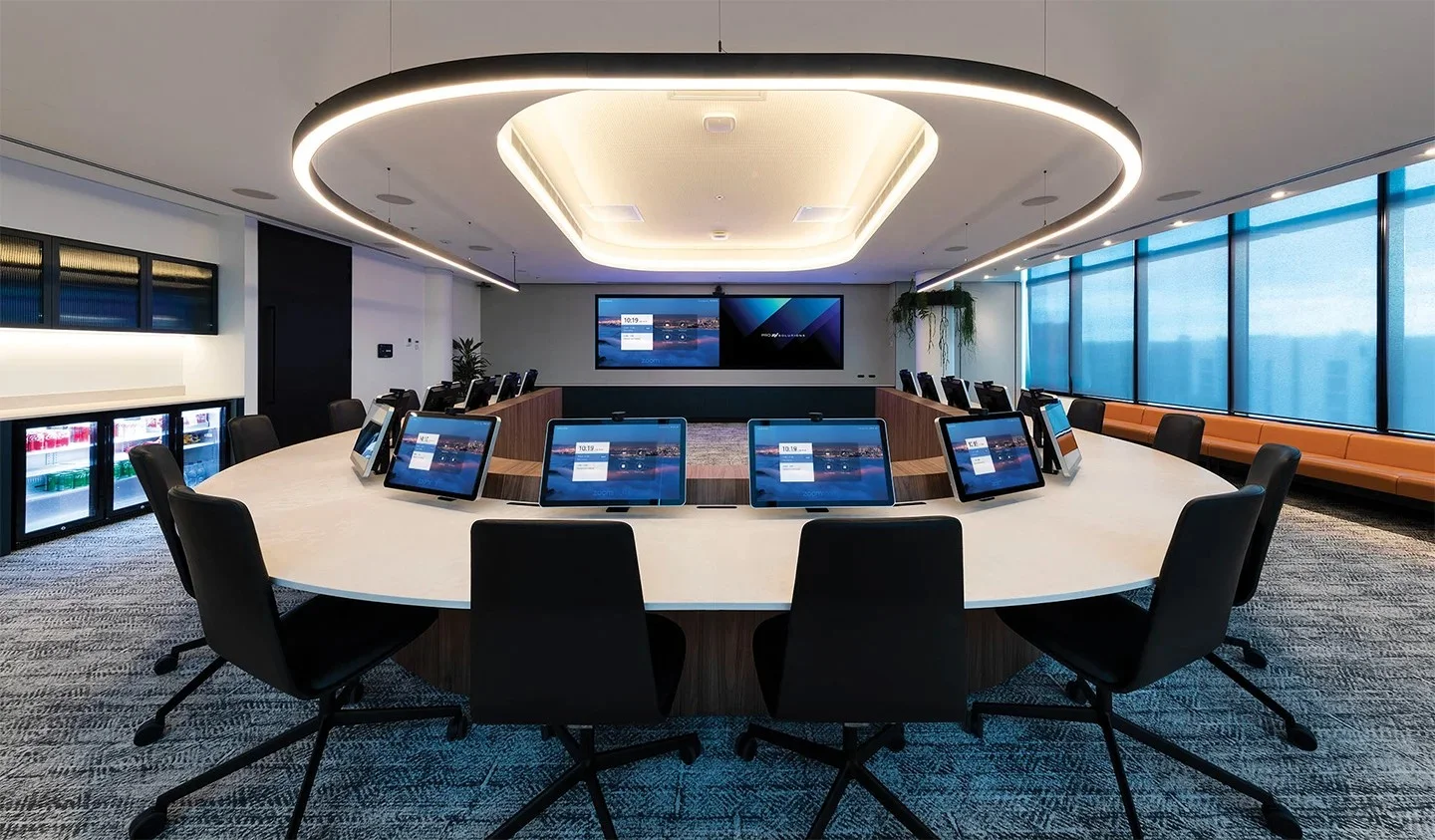
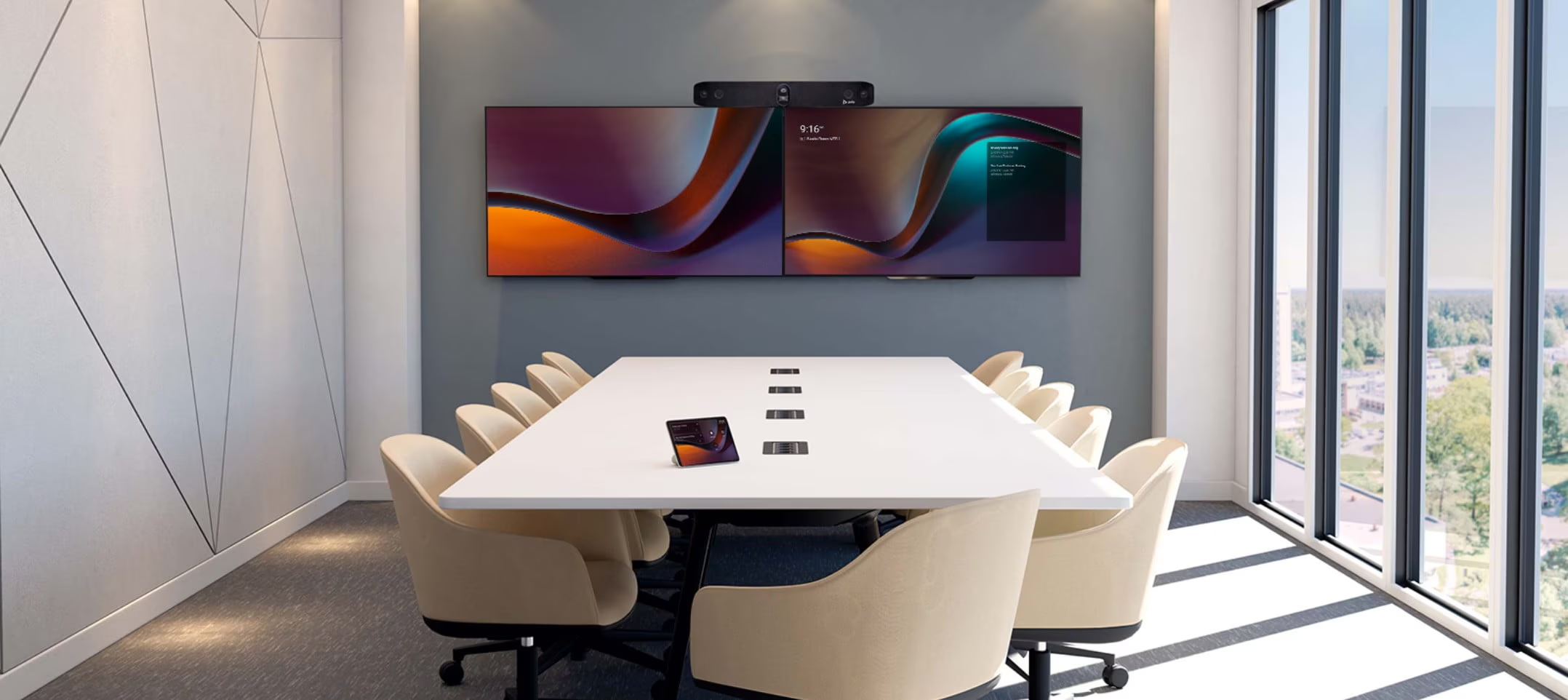
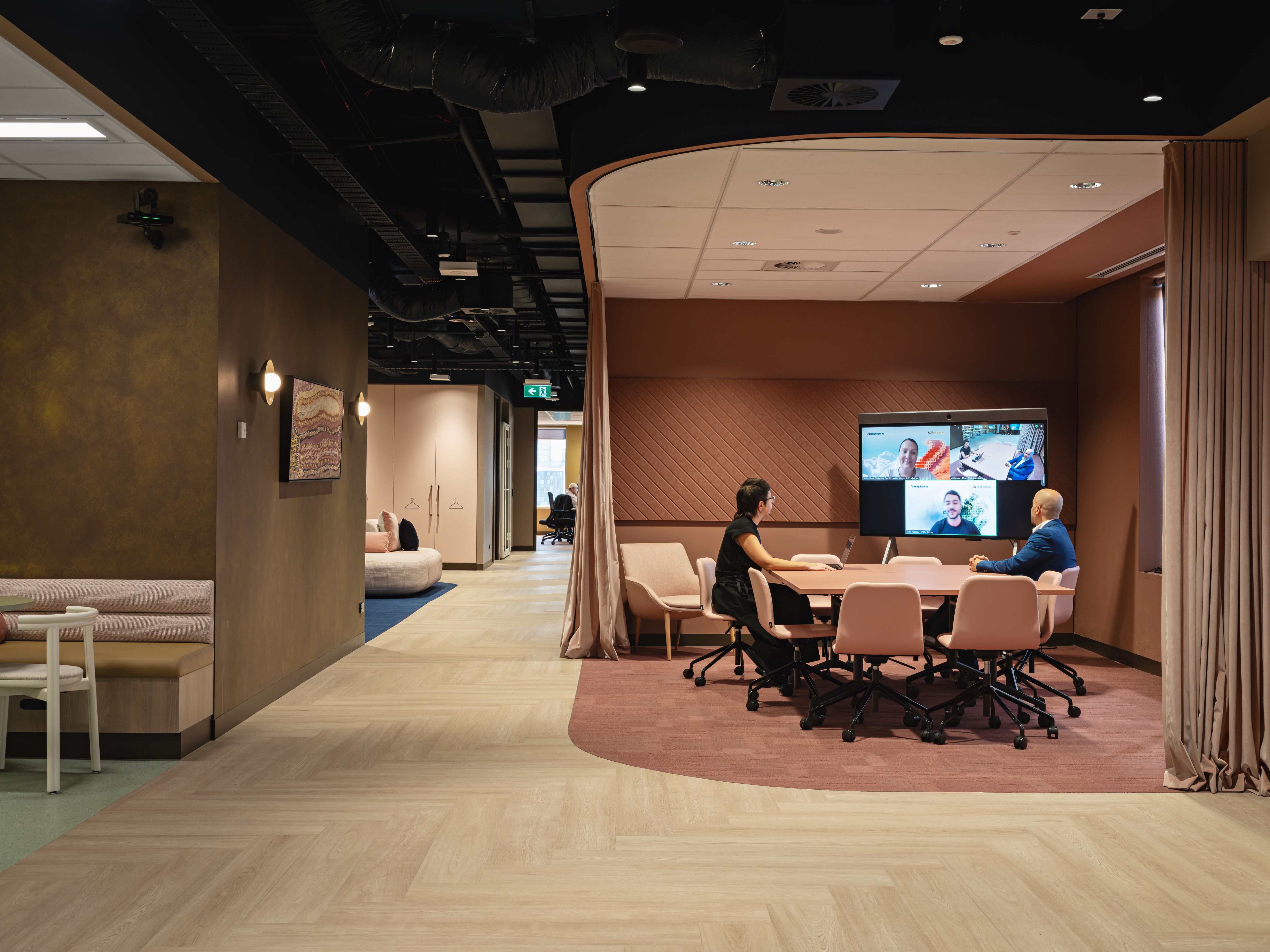
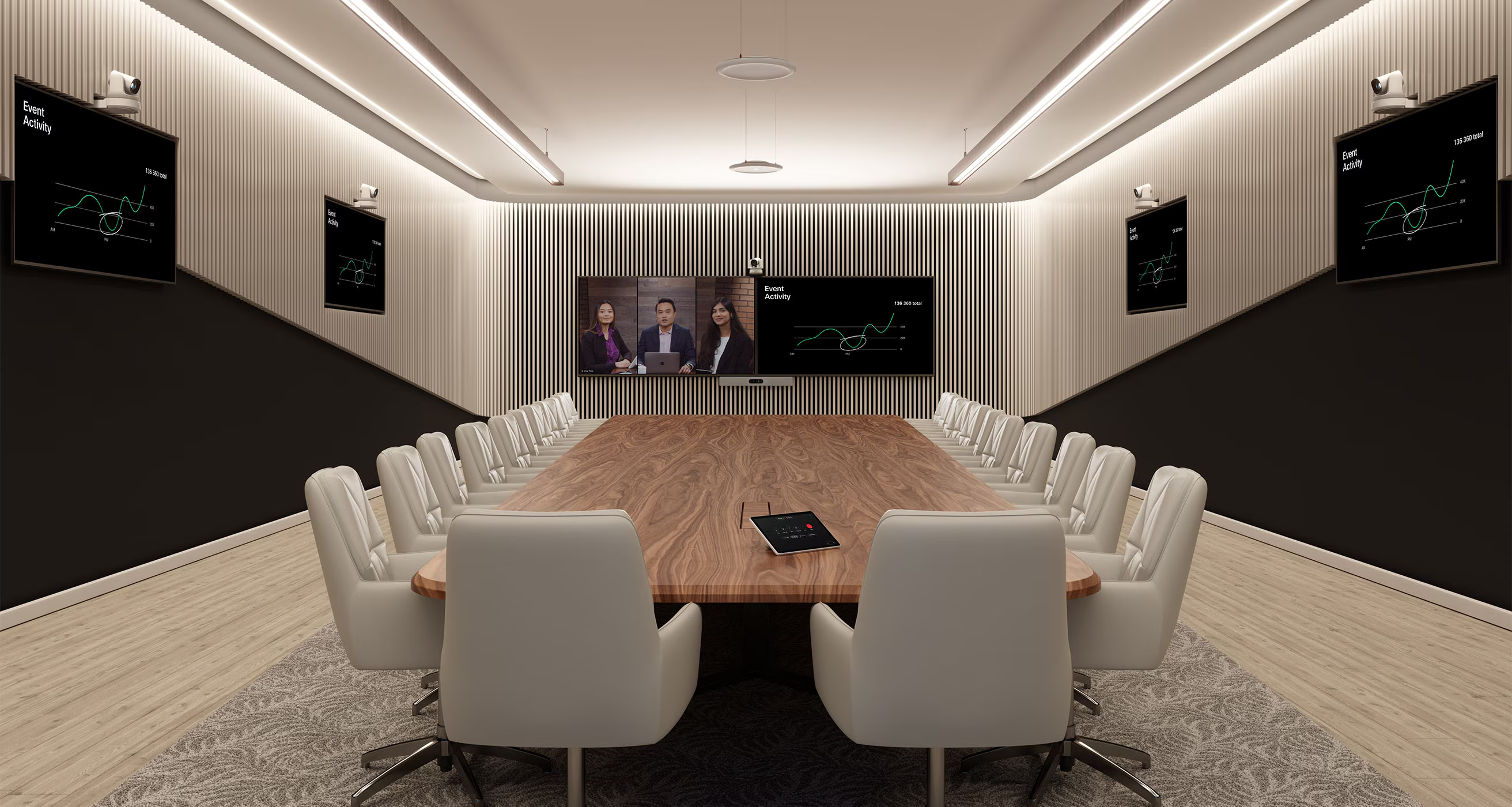
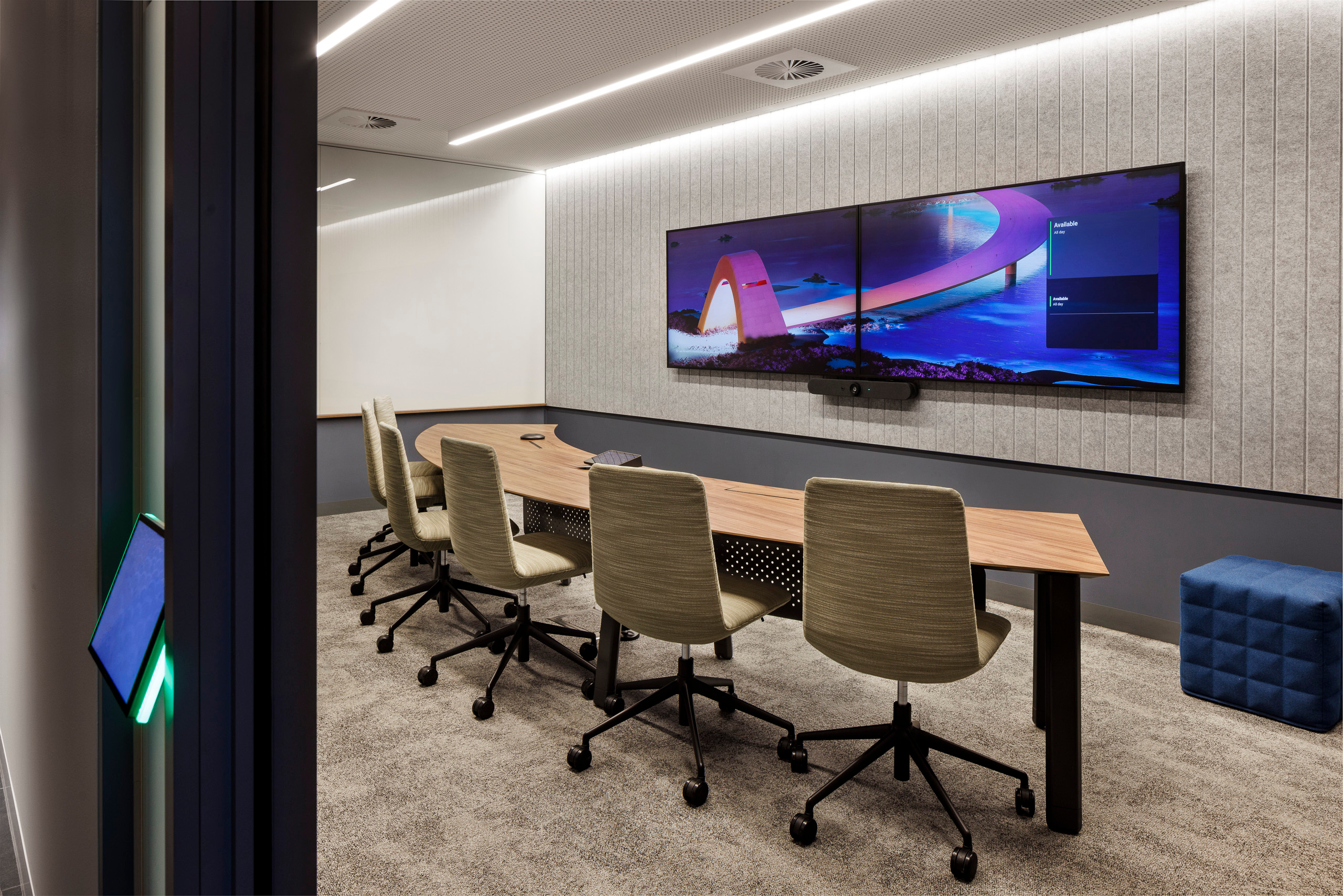
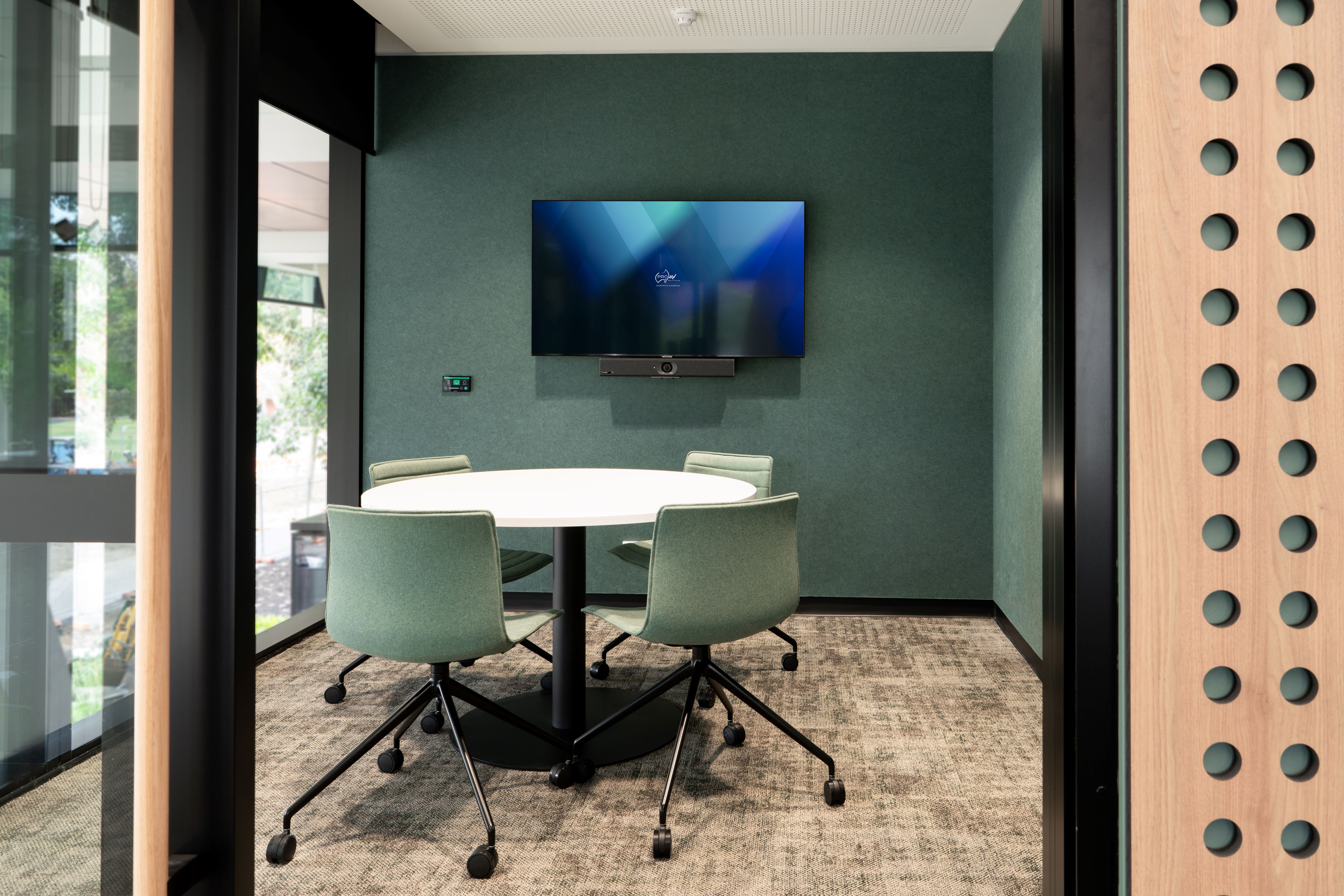
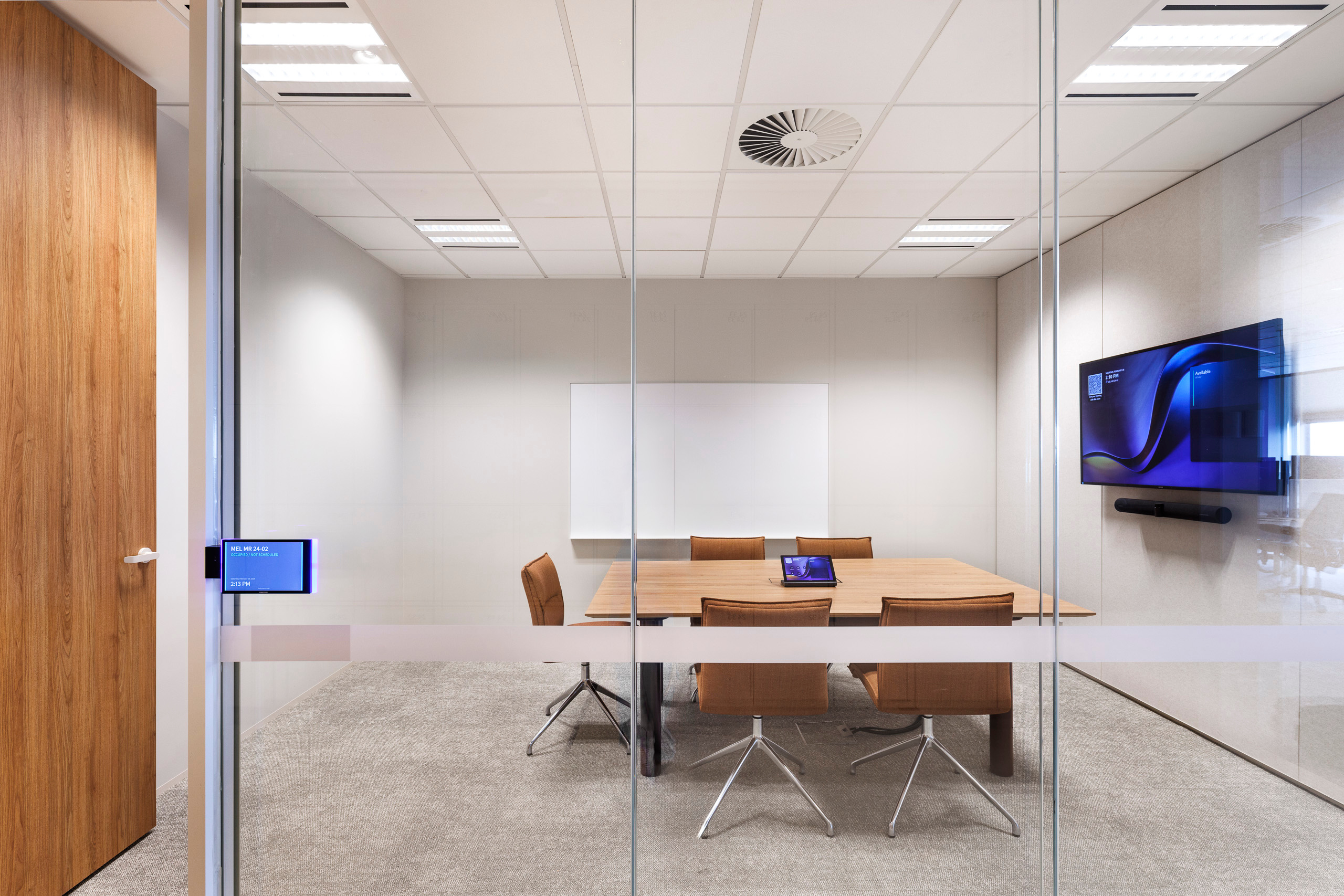
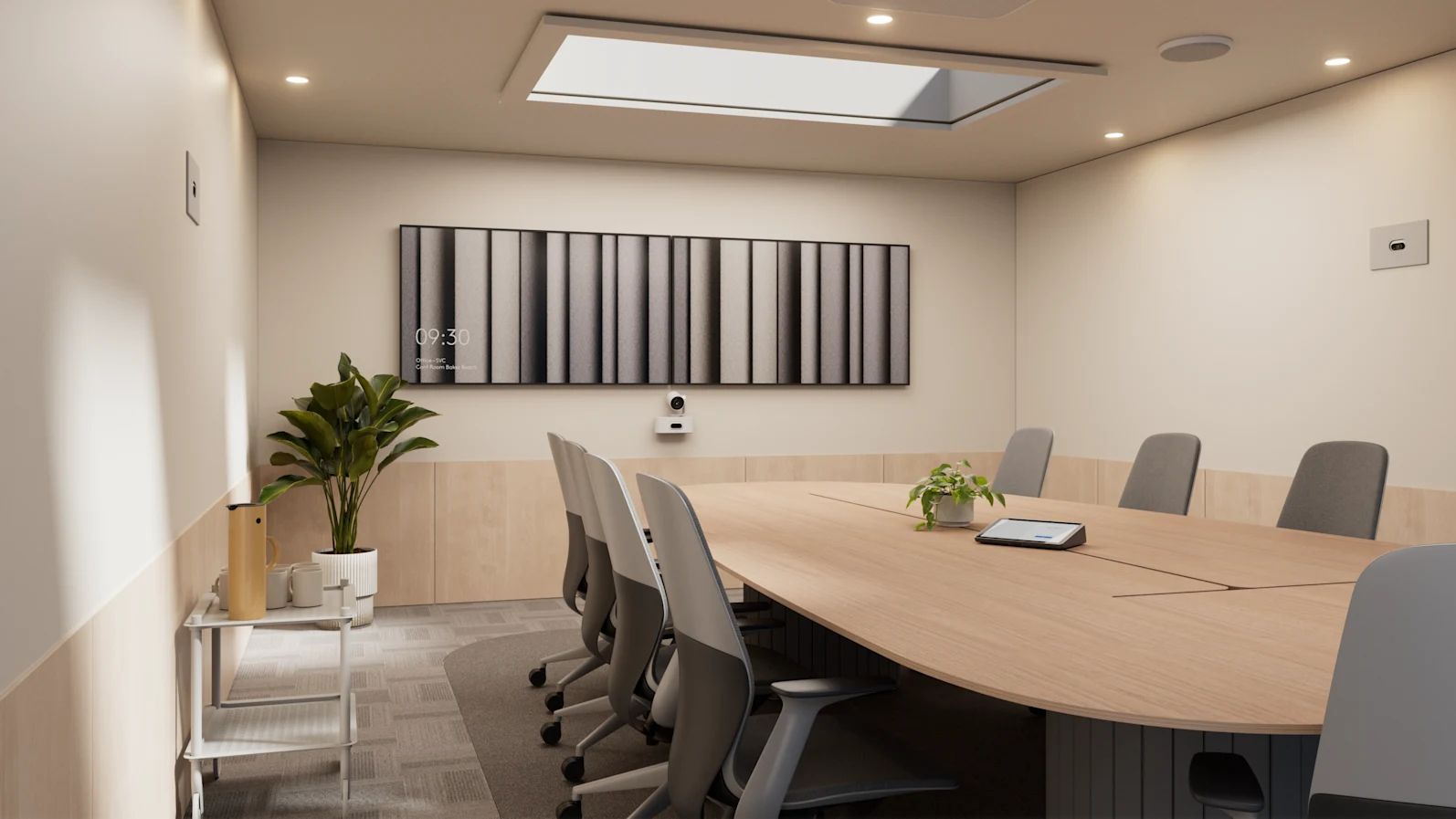
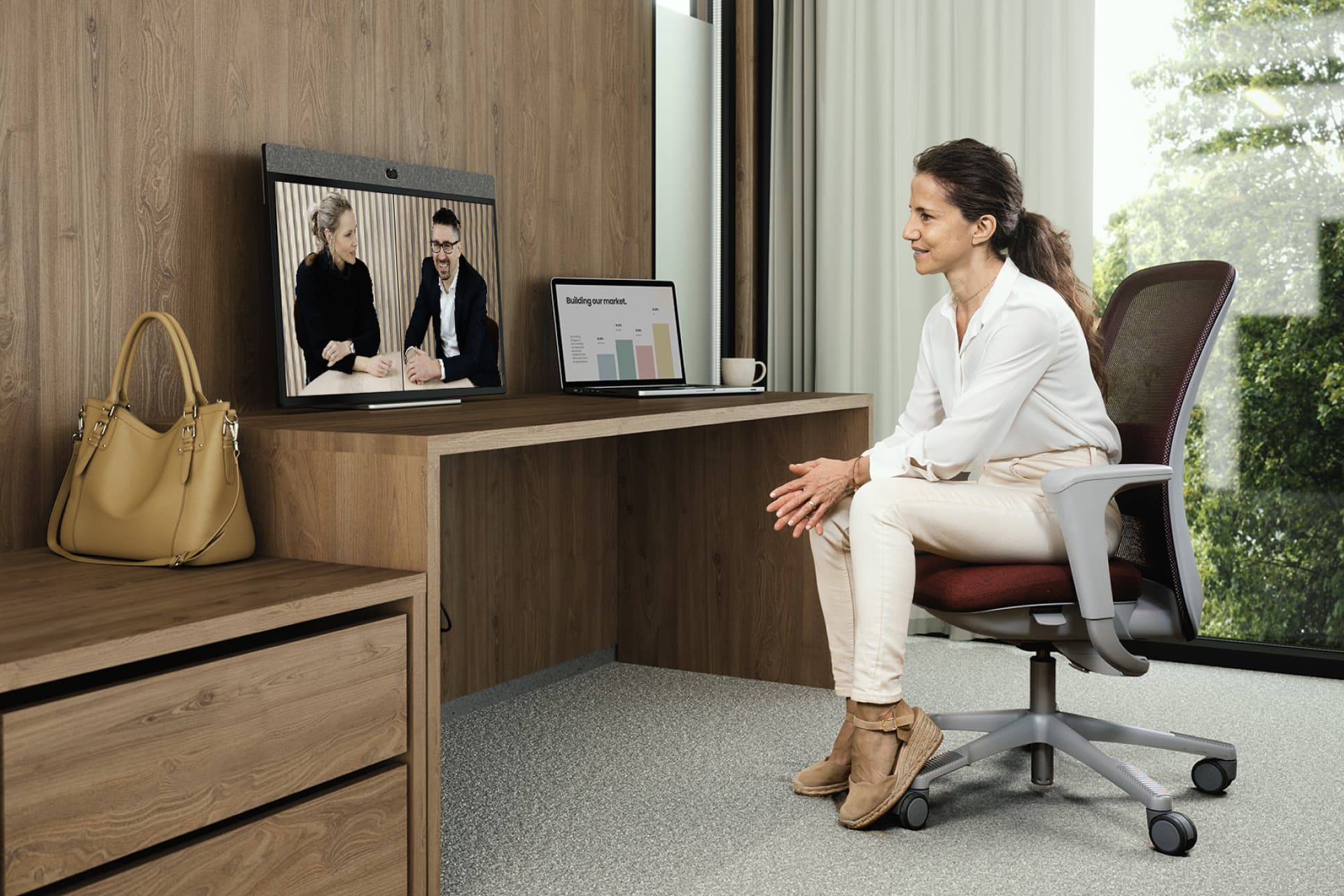
A small meeting room and a large town hall do not need identical cameras, microphones or controls. They do, however, benefit from a familiar underlying approach.
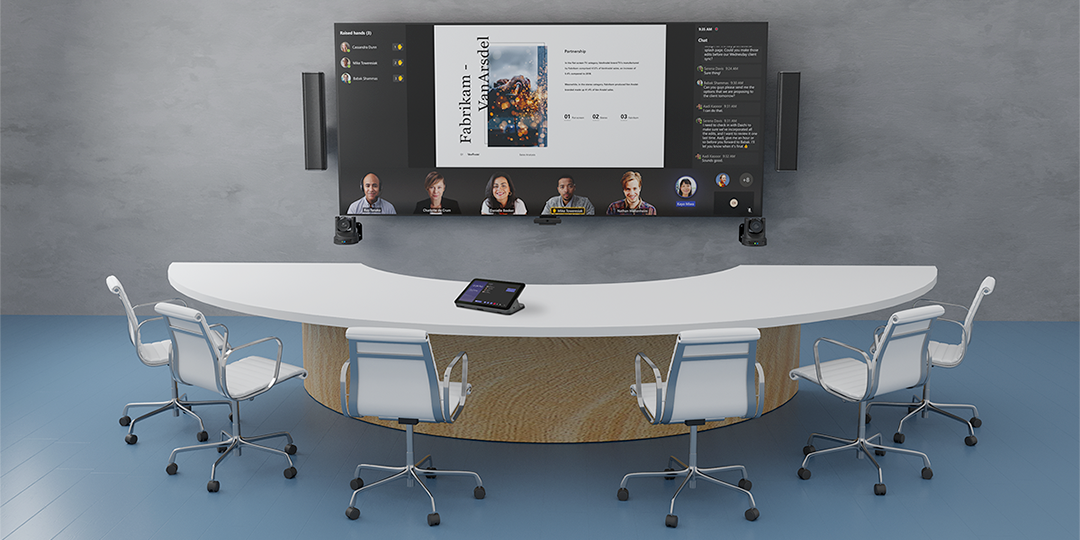
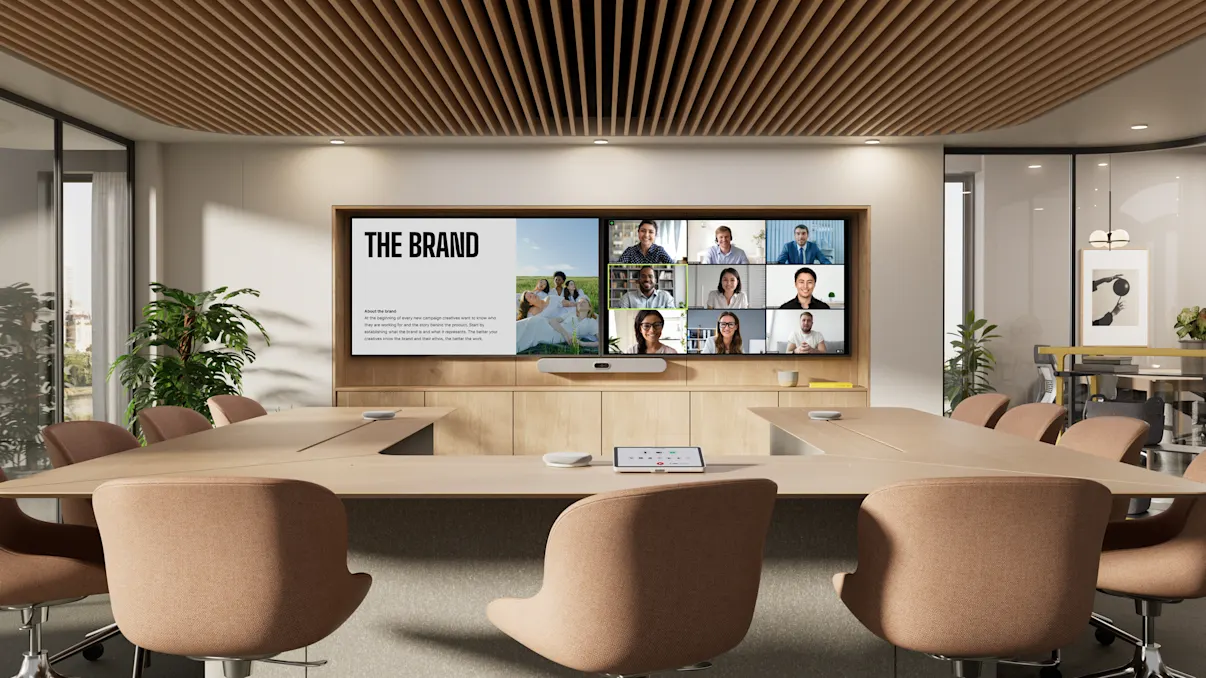
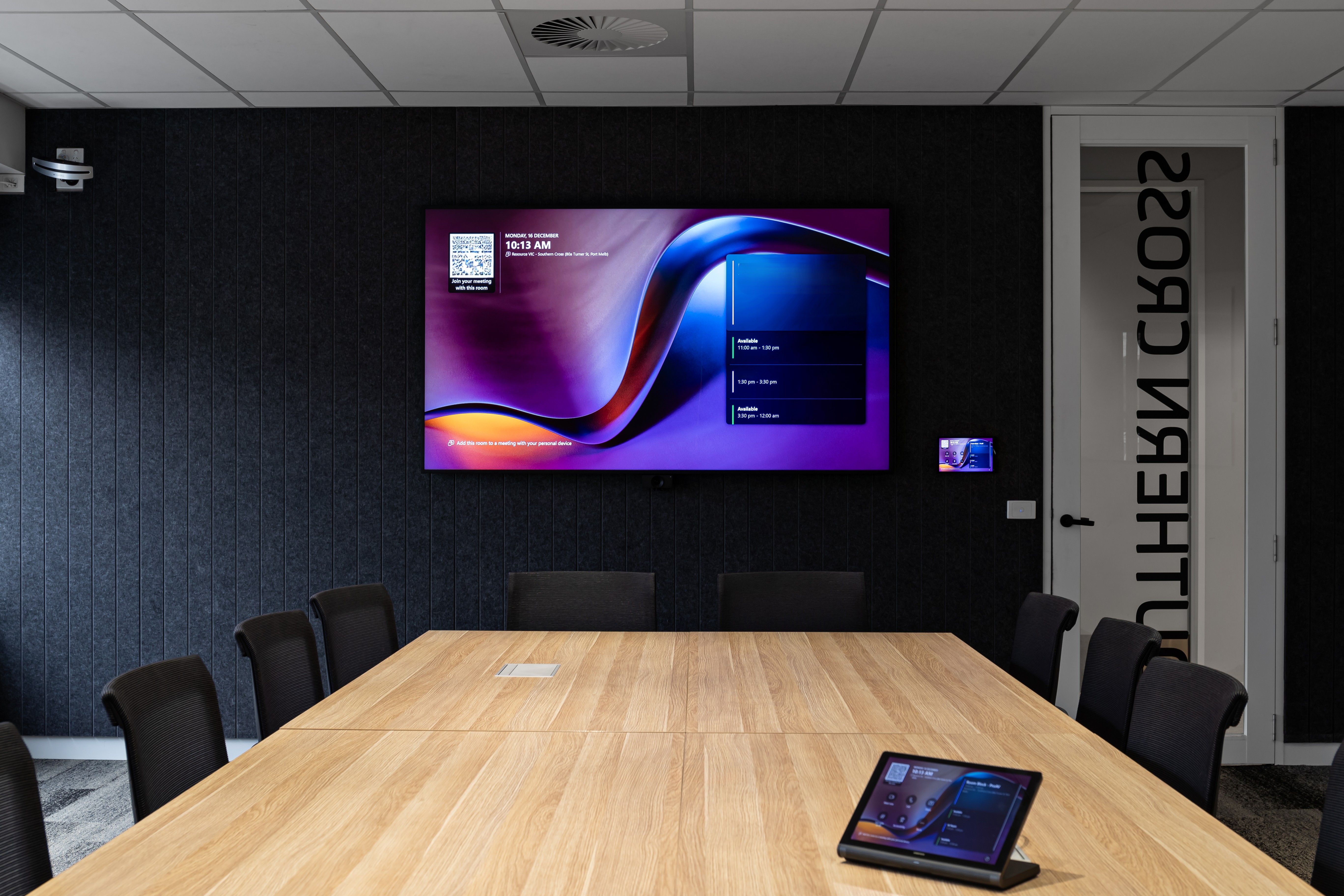
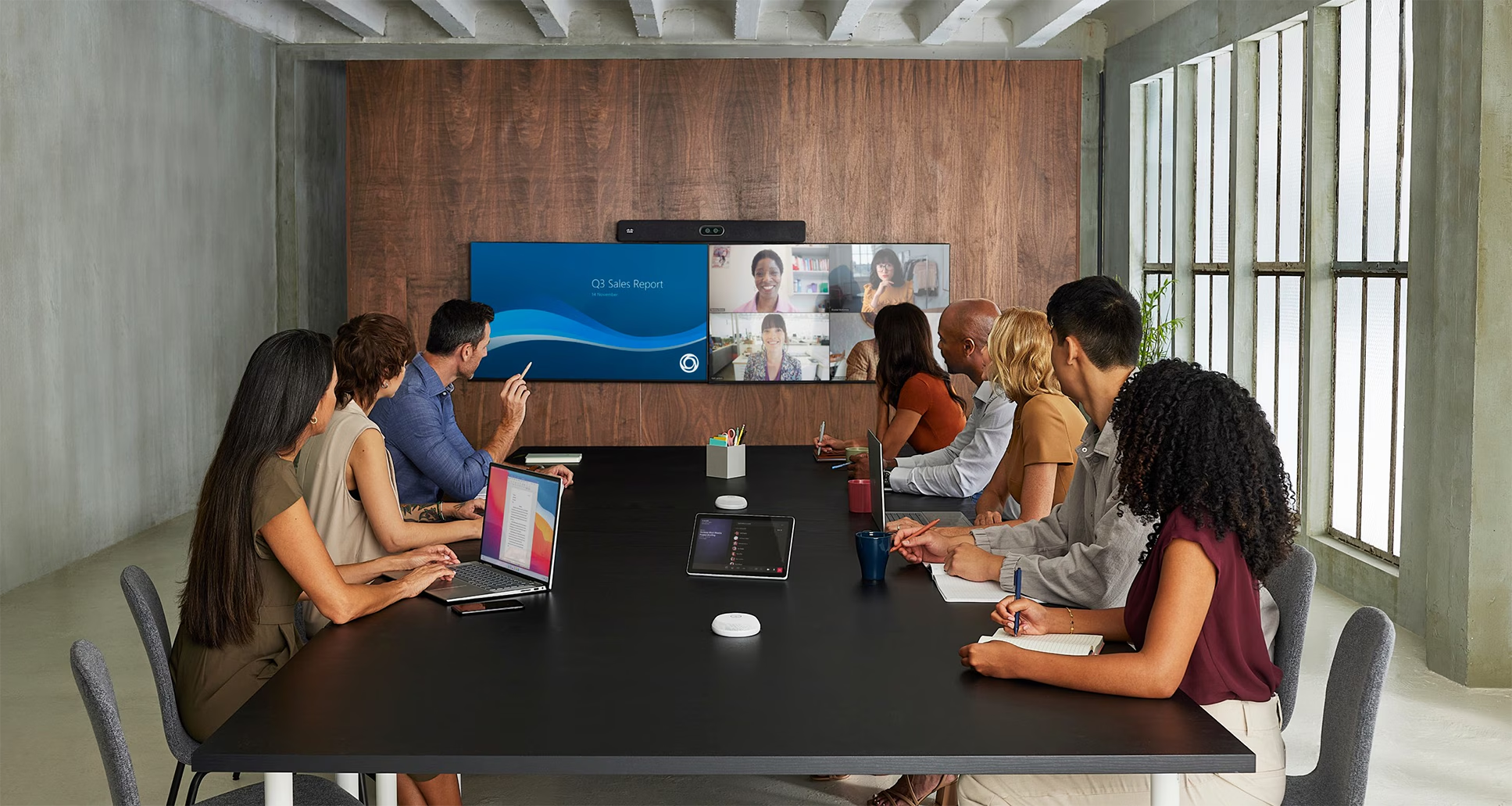
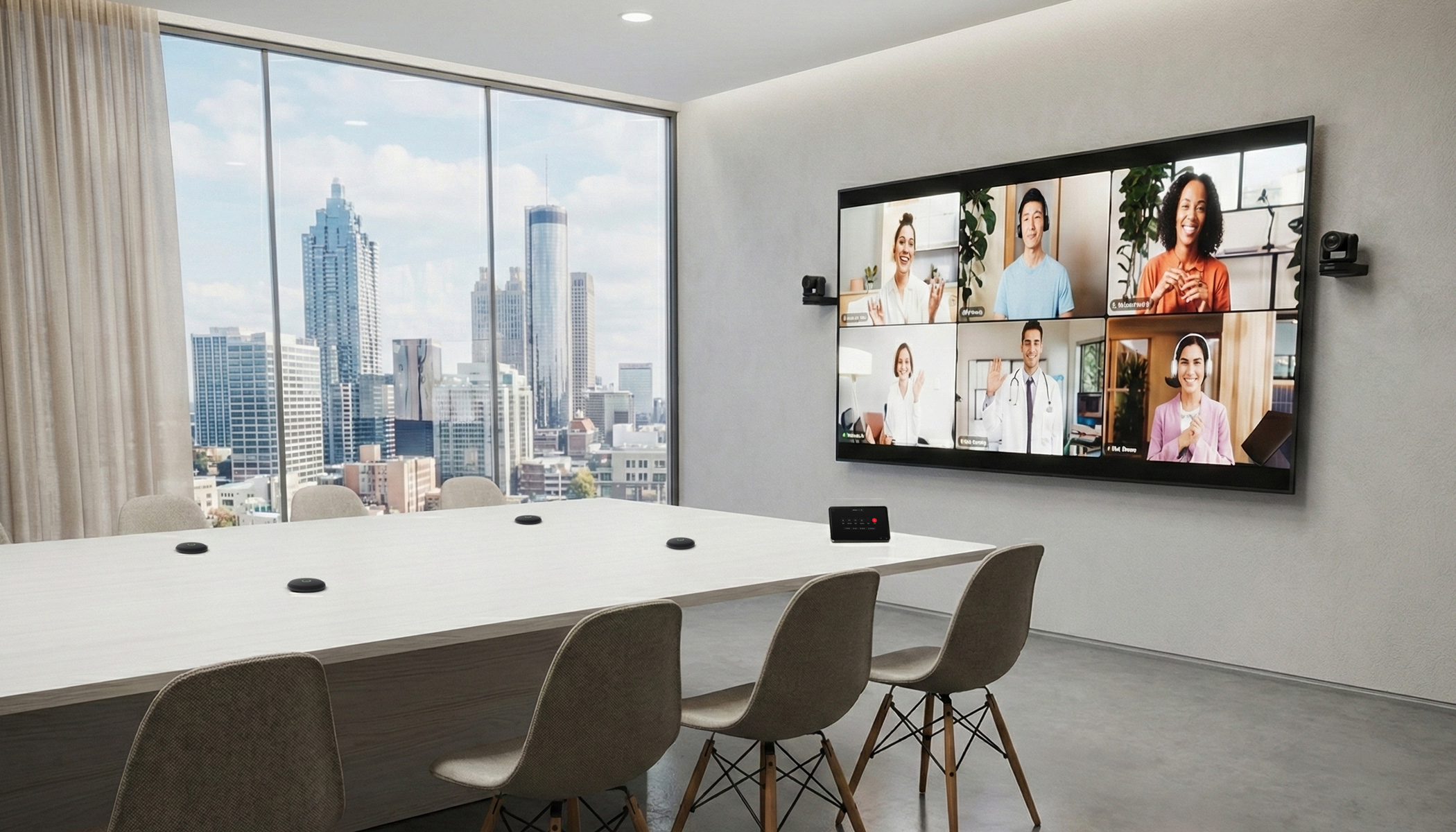
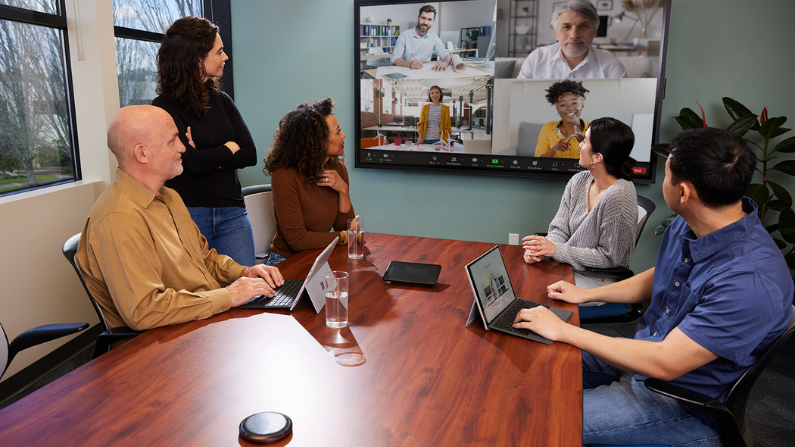
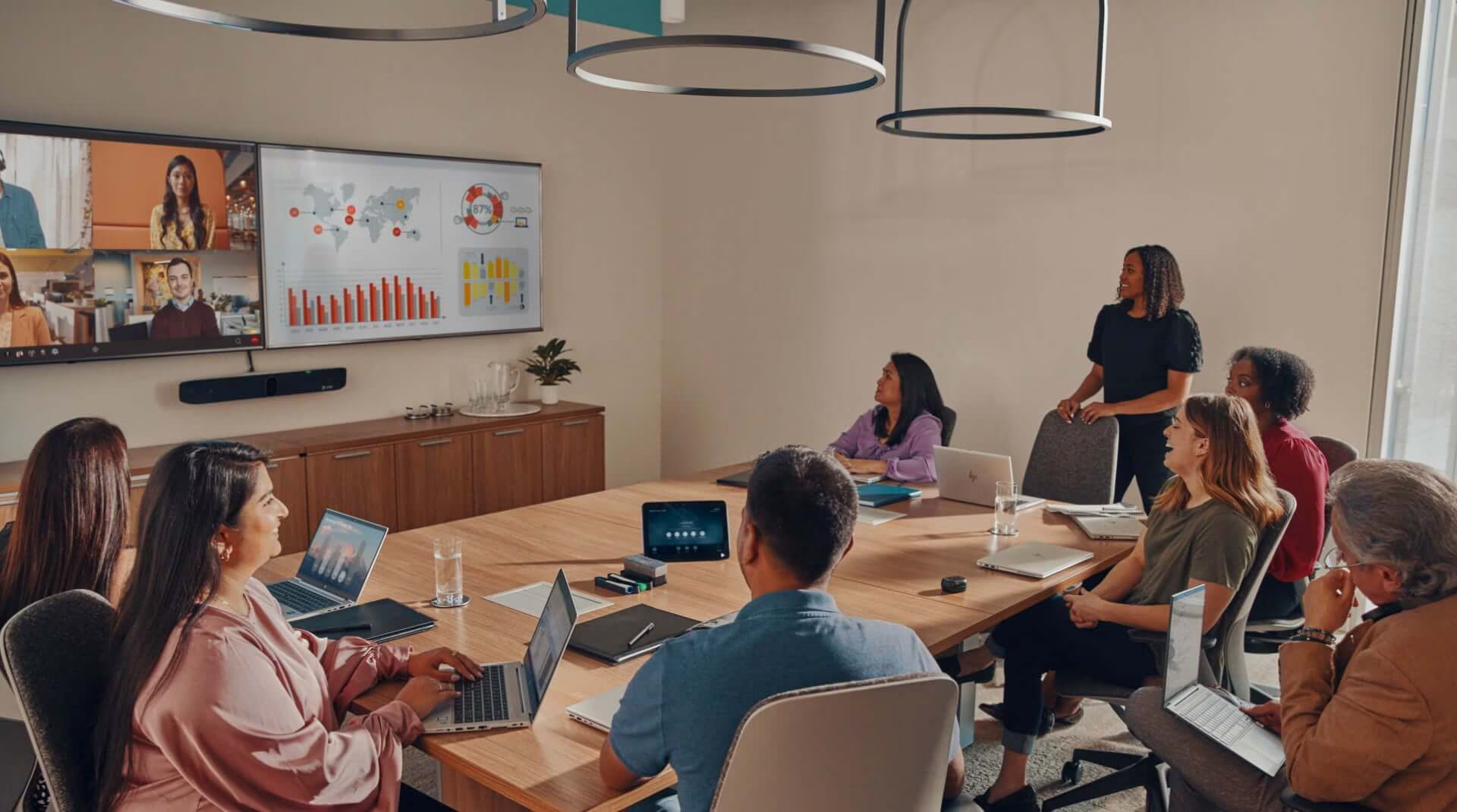
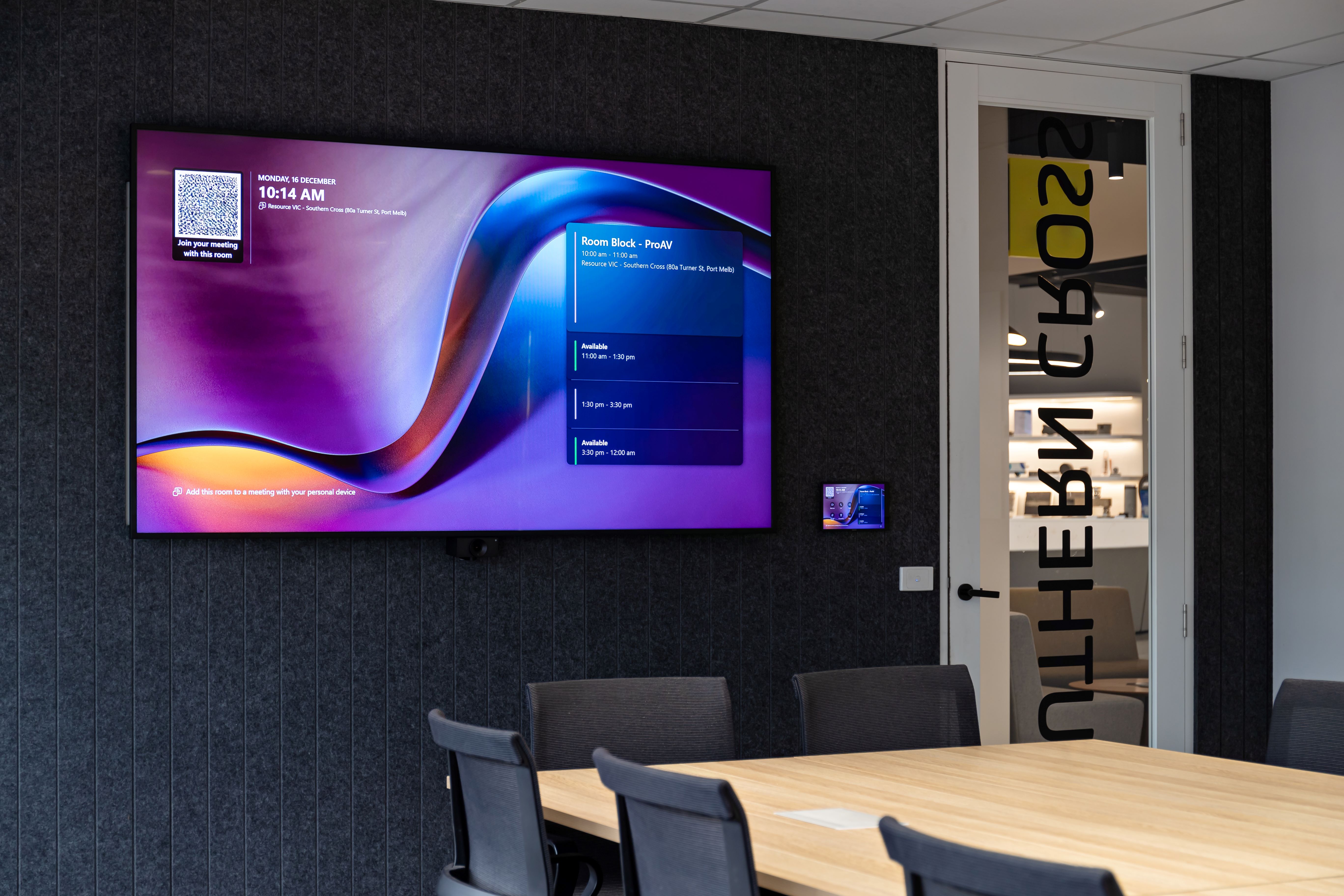
Crestron positions Collab Compute as the core of a room design, with Microsoft Teams® and Zoom Rooms™ selected as the collaboration platform and peripherals chosen for the space. Audio, intelligent video and control can then scale according to what users need.
This separates the experience an organisation wants to standardise from the components it needs to customise. It also makes infrastructure and ongoing support part of the initial design discussion.
What makes a meeting room AI-ready?
Crestron pointed to Collab Compute built on newer Intel Core Ultra processors, designed with dedicated capability for AI-related processing. The idea is to prepare for features that may emerge from software platform providers, rather than assume the hardware will never need to change.
That future readiness also depends on suitable network infrastructure, secure interfaces and the ability to update or extend the room over time.
AI should assist, not take over room control
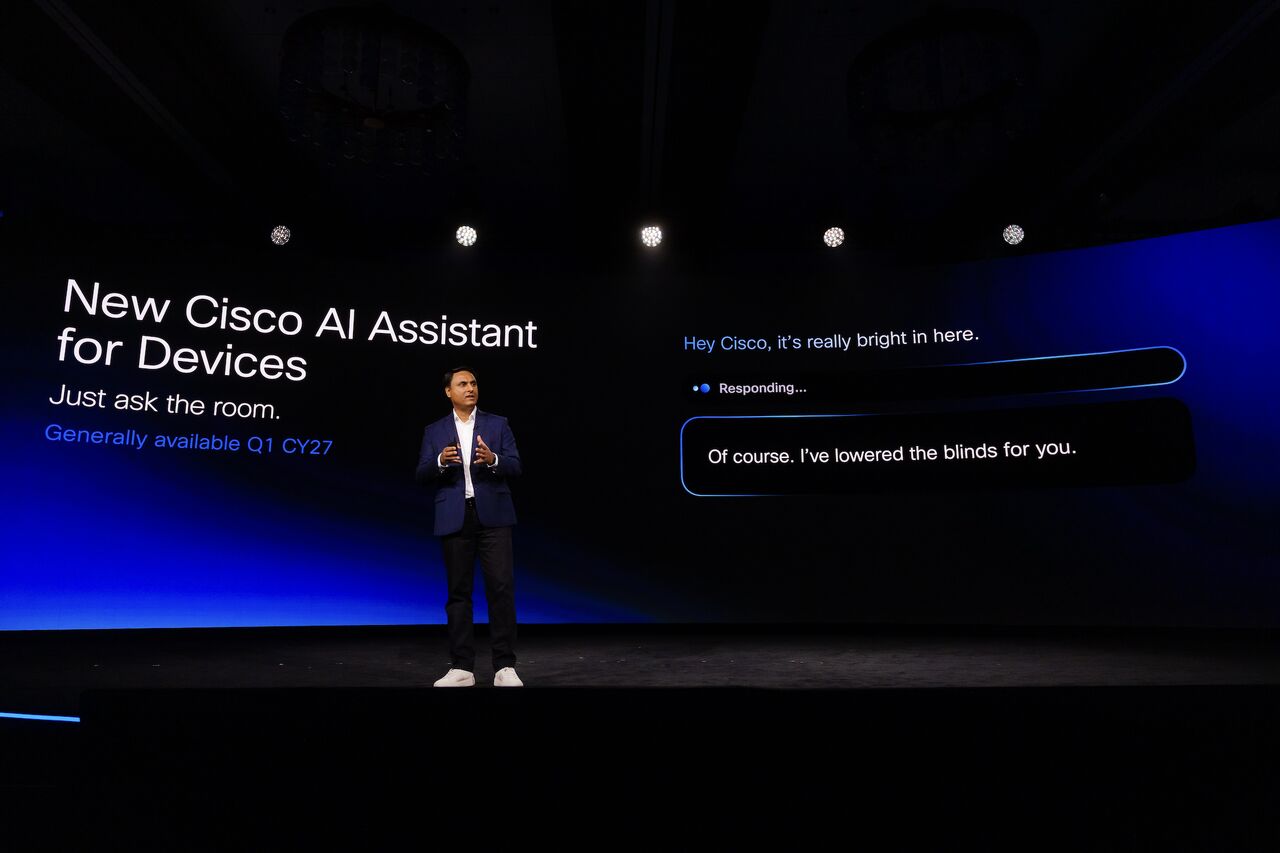
A more immediate use of AI is helping people interact with established room functions. Crestron described a model in which deterministic control actions - such as selecting an input, adjusting volume or recalling a camera preset—can be made available selectively to AI assistance.
The distinction is important: allowing software to assist with an approved set of actions is different from handing unrestricted control of the room to an autonomous system.
For workplace and IT teams, useful future-proofing means making practical choices now: consistent core systems, peripherals suited to each room and a control environment that can evolve without losing reliability.