Sustainable workplace technology Australia: what it actually means
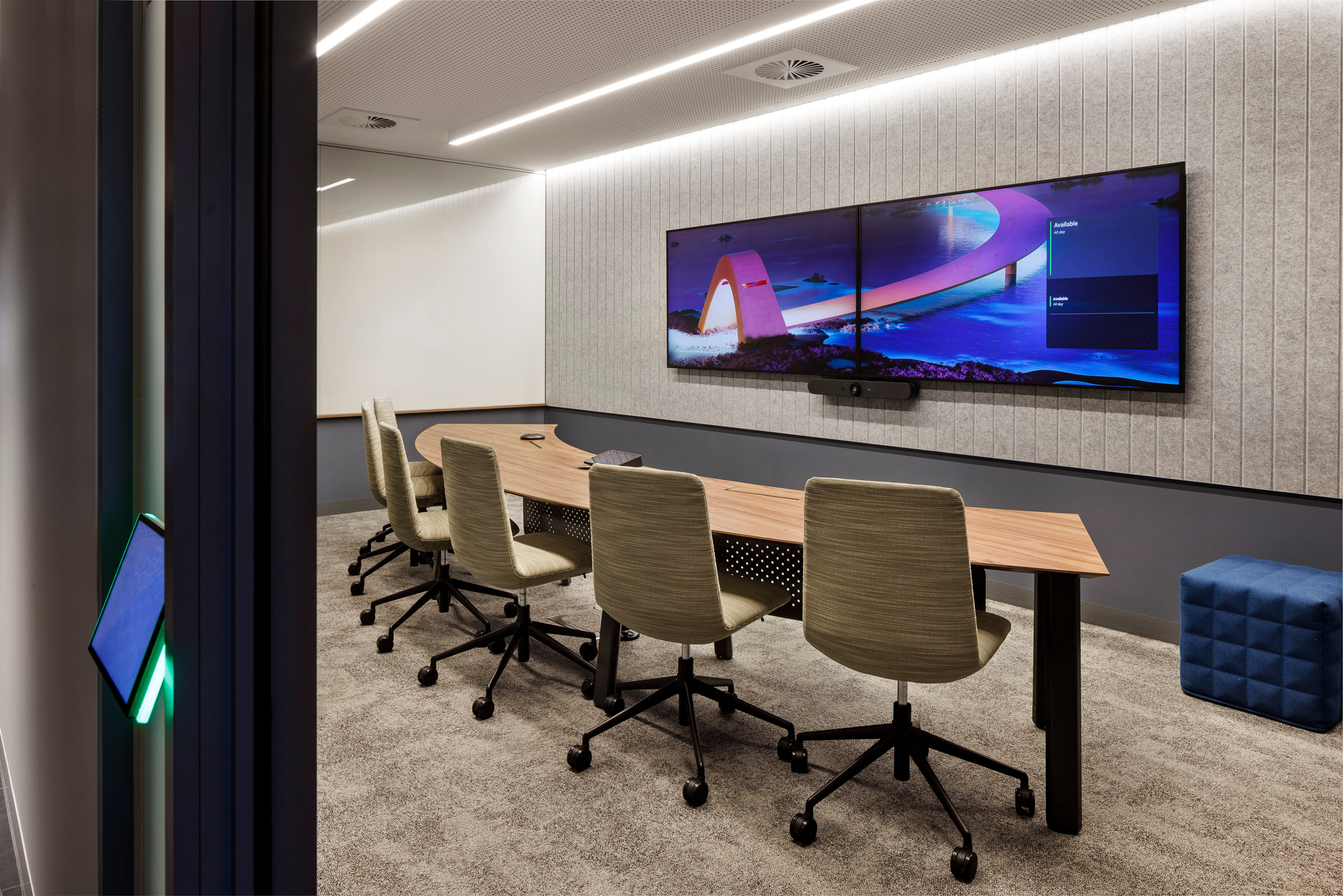
Sustainable workplace technology Australia is about making better decisions across the full life of the technology estate. It covers how spaces are planned, how rooms are used, how systems are supported, how assets are upgraded and how organisations avoid unnecessary rework.
Sustainability in the workplace should be treated as an operating question. A workplace technology estate does not become more sustainable because one device has a better energy rating. That may help, but the larger issue is how the space and technology perform over time.
A useful review starts with simple questions. Does the organisation need this room? Does the room match the way people work? Do users trust the technology? Can the system be supported remotely? Can the equipment be upgraded? Do we know when assets reach end of life? Are support issues influencing future design decisions?
These questions move the conversation away from sustainability claims and into practical workplace management.
Energy matters, but use matters too
Energy-efficient products should remain part of the decision. Displays, amplifiers, room systems, signage players and collaboration devices should be selected and configured with sensible operating settings. Digital signage networks should not run without a clear schedule. Rooms should not carry oversized technology without a reason.
But energy efficiency does not solve poor utilisation. A room with efficient devices still carries a footprint if nobody uses it. A signage network with efficient displays still needs content governance to provide value. A meeting room with modern collaboration equipment still underperforms if people avoid it.
Sustainable workplace technology connects those issues. It asks whether the technology helps the space work better, whether people use it, and whether it can be managed across its life.
Data helps make sustainability practical
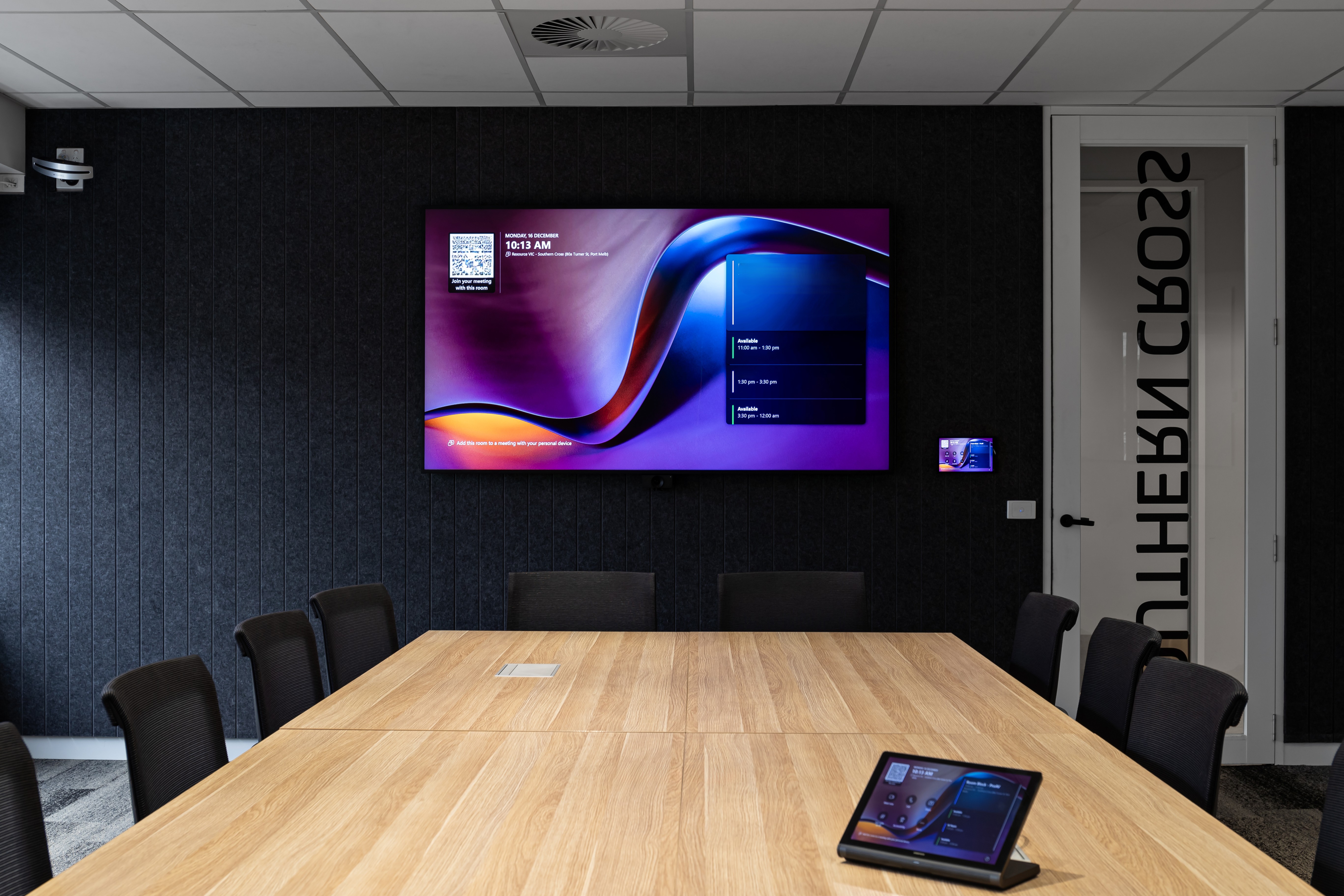
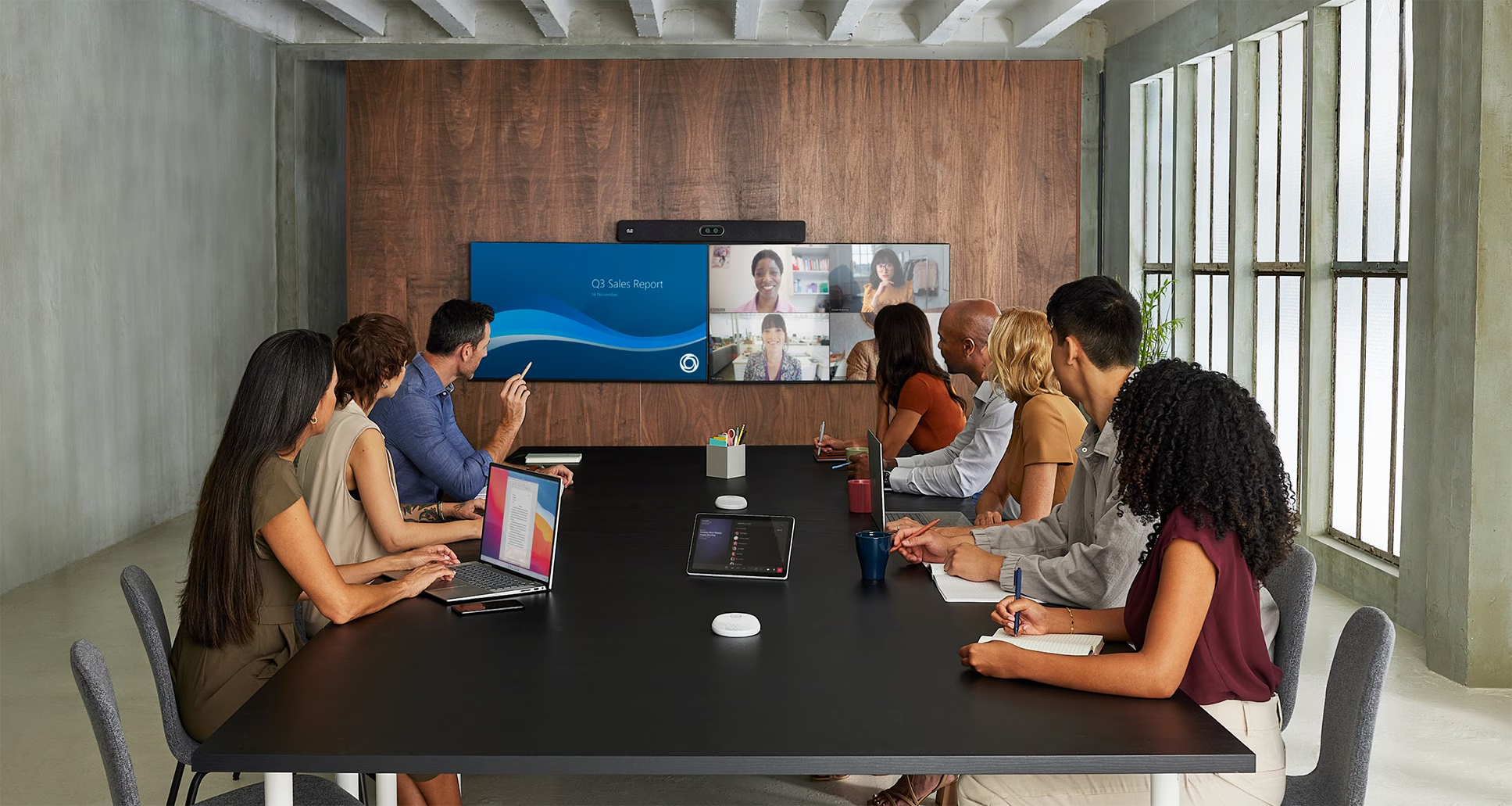
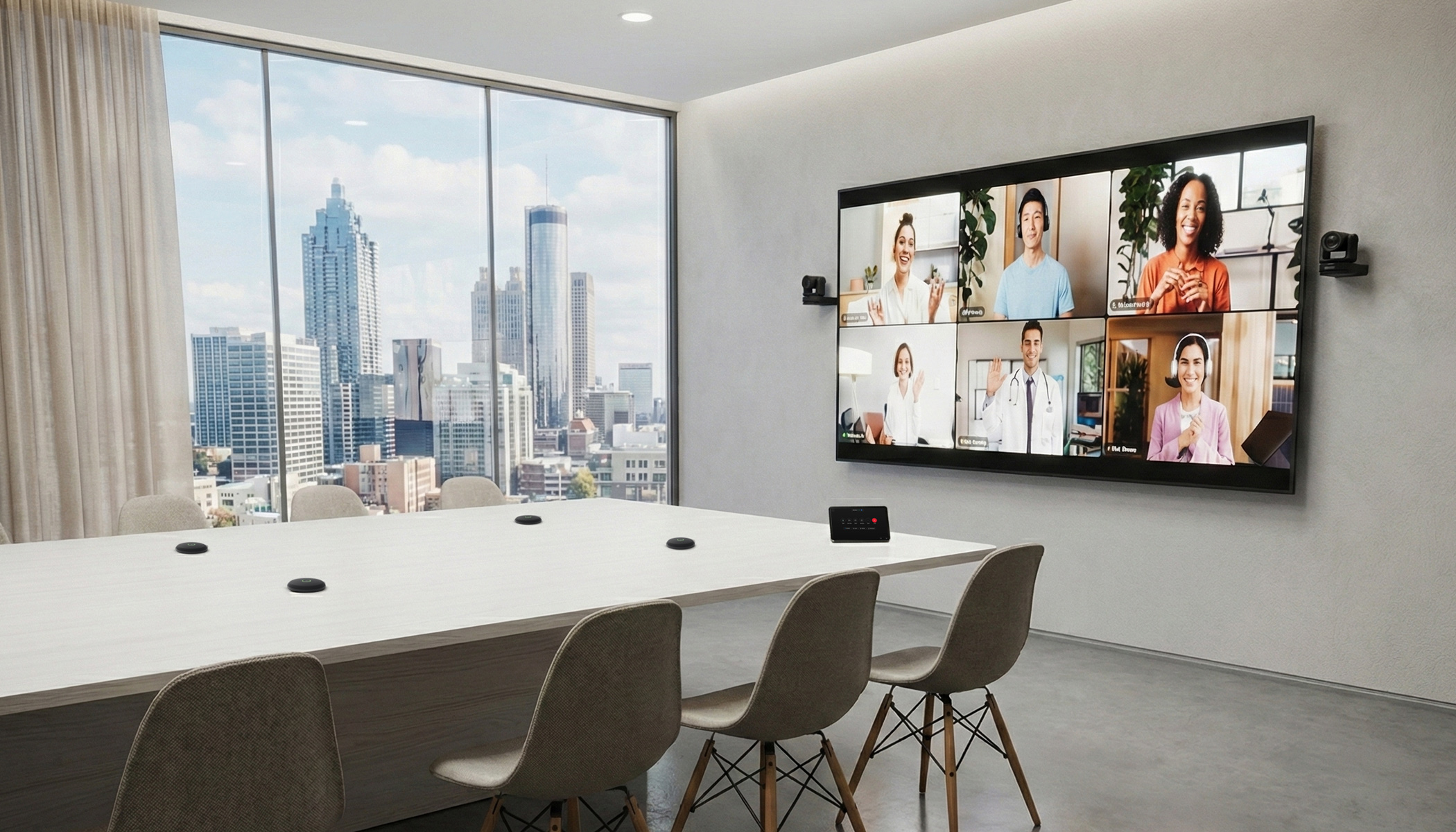
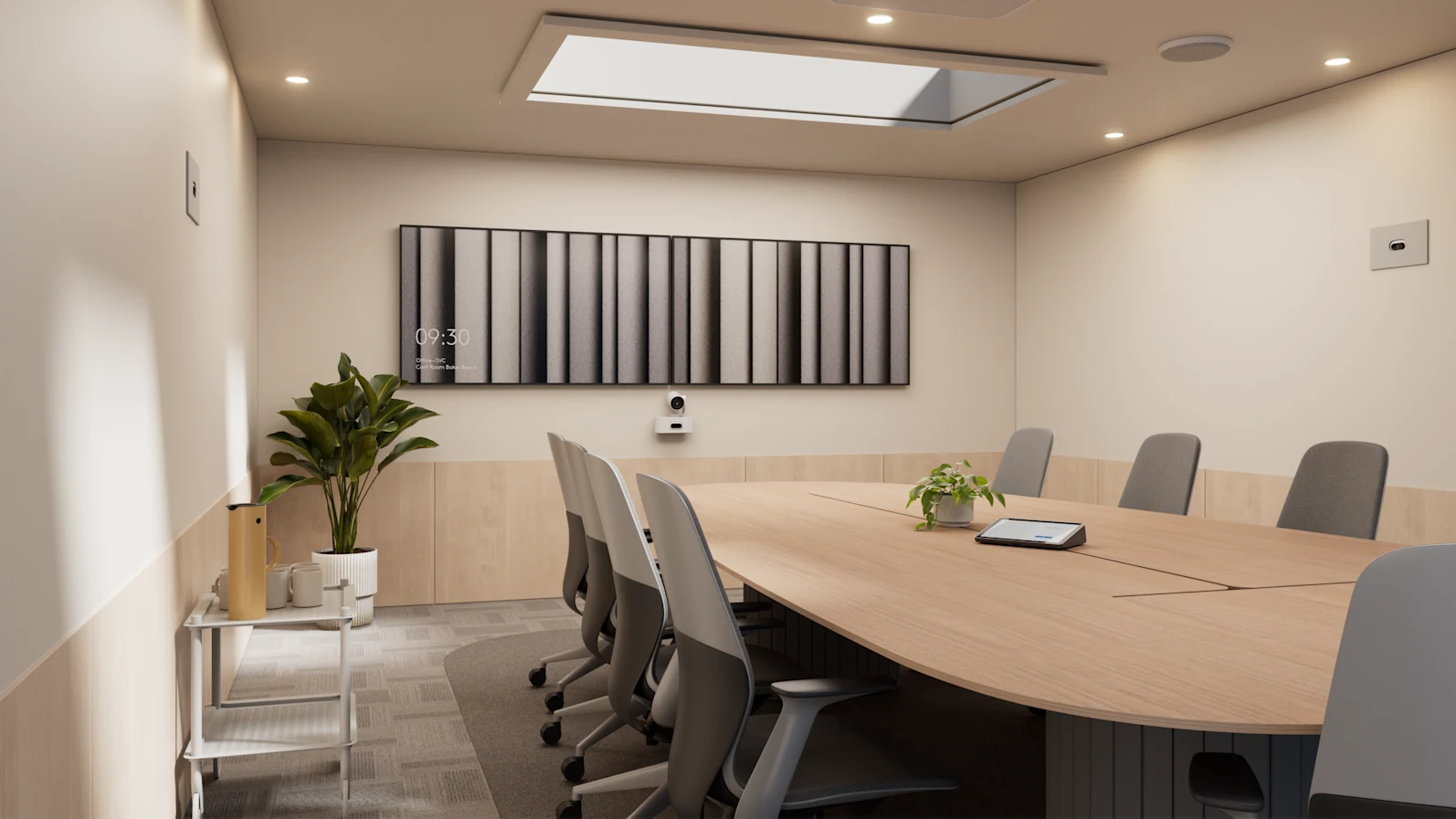
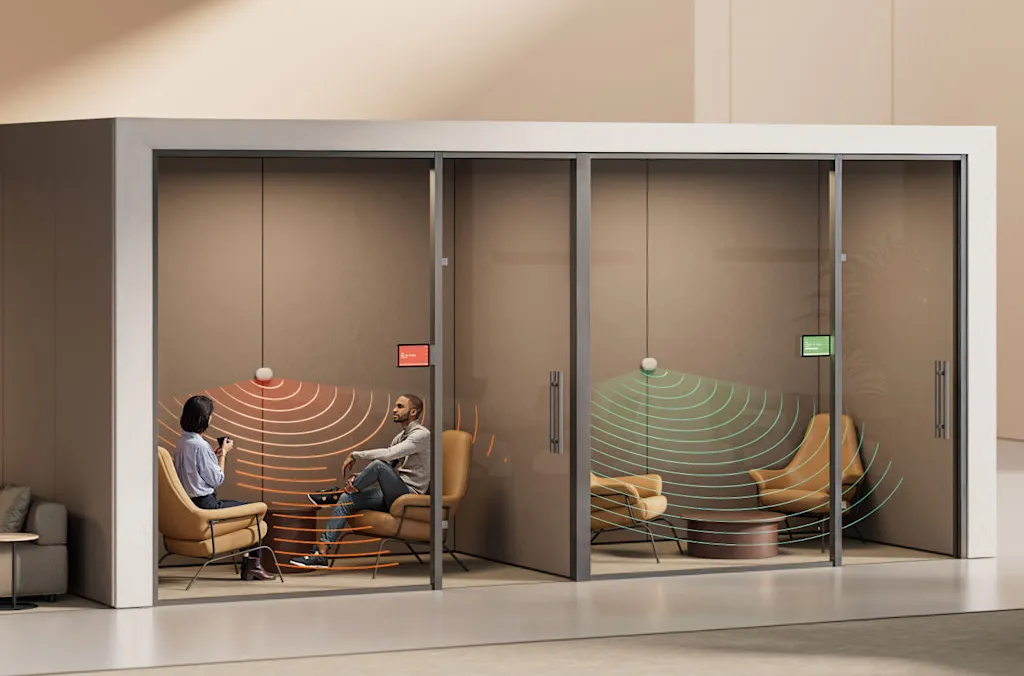
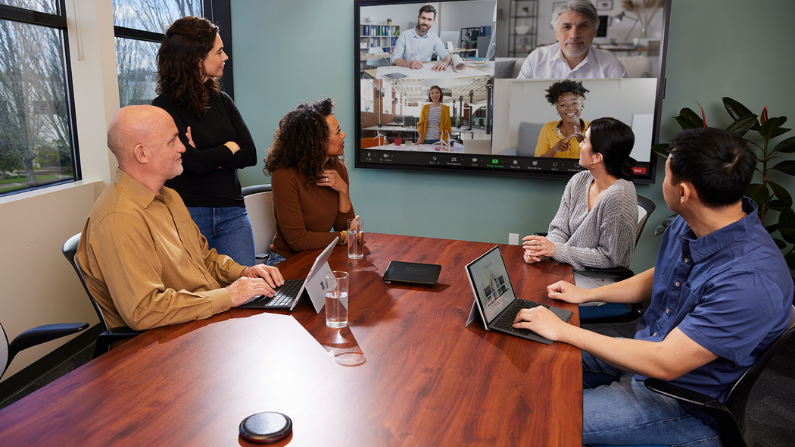
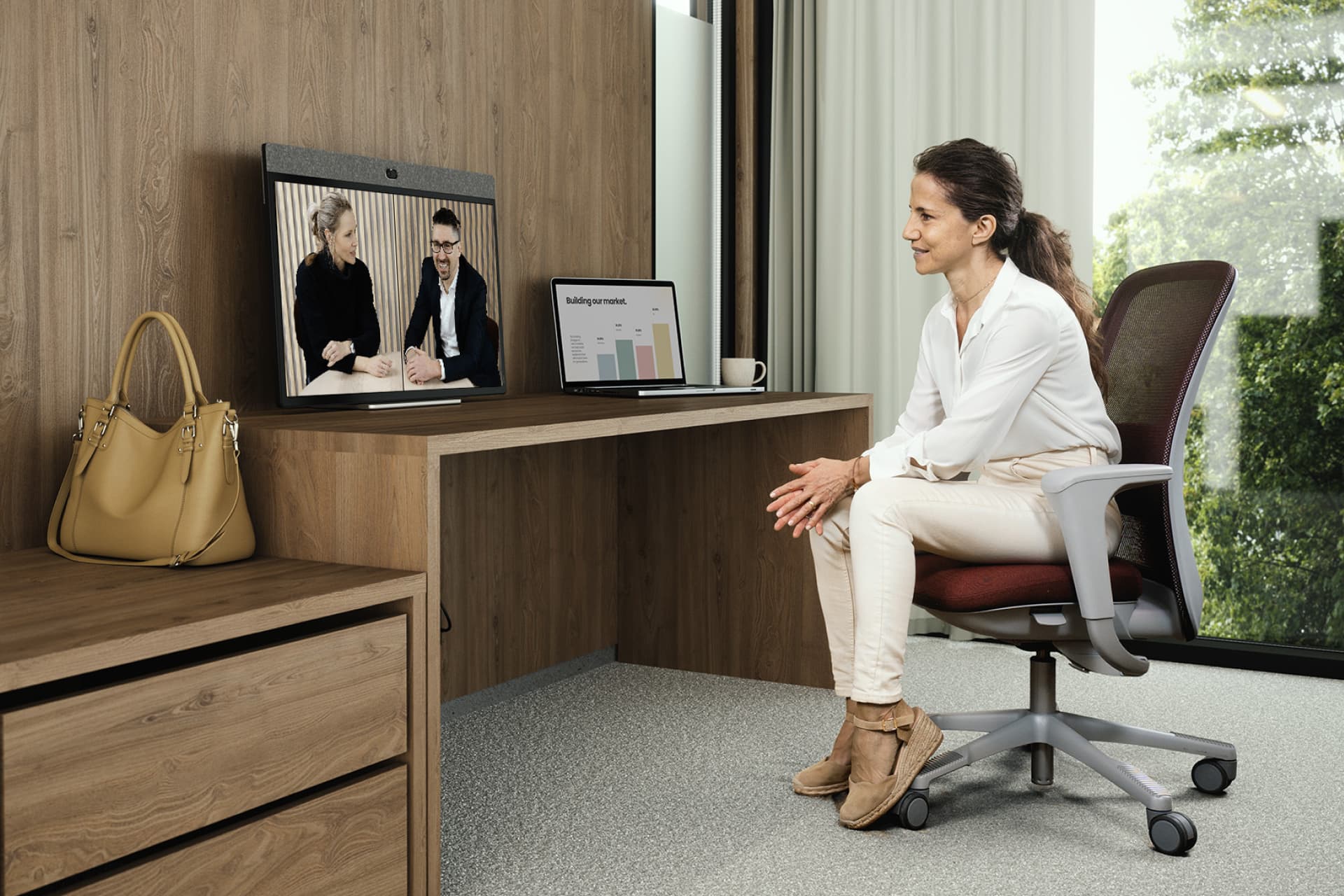
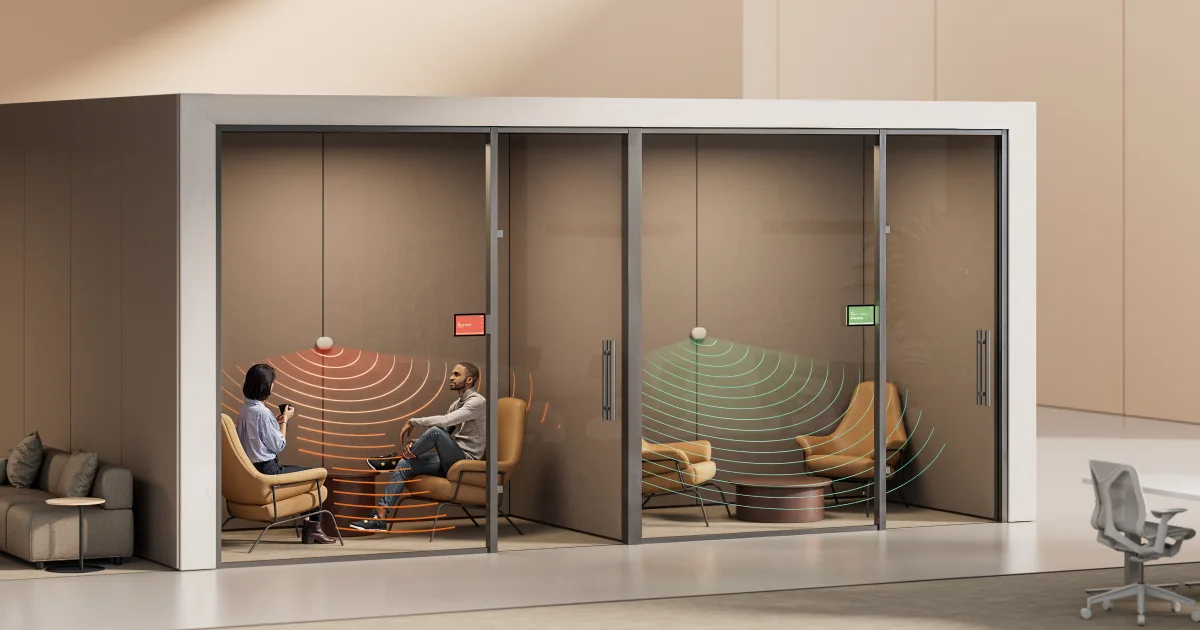
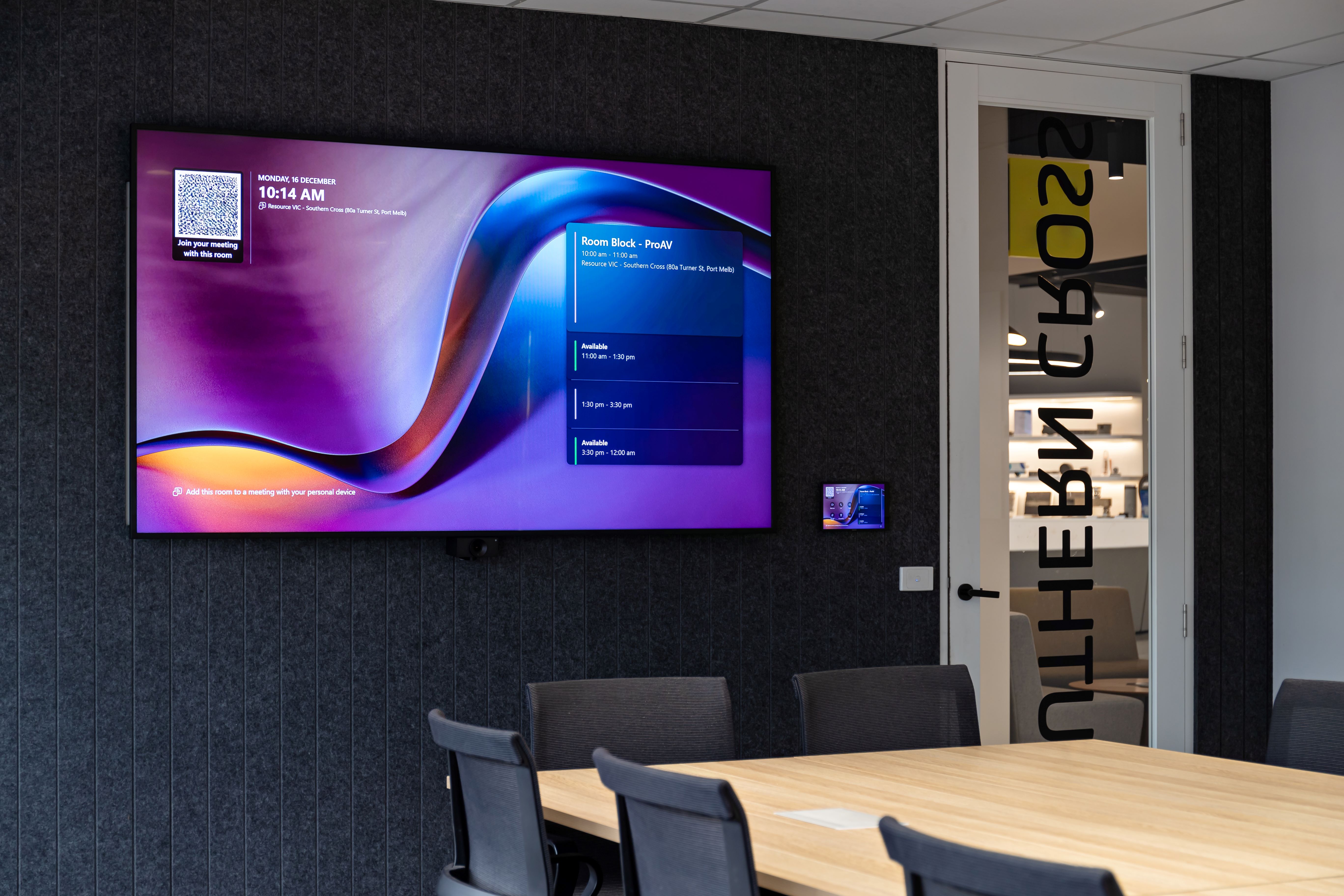
Many organisations already have technology inside collaboration spaces that can support better decisions. Microsoft Teams Rooms environments can help teams understand room health and meeting technology performance. Cisco Room devices and Control Hub can contribute workspace and device insight. Logitech Spot can add presence and environmental sensing where room-level usage and comfort data matter. Crestron XiO Cloud can help manage and monitor connected AV devices across the estate.
The point is not to turn every workplace into a data project. The point is to use available information to make better decisions. If a room has low utilisation, the answer may be better adoption, a different room standard, a layout change or repurposing. If a room has recurring support issues, the answer may sit in documentation, training, platform management or equipment lifecycle.
Data helps teams move from opinion to evidence.
Lifecycle planning reduces waste
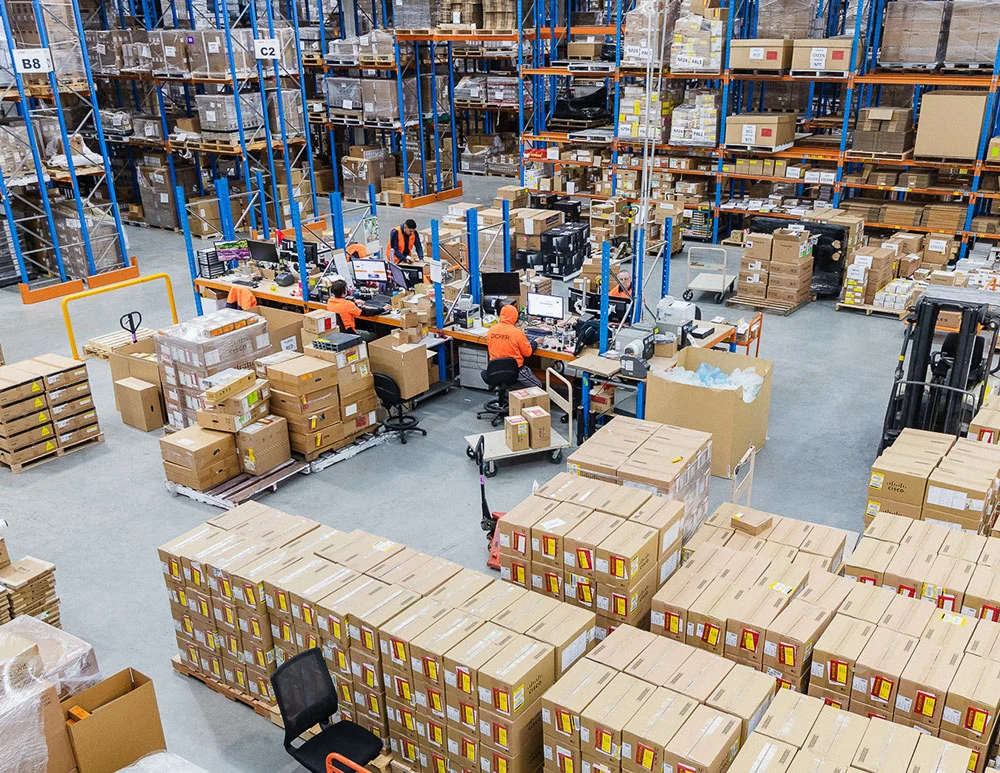
Workplace technology often becomes inefficient when organisations lose track of the estate. Rooms are added over time. Devices age at different speeds. Platforms change. Standards drift. Support teams inherit systems they did not design.
A lifecycle plan helps bring order to that estate. It should include asset records, room standards, warranty status, software and firmware support, monitoring capability, refresh timing and reuse options.
This becomes more important across national organisations. A single inconsistent room may be manageable. Dozens of inconsistent rooms across several states create support complexity, user confusion and avoidable cost.
Lifecycle planning also supports sustainability because it reduces panic replacements. It gives organisations time to assess whether equipment should be reused, upgraded, redeployed or retired.
Adoption belongs in the sustainability conversation
A room that people avoid will never deliver its intended value. That makes adoption a practical sustainability issue.
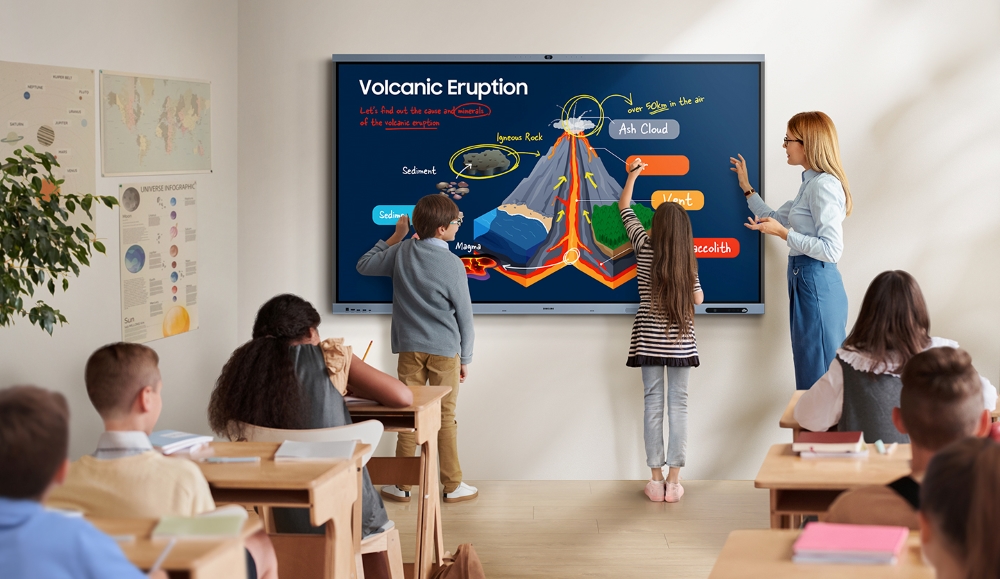
Good adoption does not require overcomplicated training. It usually comes from consistency, simple controls, clear room purpose, reliable audio and video, useful signage and support that people know how to access.
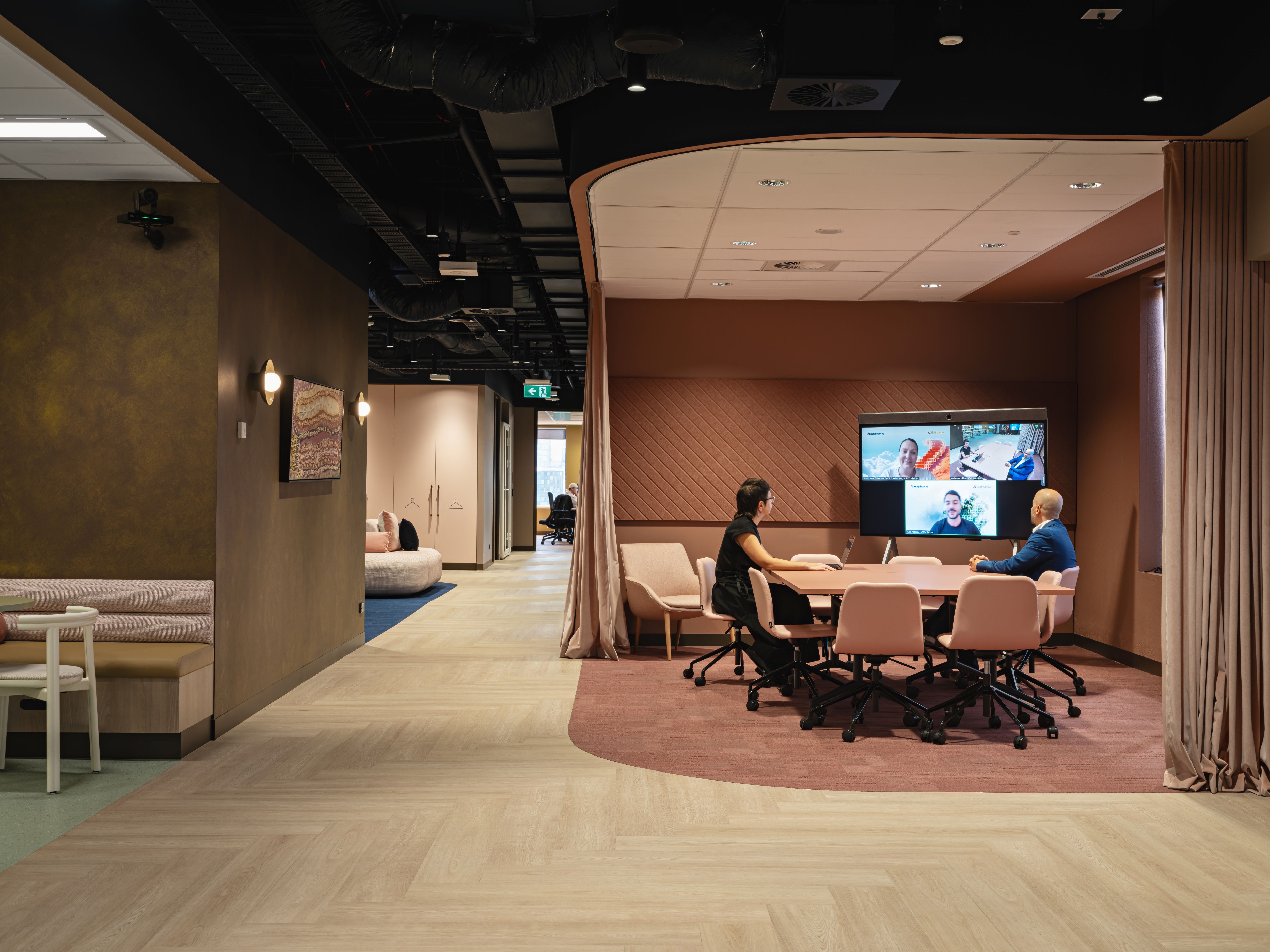
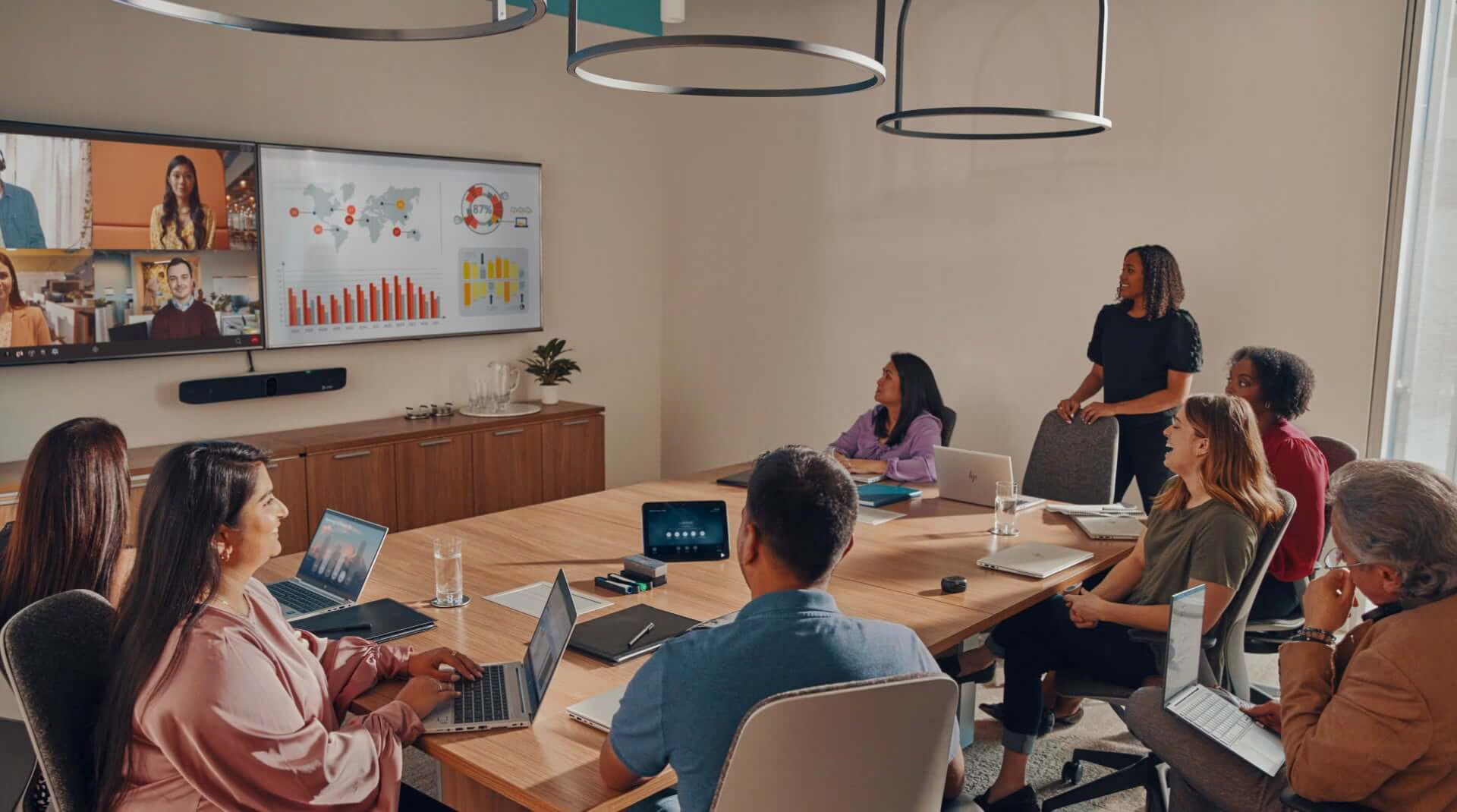
A user should not need to understand the technology stack to run a meeting. Whether the room uses Microsoft Teams Rooms, Cisco collaboration technology, Logitech devices, room sensors or a control system, the experience should feel straightforward.
When adoption improves, rooms get used more appropriately. Organisations gain more value from existing spaces and reduce pressure to overbuild.
Standards and management keep technology useful
Sustainable workplace technology depends on standards and management. Standards give teams a consistent way to design, procure, support and refresh rooms. Management gives teams the visibility to understand how the estate performs.
This includes naming conventions, asset records, support workflows, monitoring tools, signage governance, platform ownership and regular review between IT, facilities and workplace teams.
Managed services and AV support models can support this by helping organisations maintain visibility, consistency and lifecycle confidence. The focus should be long-term performance, not simply responding when something breaks.
For organisations reviewing workplace technology, the opportunity is to look beyond individual rooms and consider how AV decisions affect building performance, utilisation and long-term value.


.jpg)
.jpg)






.png)






.jpeg)




.avif)




.jpeg)


.webp)