ACRNA Conference Sets National Direction on Control Room Resilience and Emergency Authority
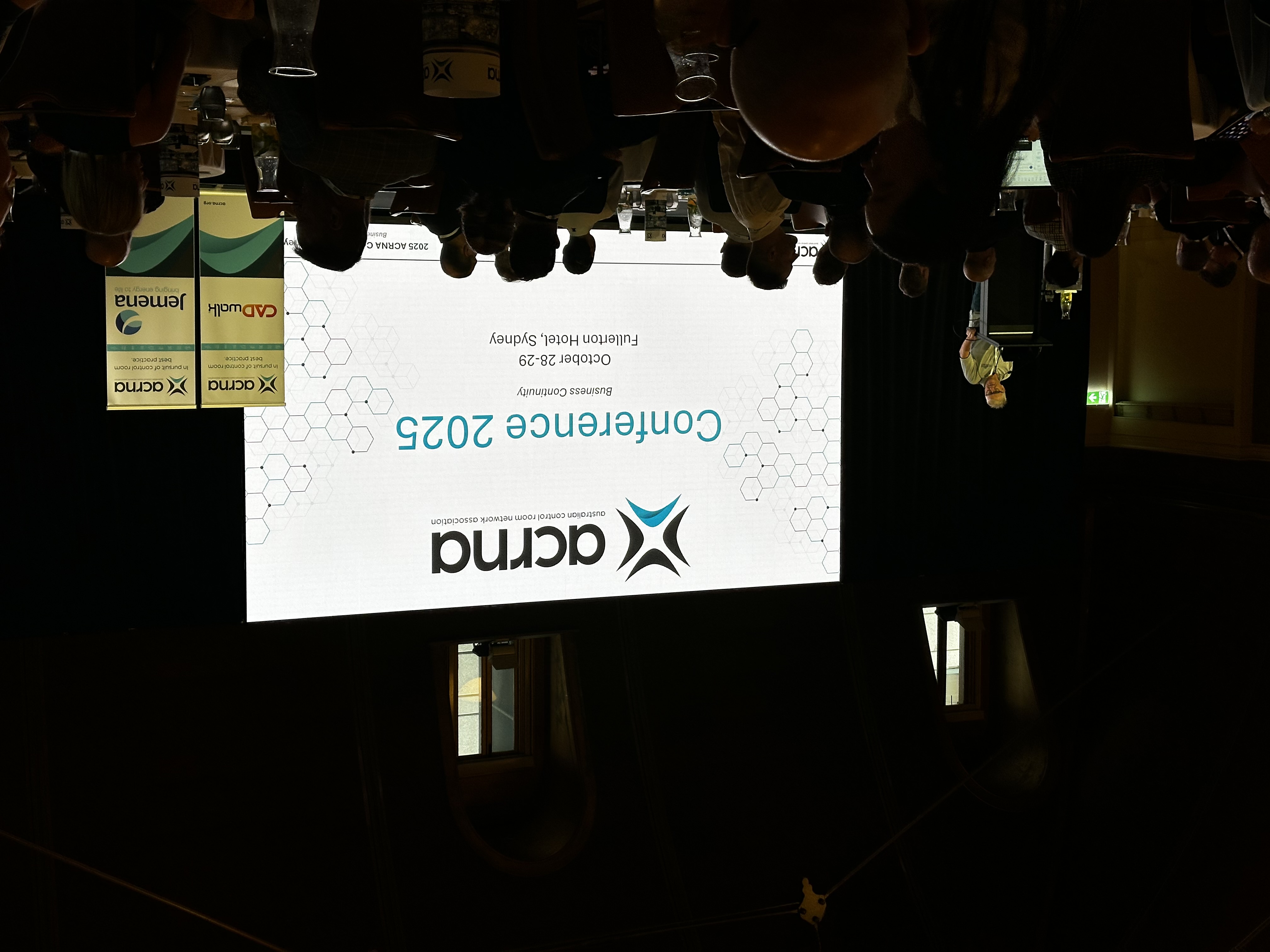
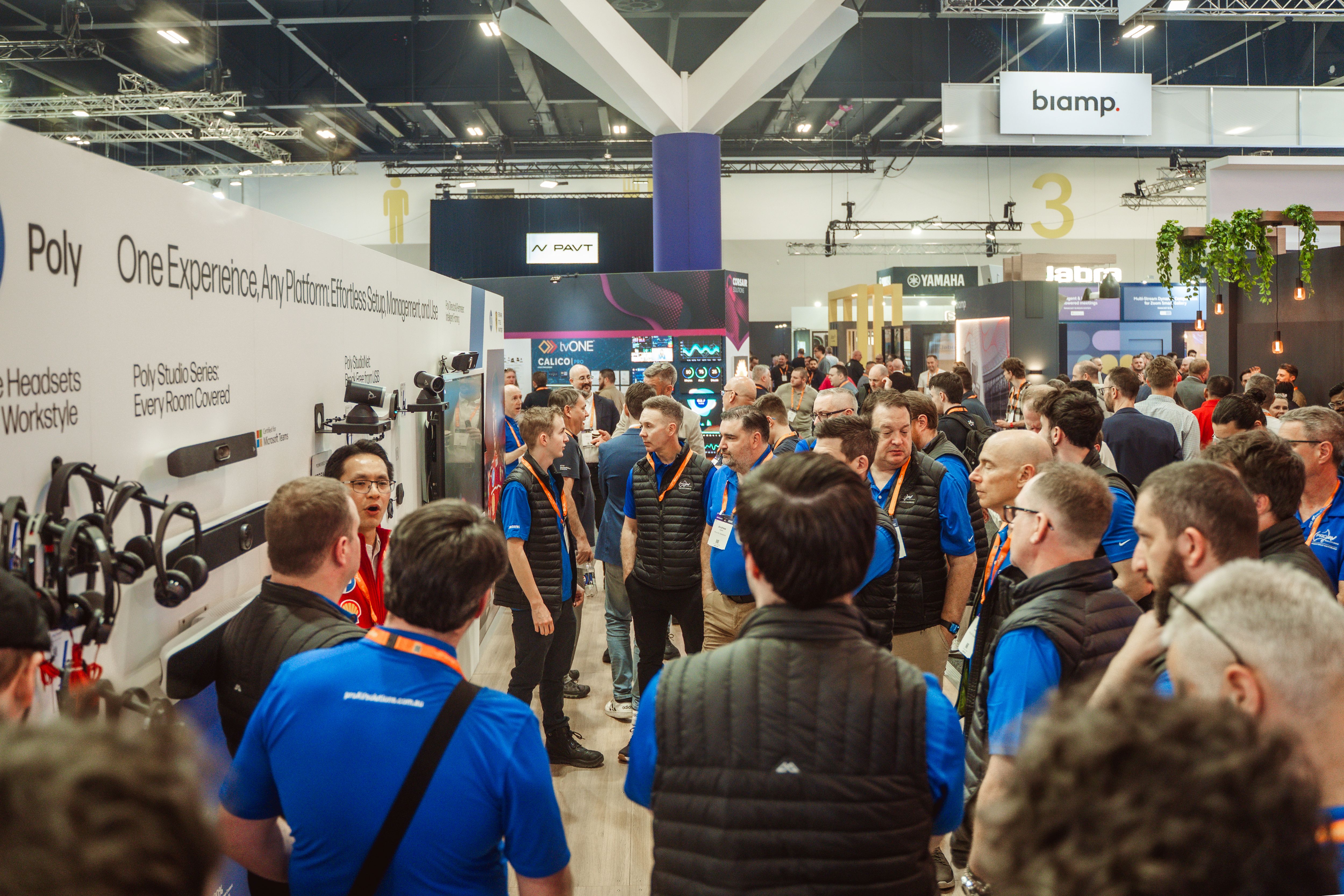
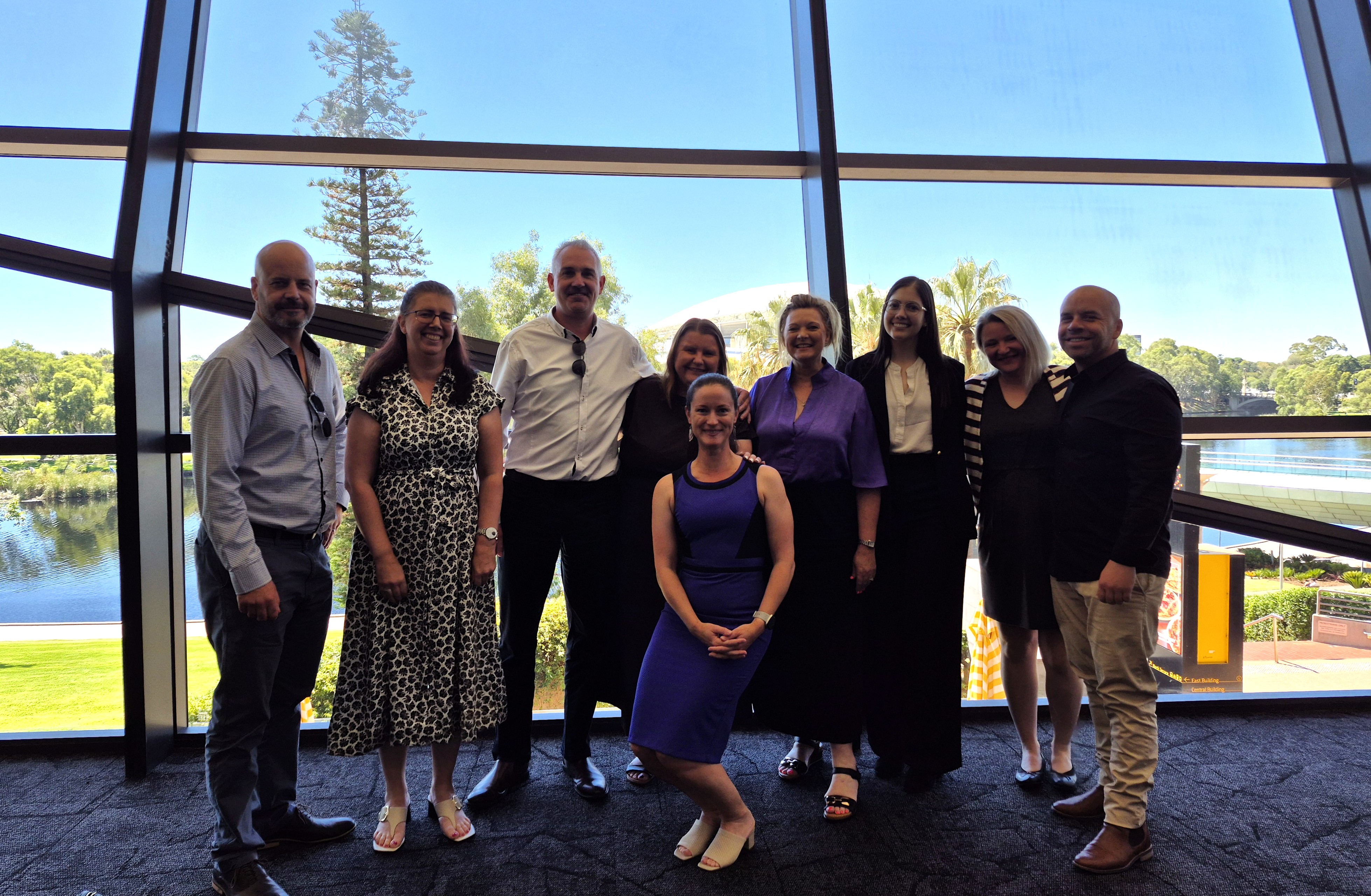
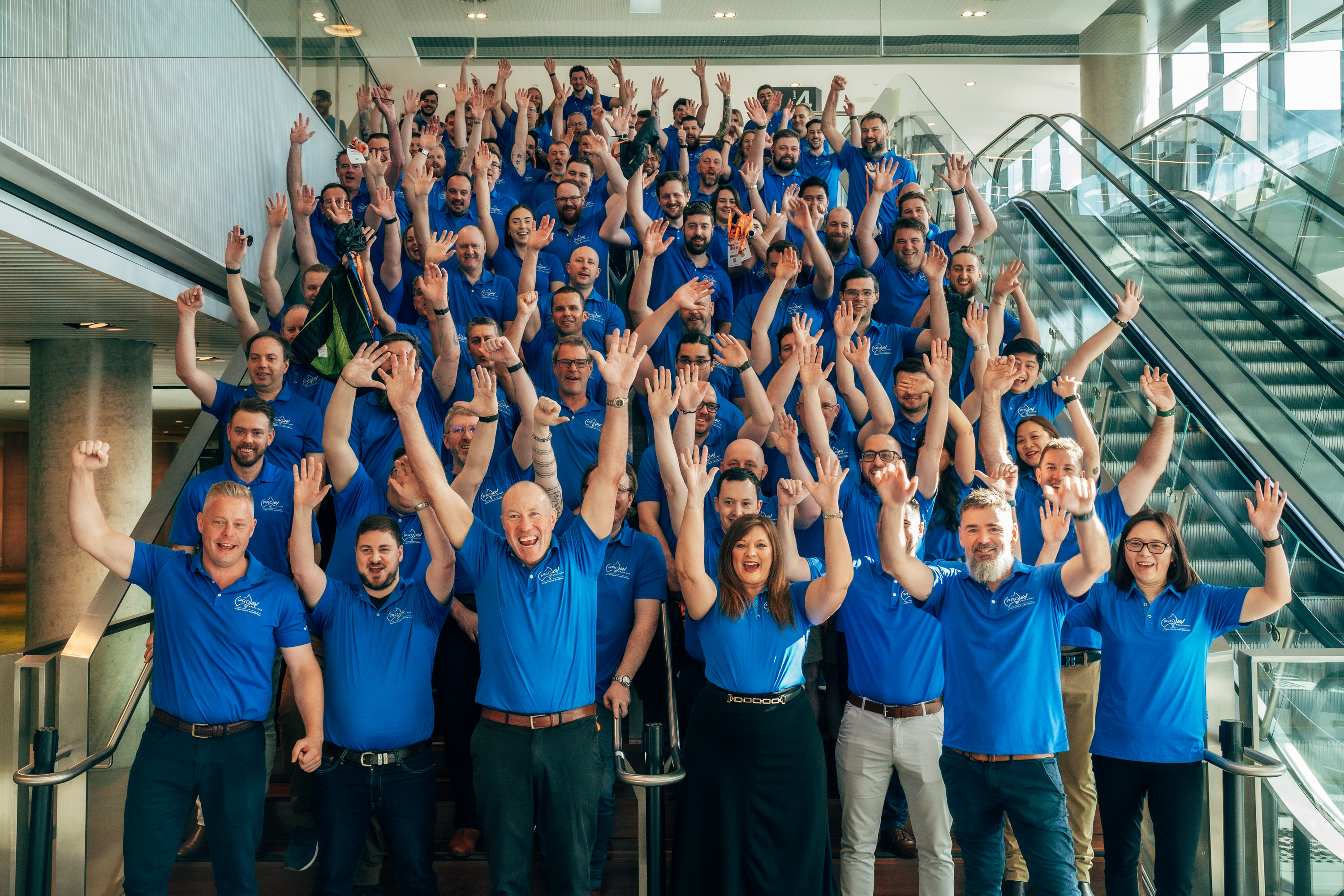
Pro AV Solutions attended the 2025 ACRNA Conference as a proud member of the Australian Control Room Network Association, joining operators, utilities, transport authorities and technology partners to examine the changing role of control environments and the people who run them.
The 2025 ACRNA Conference concluded with a consistent thread across emergency, utilities, transport and network operators. Control environments must reduce cognitive overload and prioritise what operators see, not simply expand what can be displayed. The discussion placed AV infrastructure within that requirement, not as presentation technology but as part of the command environment.
Human factors set the operational design tone
Delegates confirmed that decision fatigue and information strain are now recognised as active operational risks. Control spaces carry significant invisible cognitive load and require environments that help operators interpret information rather than simply view it. The AV layer therefore becomes a mechanism for filtering and sequencing visual data so that critical information is distinguishable from background context.
Lighting identified as an alertness determinant
Lighting research presented at the conference positioned illumination as a response variable, not an aesthetic condition. Post-lunch alertness dips, migraine triggers and melatonin suppression were all linked to lighting profiles rather than workload. AV system planning, display brightness and room lighting now sit inside the same operational decision framework.
Alarm priority over alarm quantity
Alarm specialists emphasised that increased alerts elevate operator load and slow prioritisation rather than improve situational awareness. Fidelity and hierarchy - urgent, moderate, minor and low - were identified as key distinctions for critical environments. For visual command layouts, this positions screen zoning and colour hierarchy as part of incident clarity, not interface styling.
Continuity framed as design, not recovery
Continuity and blackout discussions highlighted the need to plan for events beyond design thresholds and to ensure backup operational capability is functional and ready, not theoretical. This extends to AV servicing, routing access and display repairability, confirming that visibility during disruption is as crucial as visibility during normal operation.
Implications for control room leaders reviewing AV systems
Visual systems must now contribute directly to response accuracy, alertness and restoration speed. The conference findings indicate that AV will be assessed on:
- Information hierarchy over screen volume
What is elevated must be intentional, not accidental.
- Lighting integration with visual load
Alertness and legibility must be engineered together.
- Serviceability as resilience
Visual command must be restorable quickly, not only configurable.
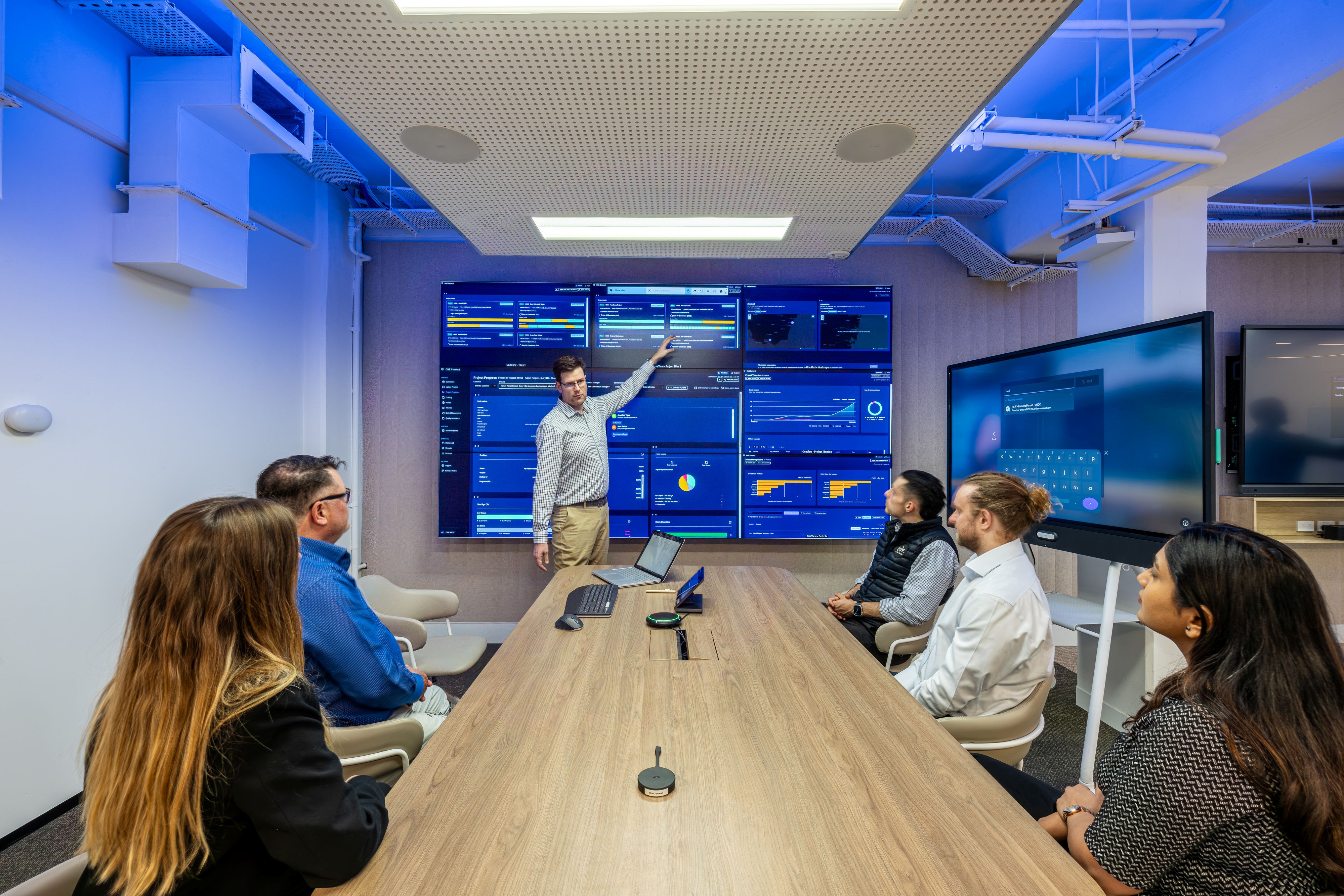
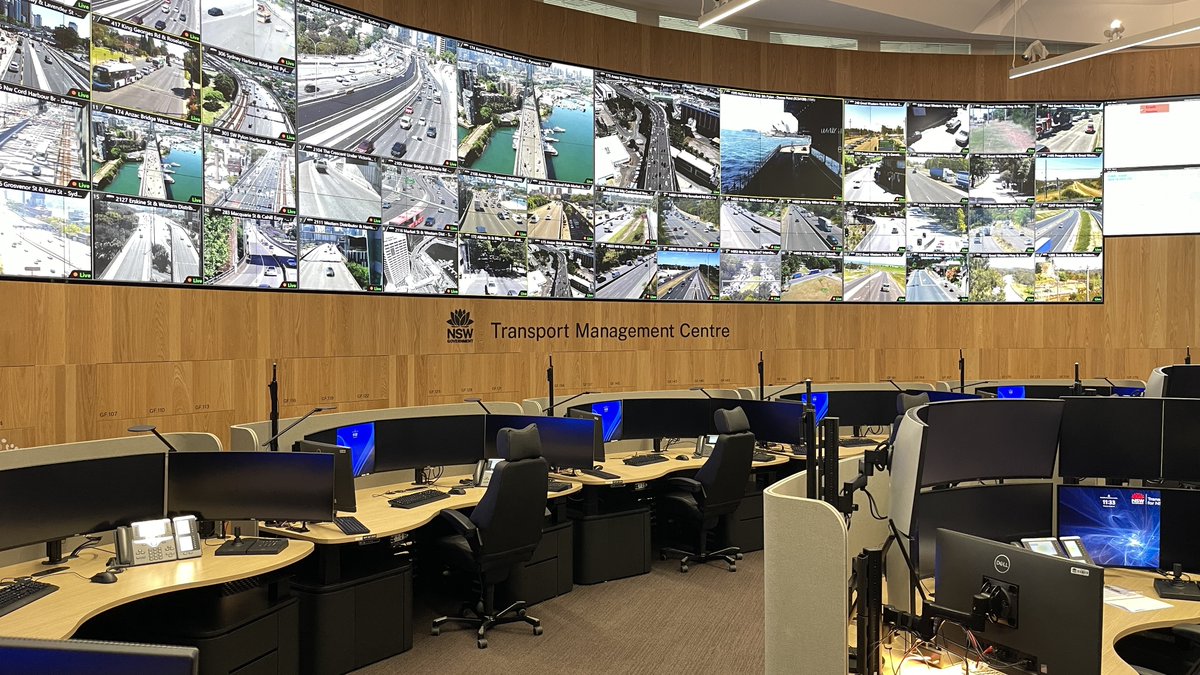
- Alarm clarity reflected in the video wall
Priority coding must be visible at a glance, not decoded under pressure.
- Training continuity
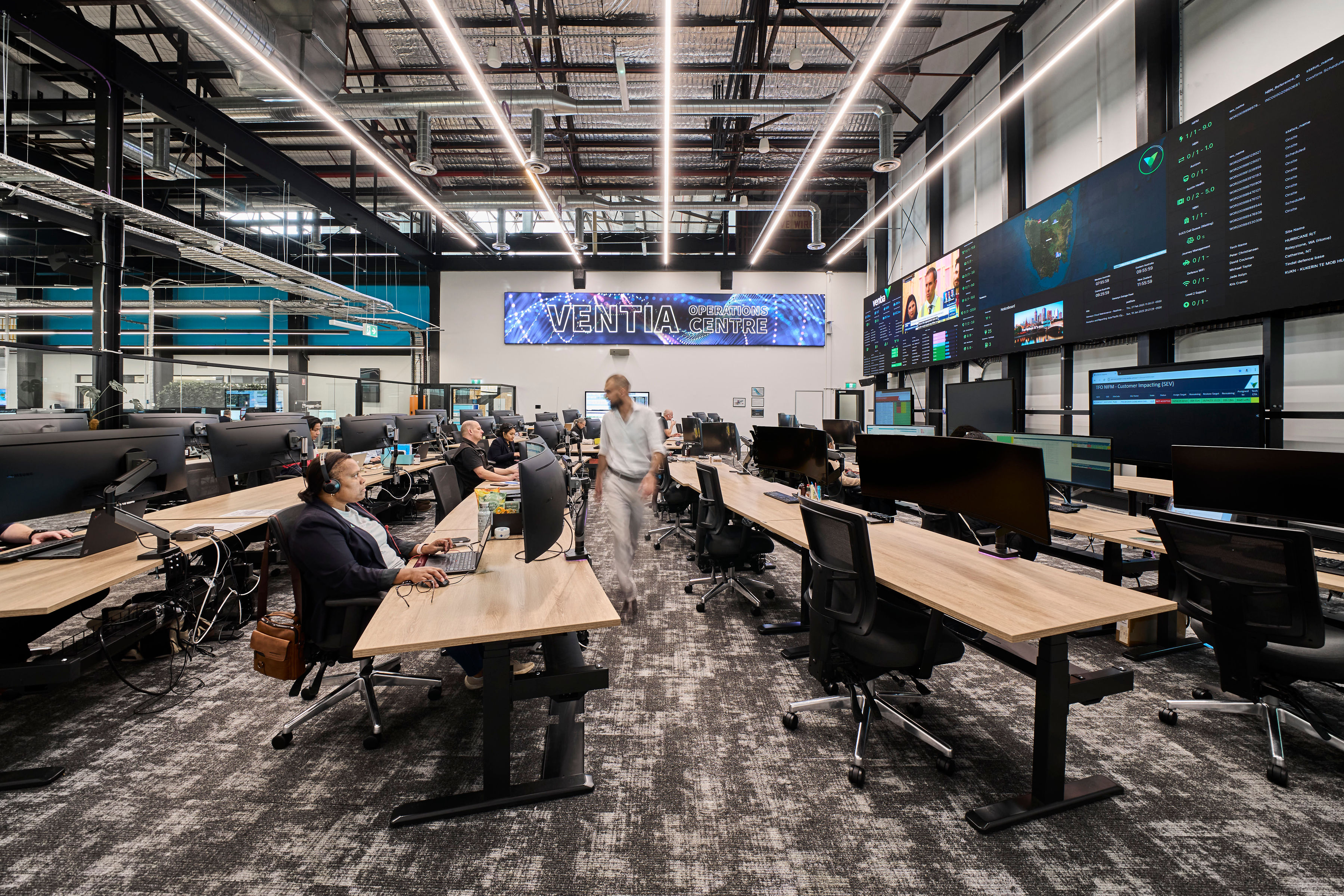
AV environments should allow operators to rehearse away from live floors, reducing risk while increasing readiness.
Positioning for the year ahead
The ACRNA Conference made clear that control rooms are cognitive environments first and technology environments second. AV decisions now shape not only what operators see, but how quickly they recognise escalation, how long they maintain focus and how clearly they can restore command after interruption.
Pro AV Solutions will continue to support agencies by aligning visual systems to these operational priorities - clarity, hierarchy, serviceability and continuity - ensuring the AV layer strengthens decision-making in the moments it matters most.



.jpg)
.jpg)







.png)















.jpeg)






.avif)




.jpeg)


.webp)