Multi-Site AV Delivery: How to Keep Workplace Technology Consistent Across Locations

Managing AV across several locations is different from delivering one meeting room, boardroom or training space.
Once an organisation has multiple offices, campuses or operational sites, the same questions start appearing again:
- Should every site follow the same technology standard?
- How much variation should be allowed?
- Who approves changes?
- How will IT support the rooms after handover?
- How will users know what to expect from one room to the next?
- How will future upgrades be managed?
If these questions are not answered early, each location can start making its own decisions.
That can lead to different room setups, different user interfaces, different support processes and different expectations across the business.
For organisations with national or international operations, this becomes difficult to manage over time.
What is multi-site AV delivery?
Multi-site AV delivery is the planning, design, installation and support of audiovisual and workplace technology systems across more than one location.
This can include:
- corporate offices
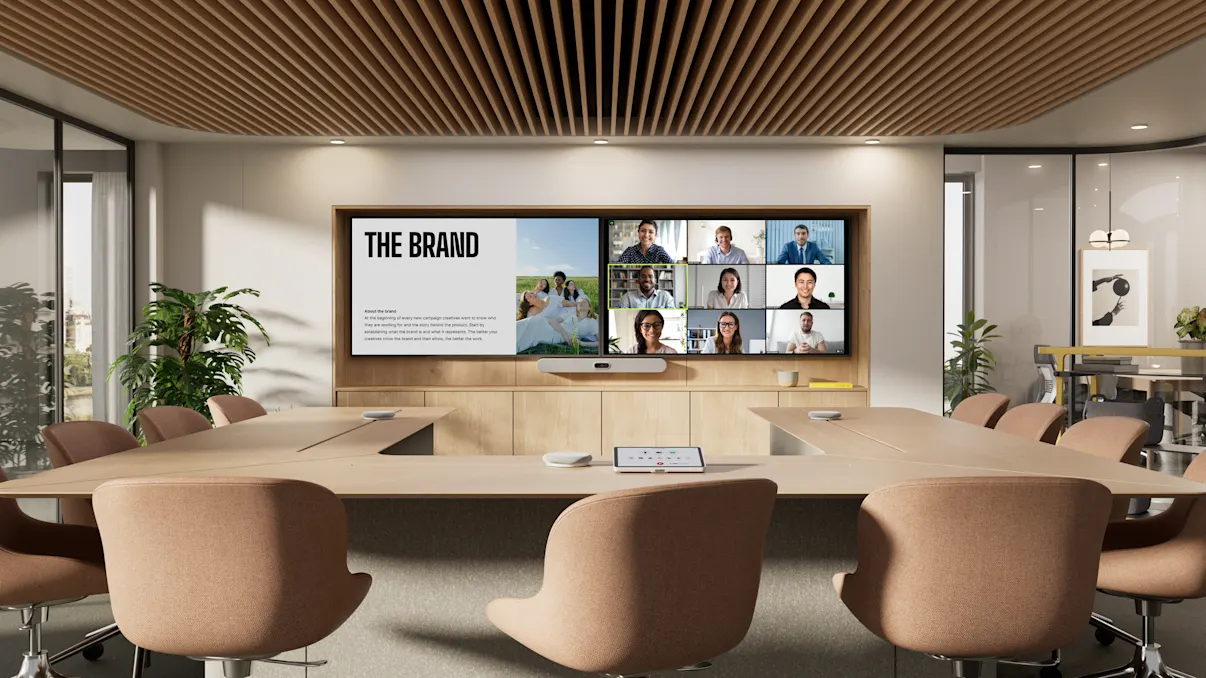
- meeting rooms
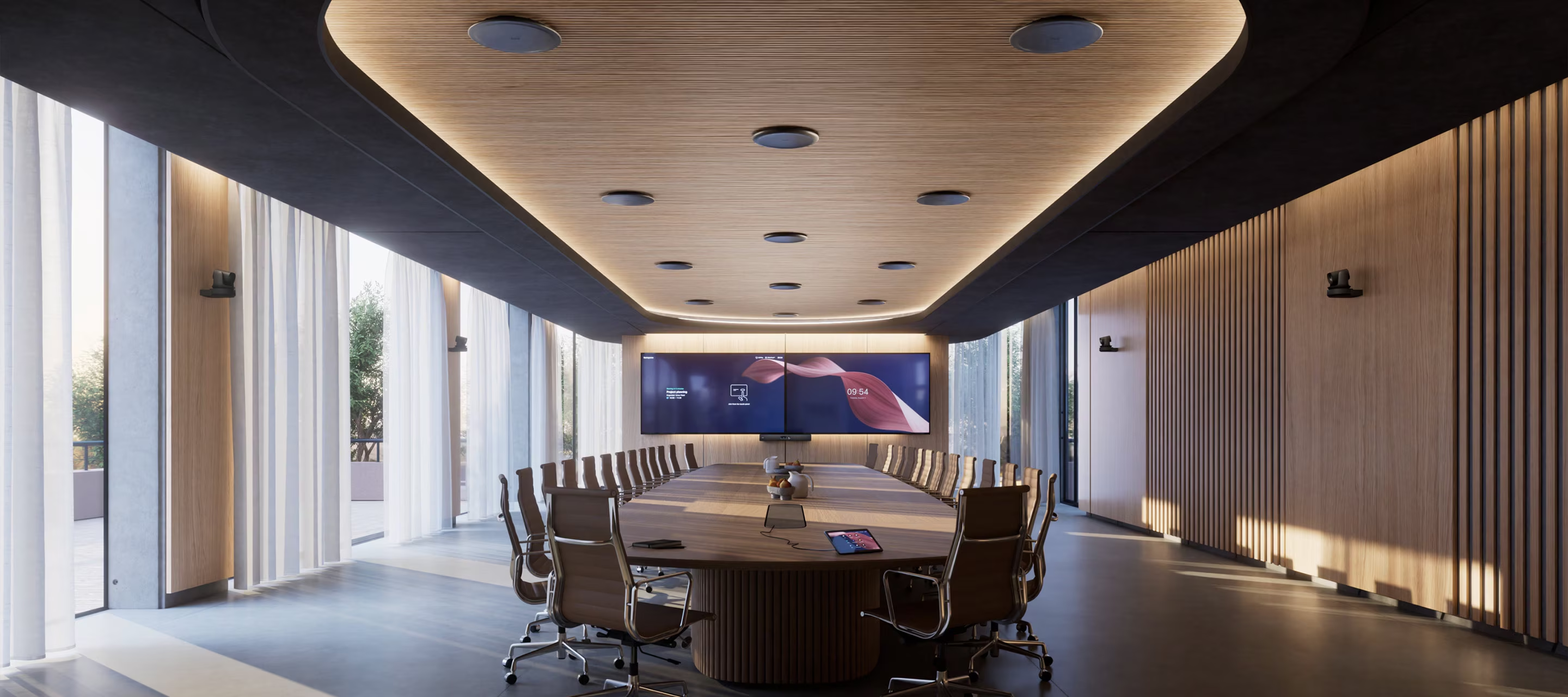
- boardrooms
- training rooms
- university campuses
- government facilities
- healthcare environments
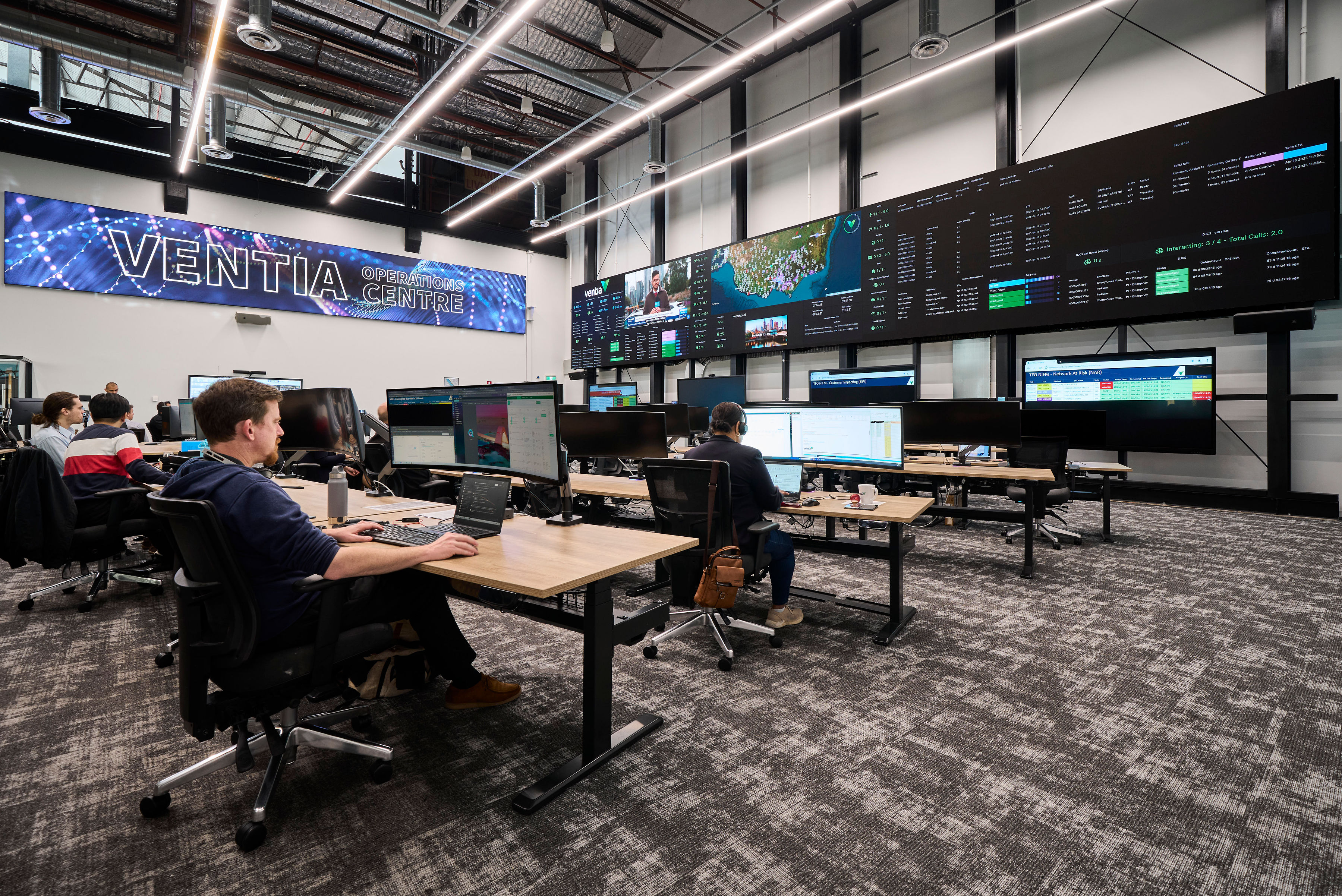
- control rooms
- venues and stadiums
- regional offices
- national property portfolios
For many organisations, multi-site AV delivery is part of a wider enterprise AV rollout. The aim is to create a consistent approach to technology, delivery and support across locations.
That does not mean every room needs to be the same. It means each type of space should have a clear standard, with enough flexibility to suit local conditions.
Why workplace technology standards matter
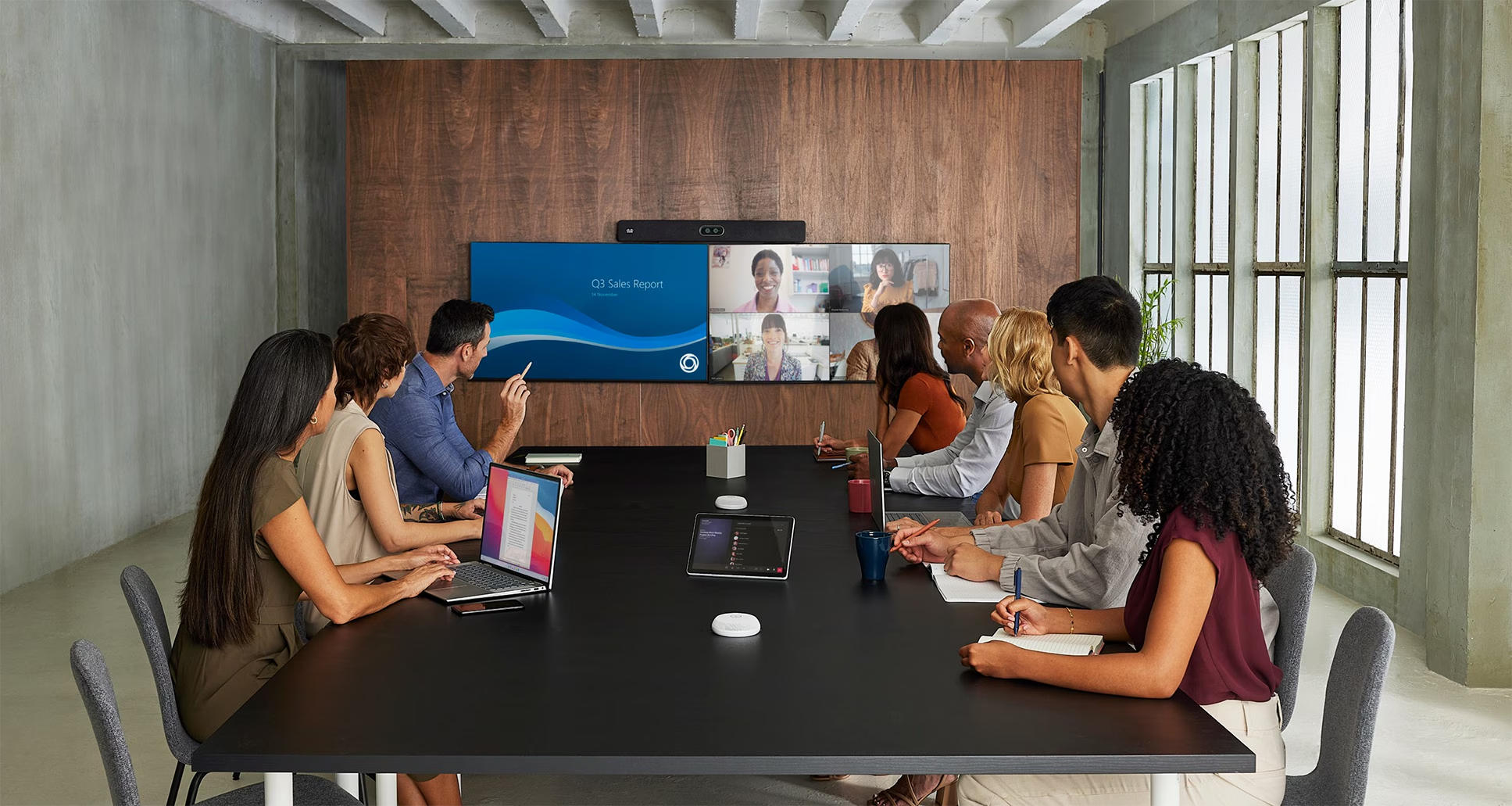
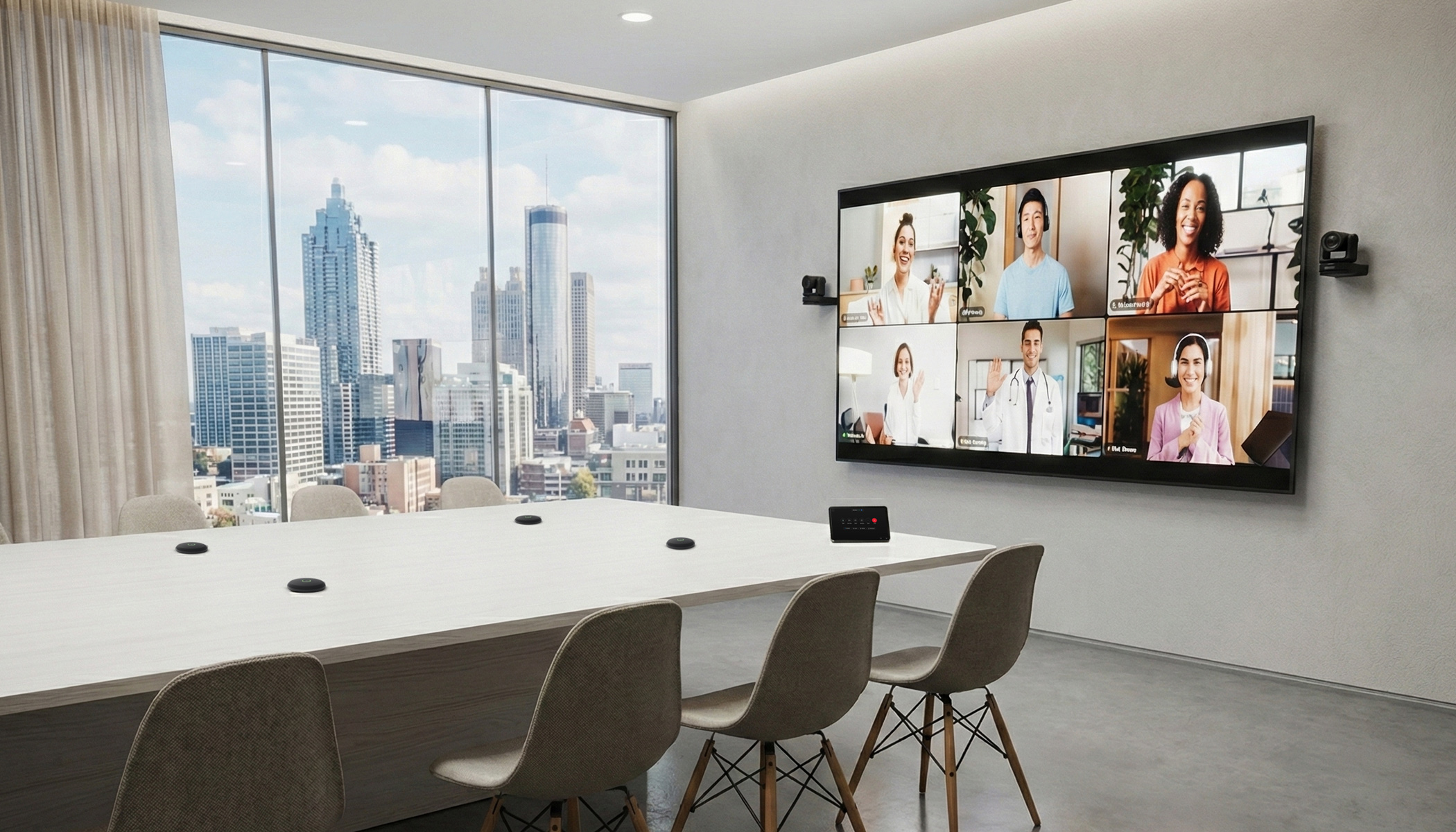
Workplace technology standards help organisations keep meeting rooms, collaboration spaces and AV environments consistent across locations.
For users, this means they do not need to relearn the room every time they move between offices or floors. For IT teams, it means fewer unknown systems to support, whereas for workplace and facilities teams, it means room performance is easier to monitor and maintain.
This is why workplace technology standards for Australian organisations are important, especially for businesses operating across multiple states, regions or campuses.
Common issues in multi-site AV environments
Multi-site AV environments often become difficult when each location is treated separately.
Common issues include:
- different room types being designed without a common standard
- inconsistent control interfaces
- different video conferencing platforms or devices
- different audio and camera performance between rooms
- unclear handover documentation
- local changes that are not recorded centrally
- multiple support pathways
- different maintenance routines
- limited visibility across the wider environment
These issues usually build up over time when there is no clear governance around standards, delivery and support.
This is where AV standardisation and meeting room standardisation become useful. They give the organisation a clearer way to manage room design, user experience, support and future changes across locations.
What organisations should define before a multi-site AV rollout
Before starting a multi-site AV programme, organisations should define several practical areas.
1. Room types
Each room type should have a clear purpose.
For example:
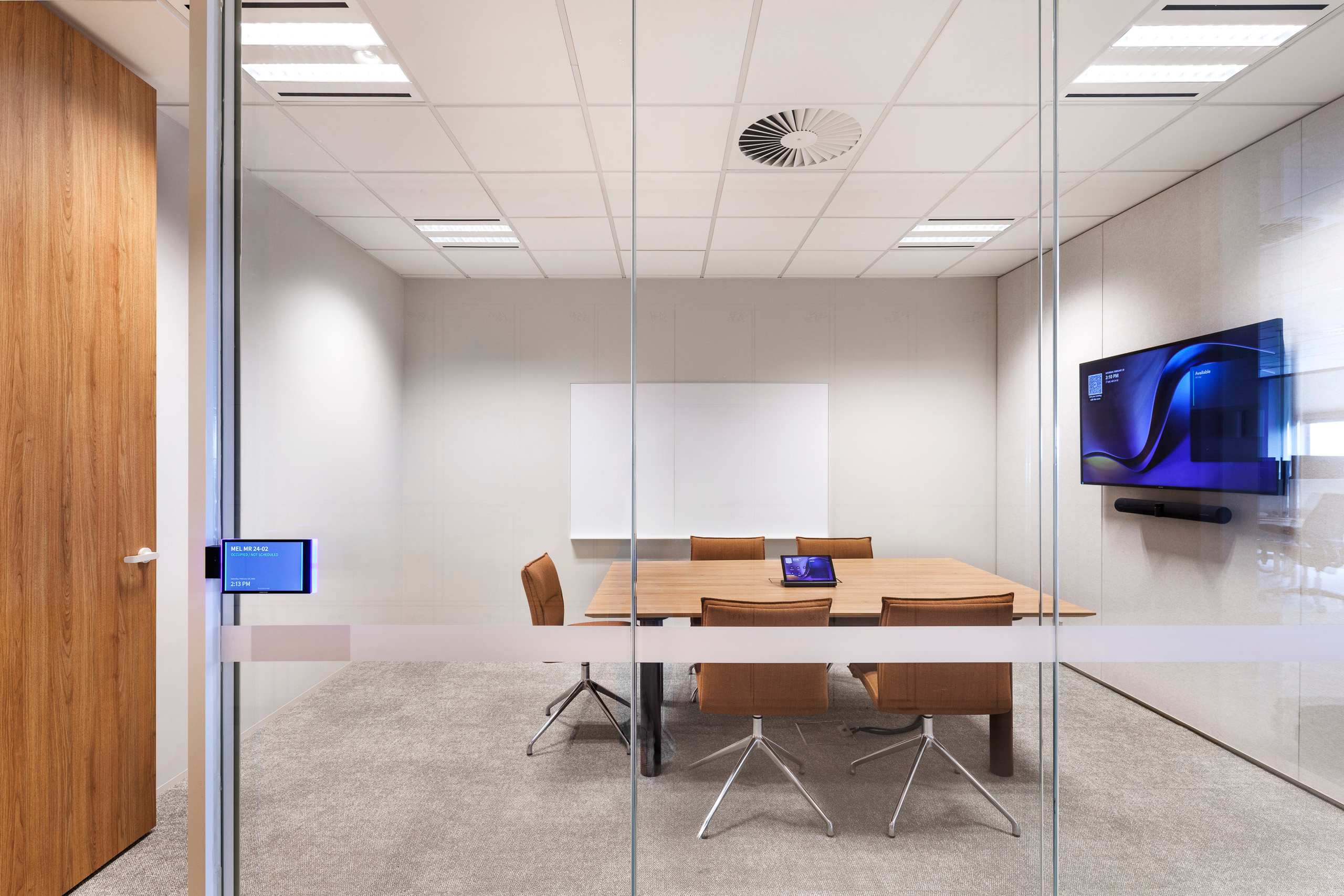
- small meeting room
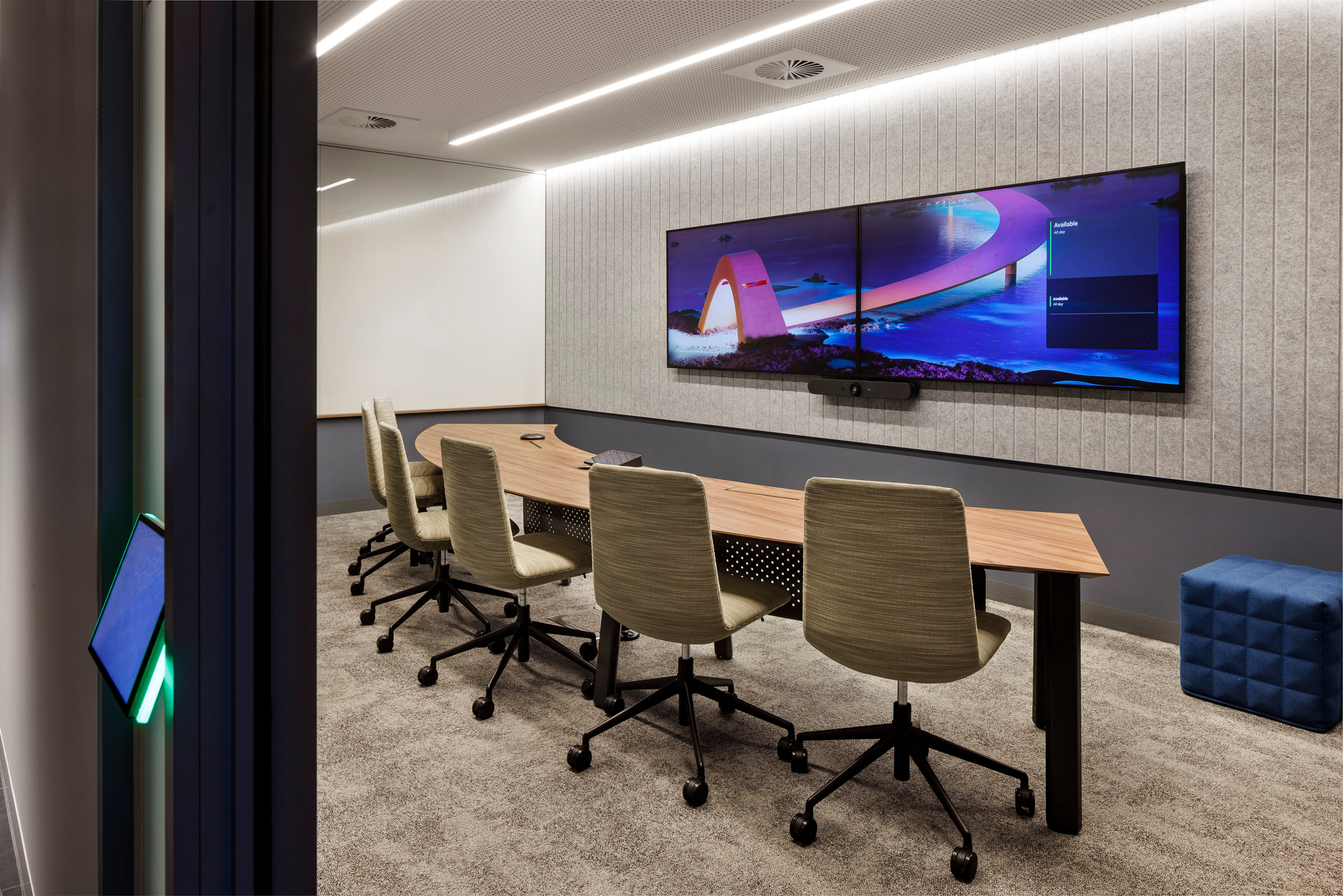
- medium meeting room
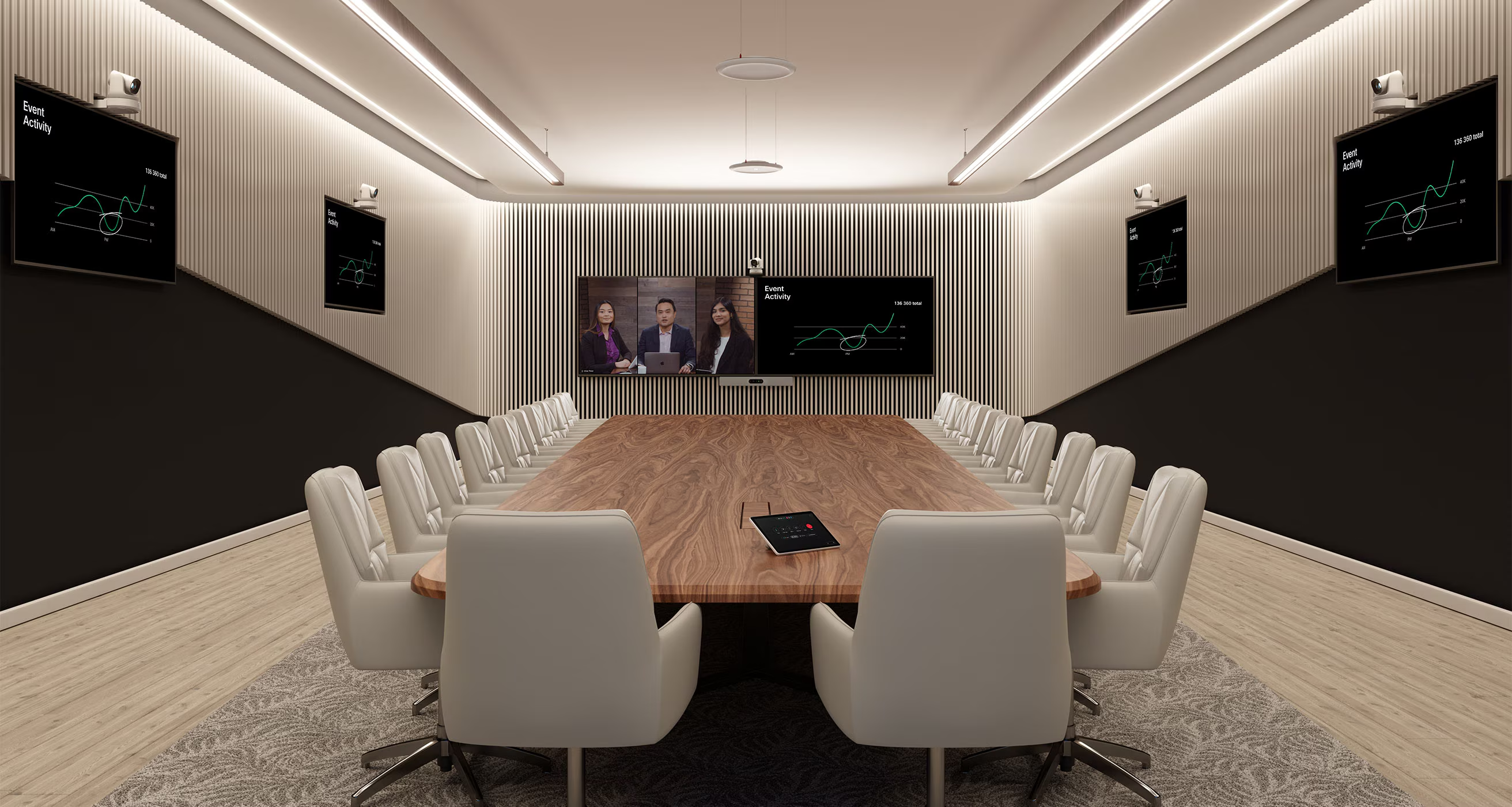
- large meeting room
- executive boardroom
- training room
- town hall space
- collaboration area
Each room type should have a defined technology standard that reflects how the space will be used.
This helps avoid over-specifying simple rooms or under-specifying important spaces.
2. Technology standards
Technology standards should explain what equipment, platforms and design principles are approved for each room type.
This may include:
- displays
- cameras
- microphones
- speakers
- control interfaces
- room booking systems
- video conferencing platforms
- cabling and infrastructure
- accessibility requirements
- network and security requirements
The standard should be clear enough for delivery teams to follow, but flexible enough to deal with local site conditions.
For a multi-site workplace technology programme, this is where good planning can reduce variation before it becomes harder to manage.
3. User experience standards
A multi-site AV rollout should also define how the room should work for users.
This includes:
- how people start a meeting
- how they join a video call
- how they share content
- how they adjust audio or video
- how they ask for support
- what should be consistent between rooms
This matters because users usually judge the room by how easy it is to use, not by the equipment installed.
4. Delivery governance
Delivery governance helps keep each site aligned to the agreed standard.
This may include:
- design reviews
- approved product lists
- project reporting
- site variation approvals
- commissioning standards
- handover requirements
- documentation templates
- escalation processes
Governance does not need to be heavy. It just needs to make sure each site does not move away from the agreed approach without a clear reason.
5. Support model
Support should be planned before the rooms go live.
For a multi-site environment, organisations should define:
- who owns support after handover
- how issues are logged
- what can be supported remotely
- when on-site support is required
- which rooms need priority response
- how preventative maintenance is managed
- how updates are handled
- how recurring issues are reviewed
This is where Managed Services and AV Support becomes important. A support model needs to match the size and complexity of the environment, not just the individual room.
For multi-site organisations, AV support across multiple locations should be planned as part of the rollout, not added after the rooms are already in use.
National delivery capability
For organisations operating across Australia, national delivery capability is important because each location still needs local execution.
A standard may be set centrally, but each site has its own conditions.
These may include:
- building access
- construction timelines
- local contractors
- site restrictions
- room layouts
- stakeholder availability
- regional support requirements
A national AV integrator in Australia needs to manage both sides: the agreed standard and the local delivery conditions.
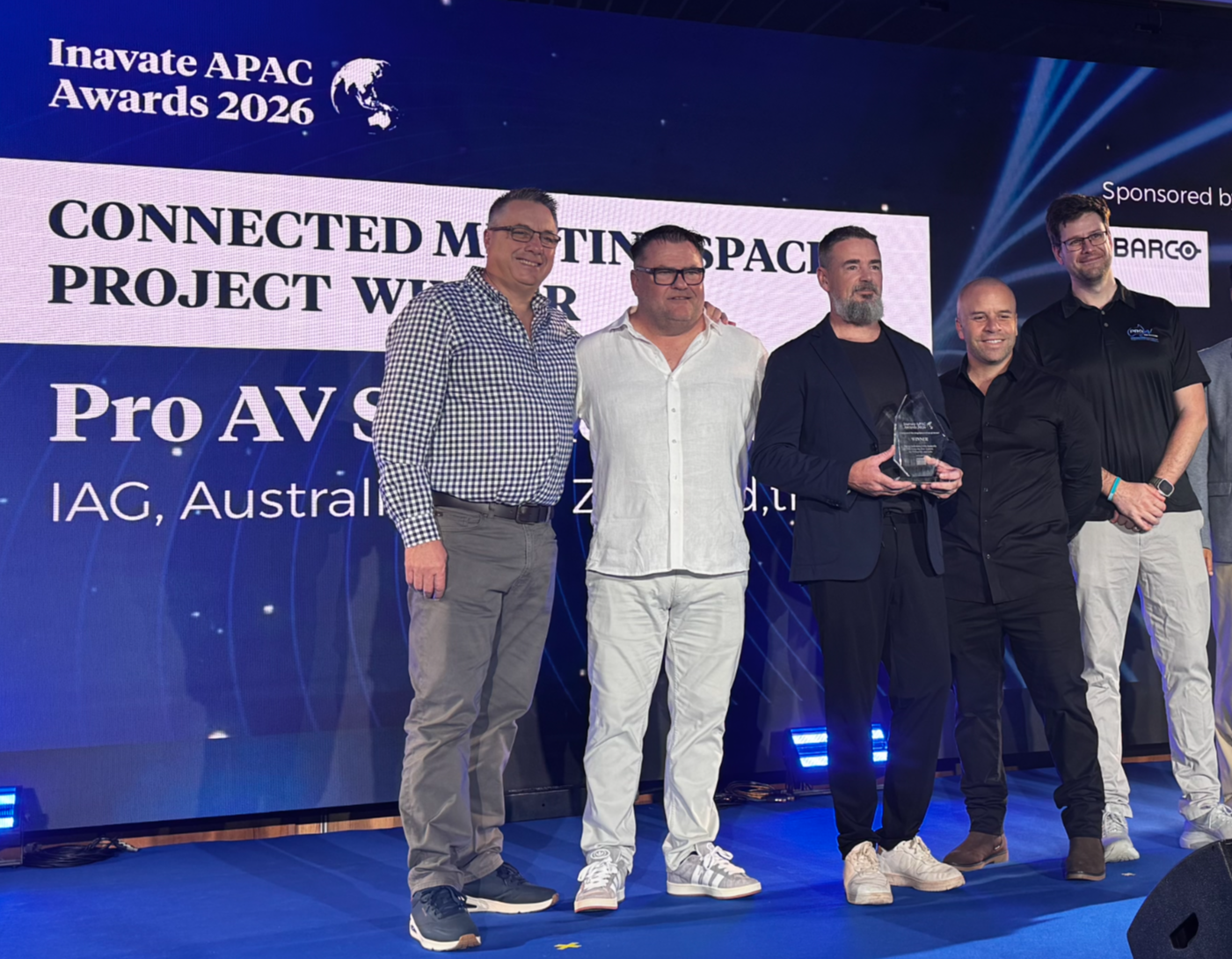
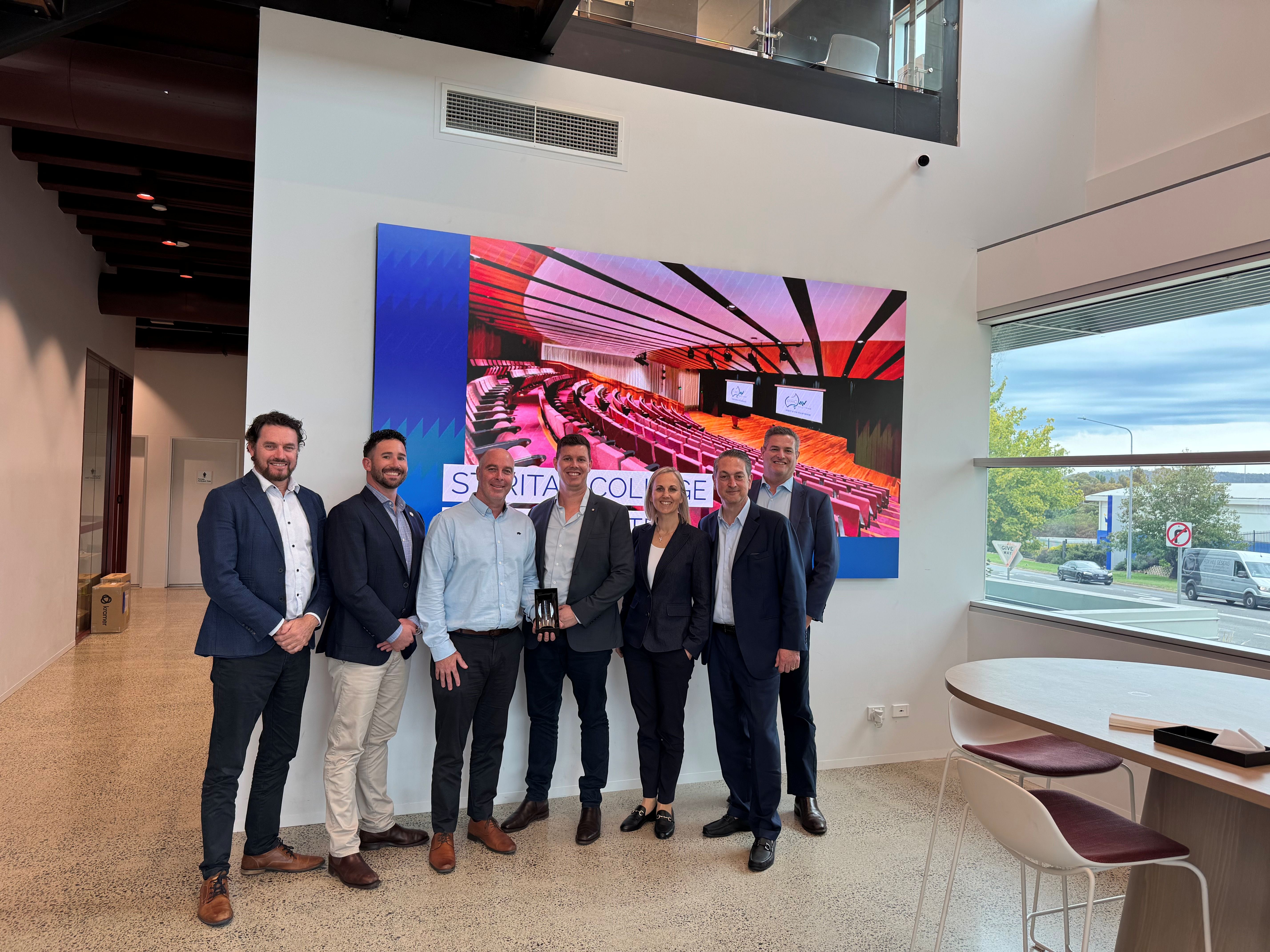
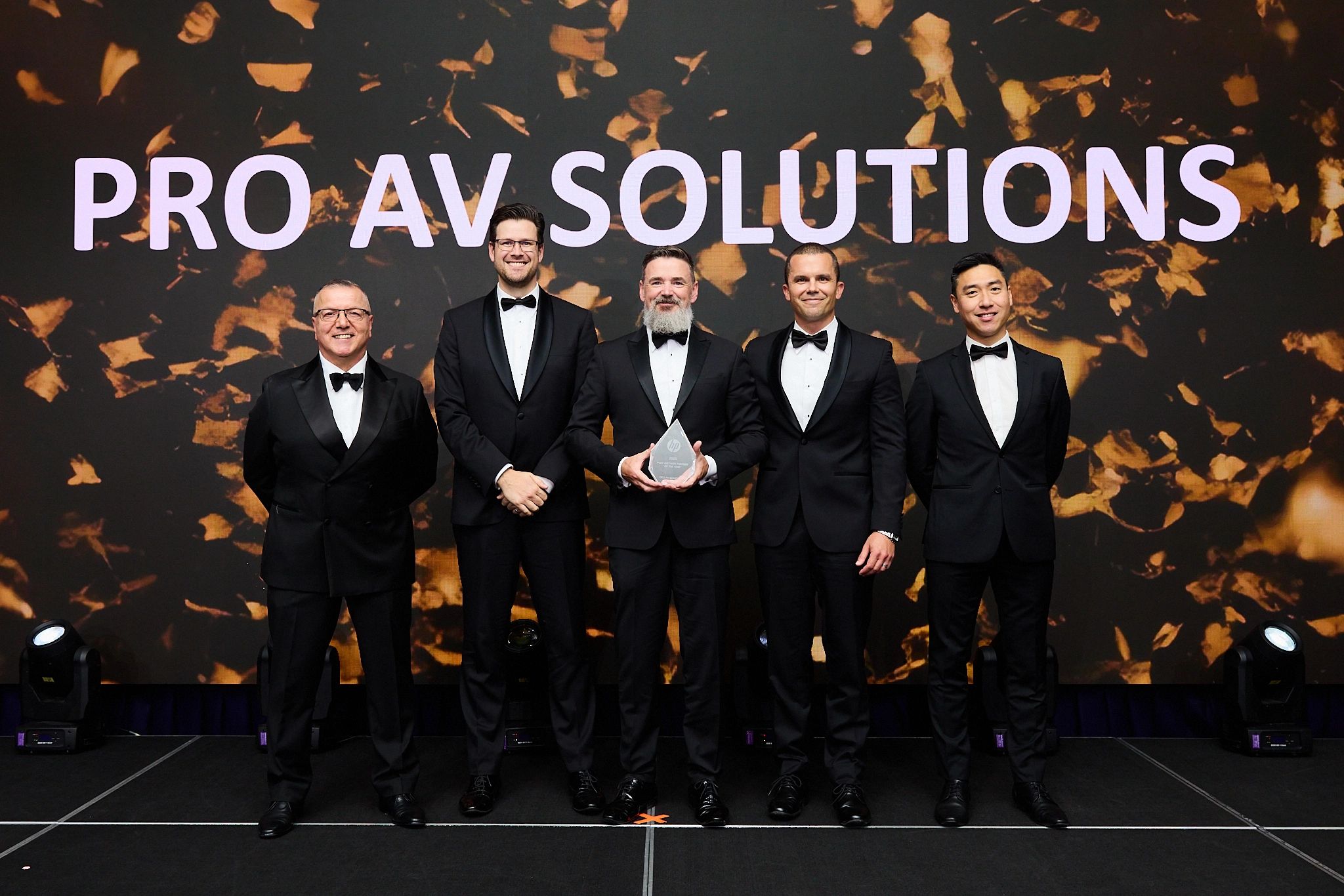
Pro AV Solutions has offices and fully resourced operations around Australia, with AV teams in each location. The business describes its national presence as supporting customers from pre-sales design and engineering through to deployment and ongoing maintenance. For clients managing AV delivery across Australian offices, working with one national partner can reduce fragmentation across projects, suppliers and support pathways.
GPA capability for international consistency
Some organisations also need consistency outside Australia. This is common for global businesses with Australian offices, or Australian organisations with operations in other markets.
In these cases, clients may want their workplace technology standards to be applied across multiple countries.
Pro AV Solutions is the Australian member of GPA, the world’s largest incorporated network for delivering global AV projects and managed services for workplace technology. Through GPA, Pro AV Solutions helps Australian customers deliver simple, standardised and secure AV technology systems globally, while also supporting the local Australian footprint of some of the world’s largest brands.
This gives Pro AV Solutions Australia, as GPA Australia, a practical way to support local delivery and international alignment for clients that need consistent workplace technology across markets.
For Australian clients, the GPA capability supports international requirements while keeping local accountability in Australia. Pro AV Solutions can act as an Australian AV integrator with global capability, connecting local delivery with global AV integration where required.
What a strong multi-site AV partner should provide
An AV integration partner for multi-site organisations should provide more than installation.
For larger organisations, the partner should be able to support:
- workplace technology standards
- room typology development
- AV design and engineering
- national project coordination
- local installation and commissioning
- site variation management
- vendor and partner coordination
- handover documentation
- national AV support
- managed services support
- preventative maintenance
- reporting and review
- international alignment where required
Questions to ask before choosing an AV partner
Before choosing an AV partner for a multi-site programme, organisations should ask:
- Can they support delivery across all required locations?
- Do they understand national rollout coordination?
- Can they work with an existing workplace technology standard?
- Can they help create a standard if one does not exist?
- How do they manage site variation?
- How do they document room types and handover information?
- What support model do they provide after handover?
- Can they support remote and on-site requirements?
- Do they have managed services capability?
- Can they support global standards if required?
These questions help separate a room-by-room installer from a partner that can support workplace technology across a wider property portfolio.
For organisations comparing an AV integration partner for multi-site organisations, the decision should not only be based on who can deliver individual rooms. It should also consider who can support workplace technology standards, national AV support, meeting room standardisation and global AV integration where required.








.jpg)
.jpg)









.png)















.jpeg)







.avif)




.jpeg)


.webp)