Building In-House Broadcast Capability: What Corporate Workplaces Need to Plan
A leadership town hall, executive interview, internal podcast and employee training video can all be produced within the same organisation. The technical requirements, however, can vary considerably.
As video becomes part of regular business communication, more organisations are considering permanent production facilities within their offices.
These may range from self-recording rooms and podcast studios to larger spaces equipped for multi-camera production, live streaming and hybrid events.
The business case depends on how frequently the facilities will be used, the production quality required and the resources available to operate them.
For workplace, IT, marketing and internal communications teams, early planning is particularly important.
Corporate video production is becoming a regular workplace requirement
In-house production facilities give organisations greater flexibility over when and how content is created.
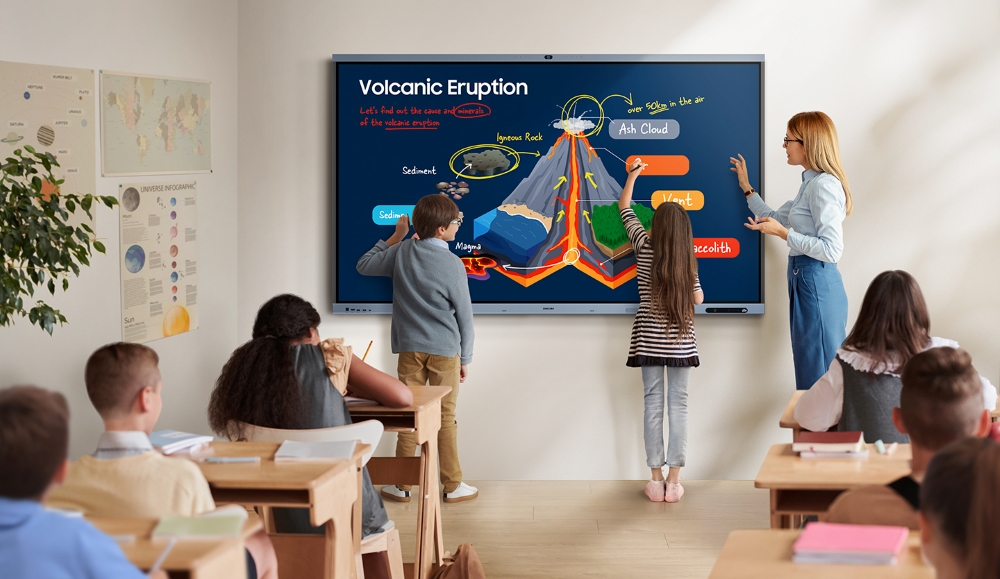
A communications team may need to record leadership messages at short notice. A learning and development team may produce regular training content. Marketing may require a controlled environment for interviews, webinars or product demonstrations.
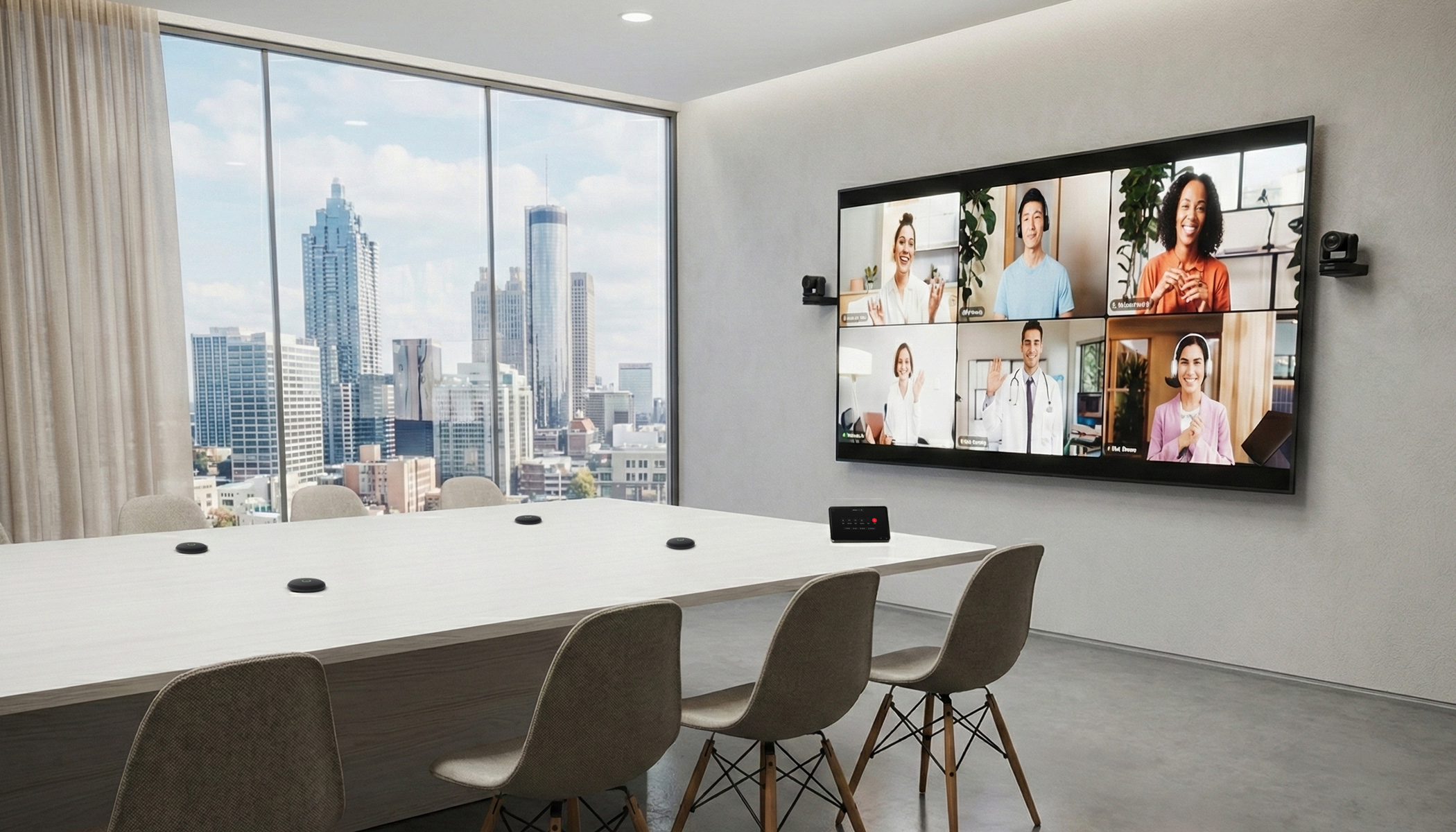
For larger organisations, live-streamed town halls may also need to reach employees across multiple offices or countries.
Industry attention is increasing. In October 2026, AVIXA examined the design requirements of corporate video production studios, highlighting the importance of considering broadcast facilities early in workplace construction and refurbishment projects.
For organisations considering these investments, the planning process should begin with the intended production activities and the teams responsible for them.
Selecting an appropriate production environment
Different content formats require different facilities.
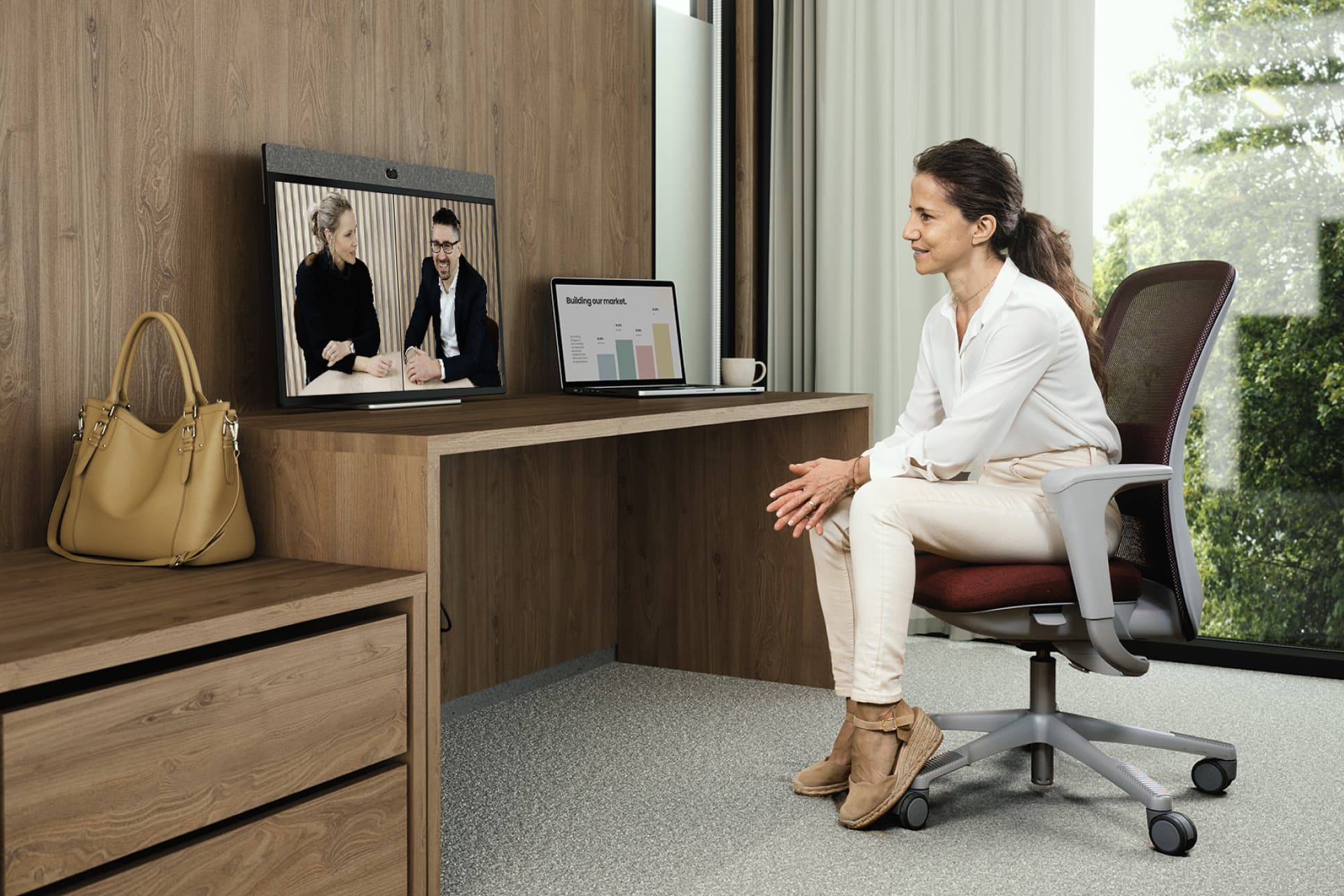
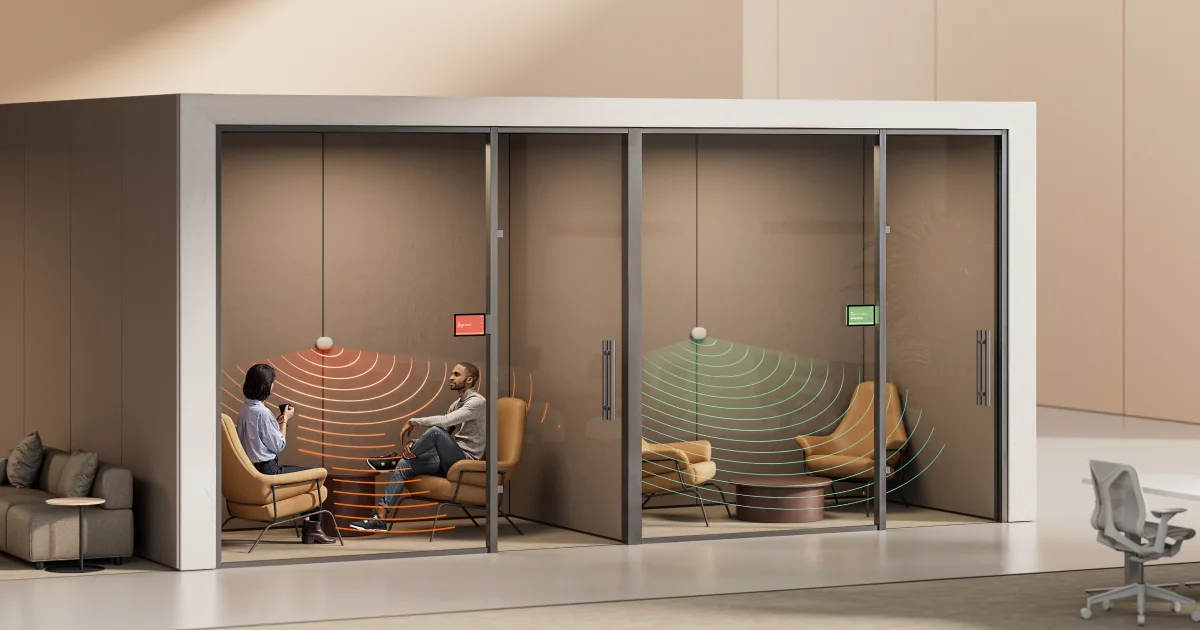
A dedicated podcast studio may need controlled acoustics, microphones, monitoring and recording equipment. A self-recording space may prioritise simple operation, consistent lighting and repeatable camera settings.
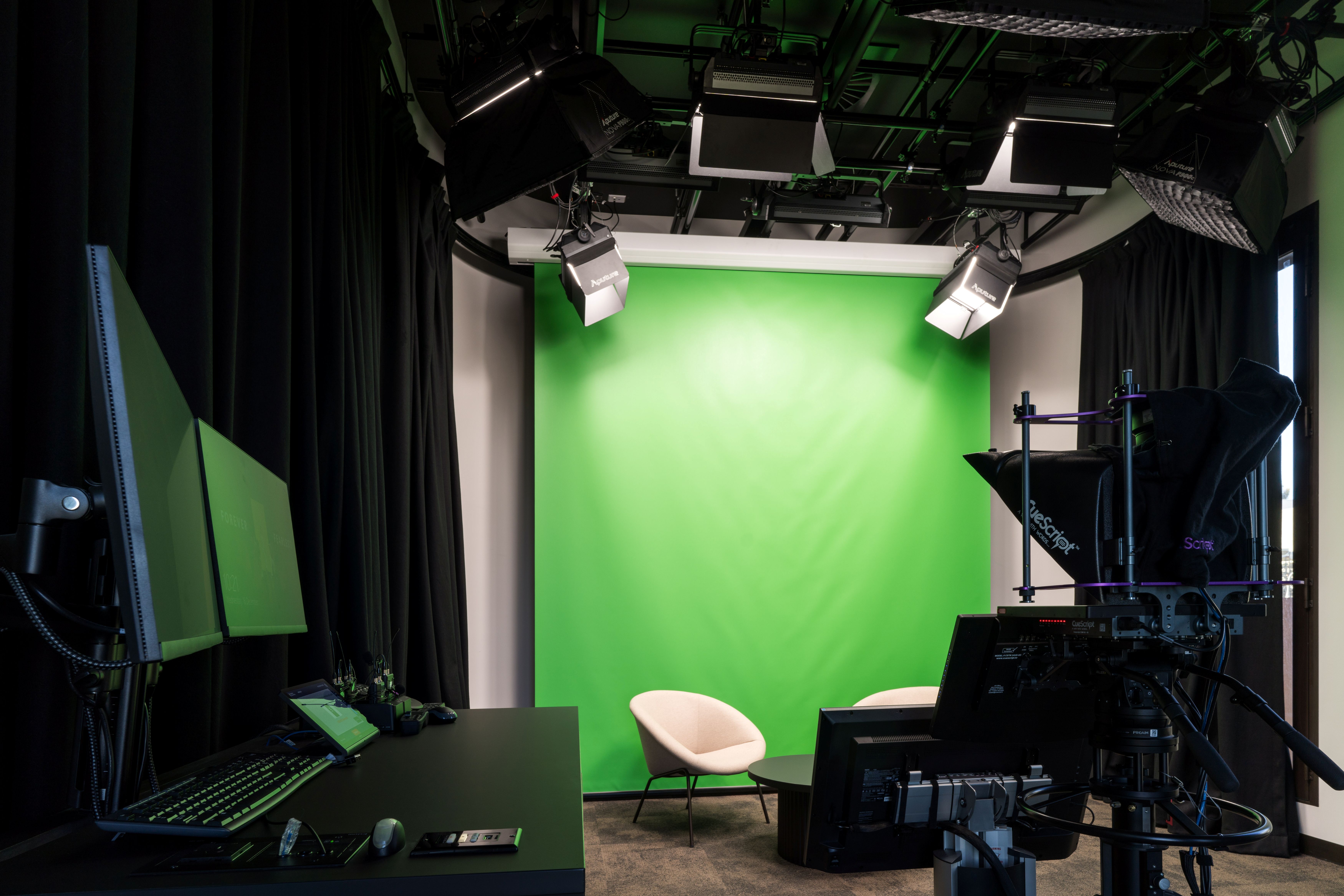
A larger corporate studio may support interviews, branded presentations, green screen production, multi-camera recording and live streaming.
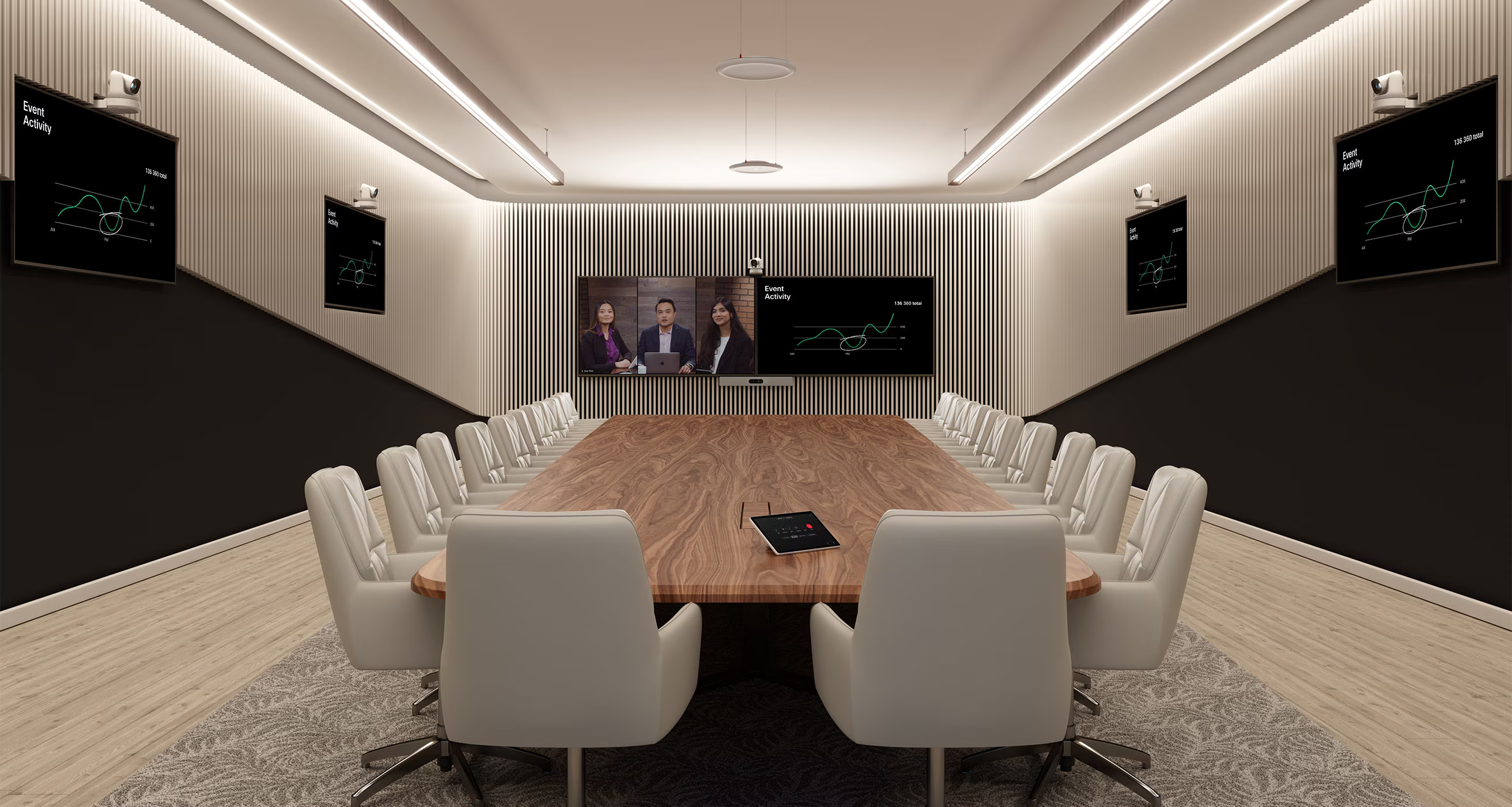
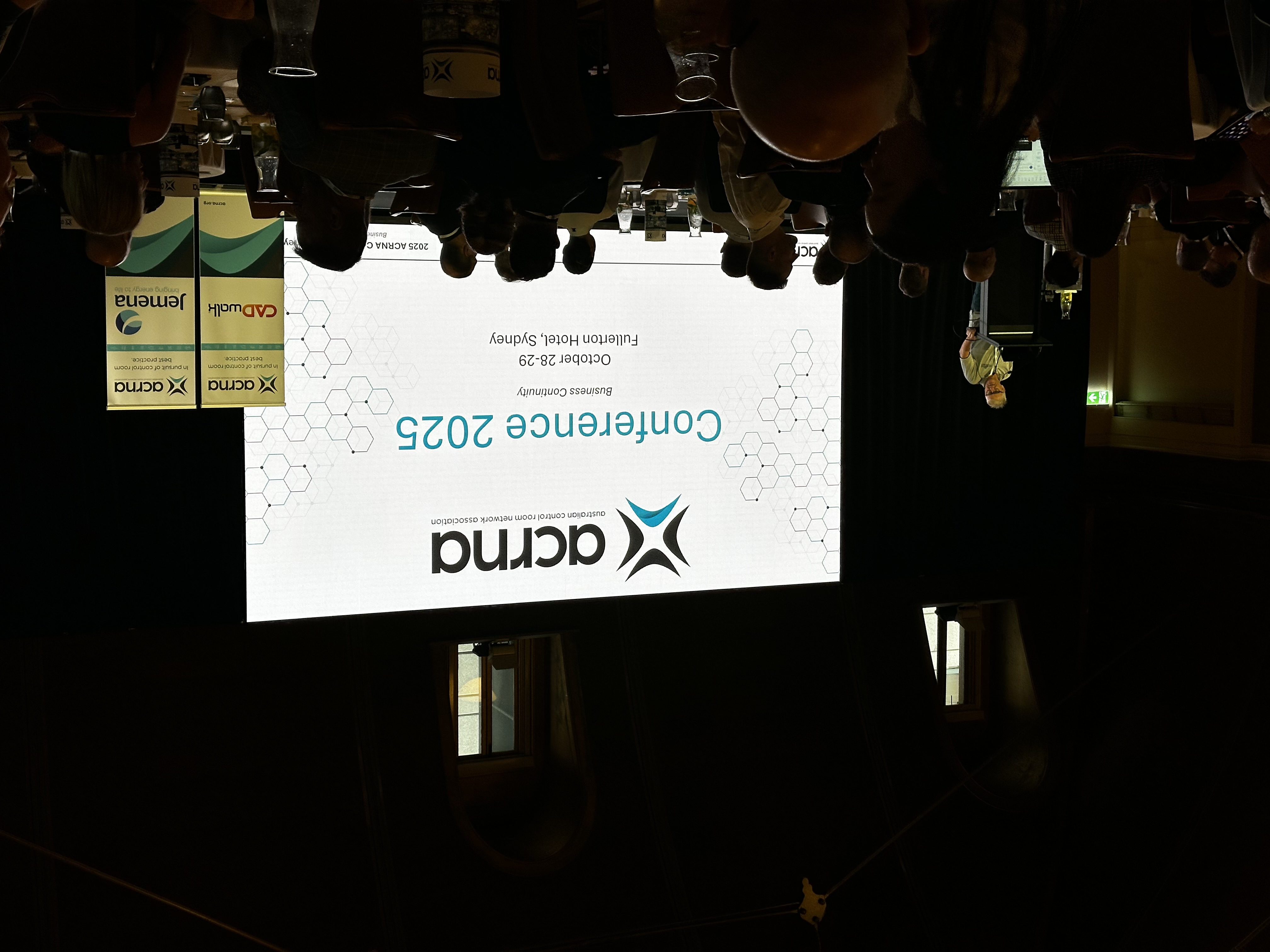
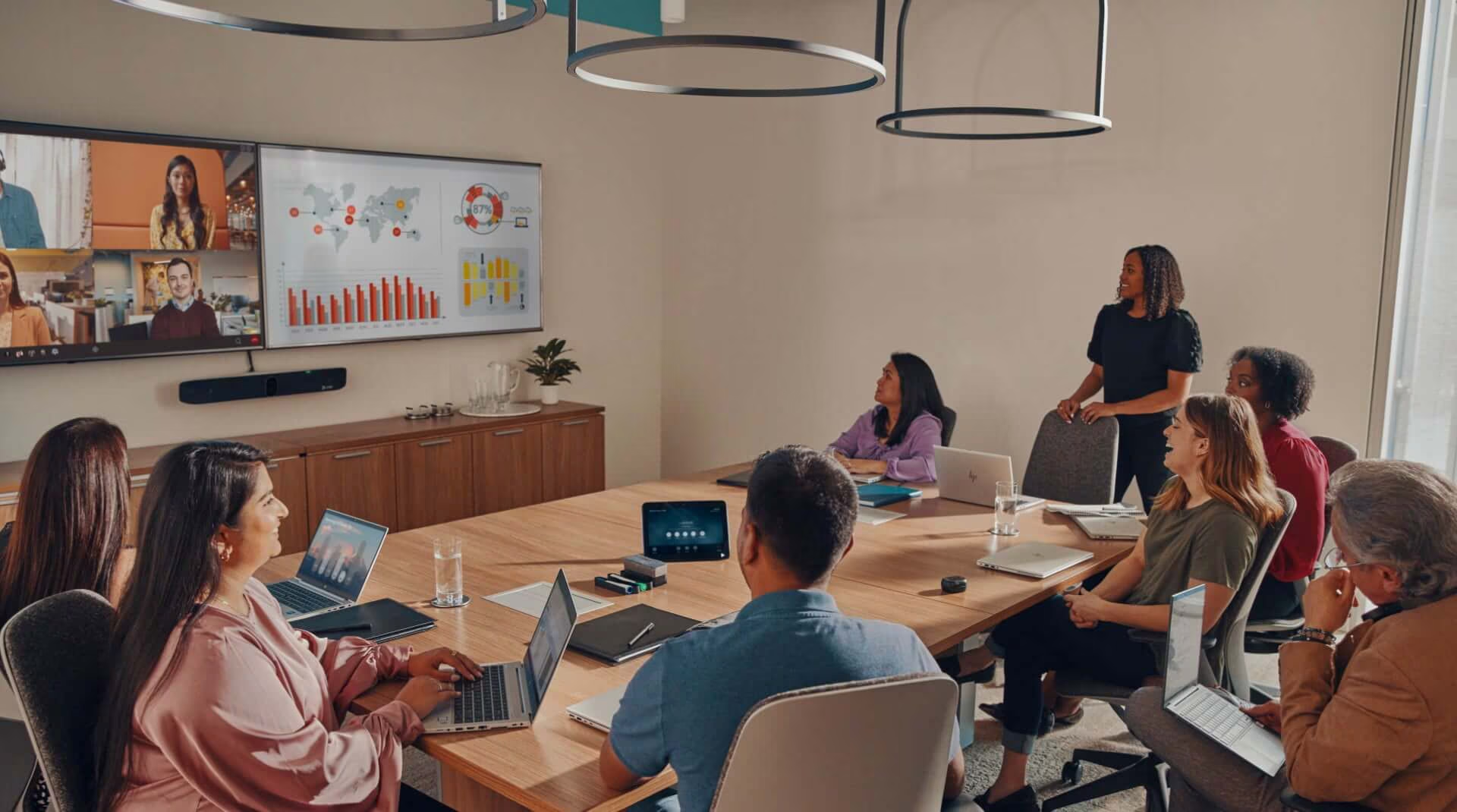
Town hall and event spaces introduce additional requirements around audience audio, presentation content, camera coverage and distribution to remote participants.
Some organisations may also require more specialist environments for motion capture or virtual production.
A review of expected content output, production frequency and available operating resources can help determine which facilities are suitable.
It also helps establish whether the organisation needs several dedicated spaces or a flexible environment capable of supporting different production formats.
Planning the studio within the building
Corporate production facilities require coordination between several disciplines.
Acoustics, lighting, mechanical services, power, networking, room dimensions and equipment locations can all affect the quality and practicality of a studio.
For example, unwanted background noise from air conditioning may be noticeable during recording. Lighting positions can influence the available camera angles. Insufficient space around a production set may restrict the movement of presenters or camera operators.
These considerations become more difficult to address once construction is complete.
Early coordination between architects, workplace designers, IT teams and AV specialists can help ensure the room accommodates the intended production requirements.
Making production manageable for internal teams
The people operating a corporate production space may have very different levels of technical experience.
Some organisations maintain dedicated production teams. Others rely on communications, marketing or learning and development staff to manage recording and streaming.
The operating model should influence the design.
Self-recording facilities may benefit from simplified controls and predefined settings. Larger production environments may require dedicated technical positions, monitoring equipment, documented workflows and support during live events.
For recurring communications, organisations should also consider how recordings are stored, how content is distributed and who is responsible for maintaining the equipment.
Training and ongoing support are important parts of making the facility useful beyond its initial launch.
Considering the investment over time
A permanent studio can reduce the need to hire equipment or arrange temporary production facilities for recurring activities. The financial benefit will depend on the number and type of productions, staffing requirements, support costs and the investment required.
Where production demand is occasional, external production services may remain appropriate.
For organisations producing content regularly, a permanent facility may provide advantages in scheduling, consistency and control over the production environment.
A realistic business case should account for both the initial fit-out and the resources needed to operate the facility.
Corporate broadcast and production at Pro AV Solutions
Pro AV Solutions delivers integrated AV environments supporting corporate communications, presentations, events and video production.
Our capabilities include broadcast and live streaming, corporate town halls, hybrid events, podcast facilities, self-recording environments and specialist production applications.
For organisations considering a corporate studio, production facility or town hall upgrade, our team can assist with early requirements planning, technology design, integration and ongoing support.
Engaging early provides an opportunity to review the intended production workflow alongside the physical room requirements and long-term operating model.
Frequently asked questions
What is a corporate broadcast studio?
A corporate broadcast studio is a dedicated facility for producing business video content. It may support executive communications, interviews, webinars, training, live streaming or recorded presentations.
Can a meeting room also be used for video production?
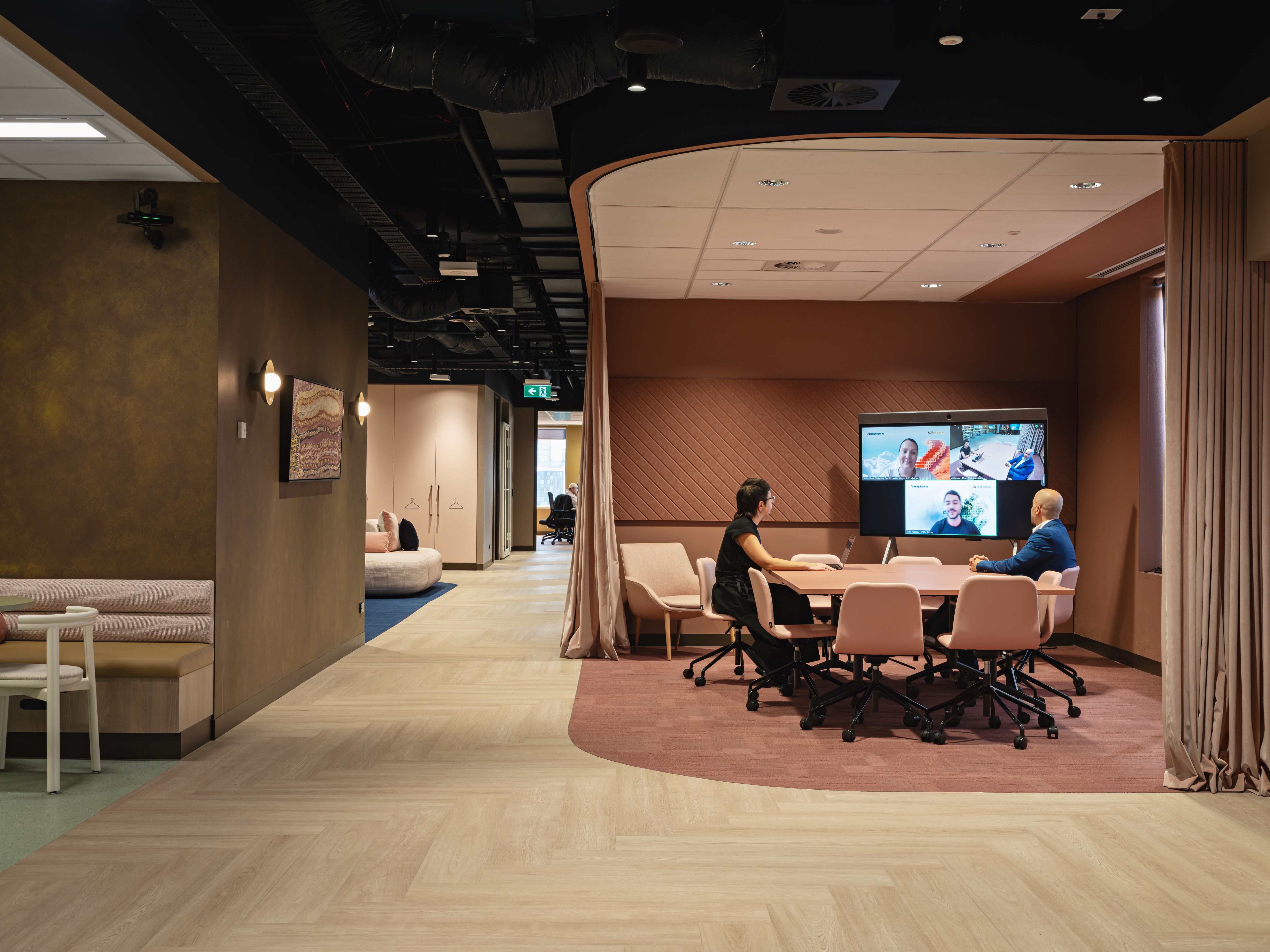
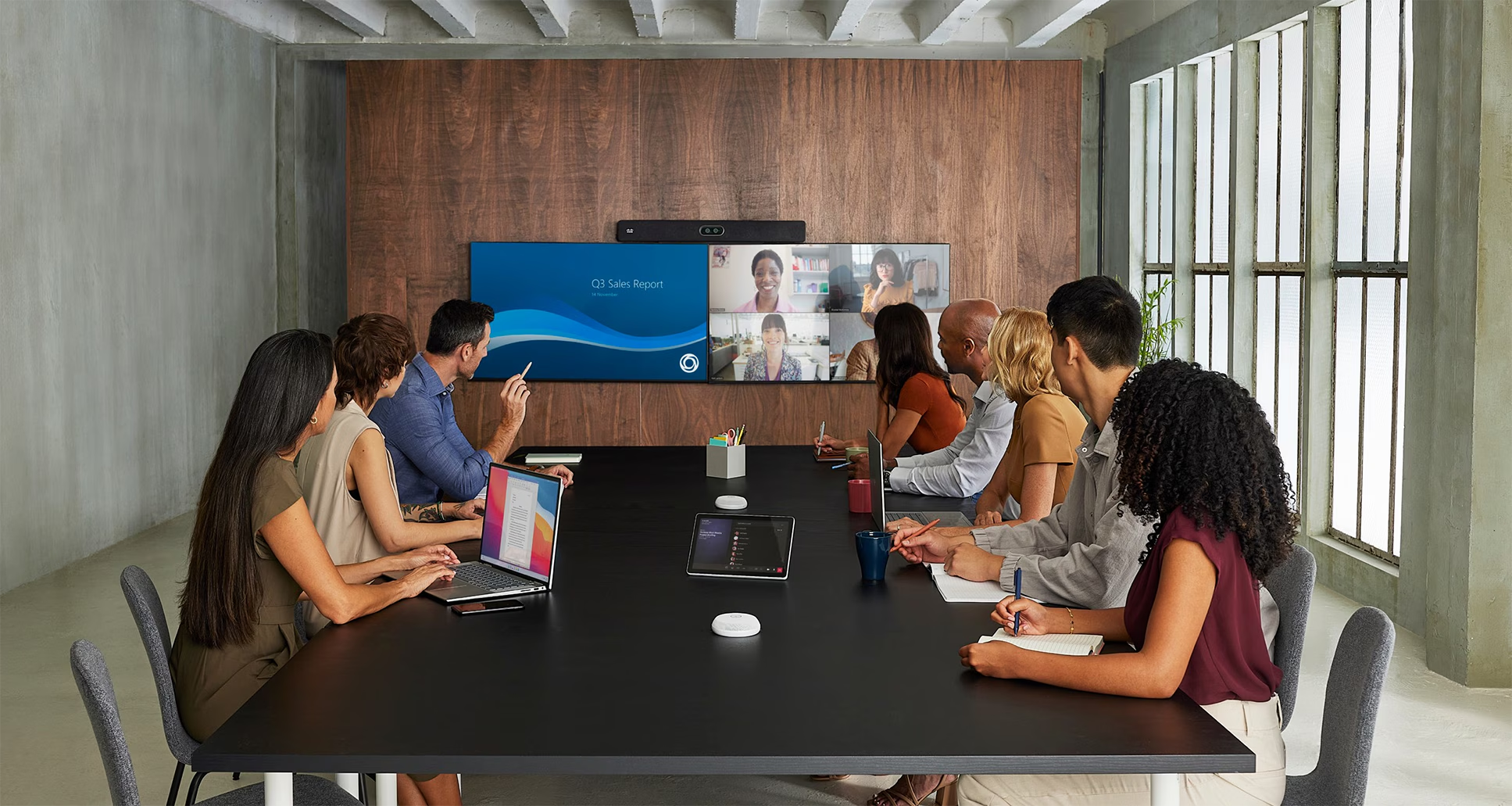
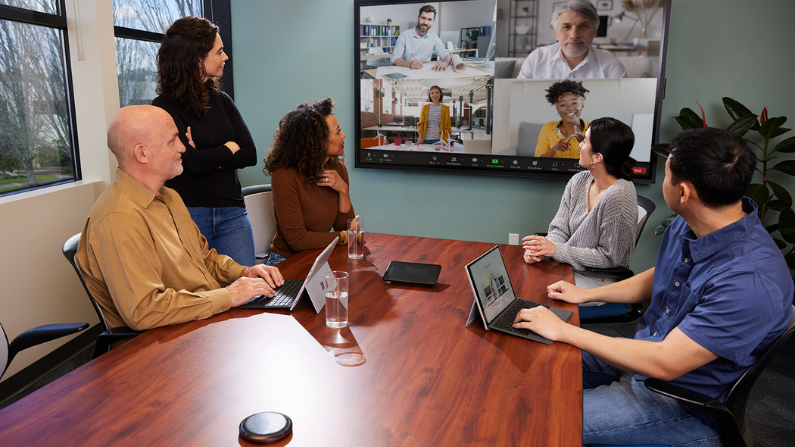
Some meeting rooms can support occasional recording and streaming. More demanding production activities may require additional lighting, acoustic treatment, camera positions, audio equipment and operating controls.
What should organisations consider before building an in-house studio?
The main considerations include content requirements, frequency of use, room design, acoustics, lighting, production equipment, staffing, distribution, training and ongoing support.