Meeting room data and smart buildings: why rooms now matter to building performance
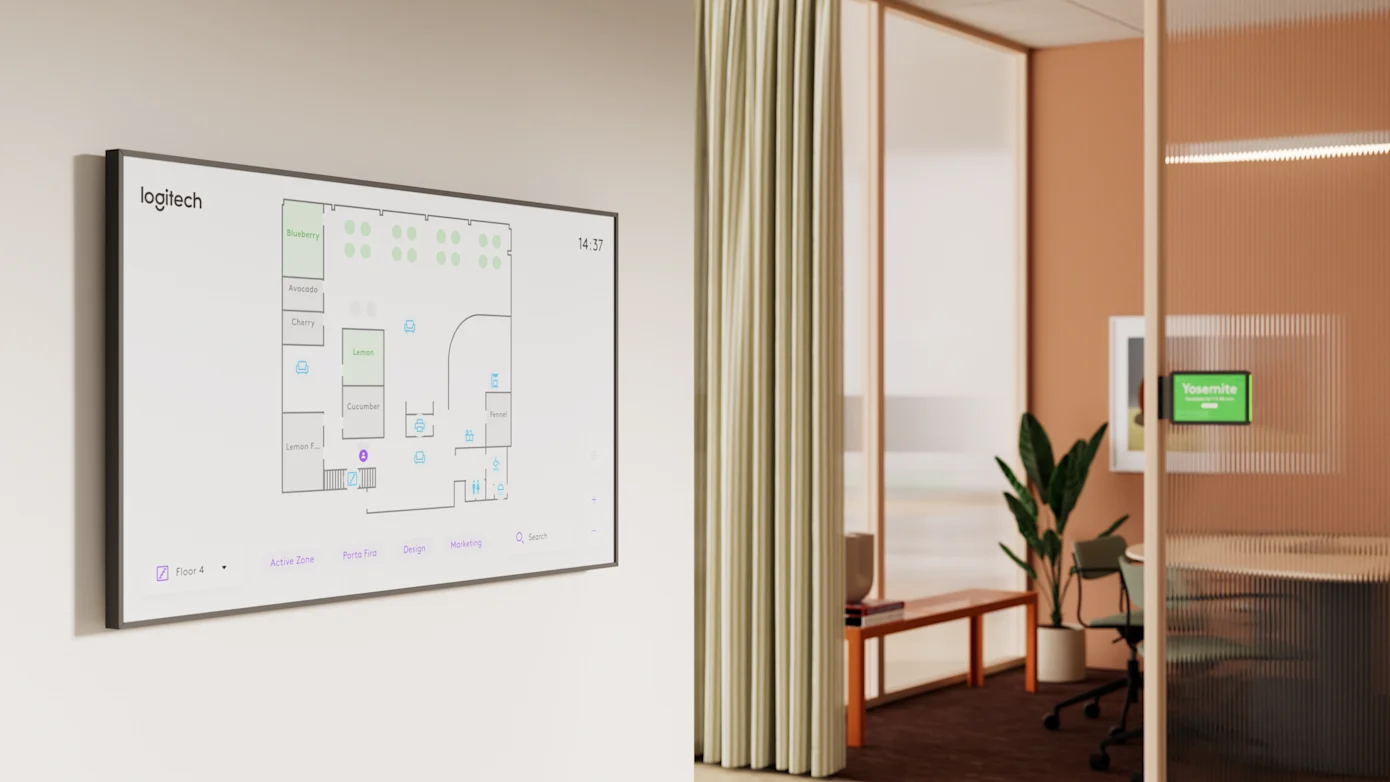
Meeting rooms now play a much larger role in how buildings operate. They hold useful information about occupancy, technology performance, user behaviour, collaboration patterns and workplace demand.
For Australian organisations, that information can help workplace, IT and facilities teams make better decisions about space, support, upgrades and long-term planning. The point is not to collect more data for the sake of it. The value comes from seeing how rooms actually perform, then using that insight to improve the workplace.
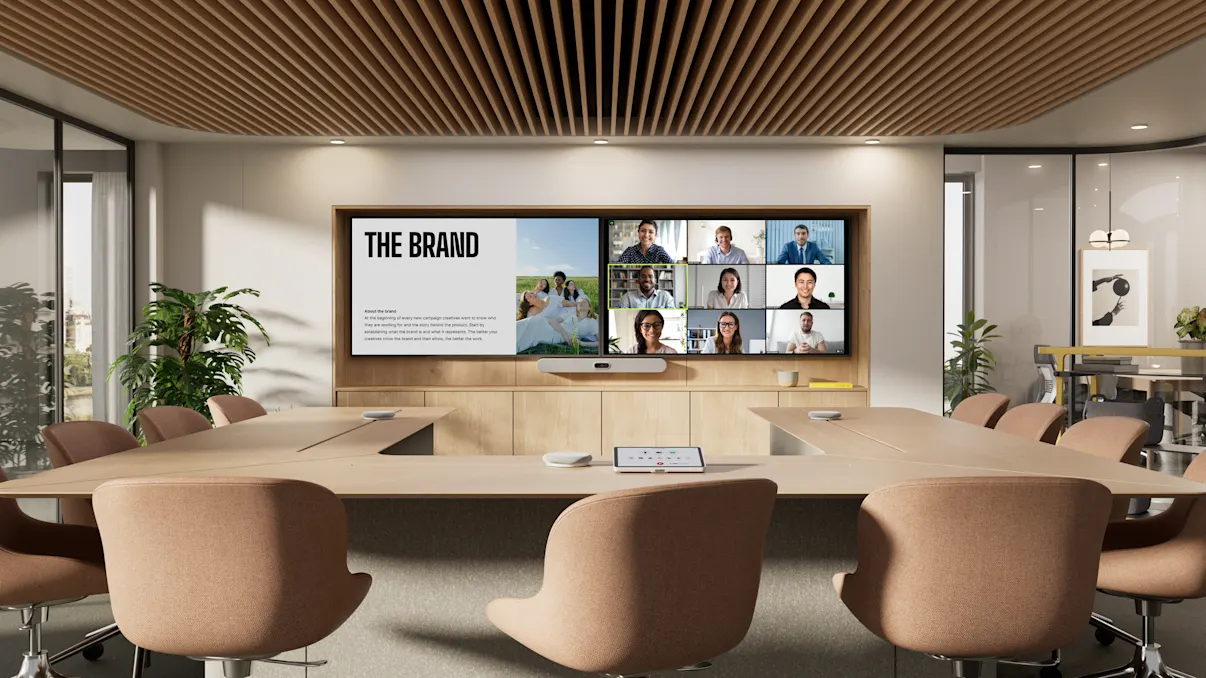
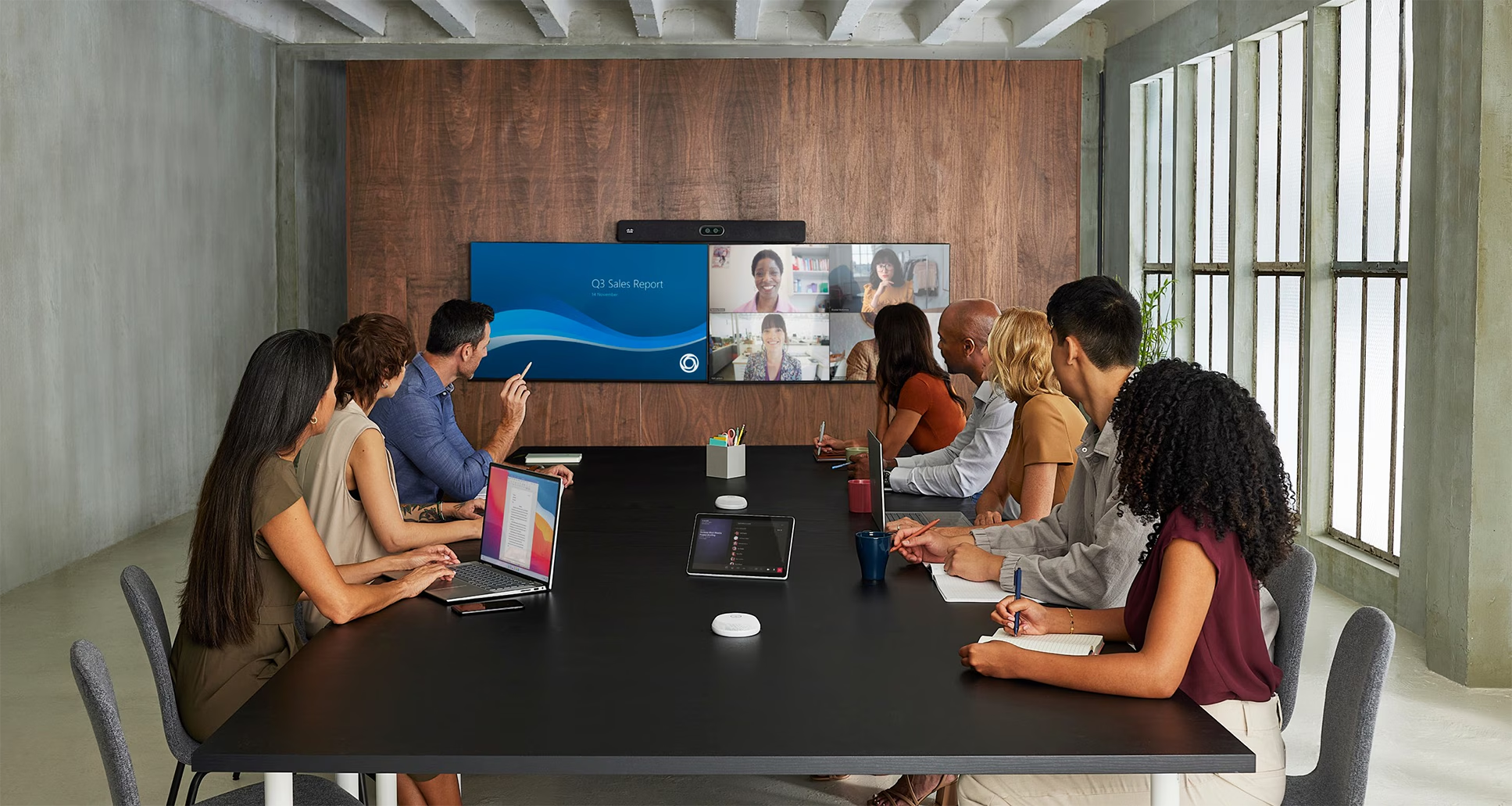
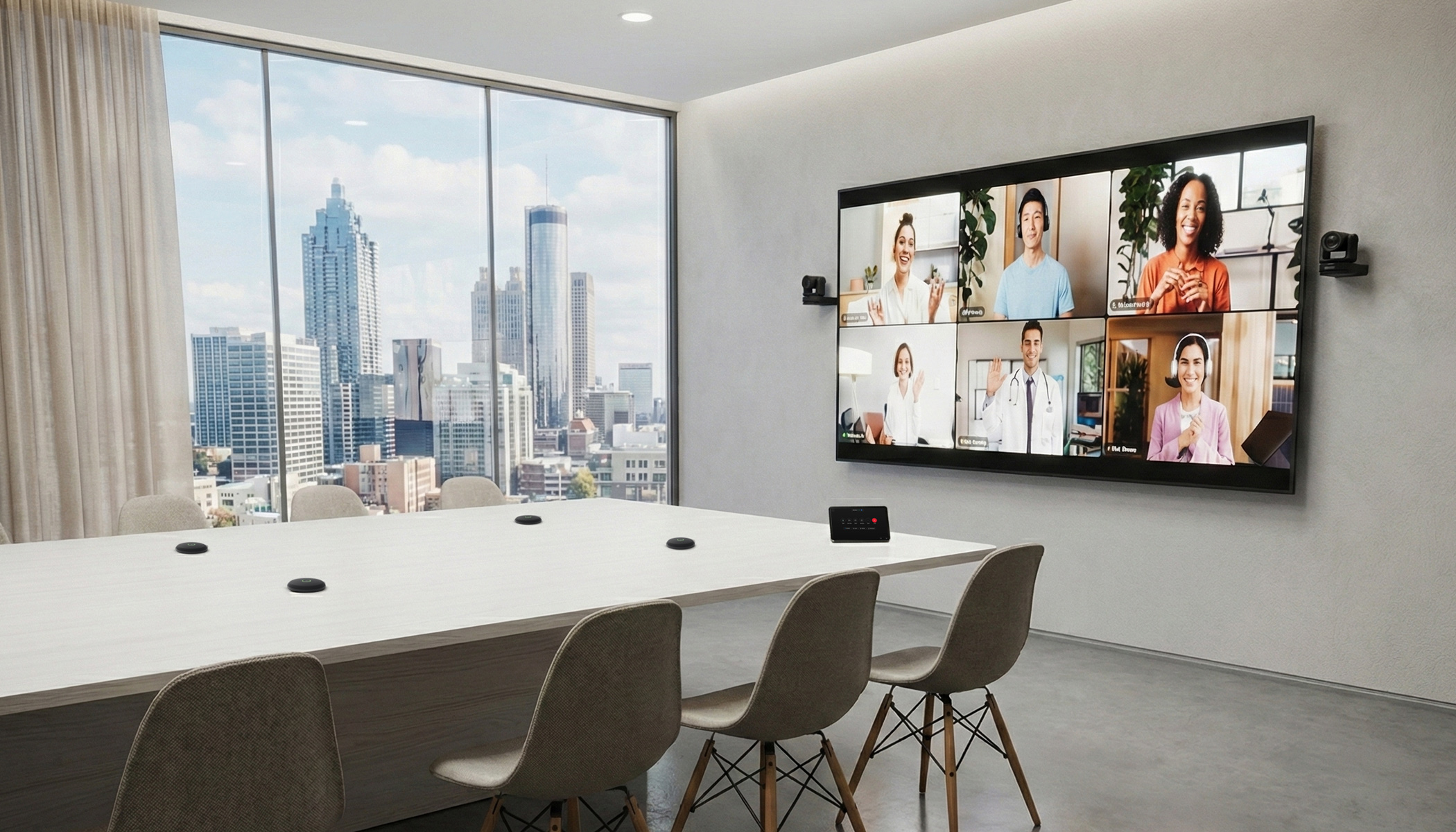
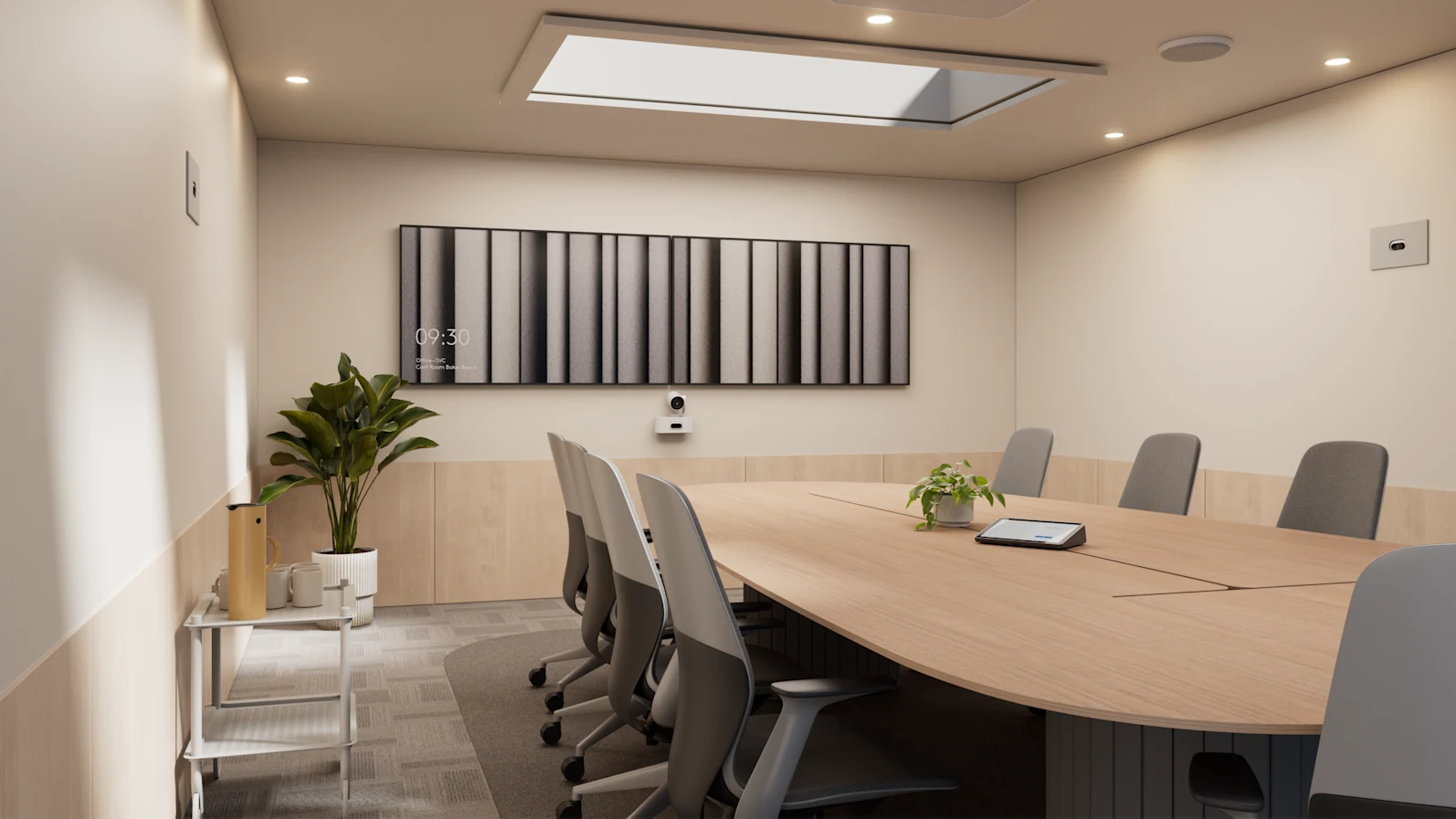
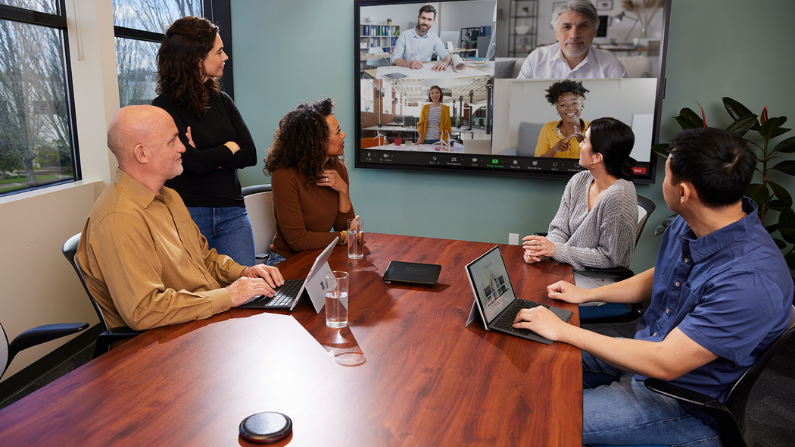
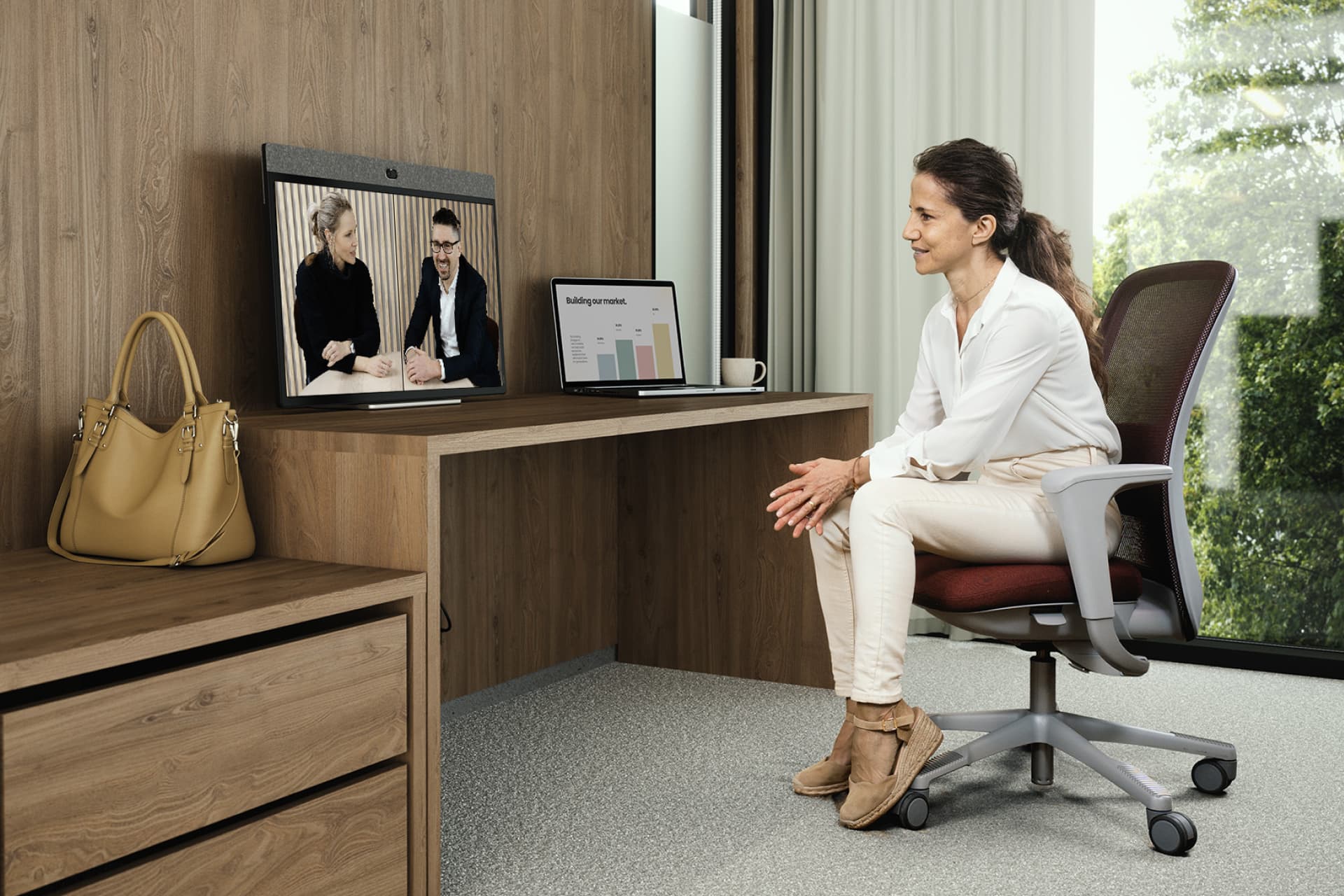
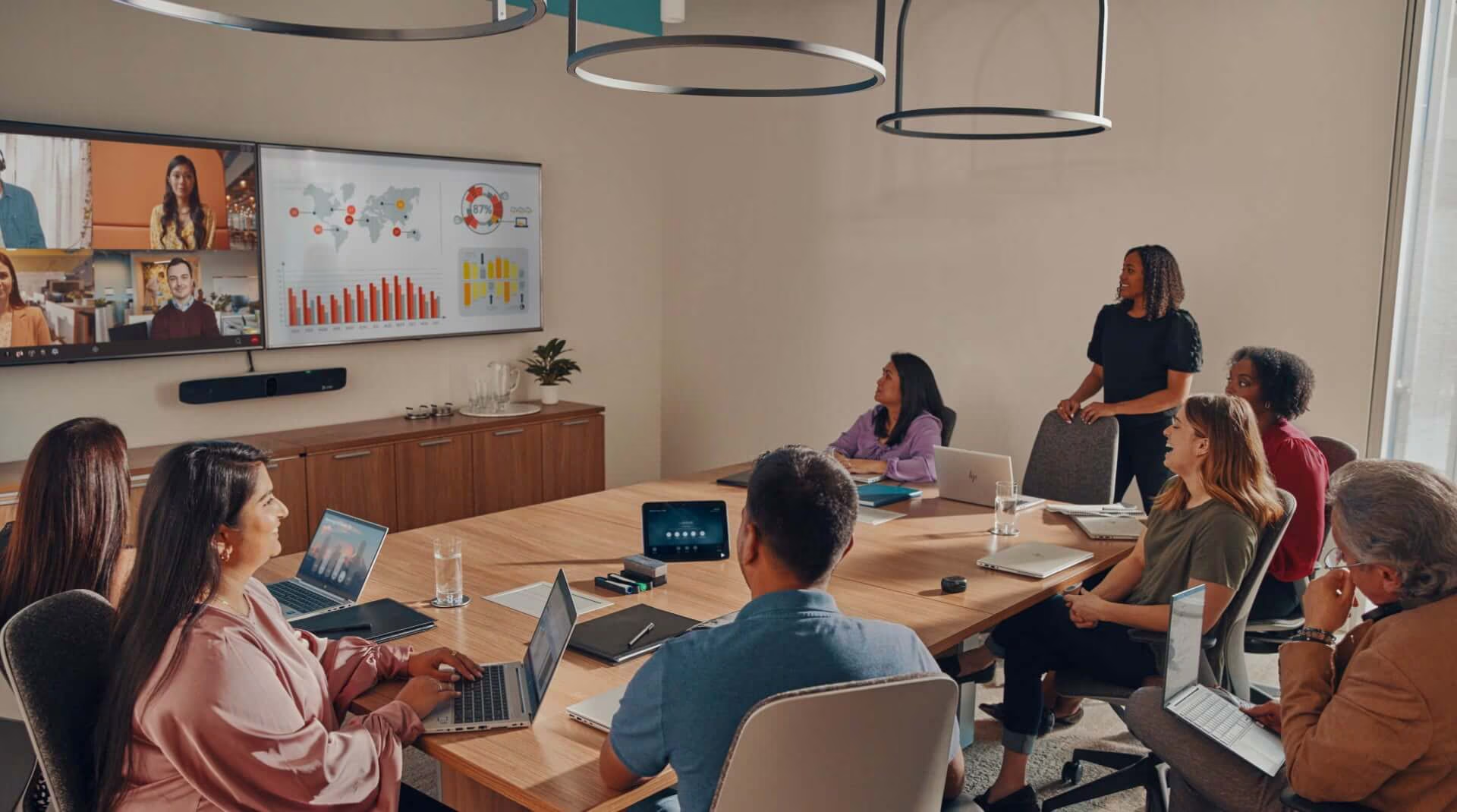
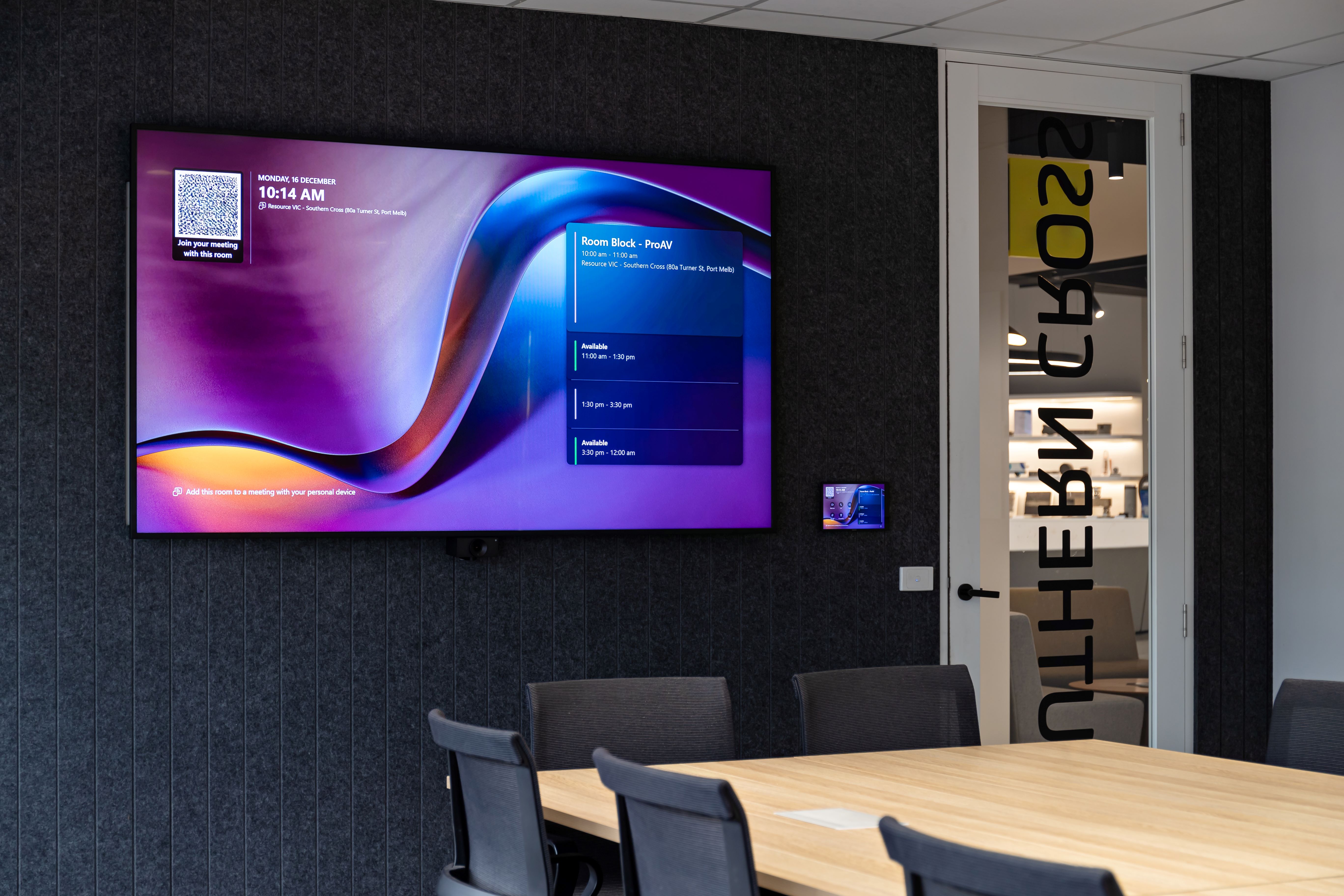
The phrase meeting room data smart buildings can sound technical, but the shift is straightforward. A meeting room is no longer only a physical space with a display, camera and table. In many workplaces, it now sits between the building, the network, the calendar, the collaboration platform and the support model.
That creates a useful operating picture. A room may appear popular in the calendar, but occupancy data may show regular no-shows. Another space may be available most of the week, yet still receive repeated support requests because users struggle with the setup. A large meeting room may be regularly used by two or three people, while smaller video-enabled rooms remain difficult to book.
These patterns matter because they reveal how the workplace is actually behaving. Without that view, organisations often make decisions from assumptions: add more rooms, replace more technology, or change the floorplate without fully understanding the cause of the problem.
The collaboration space already contains useful signals
The modern meeting room already includes several technologies that can contribute to a clearer view of workplace performance.
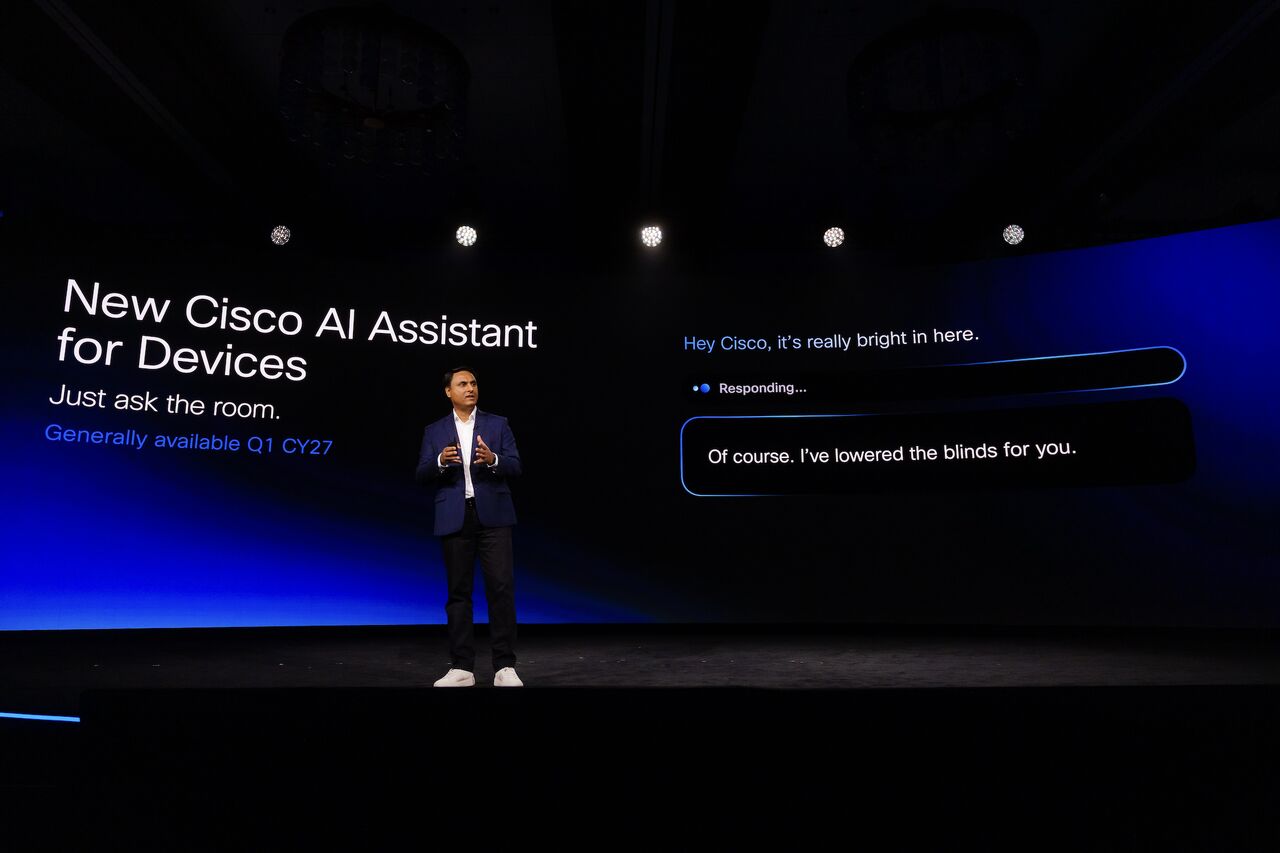
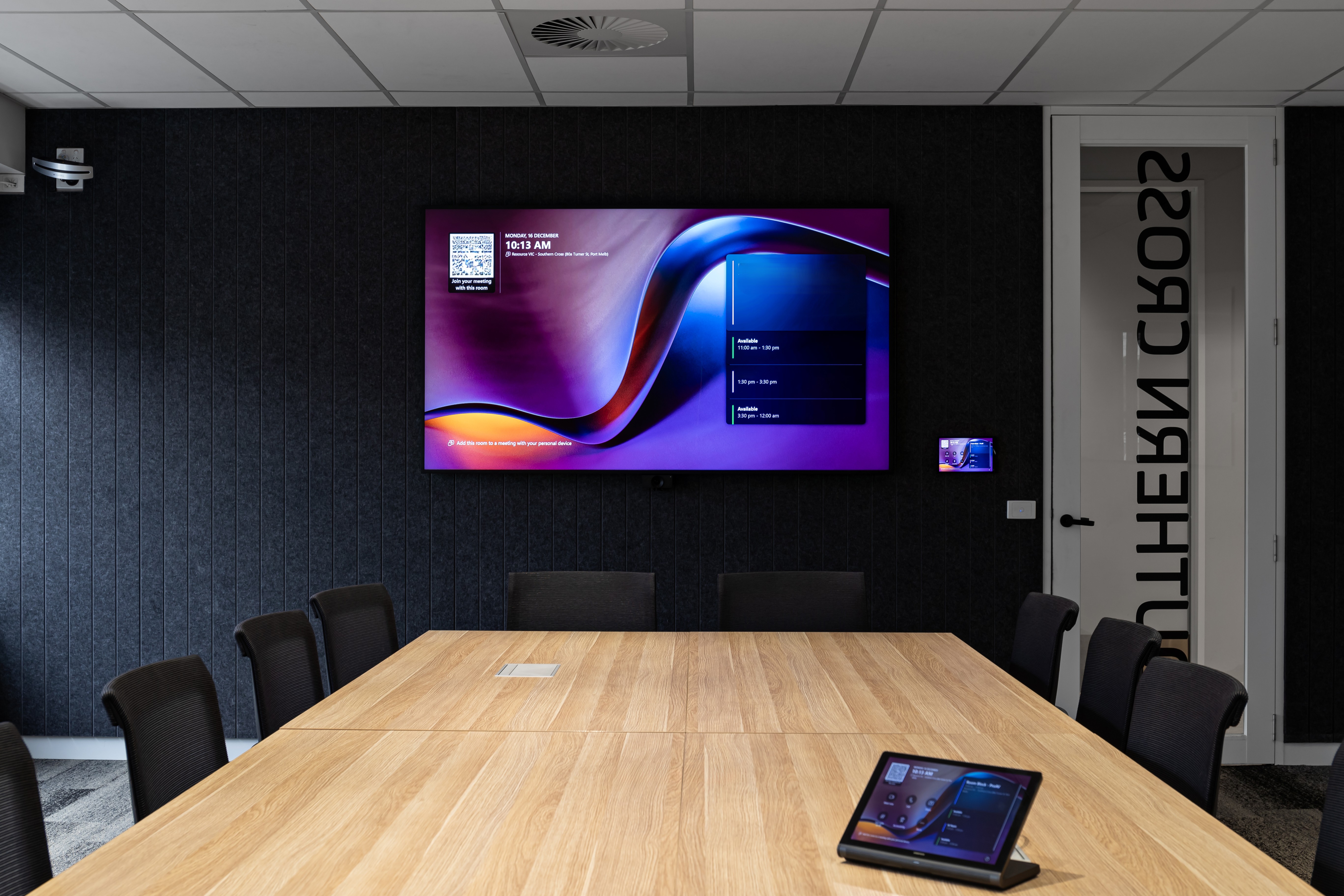
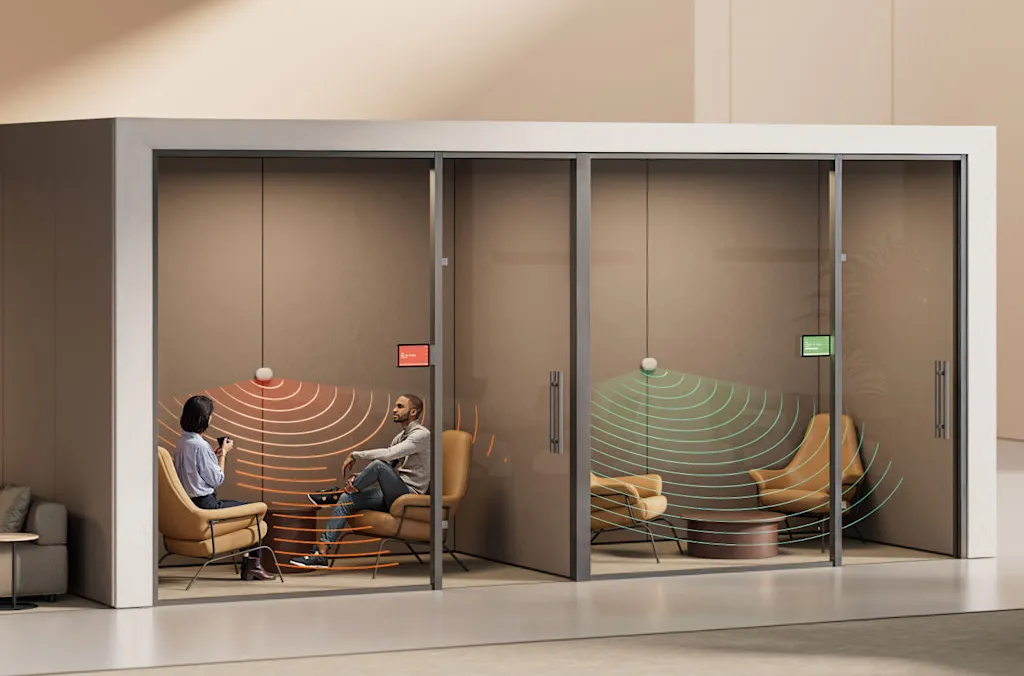
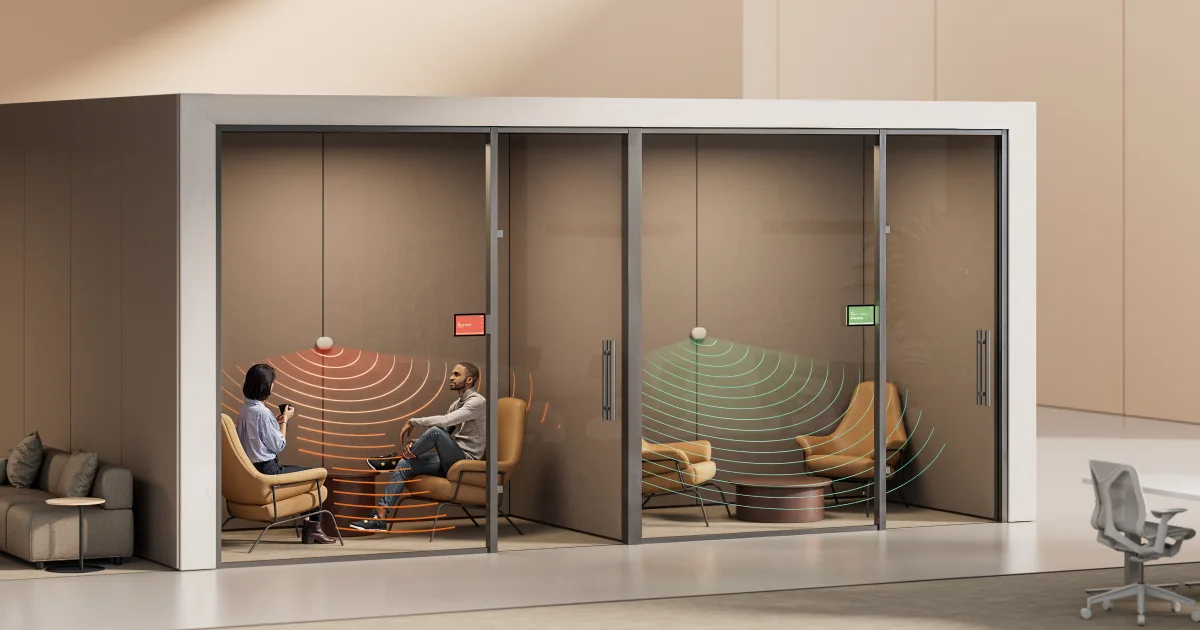
A Microsoft Teams Room can provide information about room health, device status and meeting activity through Microsoft’s management environment. Cisco Room devices and Control Hub can add insight into device usage, occupancy, environmental conditions and workspace performance, depending on the deployment. Logitech Spot can provide occupancy and environmental sensing for rooms where organisations need a clearer view of usage, air quality and comfort conditions. Platforms such as Crestron XiO Cloud can help technology teams monitor, manage and support connected workplace devices across multiple rooms or sites.
None of these tools should be treated as the answer on their own. Their value comes from how they are planned into the room and connected to the operating model. A sensor may show that a room is occupied. A collaboration platform may show that the room system is being used. A support platform may show recurring issues. Together, those signals help teams understand whether the space is working as intended.
This is where AV integration becomes important. The room needs to be designed, documented and managed in a way that allows data to be trusted. Naming conventions, asset records, monitoring tools, room standards and support processes all affect whether the information can be used properly.
Why this matters for smart buildings
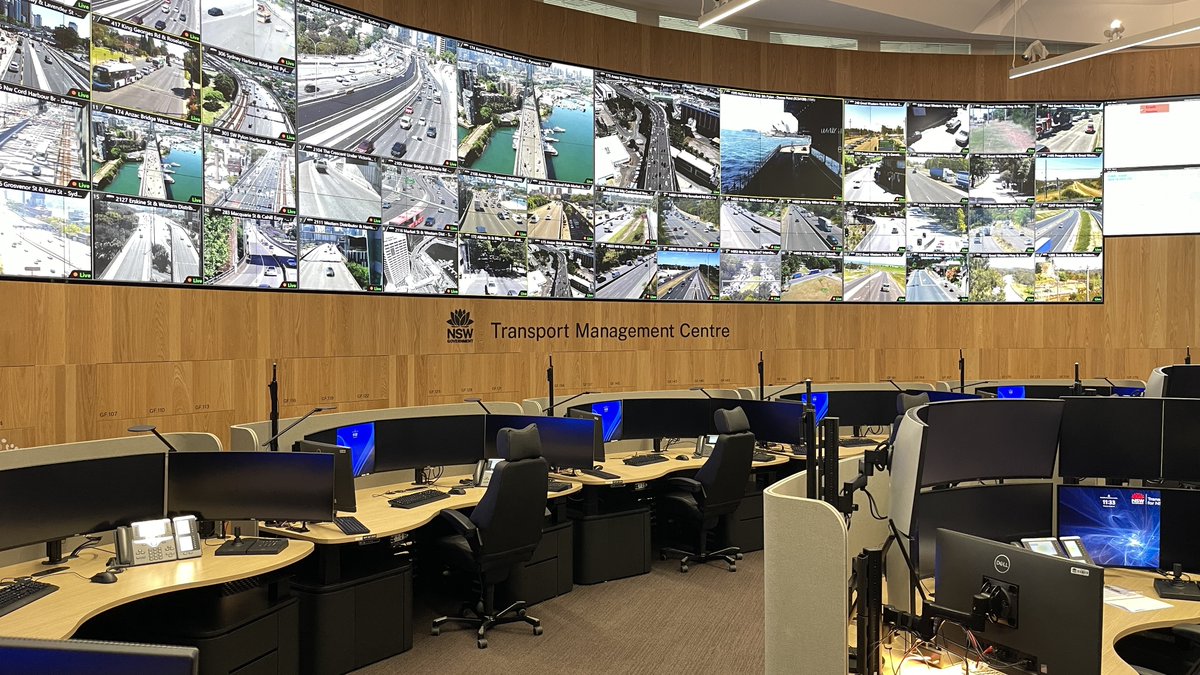
Smart buildings depend on operational visibility. Energy systems, lighting, access control, air quality, lifts and building management systems all contribute to how a building performs. Meeting rooms should sit within that broader view because they influence how people use the workplace every day.
A smart building may have strong base building systems but still underperform from a user perspective if meeting spaces are unreliable, hard to book or poorly matched to demand. A floorplate may look efficient, but if people avoid certain collaboration spaces, the building is not operating as well as the plan suggests.
Meeting room data helps connect the technical view of a building with the human experience of using it. For workplace, IT and facilities teams, that can make planning more practical. It becomes easier to see where rooms need improvement, where standards need to change and where existing spaces can be used better before new fit-out work is approved.
From dashboards to decisions
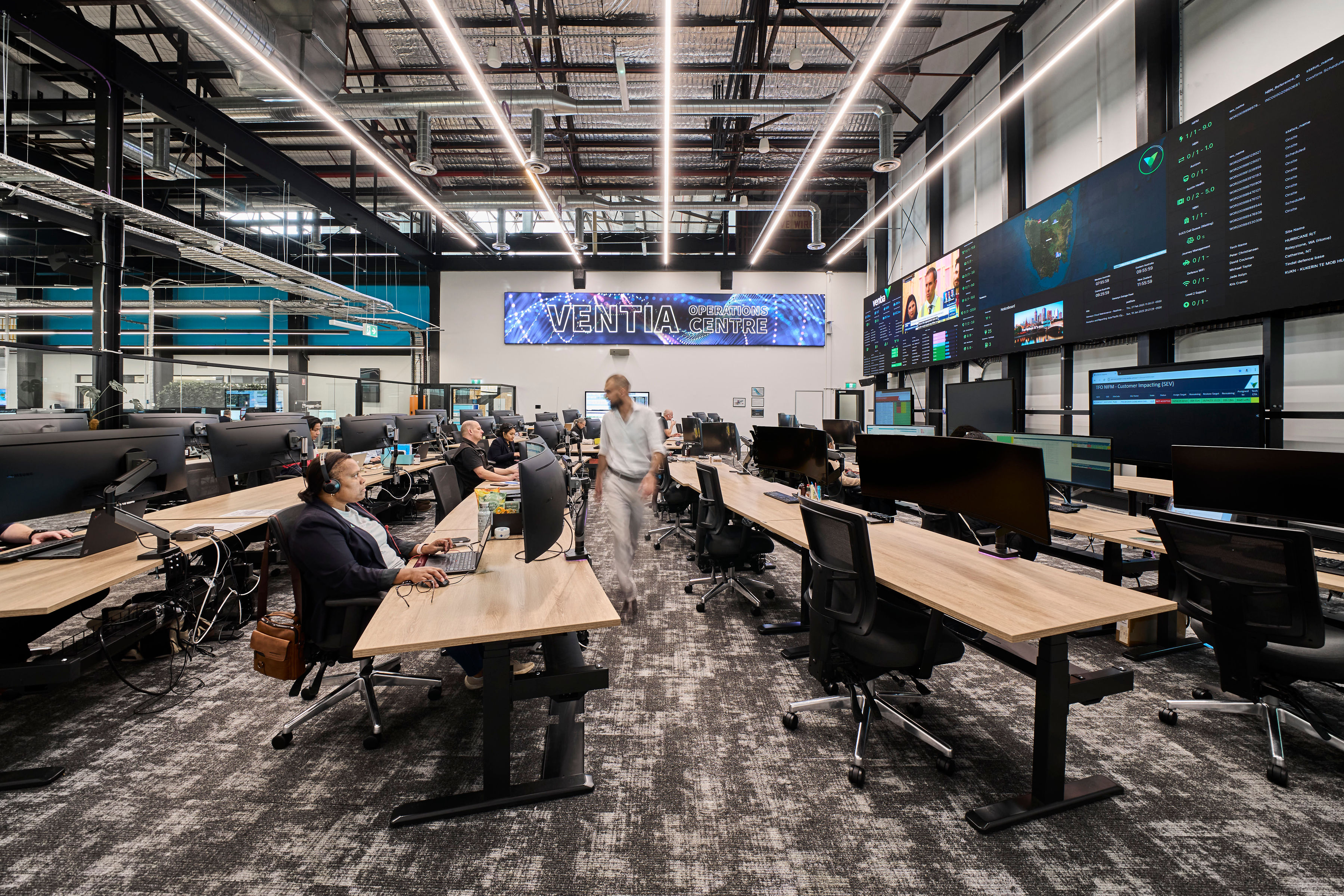
Many organisations already have more workplace data than they use. The issue is not always data collection. More often, the problem is that different teams look at different systems and make decisions separately. For example, IT may review device health. Facilities may review room bookings. Workplace teams may review utilisation. Support teams may understand the common complaints. If these views remain separate, the organisation misses the bigger picture.
A better approach starts with the decision. If the question is whether more small meeting rooms are needed, then booking pressure, occupancy and room size matter. If the question is whether a room standard is working, then support trends, user feedback and device health become more relevant. If the question is whether to refresh a room, asset age, supportability and utilisation should all be considered together.
This keeps room data useful. It stops the conversation becoming a reporting exercise and makes it part of workplace improvement.
Privacy and governance need to be clear
Room data should be handled carefully. The focus should be on spaces, systems and patterns, not individual monitoring.
This is especially important in Australian workplaces where privacy, employee trust and governance matter. Organisations should be clear about what is collected, why it is collected, who can access it and how it will be used. In many cases, aggregated data provides enough insight to support better decisions without tracking individuals.
This also affects technology selection. Sensors, collaboration devices and workplace platforms should be reviewed not only for functionality, but also for data governance, security, integration and reporting requirements.
What this means for AV and workplace teams
Meeting room data only becomes useful when it connects back to room design, support and lifecycle planning.
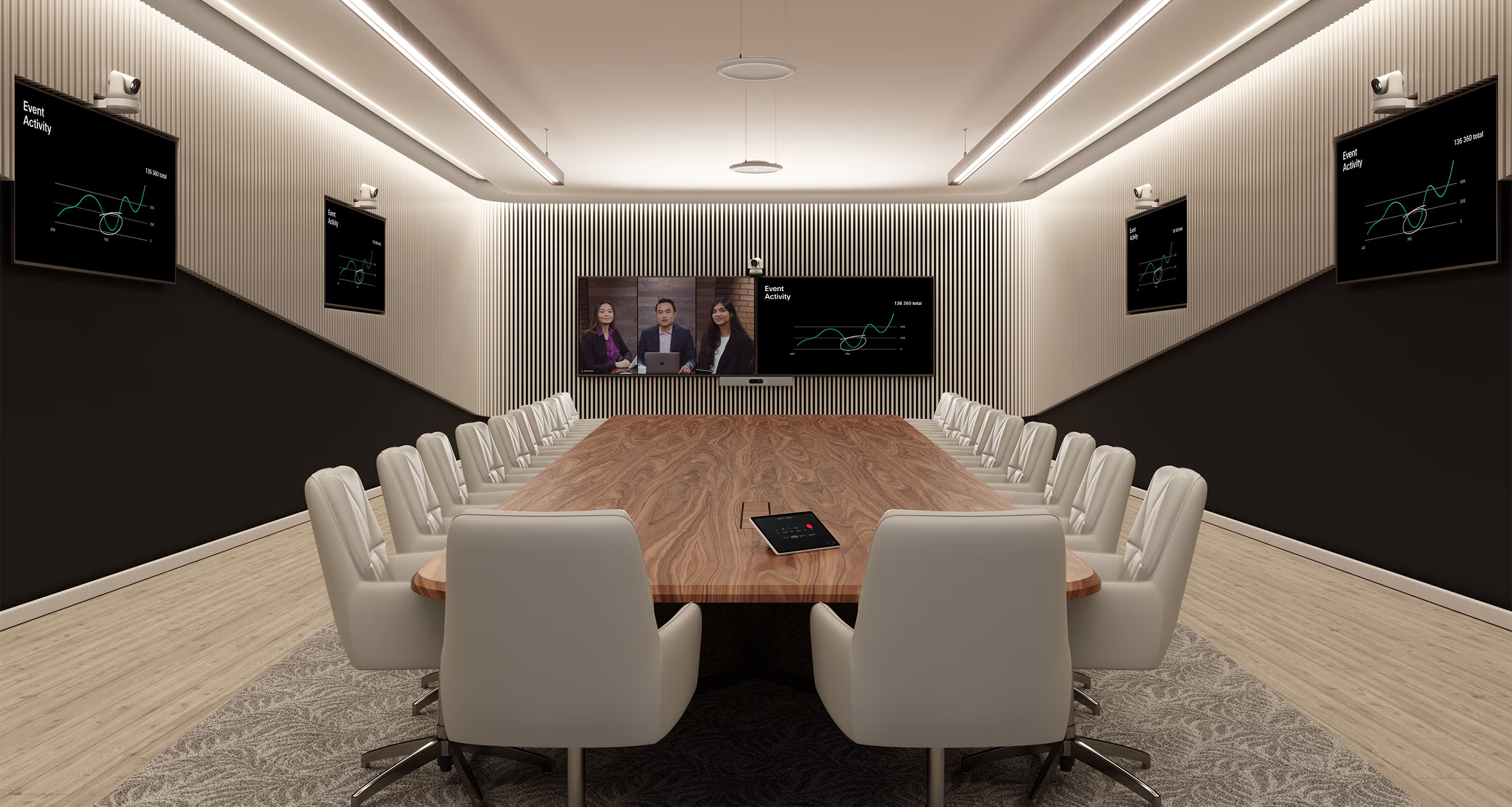
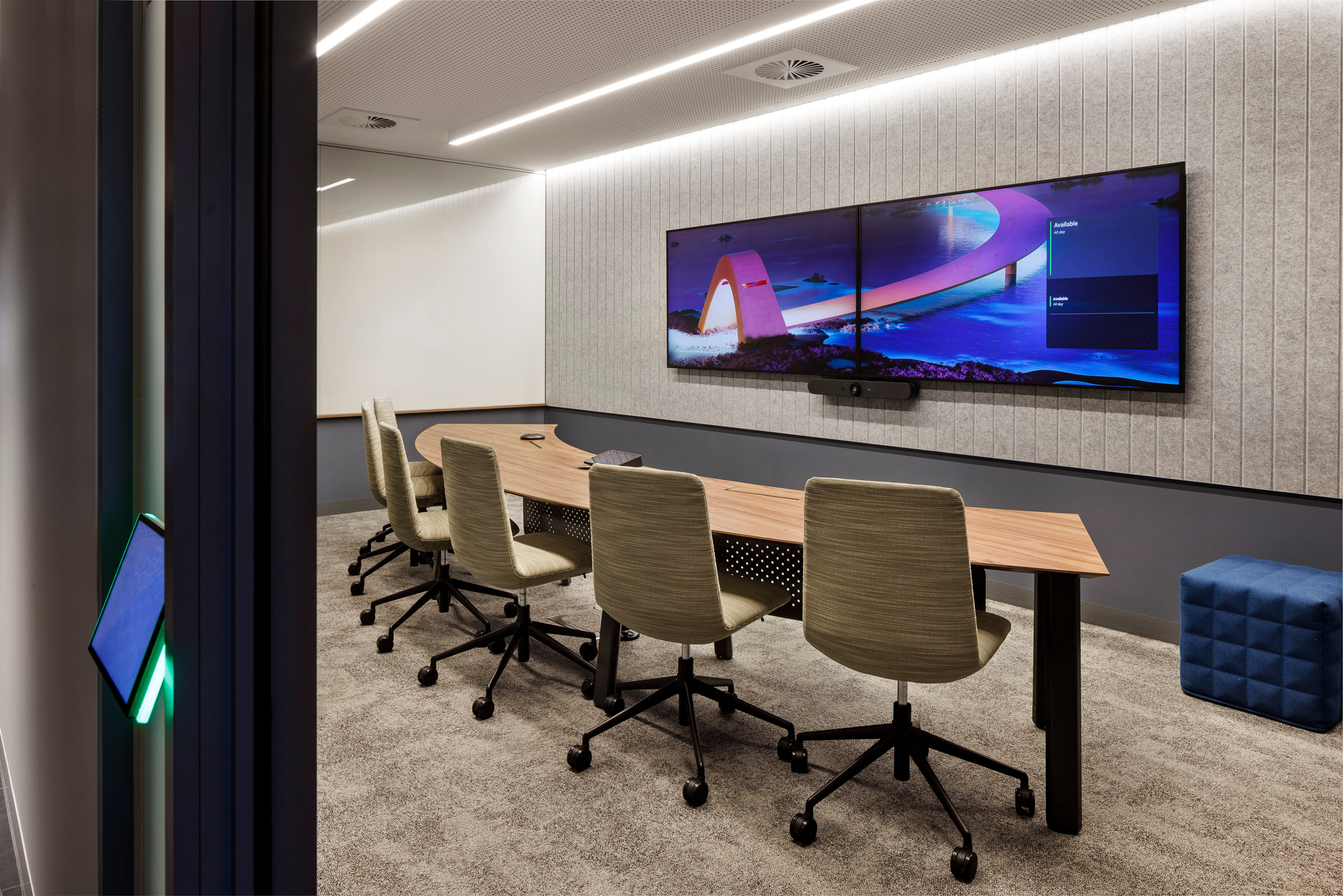
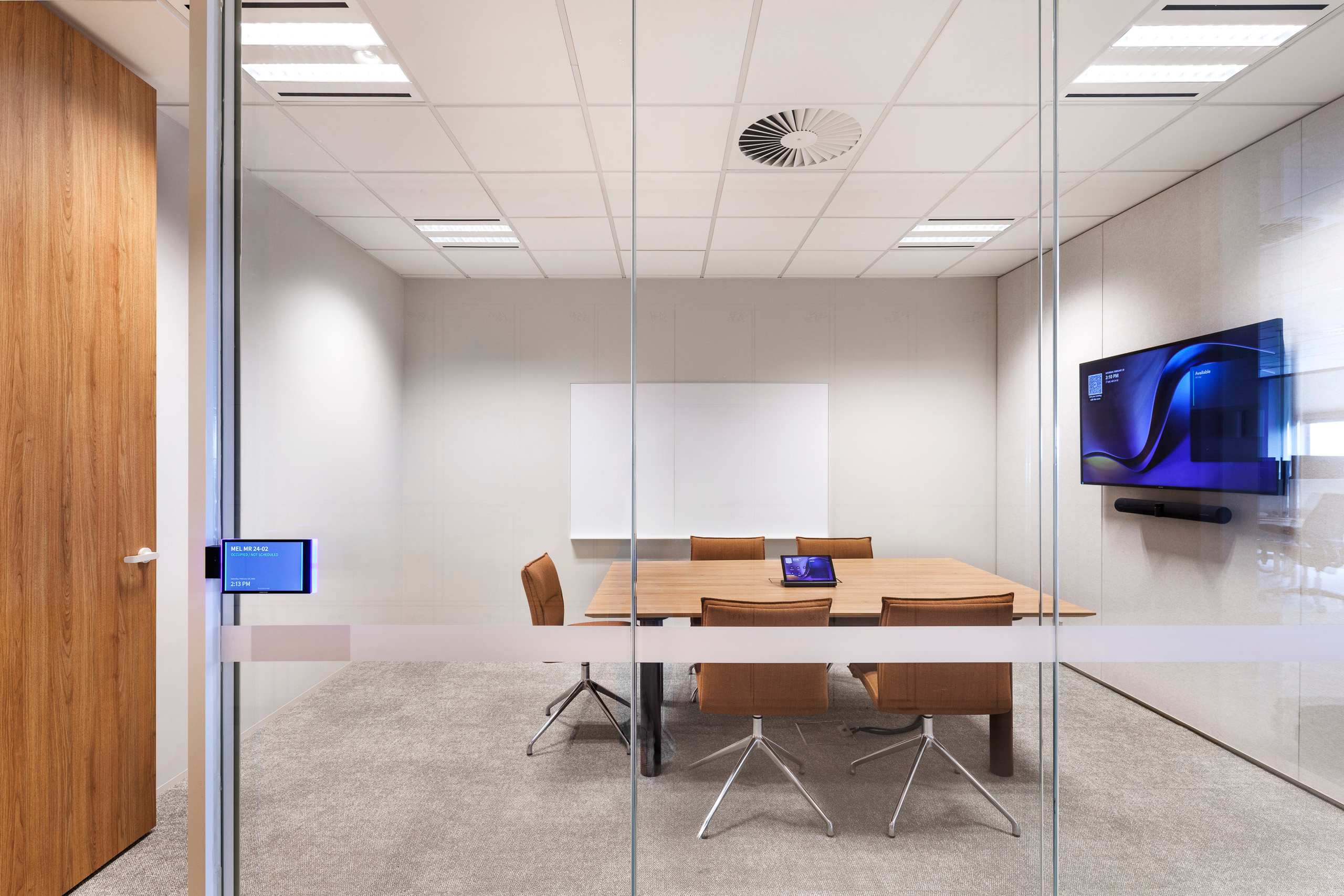
For AV and workplace teams, that means thinking beyond the installation. A room should have a clear purpose, a defined technology standard, a support model, monitoring where appropriate and documentation that makes the system easy to manage over time.
For larger organisations, especially those operating across multiple Australian sites, consistency becomes important. If every site uses different naming, device structures, room types and support processes, the data becomes harder to compare. A national room standard does not need to make every space identical, but it should make the estate easier to understand and improve.




.jpg)
.jpg)







.png)







.jpeg)





.avif)




.jpeg)


.webp)