Why Workplace Technology Must Be Considered in Lease Planning by Australian Organisations

Organisations across Australia with office lease expiries between 2028 and 2031 are entering a critical planning window that will shape long-term workplace strategy.
While property decisions have traditionally focused on location, floorplate efficiency and commercial terms, workplace technology is increasingly being considered at the same stage asl ease evaluation.
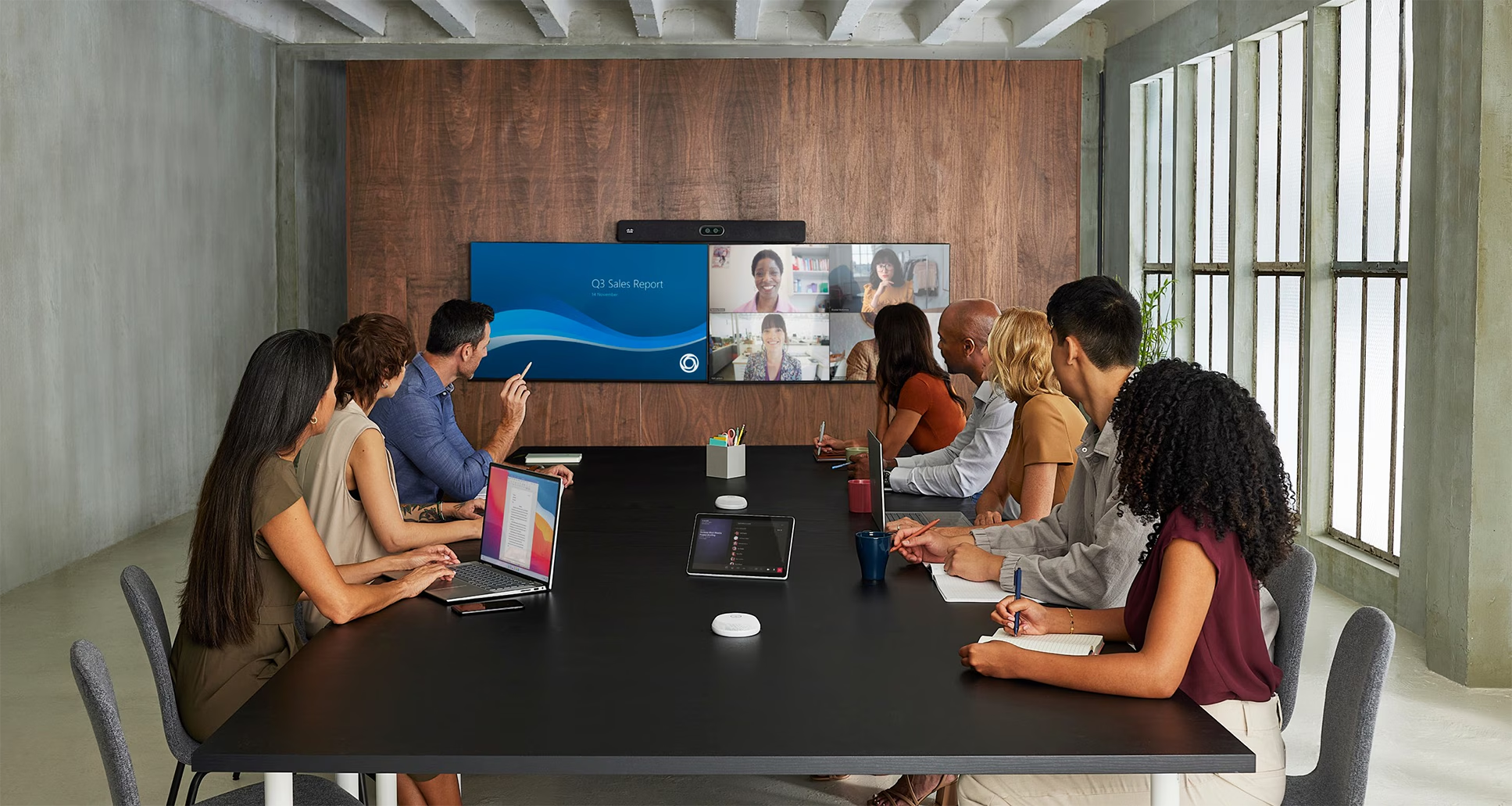
Over the past five years, the function of the office has shifted. Meeting rooms are now connected environments integrated with corporate networks, collaboration platforms and workplace management systems. Audiovisual infrastructure is no longer limited to presentation equipment. It forms part of the operational backbone of modern workplaces.
Technology Requirements Are Influencing Space Design
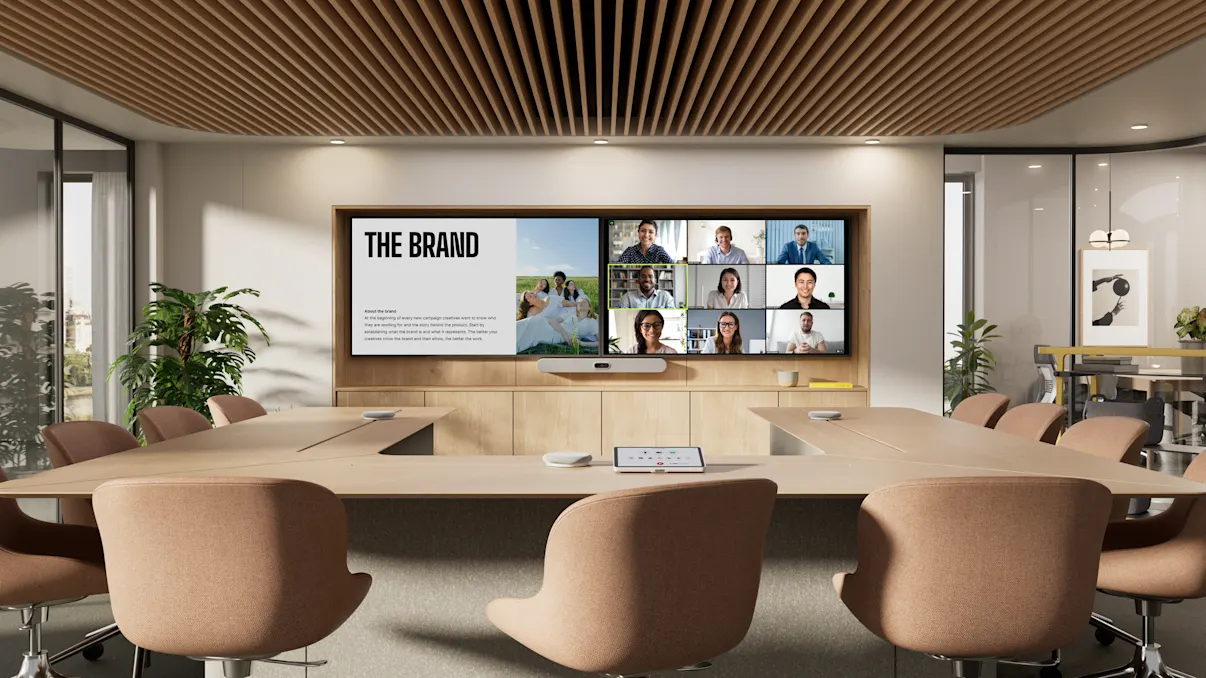
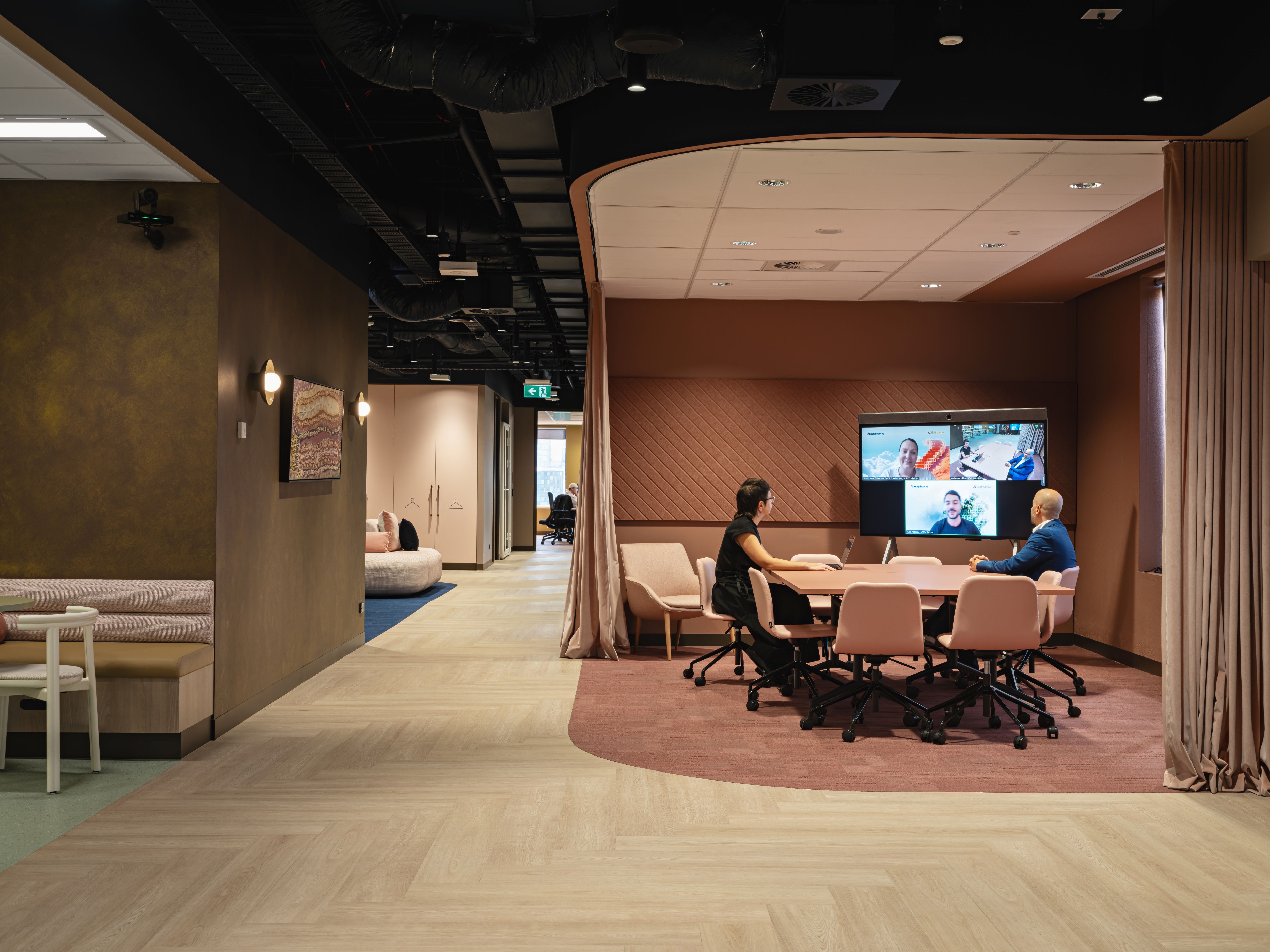
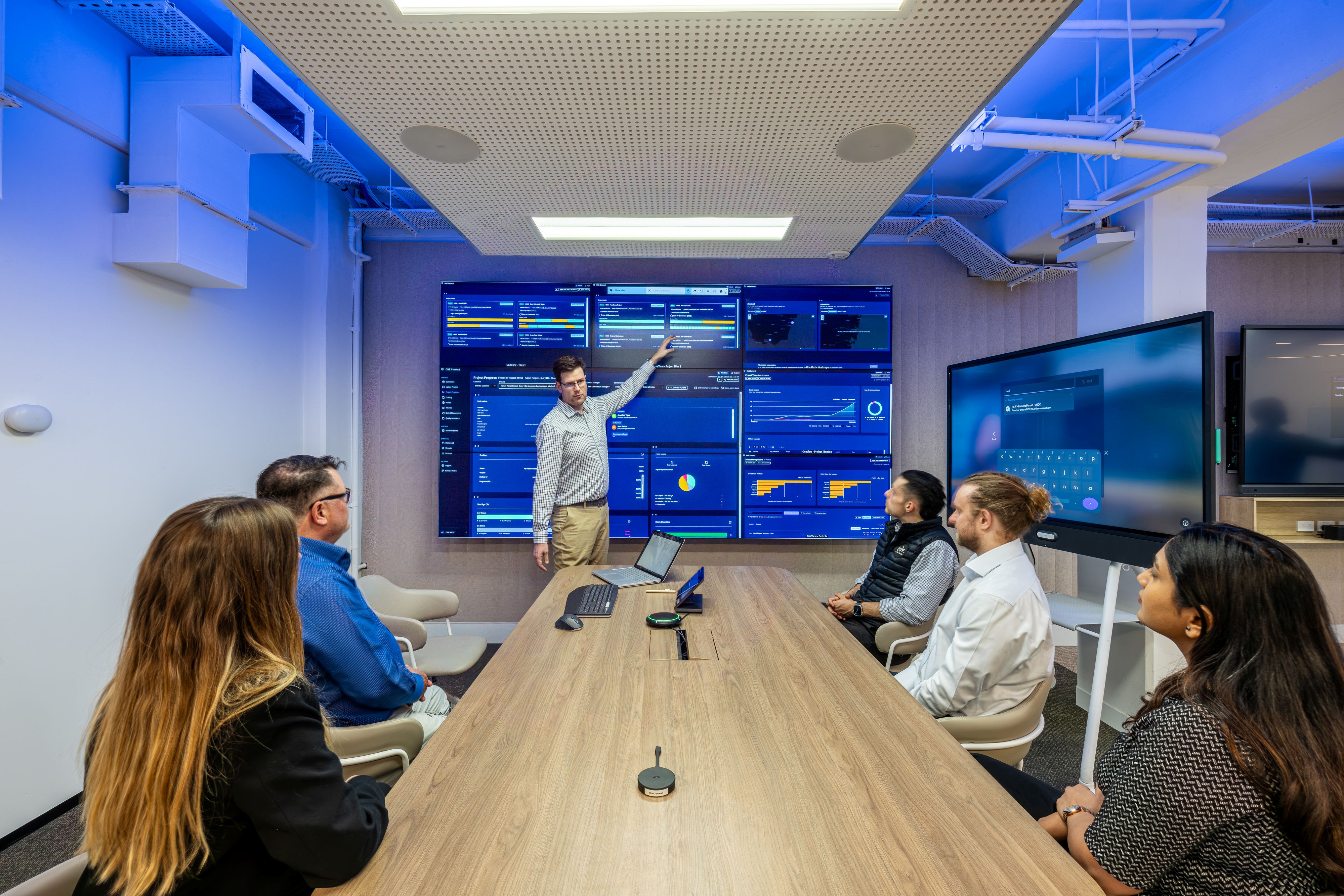
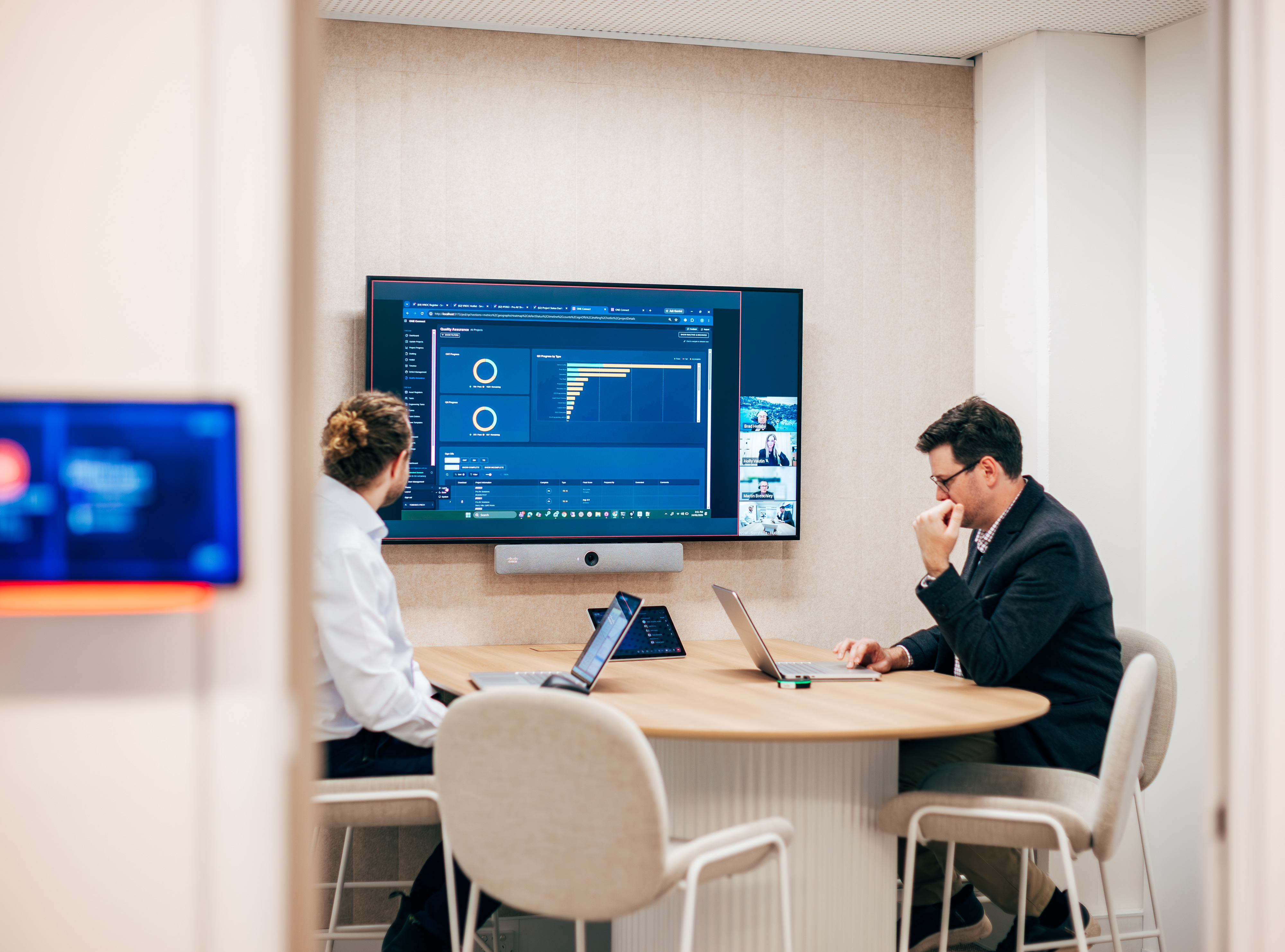
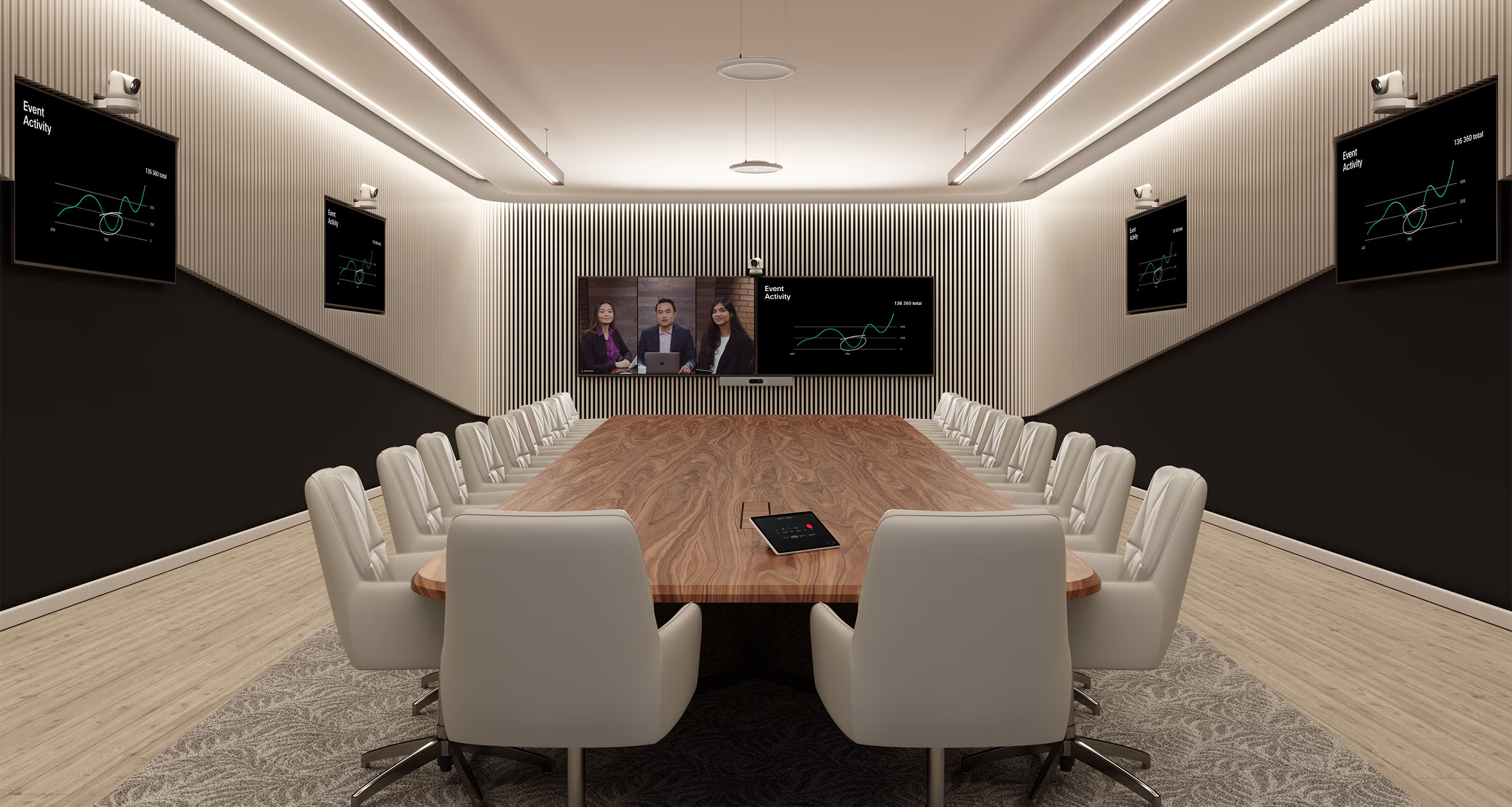
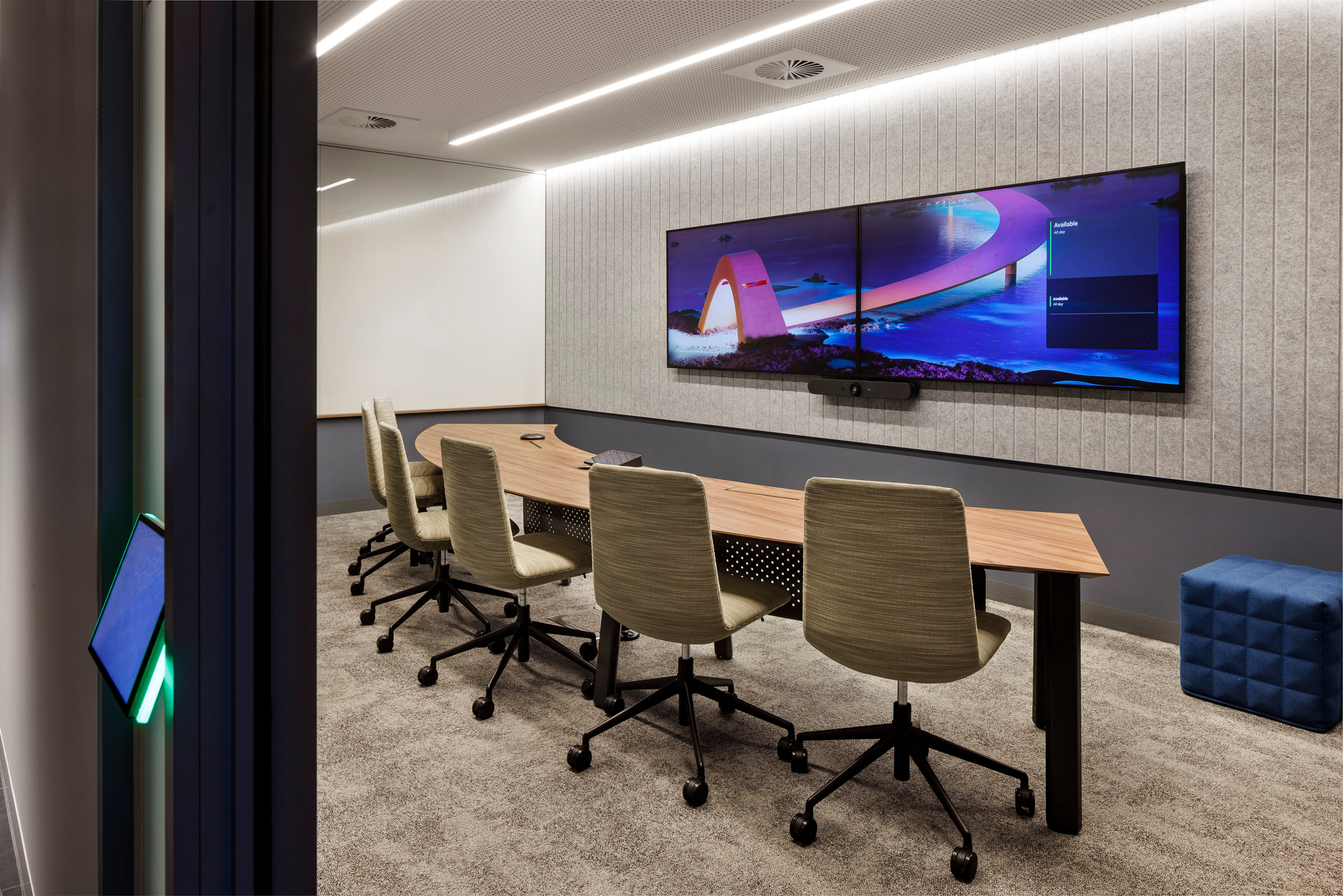
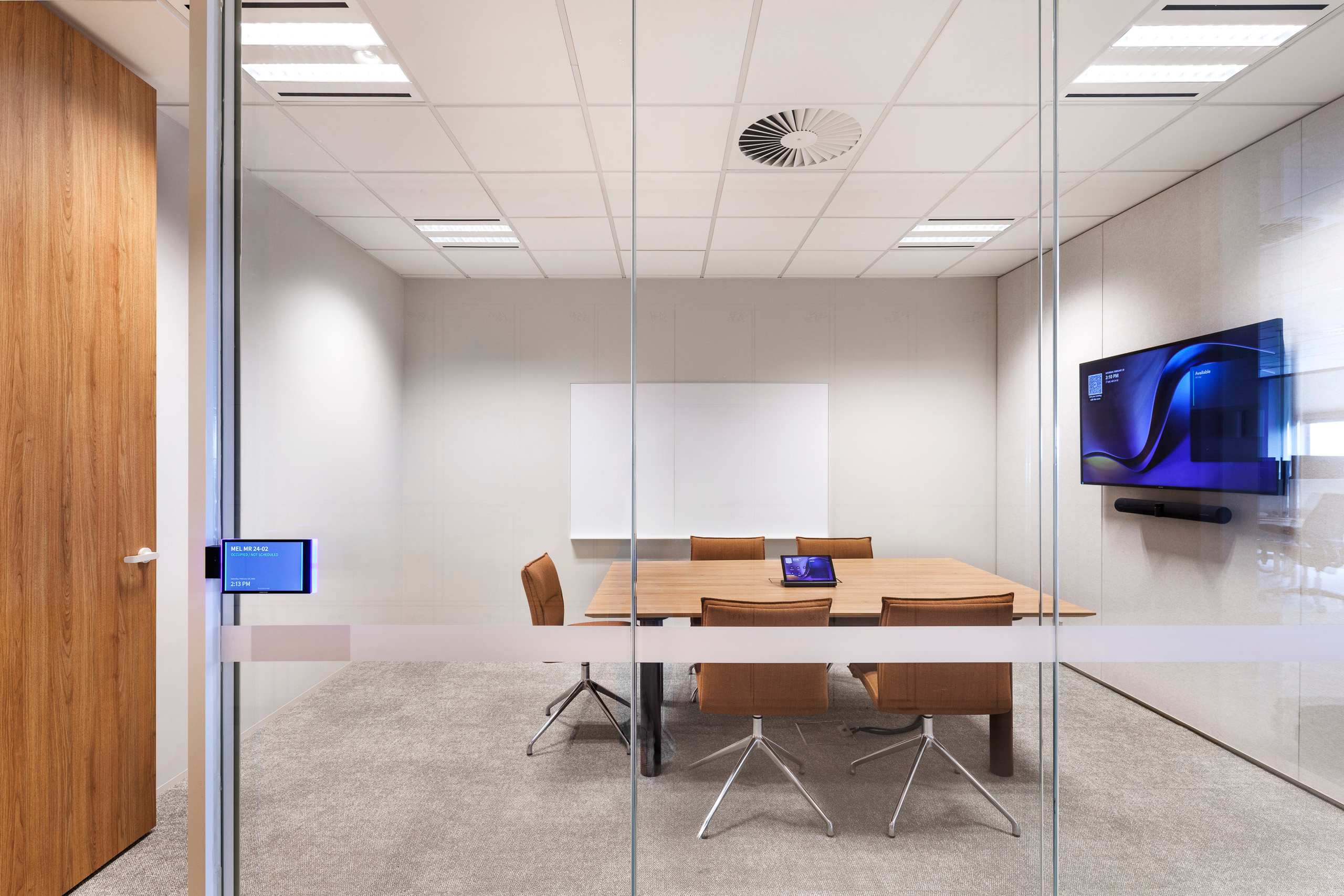
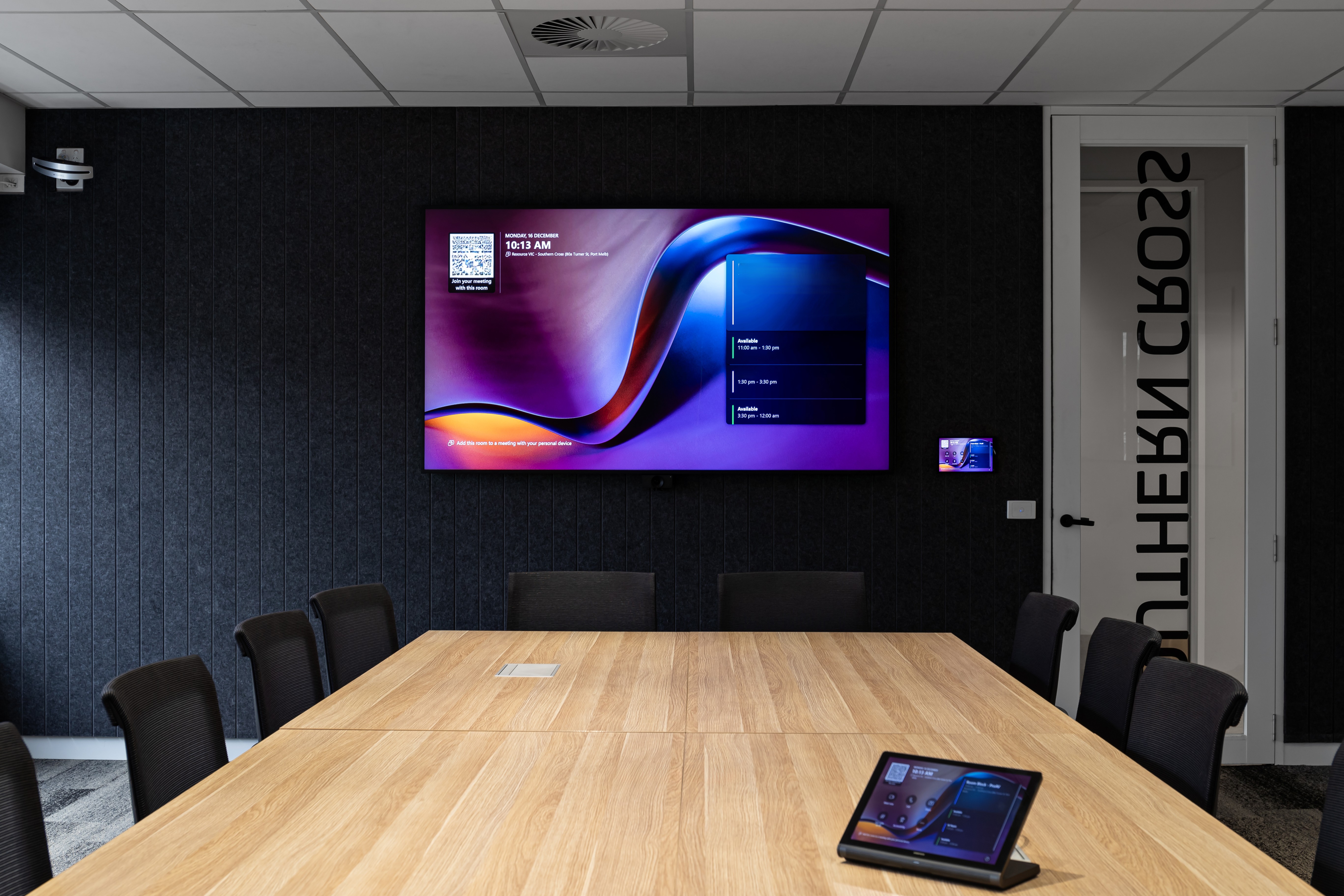
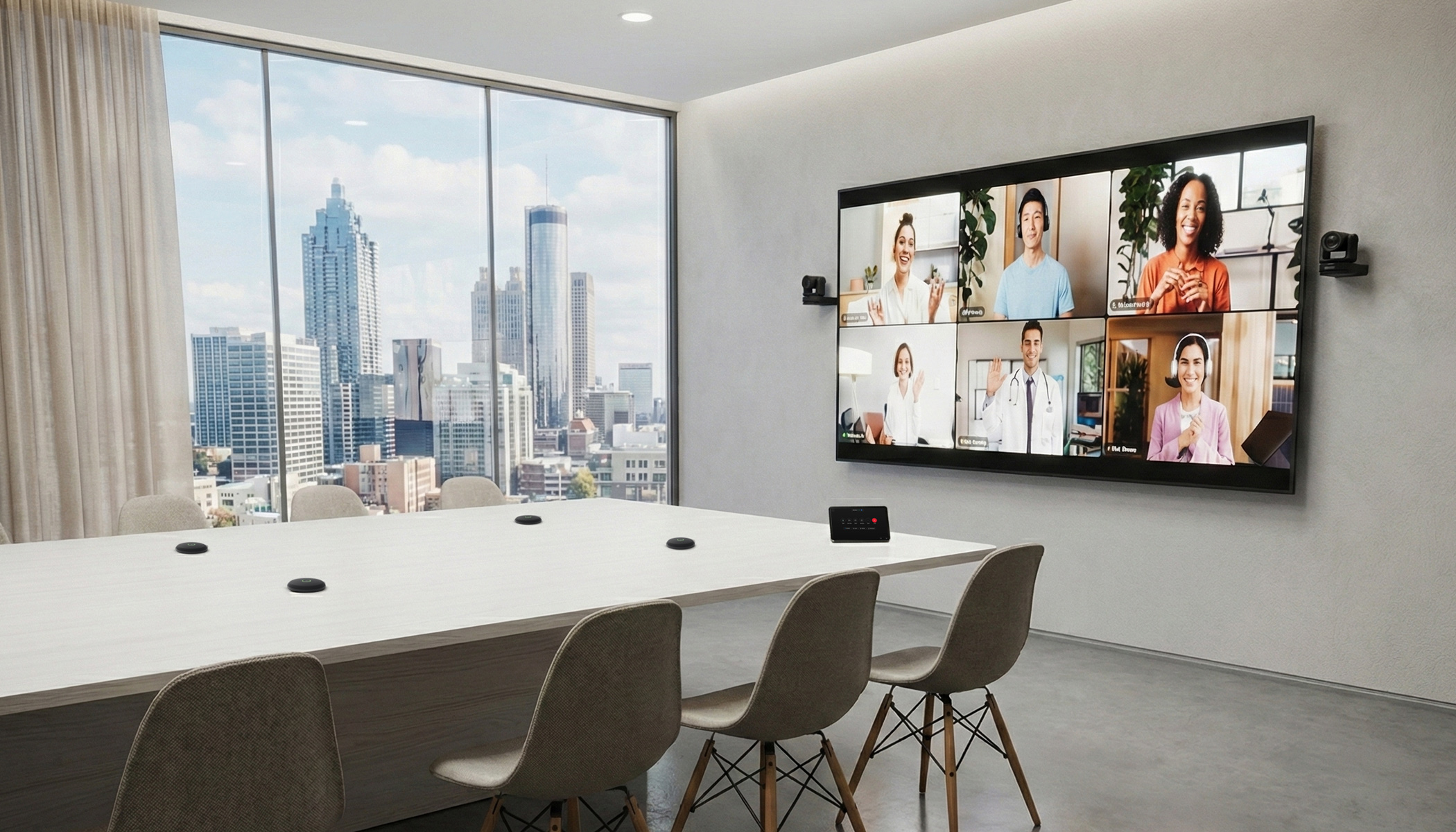
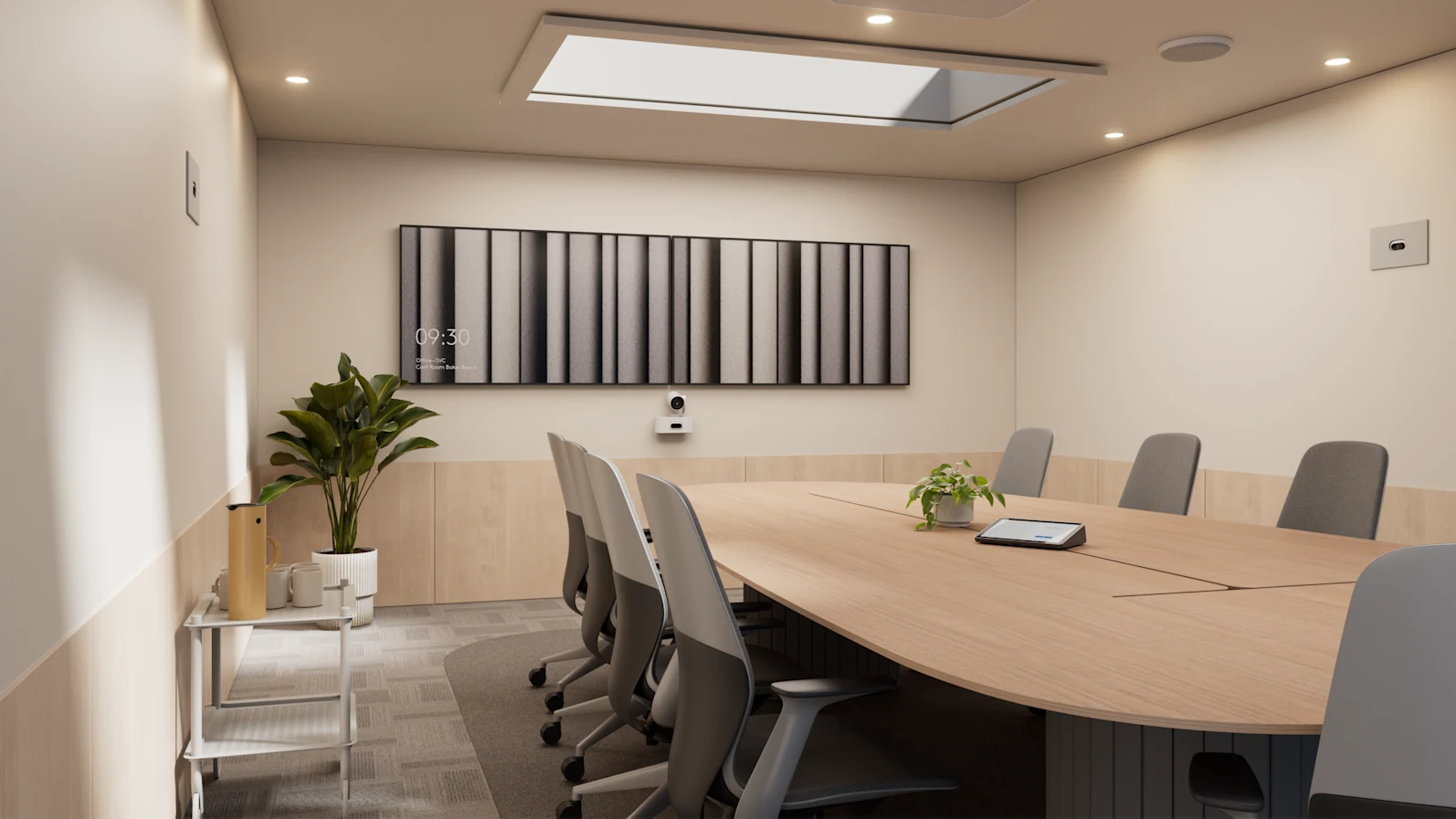
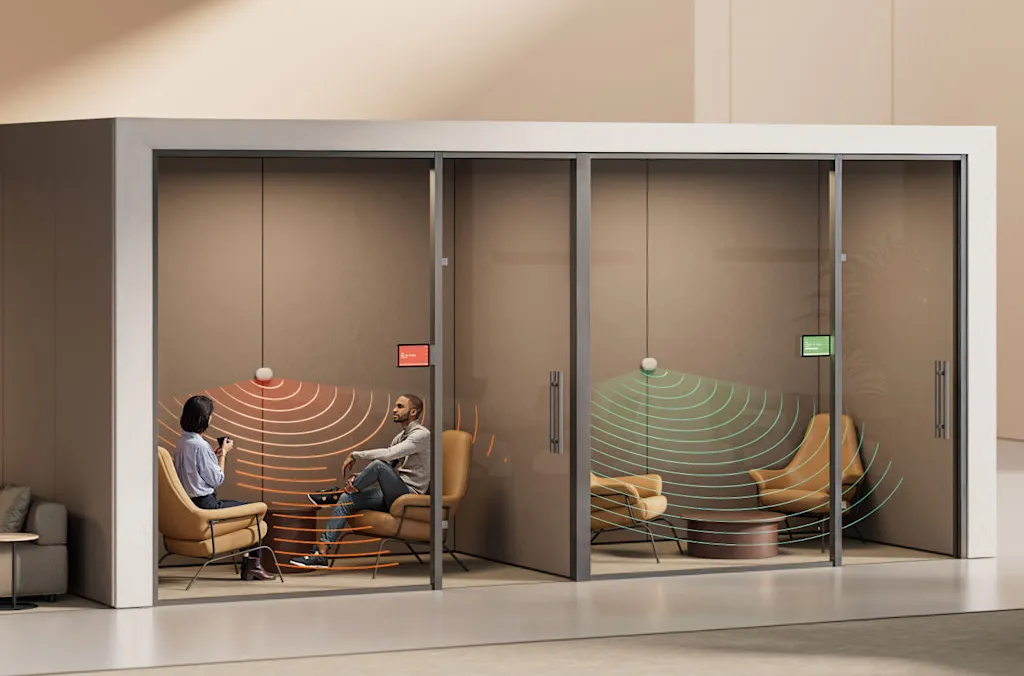
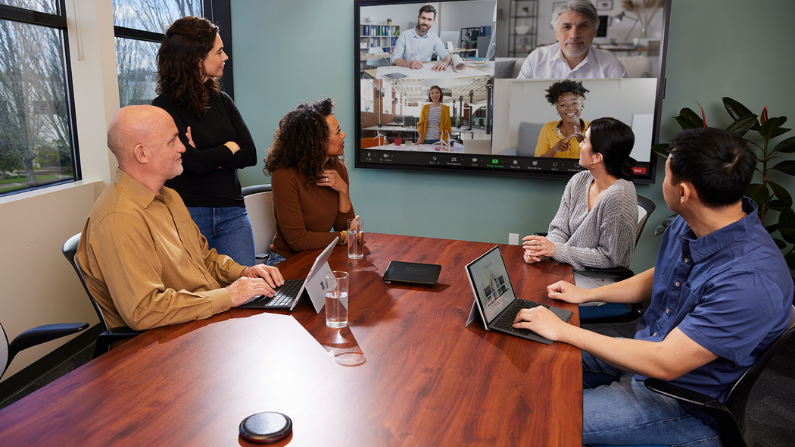
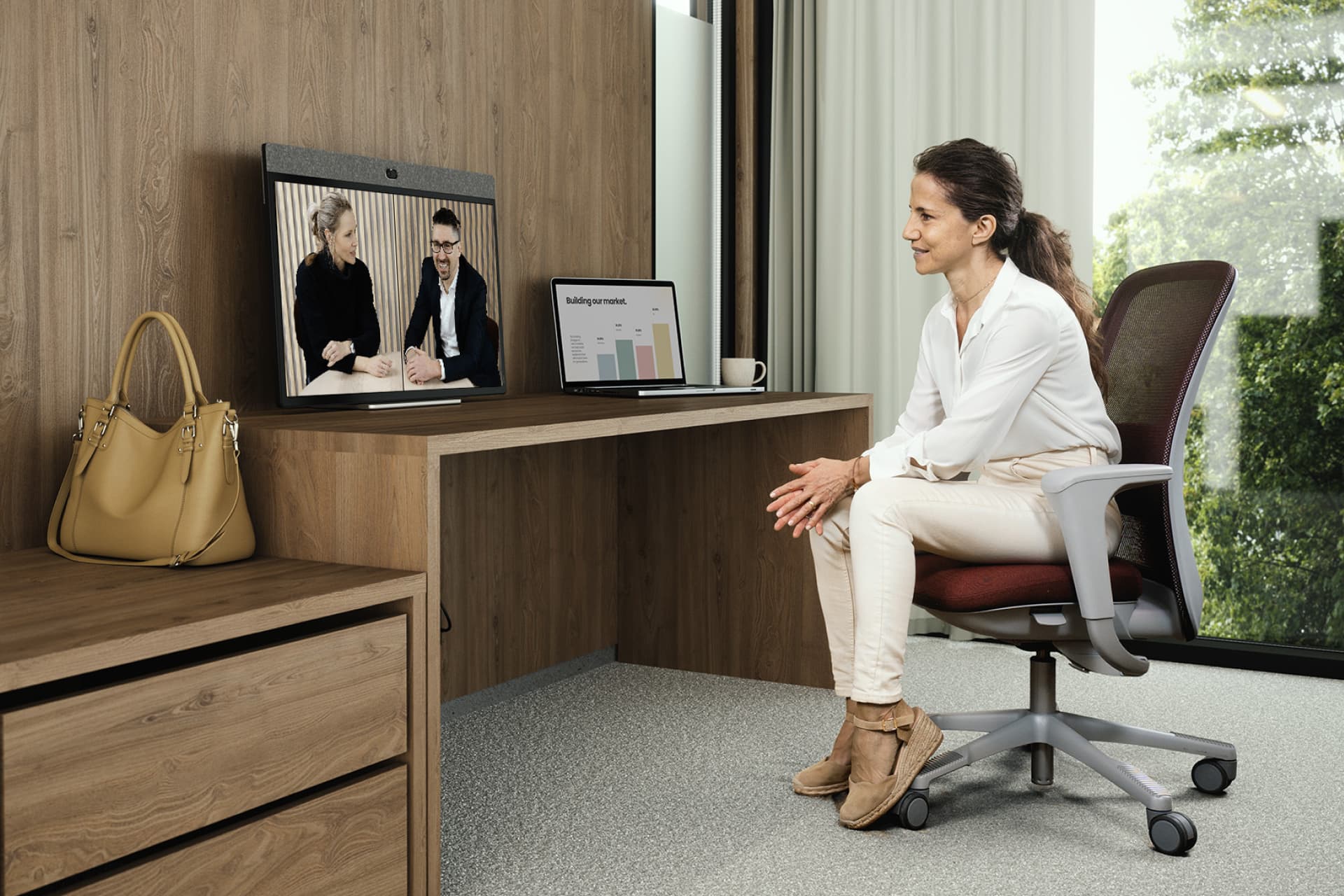
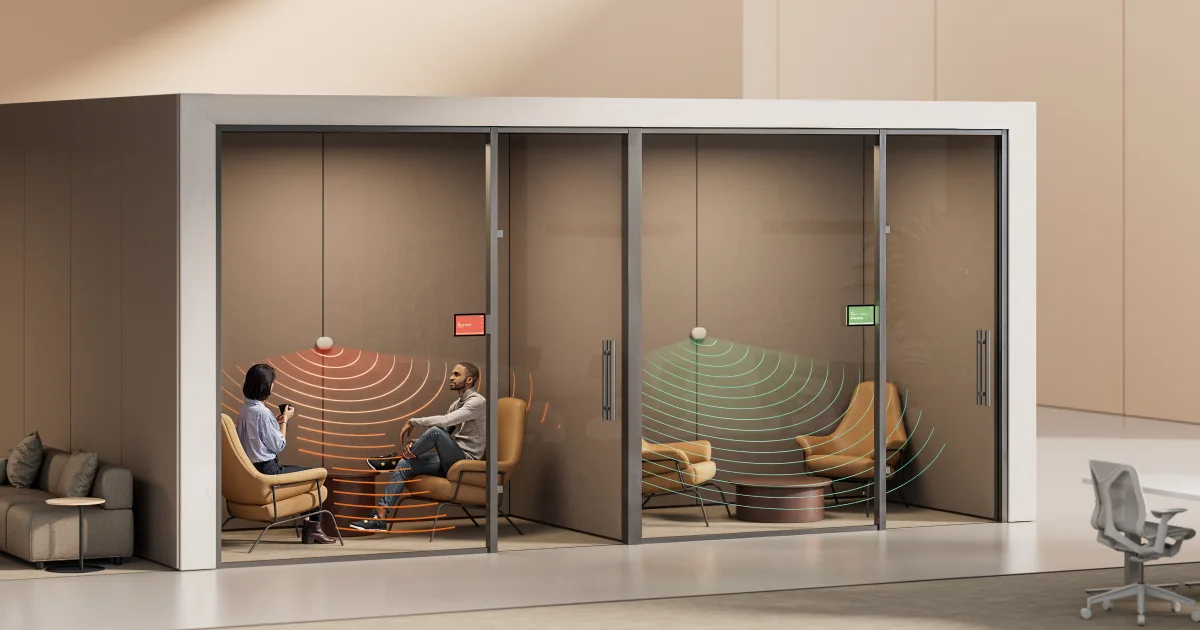
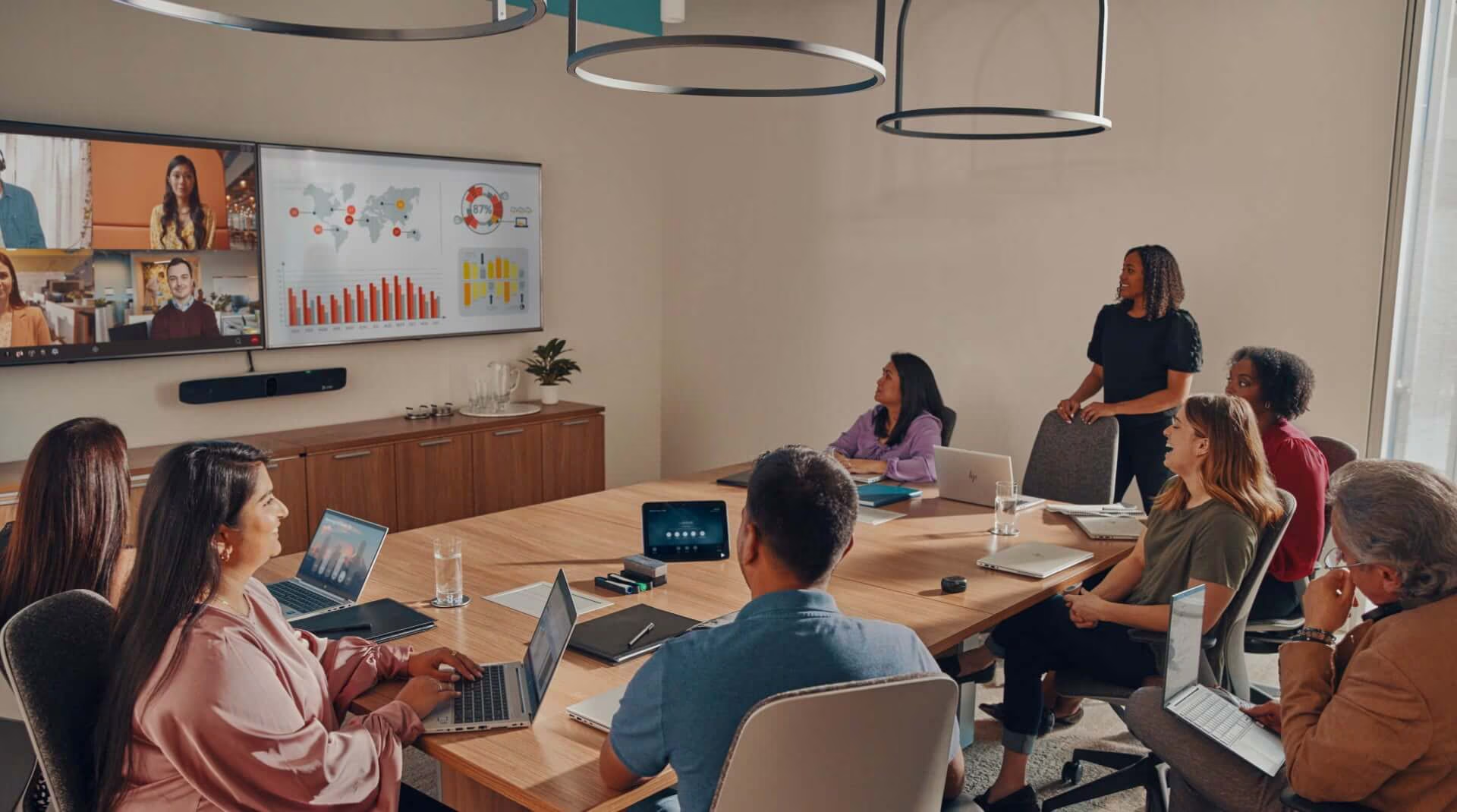
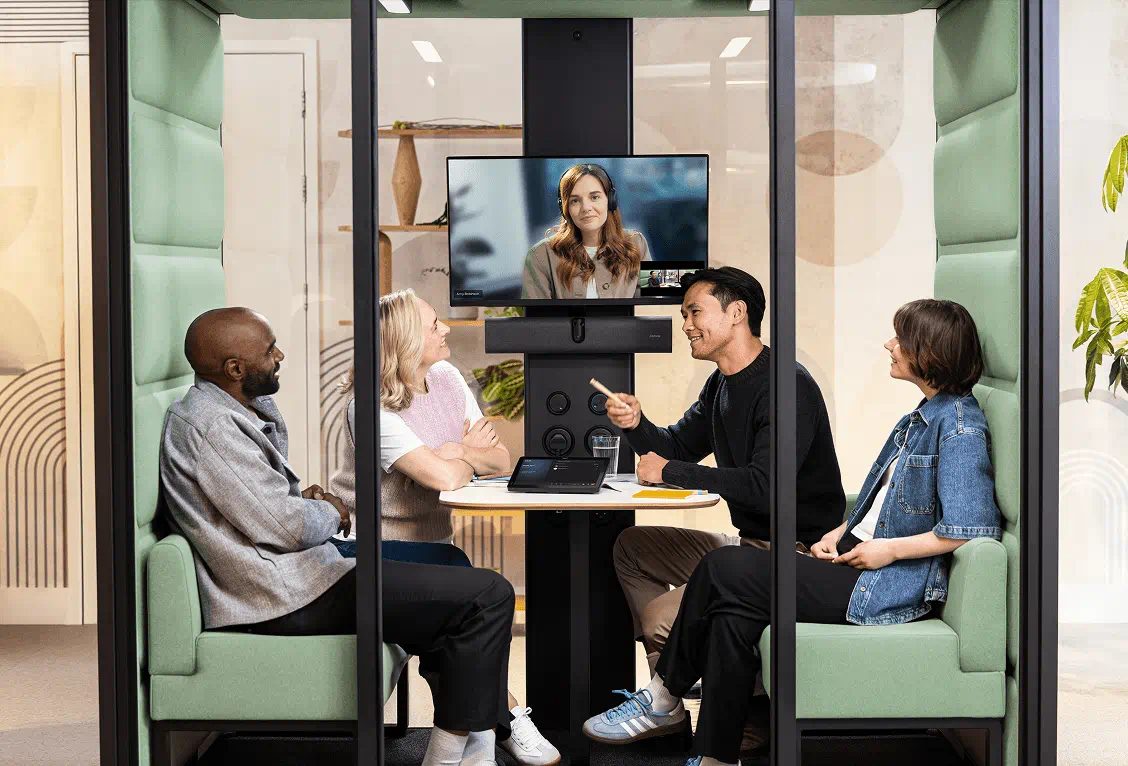
Hybrid collaboration has changed room specifications across Australian workplaces. Larger displays, broader audio coverage, acoustic treatment, camera placement and integrated control systems are standard features in many premium office environments.
These requirements directly influence ceiling layouts, lighting configuration, power distribution and data infrastructure. When technology planning occurs late in the fit-out process, design flexibility narrows and construction variations can increase.
Bringing technology planning into early lease discussions allows infrastructure requirements to be incorporated into architectural and engineering design documentation rather than adapted later.
Capital Planning and IT Governance
Workplace AV environments now commonly include:
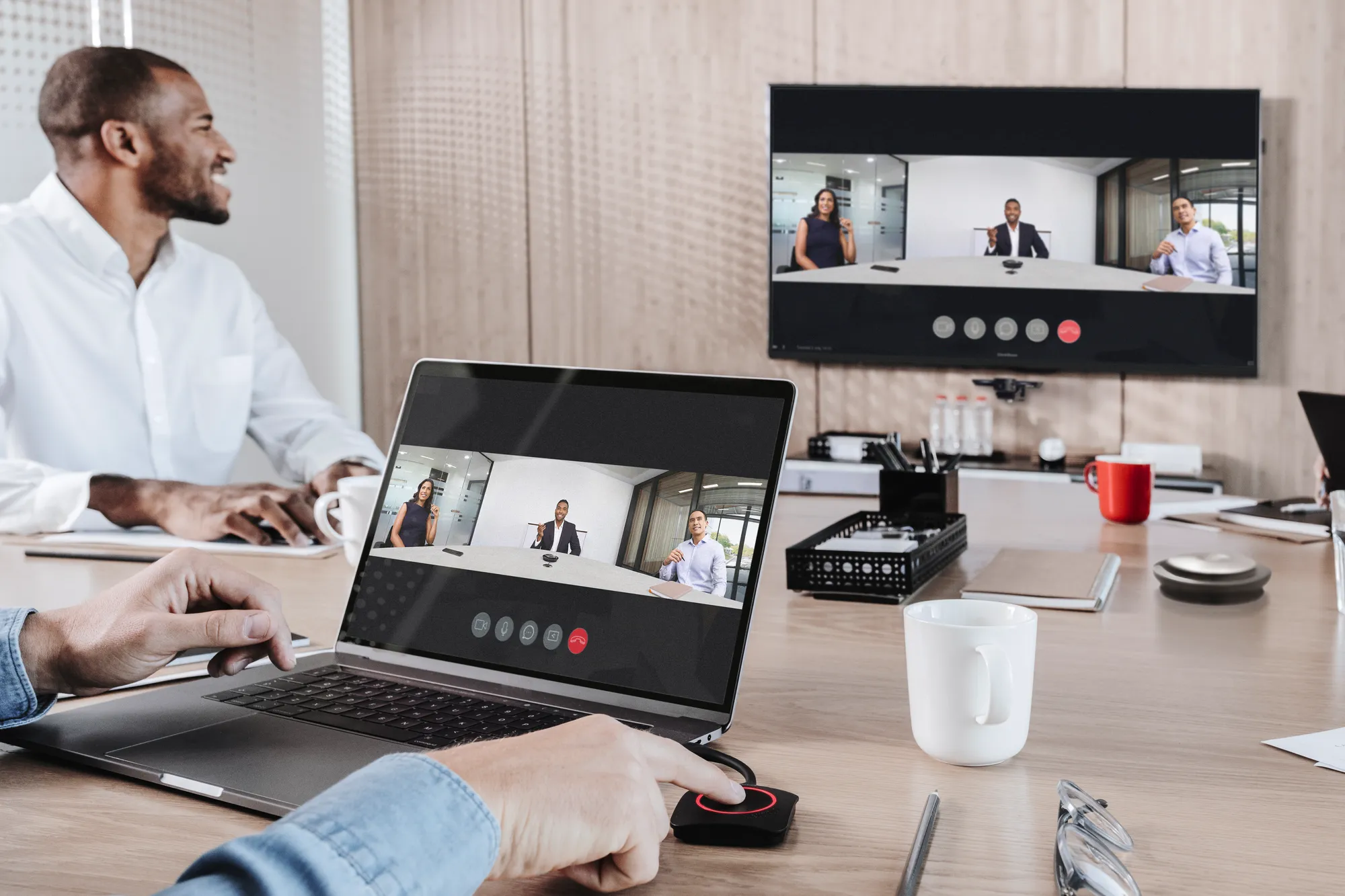
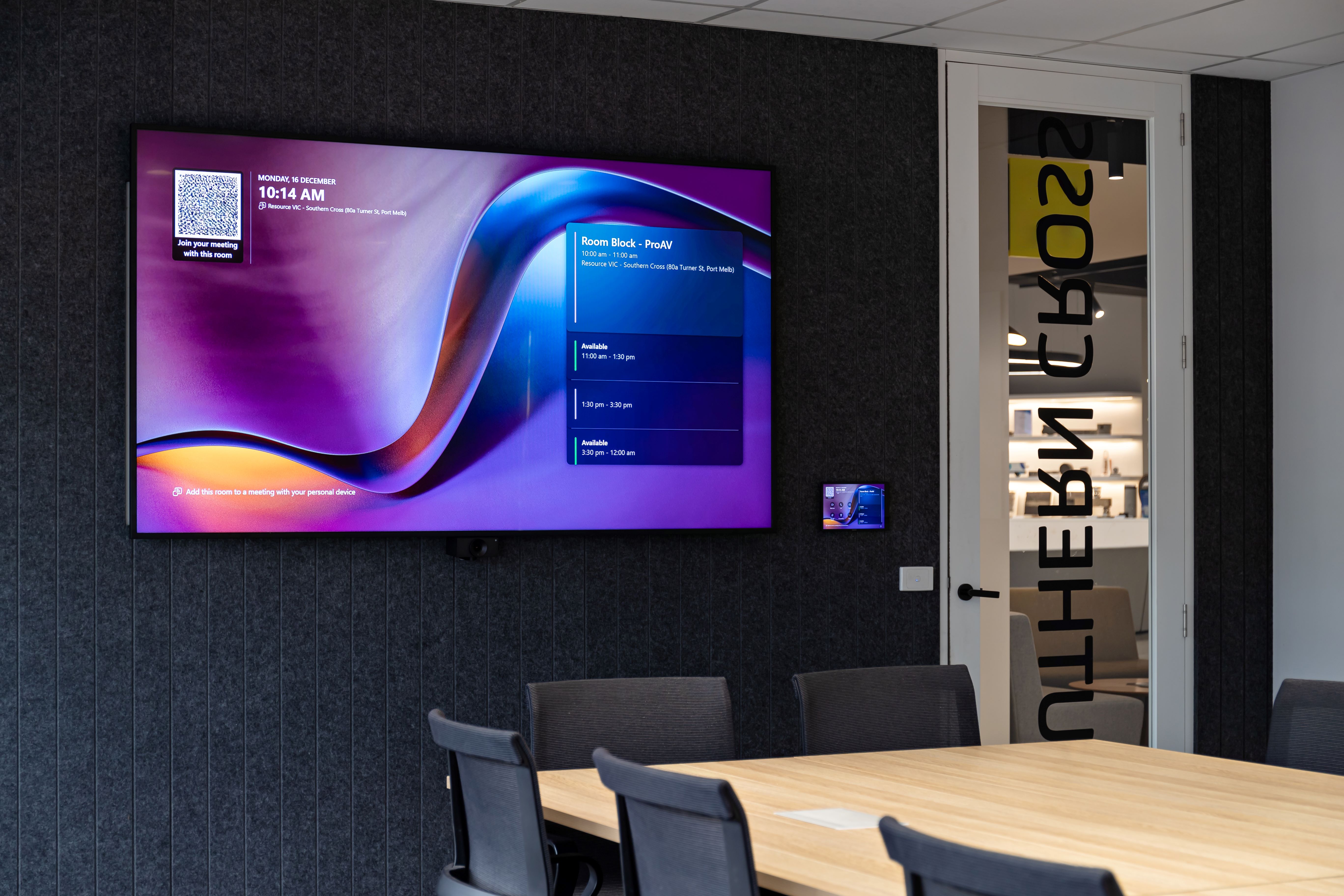
· Integrated Microsoft Teams and Zoom room ecosystems
· Centralised monitoring and remote management platforms
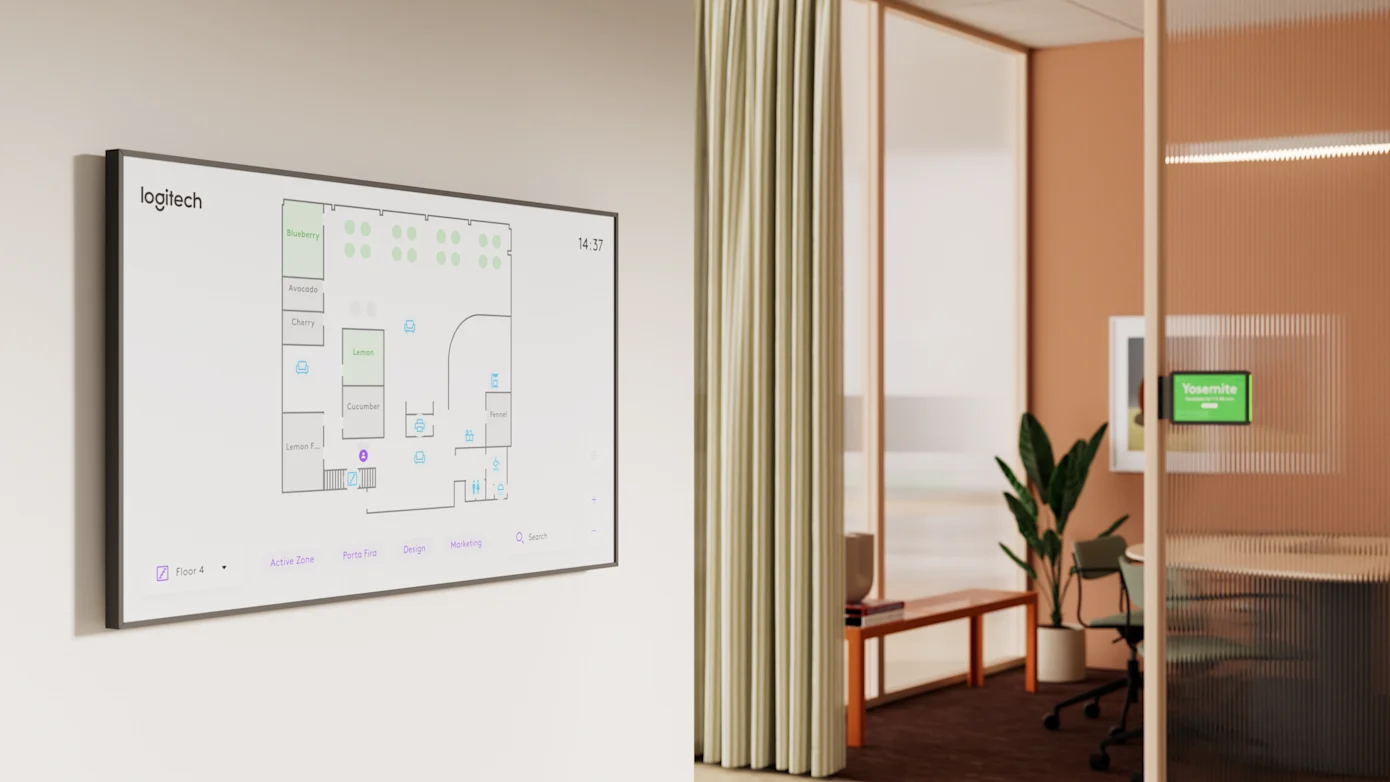
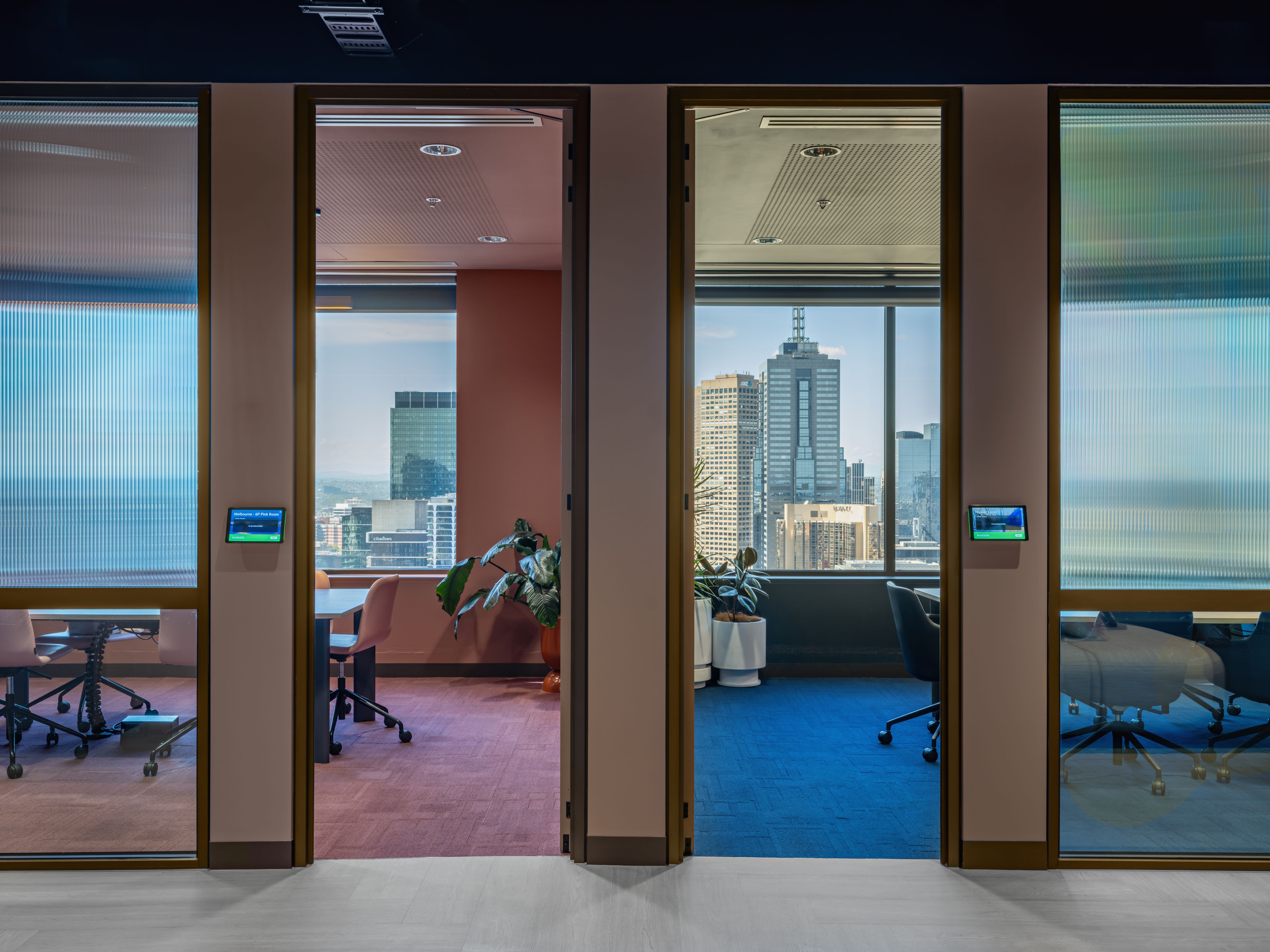
· Room booking and utilisation analytics systems
· Digital signage networks
· Network-connected device fleets
Because these systems operate within corporate IT environments, they must align with cybersecurity policies, identity management frameworks and device lifecycle strategies.
Early planning provides clearer capital forecasting and reduces the risk of late-stage budget adjustments during construction.
Standardisation Across Portfolios
For organisations operating across multiple cities, technology standardisation is increasingly tied to lease cycles. Relocations and renewals provide an opportunity to implement consistent room configurations, control platforms and support frameworks.
Inconsistent technology environments increase operational complexity and support overhead. Aligning workplace technology decisions with lease transitions enables national consistency and more predictable lifecycle management.
Operational Flexibility Over Lease Duration
Workplaces are being designed to accommodate changes in headcount and team structure across the life of a lease. Modular AV systems and scalable licensing models support room reconfiguration without full replacement.
Evaluating technology requirements at the lease strategy stage allows organisations to assess performance across the full lease term rather than solely at initial occupancy.
Market Conditions Add Pressure to Timing
Across major Australian CBD markets, prime office space continues to attract demand, while secondary stock records higher vacancy. As organisations compete for higher-quality assets, early planning increases the ability to secure preferred buildings and integrate infrastructure requirements into base building works and incentives.
Lease planning cycles are therefore becoming a trigger for broader workplace strategy reviews, including technology infrastructure.
As lease review cycles accelerate through the latter part of the decade, workplace technology is moving from a late-stage fit-out consideration to a defined component of strategic property planning.
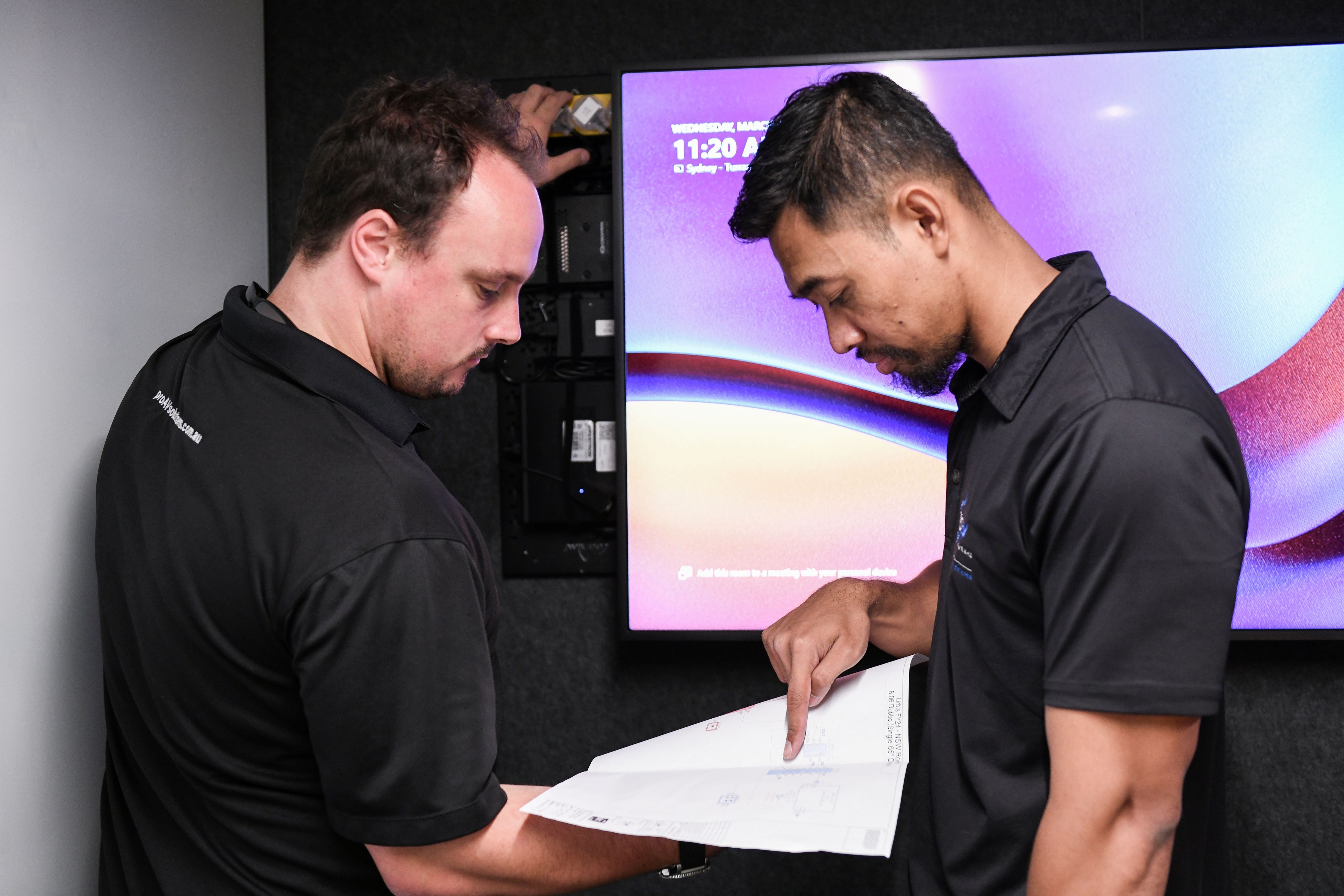
For organisations approaching lease expiry within the next three to five years, coordination between property, IT and workplace technology teams is becoming part of standard planning practice.





.jpg)
.jpg)







.png)










.jpeg)







.avif)




.jpeg)


.webp)