Dicolor Australia: Why Fine-Pitch LED Is Changing Workplace Design

LED displays are increasingly being considered early in the design of workplaces and public spaces. Finer pixel pitch, improving energy efficiency and more accessible price points are expanding the range of projects where LED can be a realistic option.
For Dicolor Australia, the shift is not only about brighter or larger screens. It is about treating display technology as part of the architecture and the experience of a space.
From a fixed screen to a flexible design element
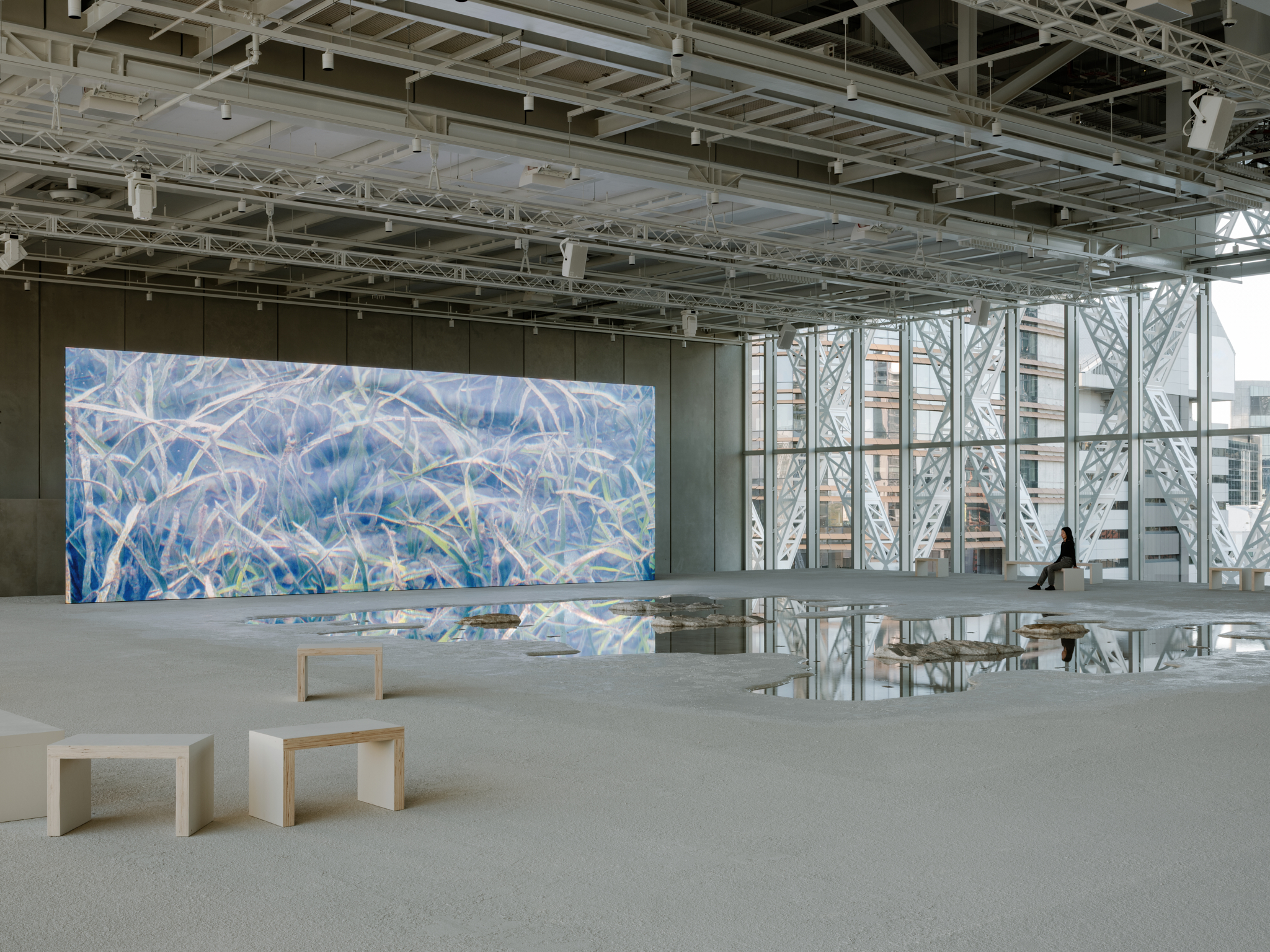
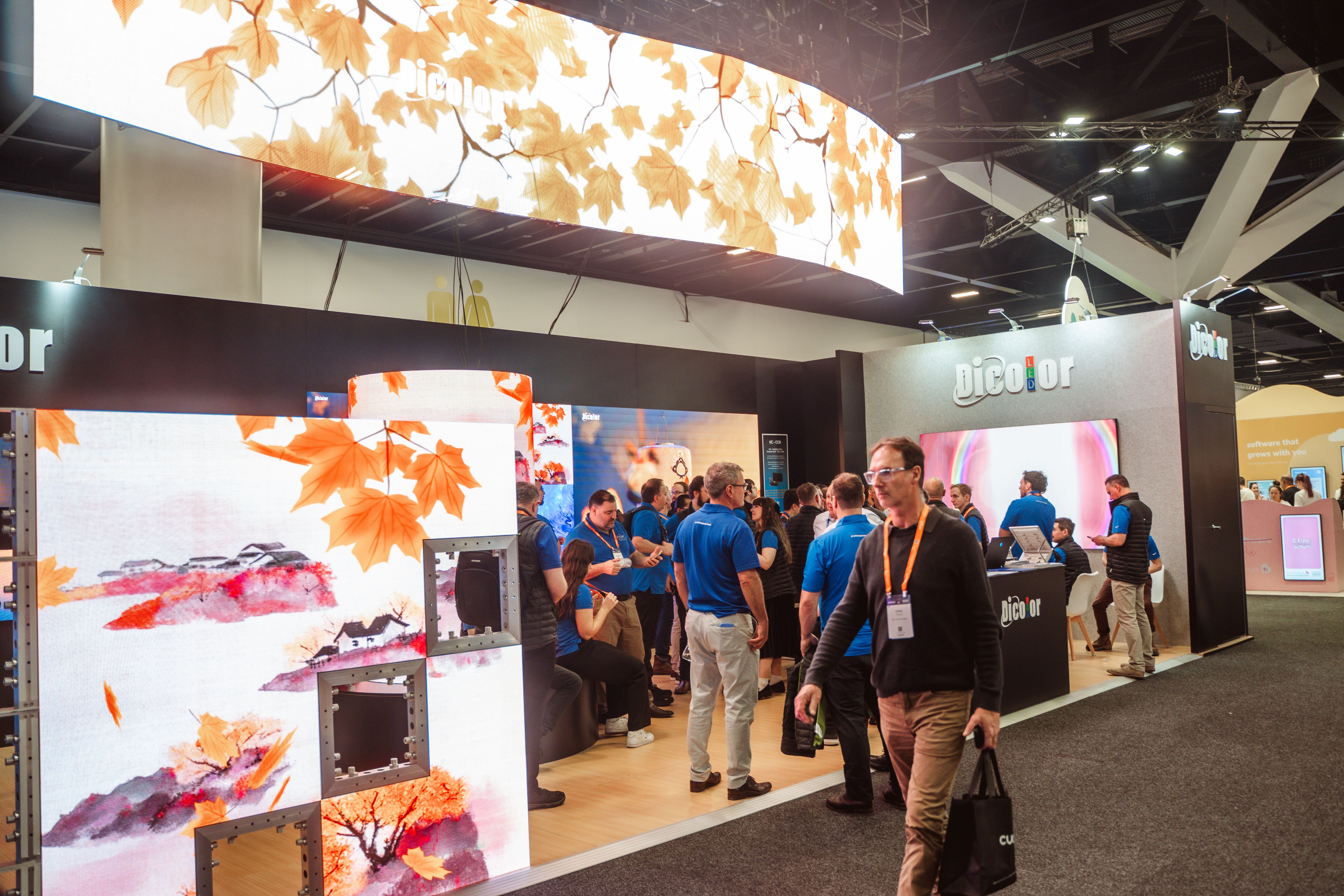
Unlike a display purchased in a predetermined size, modular LED can be tailored to fit a particular area. That gives architects, consultants and AV teams more freedom when planning reception areas, meeting spaces and public-facing environments.
Dicolor demonstrated the idea with two display surfaces designed to move together and form a single screen. Developed with an architect, the concept shows how LED can be built into the way a space changes and functions rather than added after the design is complete.
What is driving demand for fine-pitch LED?
A smaller pixel pitch places the light-emitting elements closer together, allowing higher-resolution images at a given screen size. Improvements in power consumption and cost are also helping expand the technology's appeal, according to Dicolor.
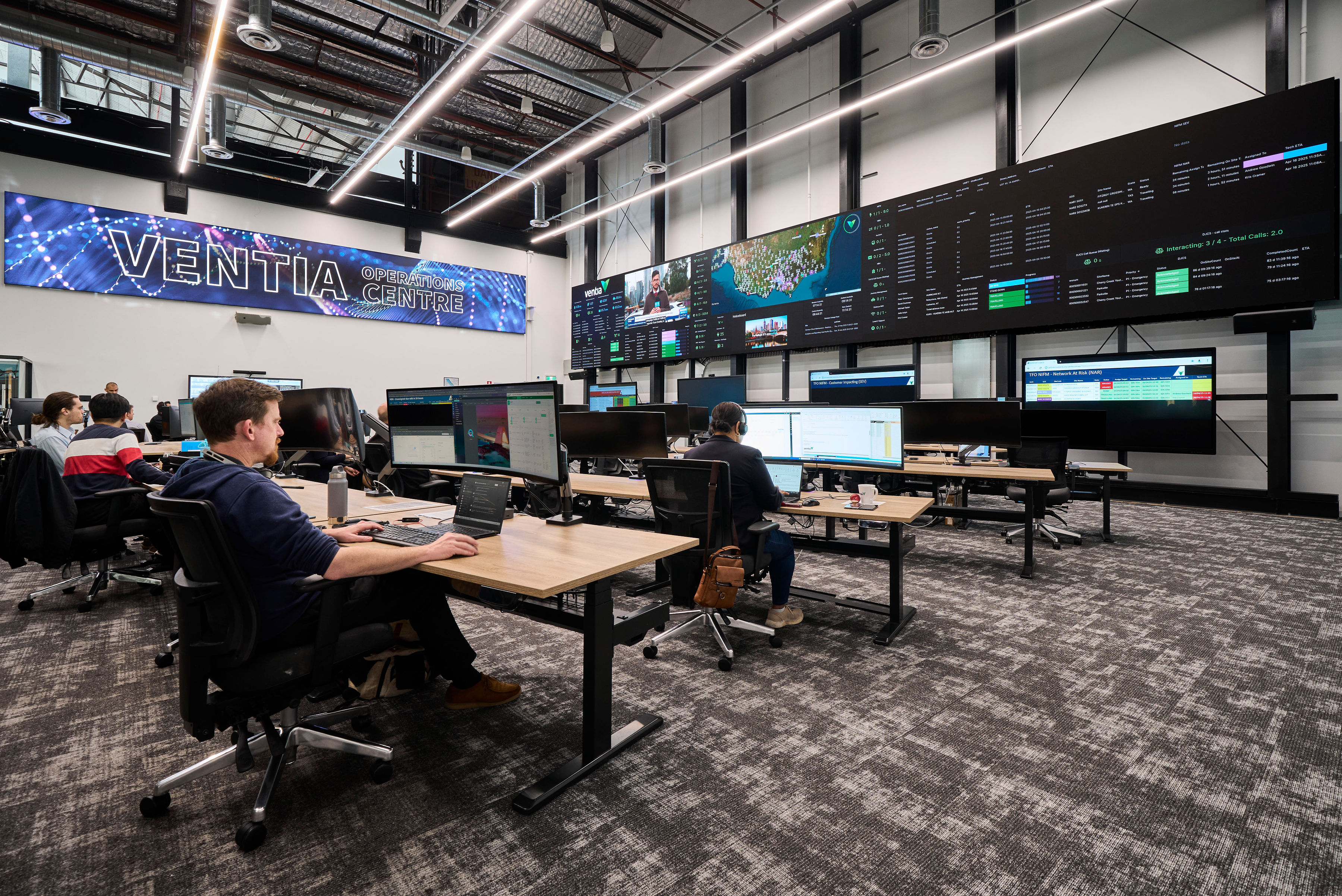
The range of uses is growing too. Organisations are considering LED for digital signage, wayfinding, interactive content and large-scale visual experiences. In naturally bright environments, its light output can be another reason to assess LED alongside conventional displays.
The right solution still depends on viewing distance, content, installation requirements and the intended role of the screen.
What's next for LED technology?
Dicolor highlighted developments in MIP technology and ongoing research into chip-on-glass approaches as examples of how manufacturers are seeking finer detail and more flexible displays.
These emerging formats are part of a development direction, not a guarantee that every concept is commercially available today. The more immediate opportunity is to involve the design and AV teams early so that the display works with the space, rather than the space having to work around the display.