Cisco WebexOne 2026: A New Chapter for Intelligent Workplaces and Collaboration
From AI-powered meeting rooms to connected workplace management, Cisco's latest innovations bring new capabilities to how organisations collaborate, communicate and manage their spaces.
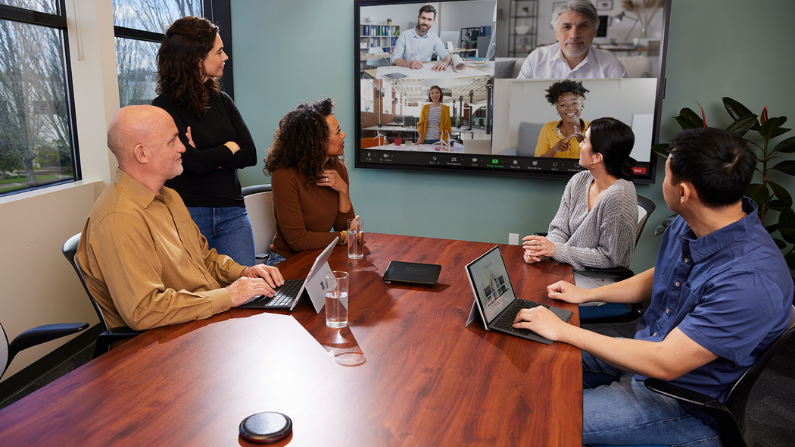
The modern workplace continues to evolve, with organisations looking beyond individual meeting room technologies to create more connected, flexible and intelligent working environments.
At WebexOne 2026, held in Austin, Texas, Cisco announced a series of innovations spanning collaboration devices, artificial intelligence, workplace management and customer experience.
Among the highlights were the introduction of Cisco RoomOS 27, expanded meeting platform interoperability, a new IP-connected ceiling speaker, and AI capabilities designed to support employees before, during and after meetings.
Together, these announcements reflect a broader development in workplace technology: the increasing integration of physical spaces, collaboration platforms, network infrastructure and intelligent management tools.
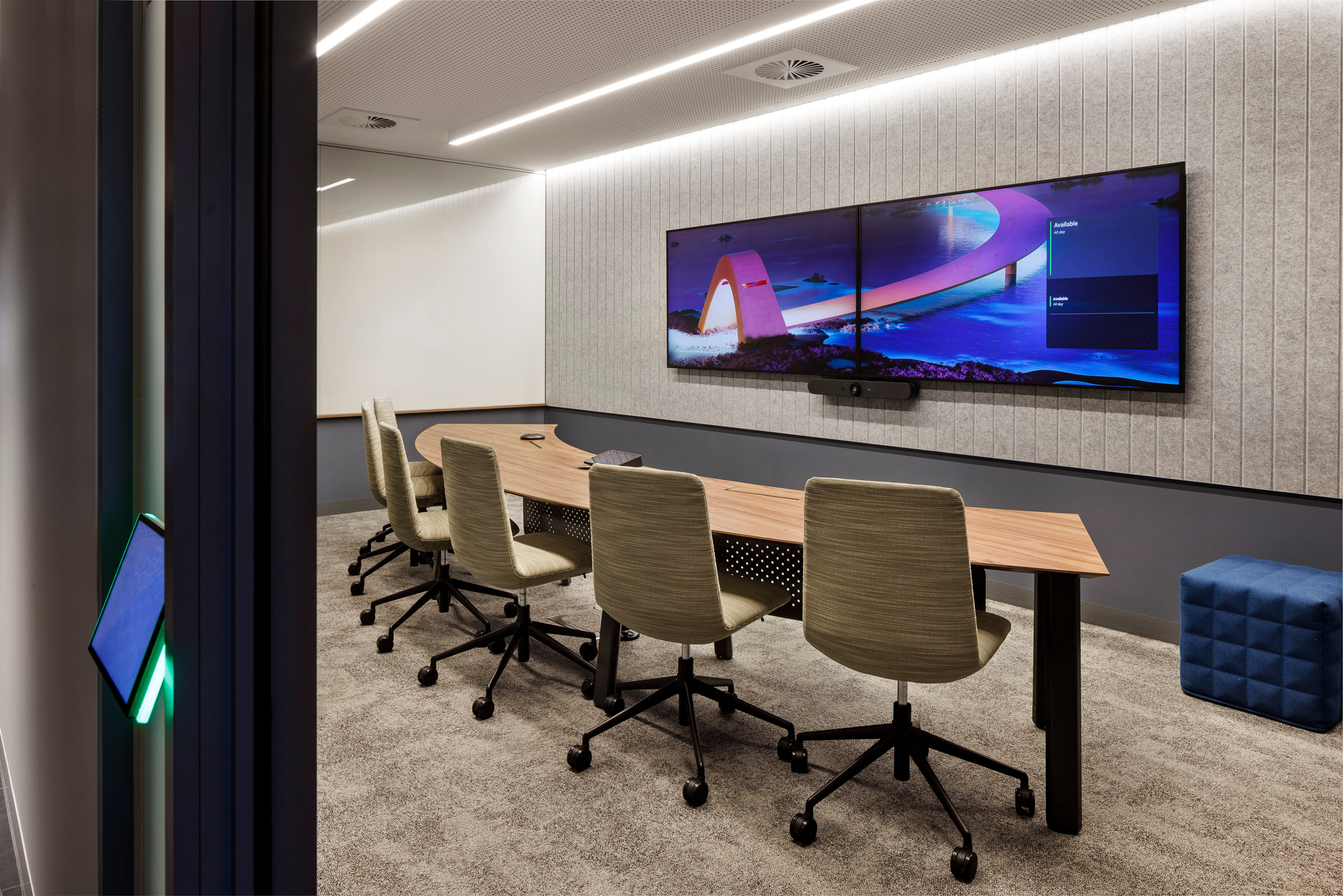
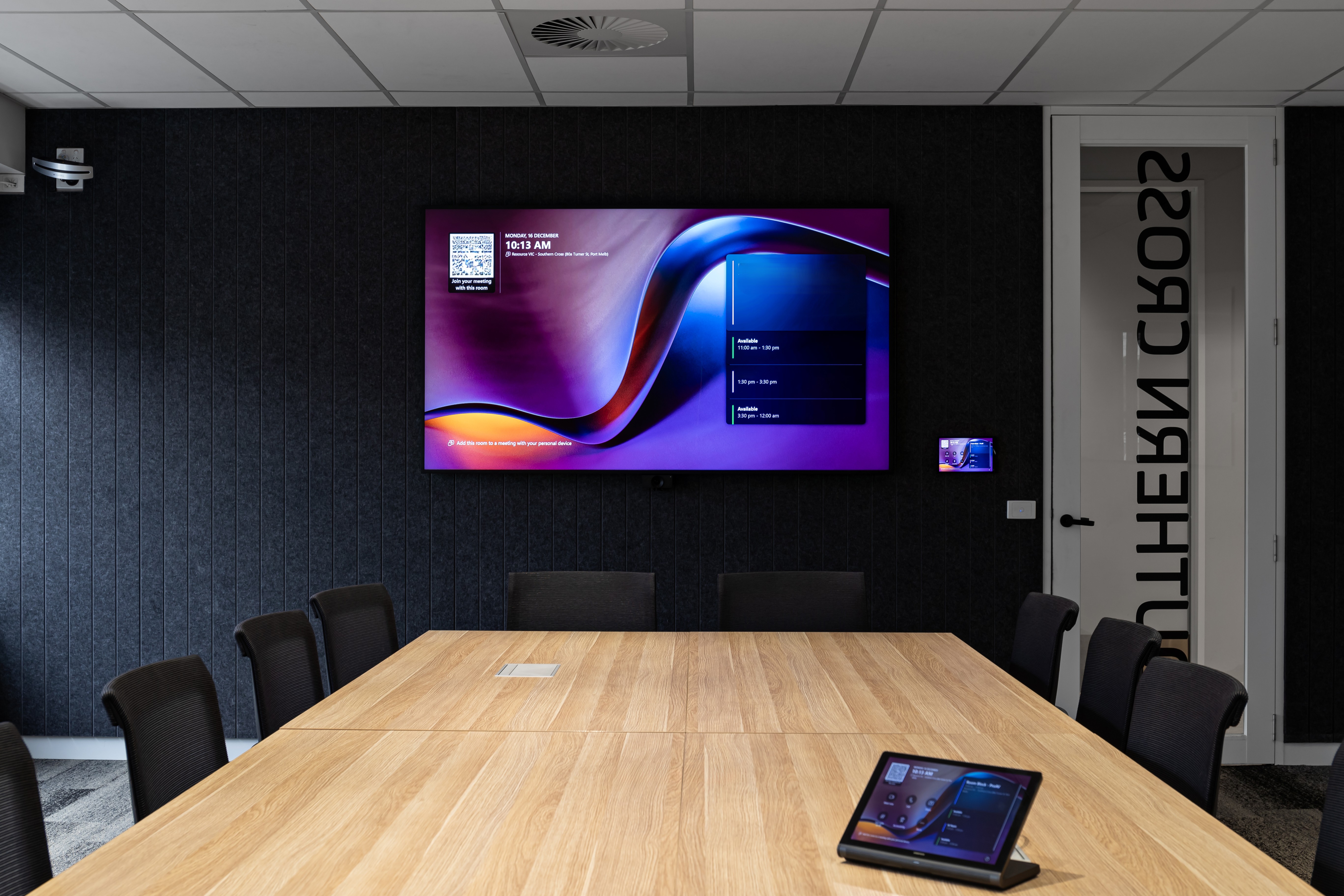
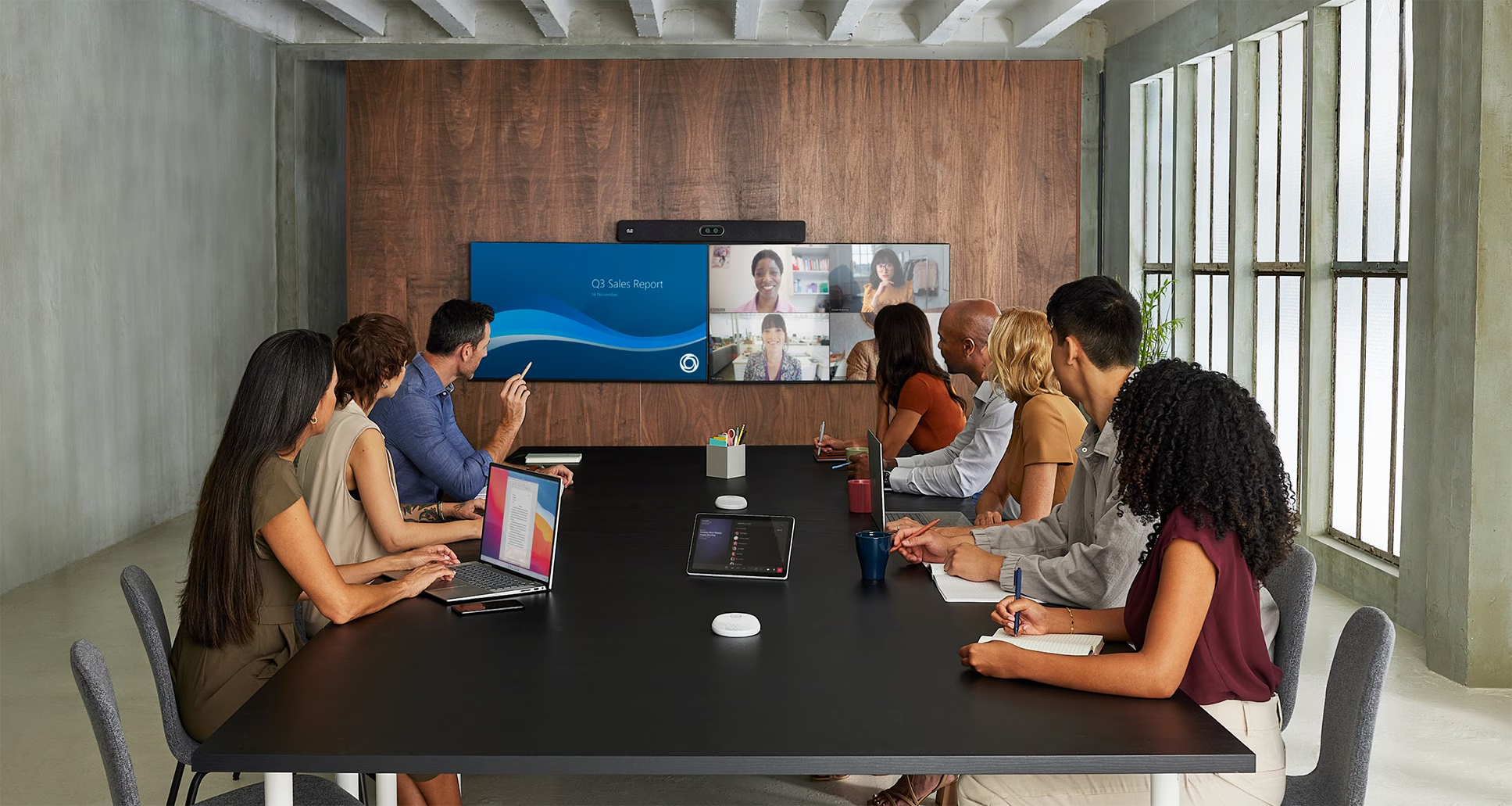
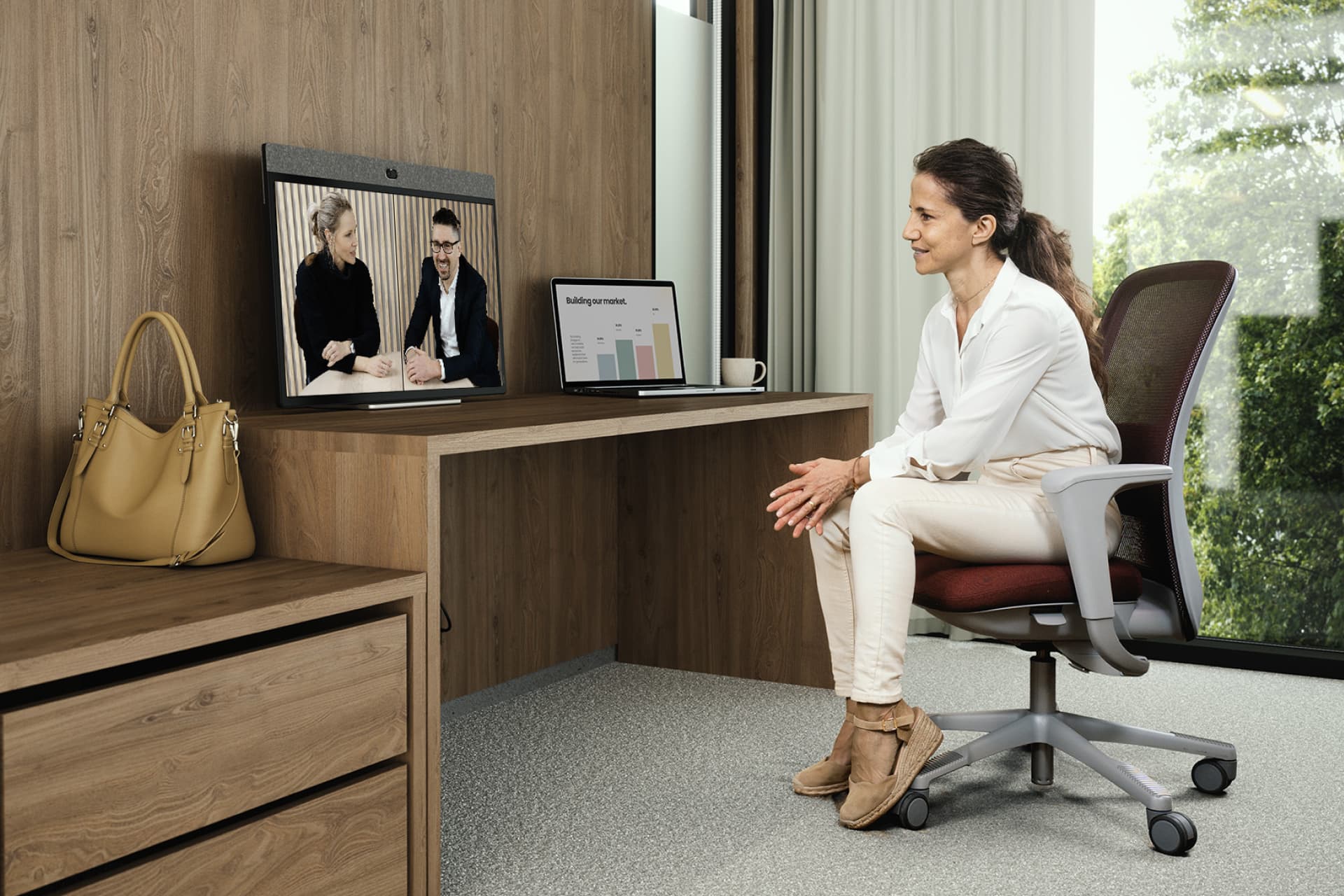
Smarter Meeting Rooms with Cisco RoomOS 27
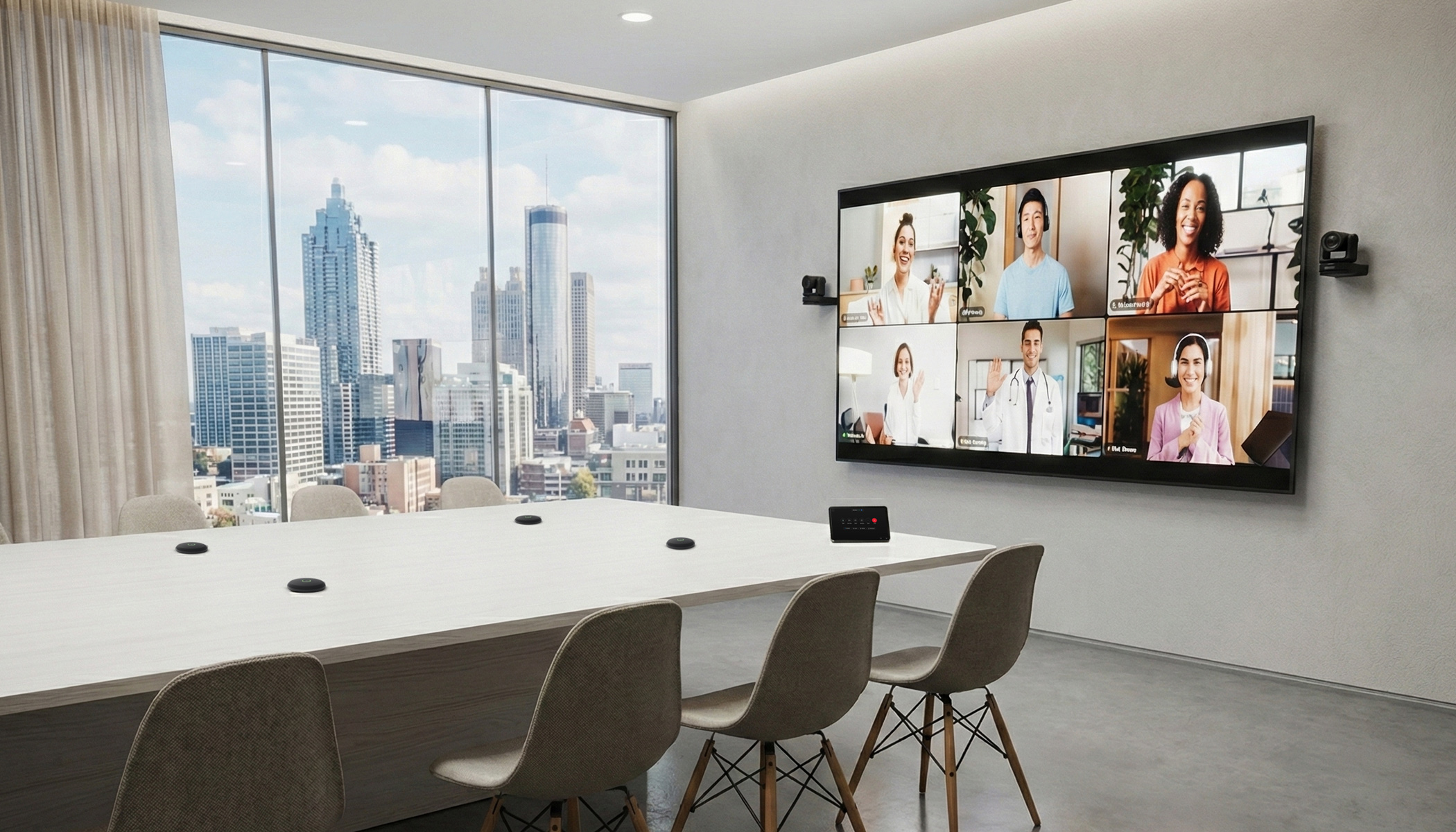
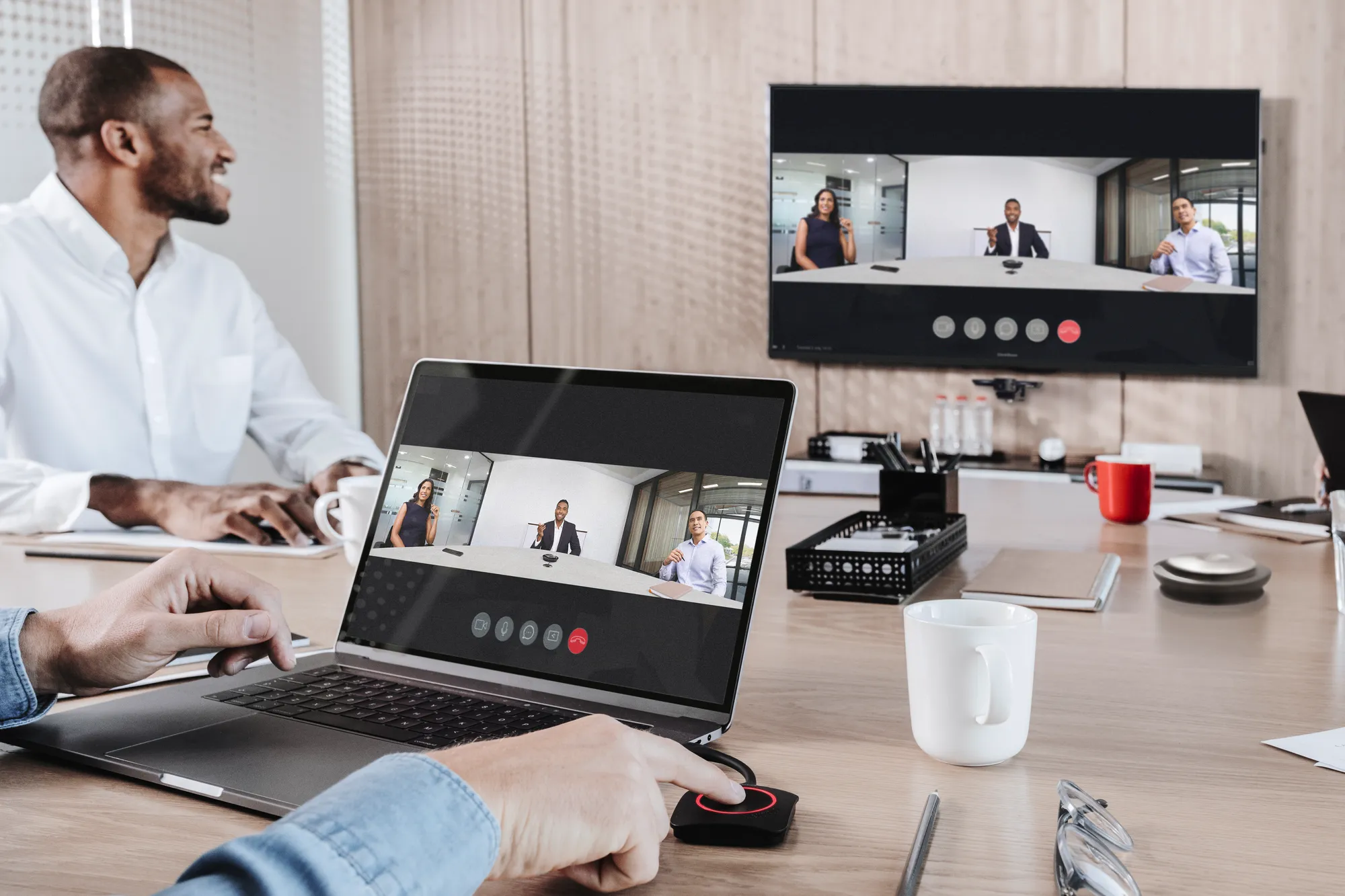
One of the key announcements at WebexOne 2026 was Cisco RoomOS 27, the latest version of Cisco's operating system for collaboration devices.
Scheduled for availability in November 2026, RoomOS 27 introduces enhancements across artificial intelligence, interoperability and workplace management.
A significant development is Cisco's expanded support for multiple video conferencing platforms. Through a new partnership with Google, Cisco collaboration devices will support native Google Meet experiences alongside Webex, Microsoft Teams and Zoom.
For organisations operating across multiple platforms, this provides greater flexibility when designing and standardising meeting spaces.
Rather than treating every collaboration platform as a separate hardware requirement, businesses can adopt a more consistent approach to meeting room technology while accommodating different communication preferences.
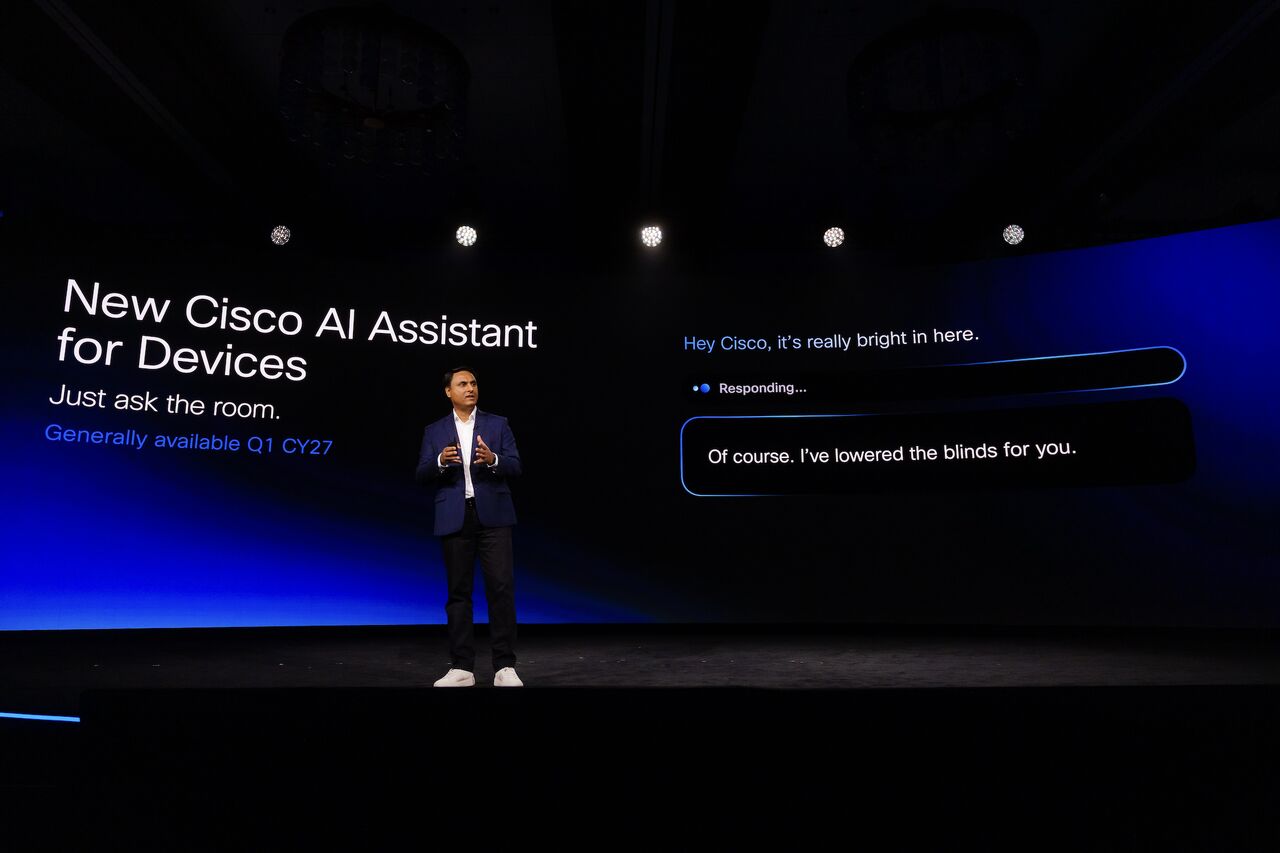
RoomOS 27 also introduces enhanced AI capabilities, including a conversational AI Assistant that supports natural language interactions in 32 languages.
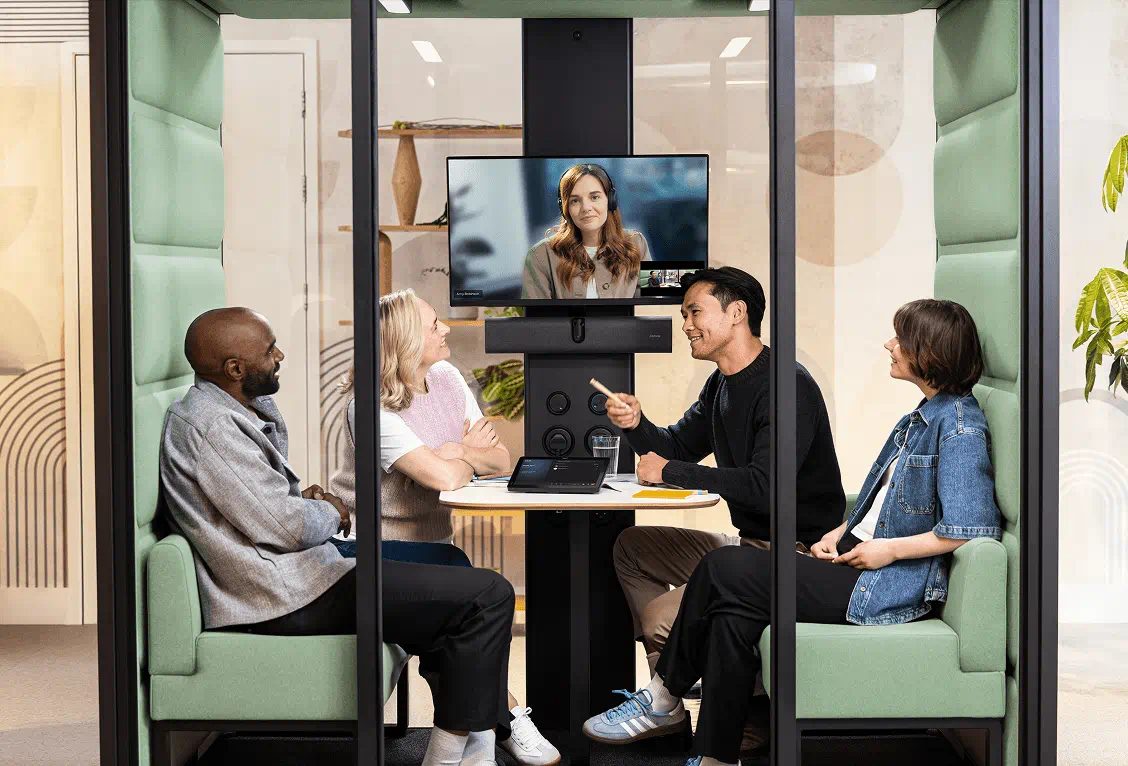
Instead of navigating multiple menus or control panels, employees can interact with their meeting room technology using everyday language. Cisco also demonstrated how these capabilities can extend to environmental controls, such as adjusting room temperature or blinds.
These developments bring meeting room technology closer to a more intuitive, responsive experience for employees.
A More Connected Approach to Workplace Management
Beyond individual meeting rooms, Cisco introduced new capabilities designed to connect technology infrastructure with the wider workplace.
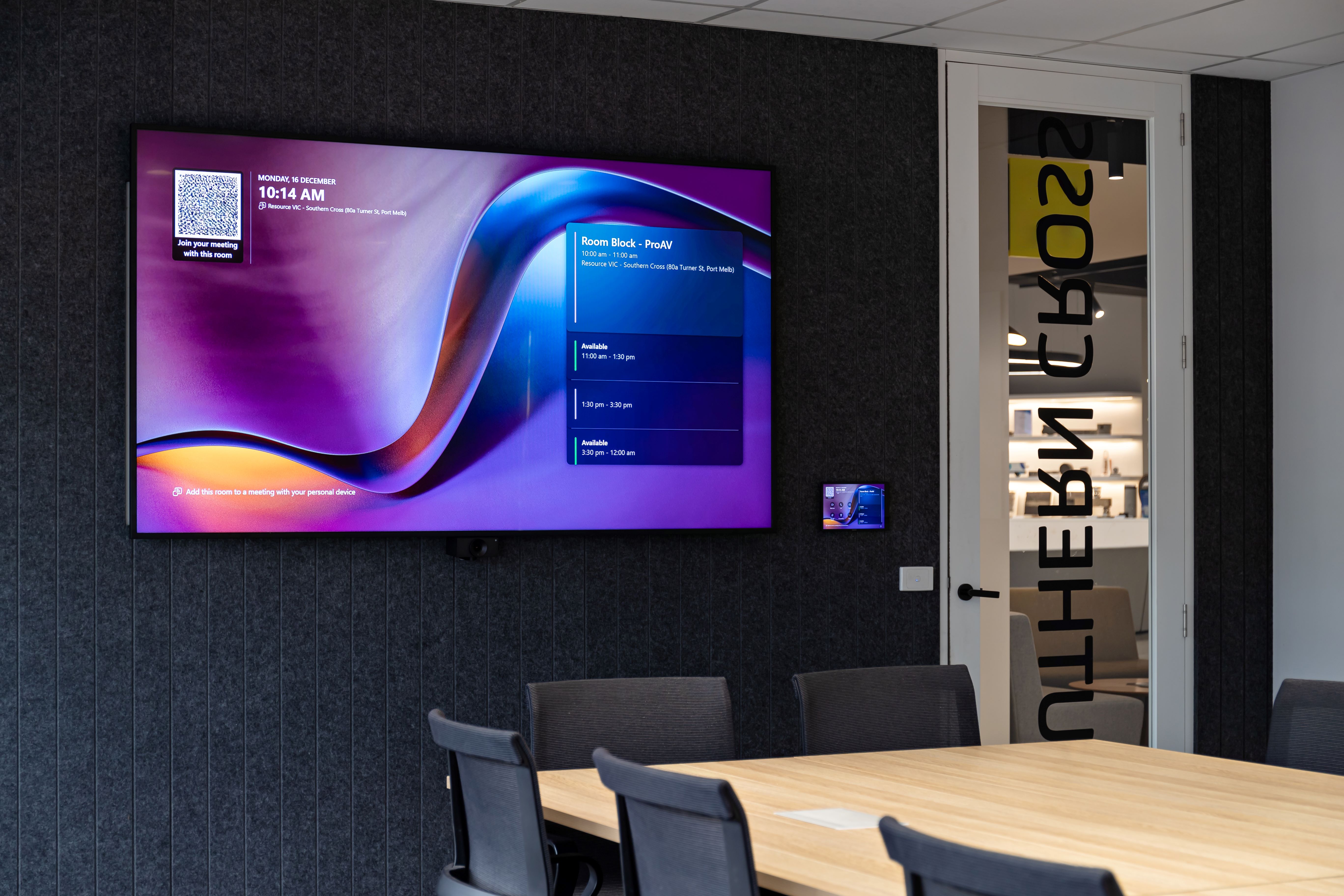
Its Intelligent Workplace Experiences approach combines collaboration devices, networking, workplace intelligence and digital experience assurance within a connected architecture, managed through Cisco Cloud Control.
Several new tools support this approach.
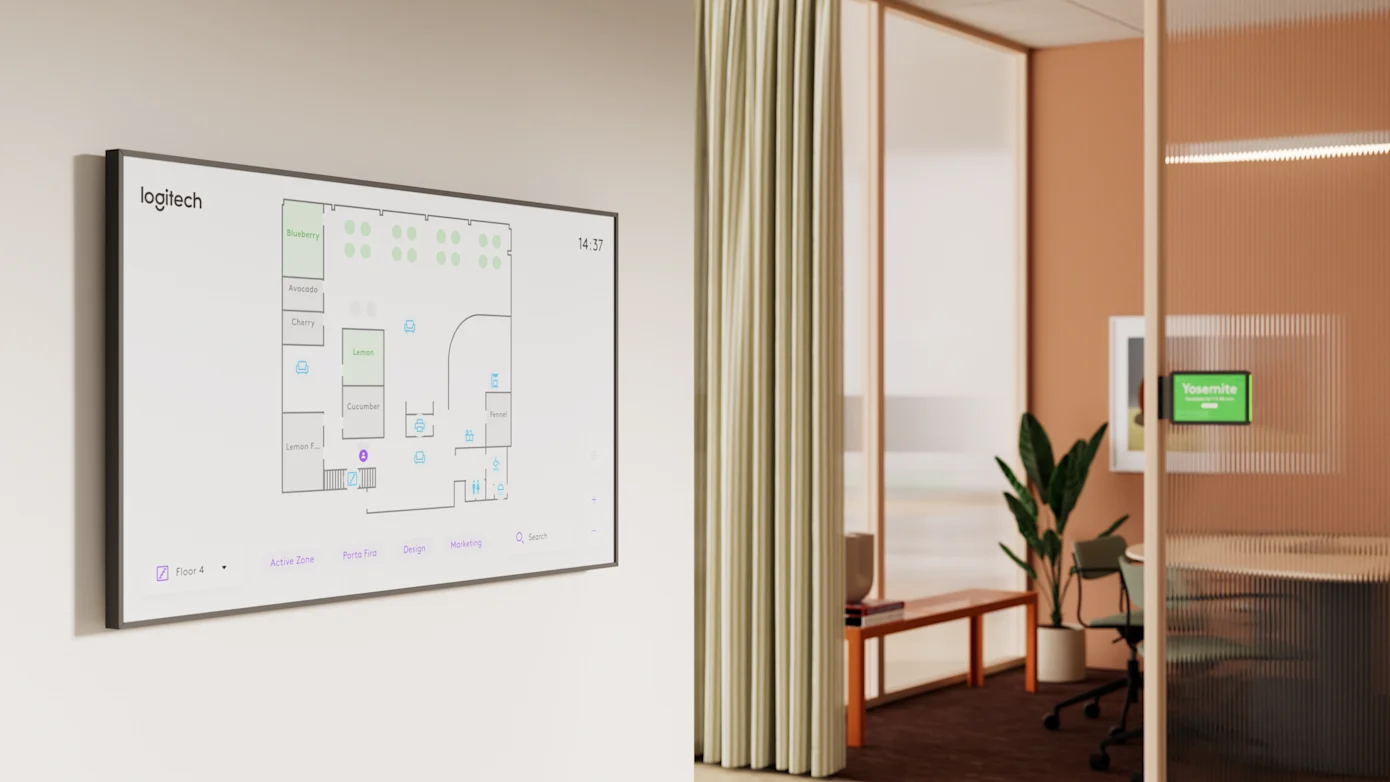
Workplace Designer extends Cisco's existing room planning capabilities to entire floors, buildings and campuses. It brings together considerations such as meeting room configuration, collaboration devices and network infrastructure, helping IT and facilities teams plan technology requirements within a shared environment.
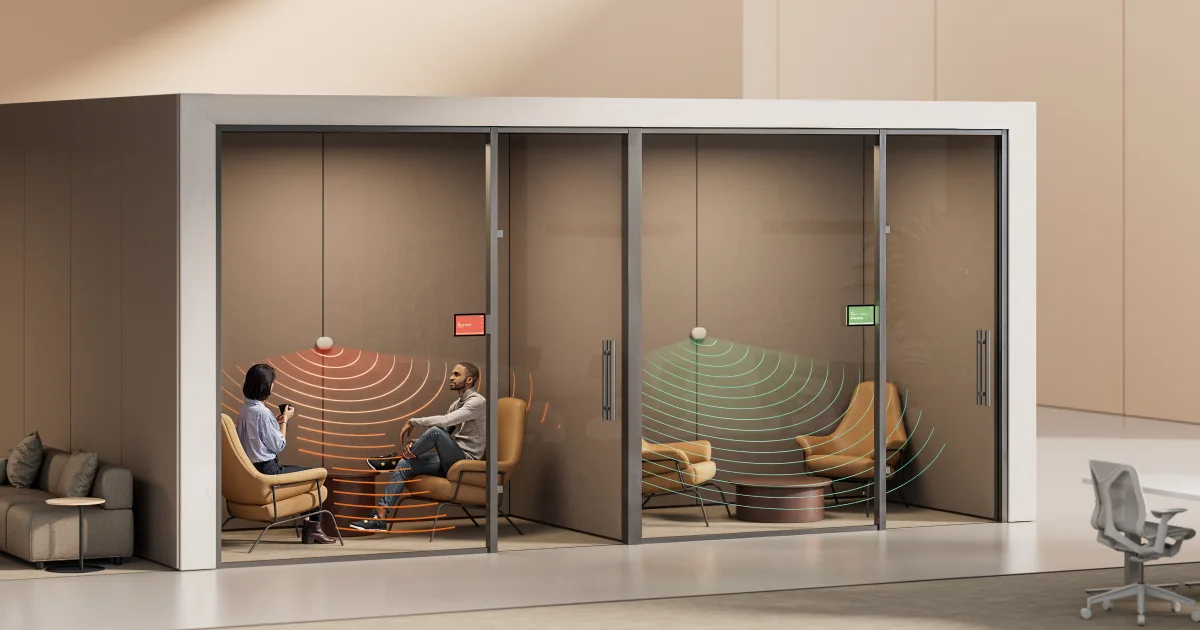
Workplace Insights provides visibility into how office spaces are being used, including occupancy trends and comparisons between room bookings and actual utilisation. This information can support decisions about workplace capacity, space allocation and future investments.
Experience Metrics connects network and device performance information with physical workplace data, helping IT teams identify technical issues and understand their impact on employees.
Cisco also highlighted new management capabilities through Workspace Advisor and Smart Room Assurance, supporting the monitoring, validation and ongoing performance of meeting spaces.
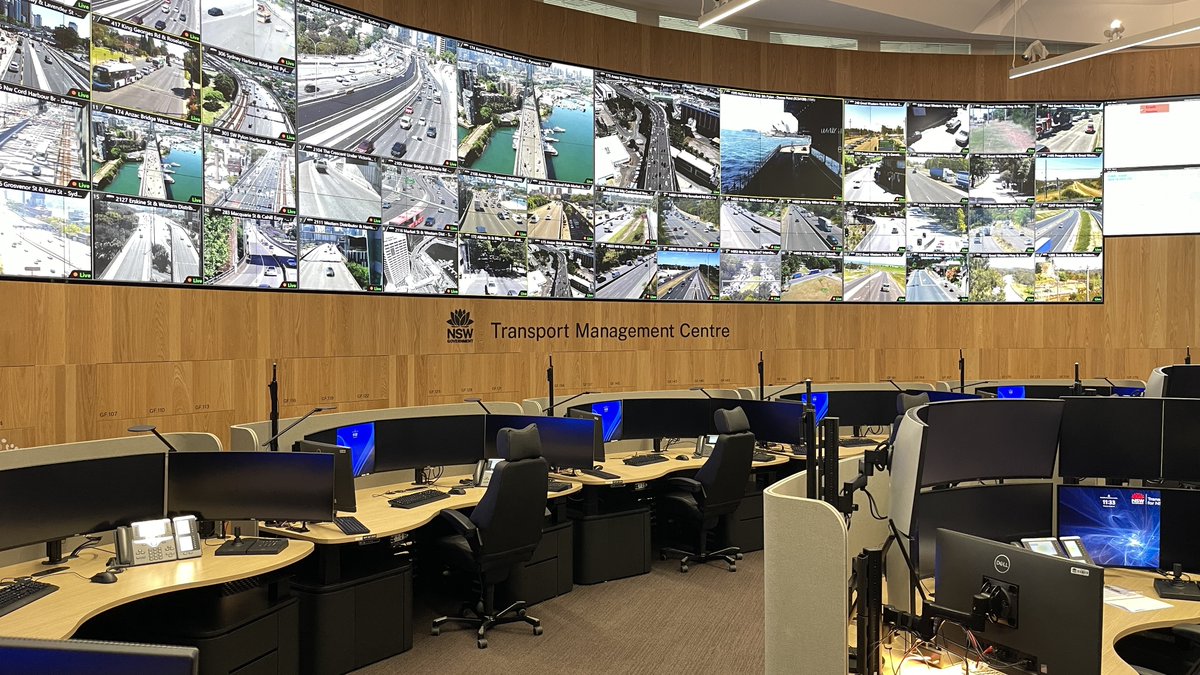
For organisations managing multiple offices or large meeting room estates, these capabilities create opportunities for more consistent workplace technology management, supported by operational data.
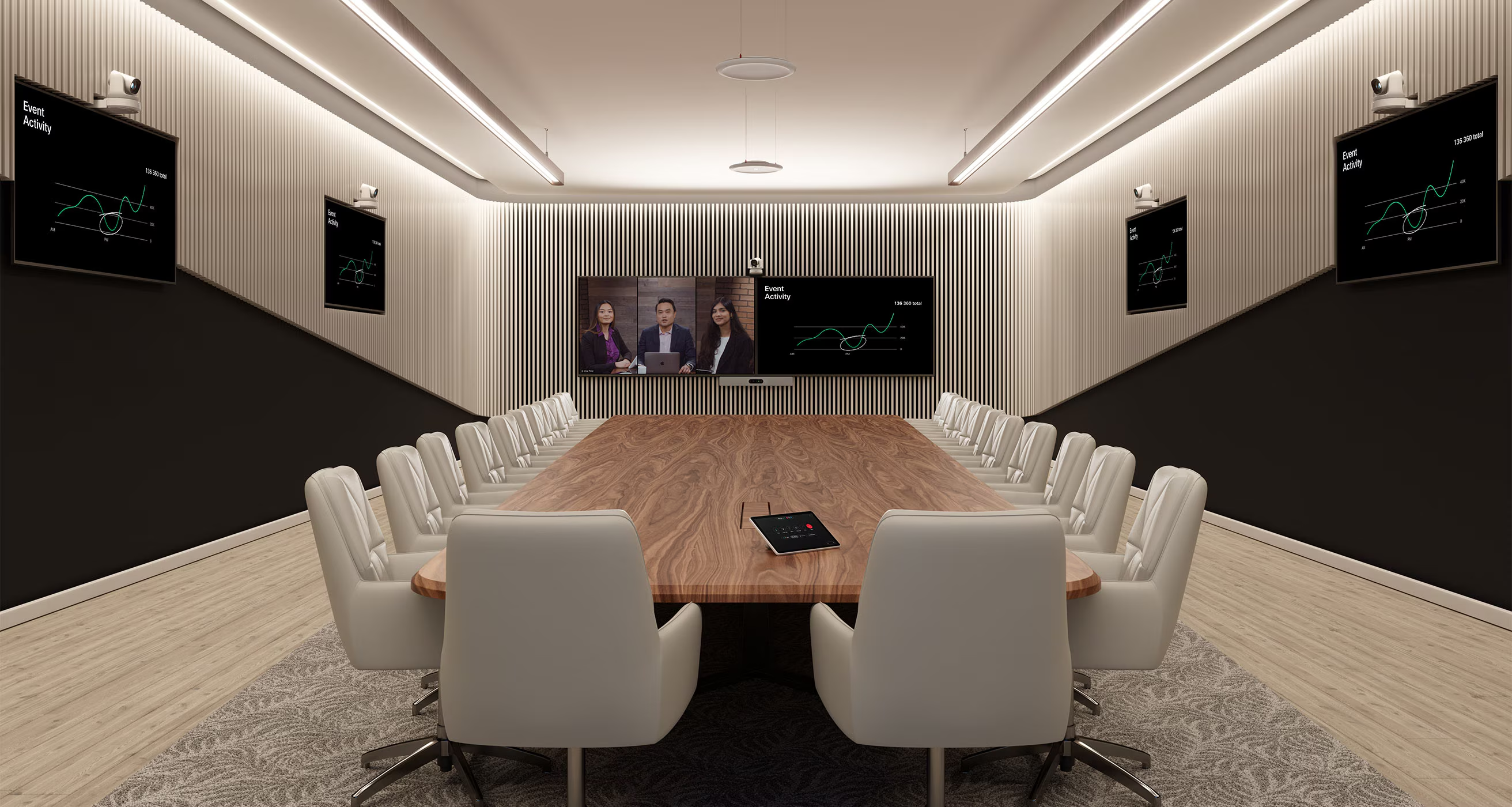
Cisco Ceiling Speaker Pro: Expanding IP-Based Meeting Room Audio

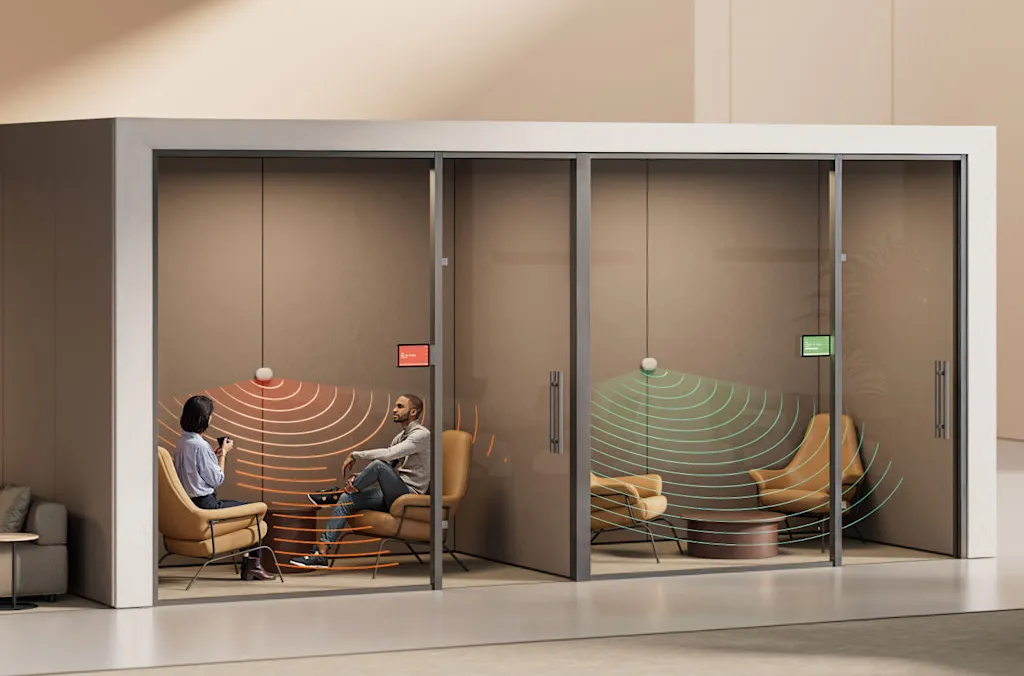
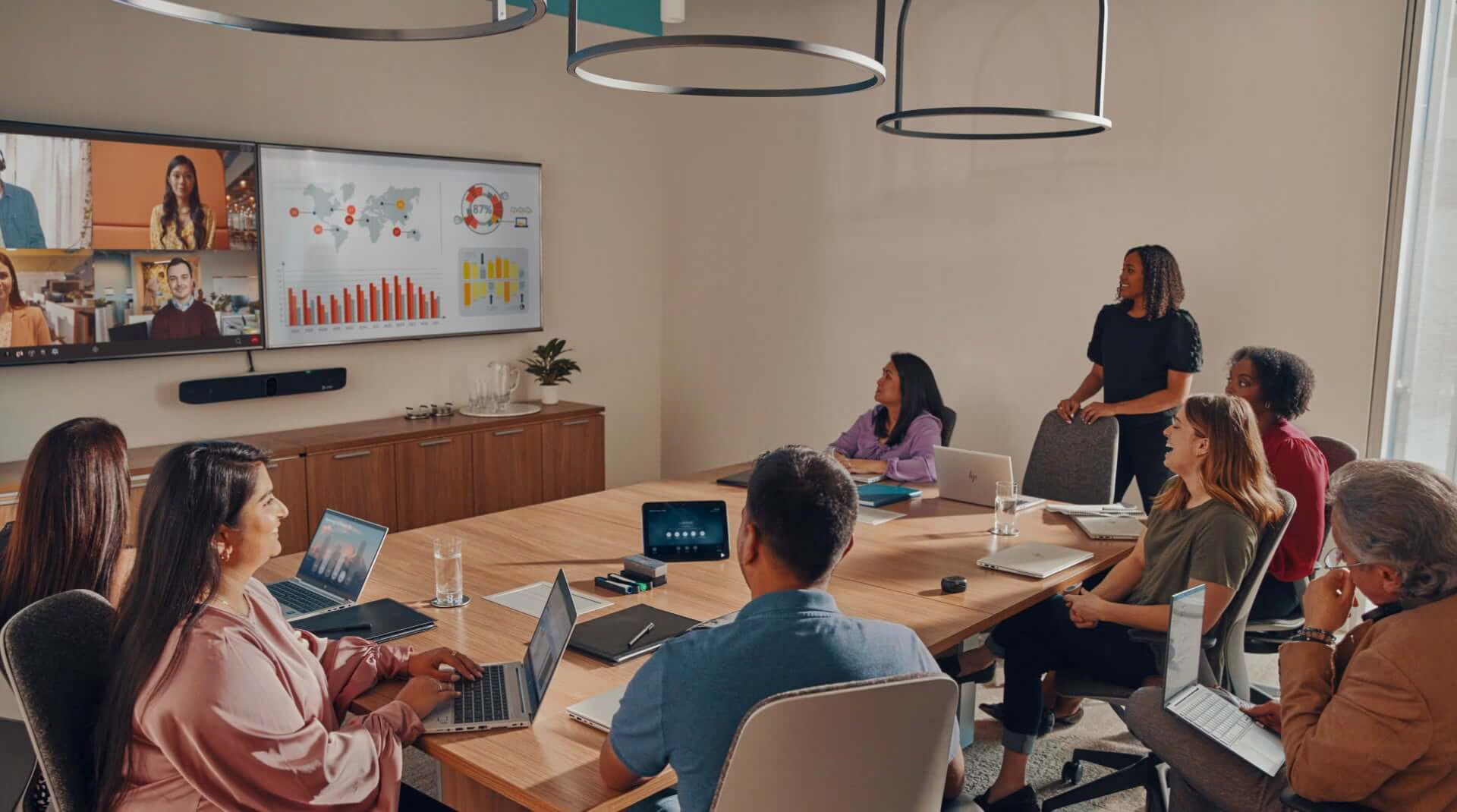
Audio quality remains a critical component of effective hybrid meetings, particularly in larger rooms where participants may be positioned at different distances from microphones and speakers.
At WebexOne, Cisco introduced the Cisco Ceiling Speaker Pro, expanding its portfolio of integrated meeting room audio solutions.
The new speaker is designed to work alongside Cisco cameras, ceiling microphones and collaboration devices, creating a more unified audiovisual environment.
Using IP connectivity and a single Ethernet cable, Ceiling Speaker Pro integrates with Cisco's wider device management ecosystem.
The solution also uses AI-enabled audio capabilities to adapt sound throughout the space, helping participants hear conversations clearly regardless of where people are seated.
For medium and large meeting rooms, the integration of audio, video and room control within a common technology environment can simplify deployment, configuration and ongoing management.
The announcement also reinforces the growing importance of audio design in delivering consistent meeting experiences for both in-room and remote participants.
AI Moves Beyond Meeting Summaries
Artificial intelligence was a central theme throughout WebexOne 2026, with Cisco announcing new capabilities that extend beyond meeting transcription and automated summaries.
The company introduced a redesigned Webex experience that brings AI agents directly into everyday collaboration activities.
These agents are designed to work within Webex spaces, meetings and calls, using relevant context to support tasks and workflows.
For example, a team could use an AI agent to retrieve information, analyse data or help prepare presentation materials based on discussions taking place within a shared Webex space.
Cisco also announced plans to integrate Claude Managed Agents into Webex, enabling teams to access AI-supported analysis, content generation and multi-step workflows without switching applications.
An integration with OpenAI dots was also announced, designed to make Webex meeting, messaging and calling context available to a personal AI agent.
The objective is to connect information across conversations and applications so that collaboration extends beyond the meeting itself.
New Capabilities for Calling, Translation and Video Communication
Cisco's announcements also included several AI-enabled features across its wider collaboration portfolio.
Personal Agents for Webex Calling are designed to screen incoming calls, understand callers' needs, assess urgency and assist with follow-up actions when employees are unavailable.
Webex Translator Agent enables real-time speech translation, allowing participants to communicate in different languages. The solution supports ten languages at launch and is currently in controlled availability, with general availability announced for November 2026.
AI Coach for Vidcast introduces interactive presentation coaching, providing feedback on pacing, tone and word choice while allowing presenters to rehearse and respond to questions.
These capabilities extend AI into everyday workplace communication, from preparing presentations and managing calls to supporting multilingual collaboration.
Extending AI into Customer Experience
Cisco also announced developments across its Webex customer experience portfolio, including a new capability called Dialog.
Dialog is designed to give Webex AI Agents a continuous understanding of customer interactions across different channels, systems and stages of a customer relationship.
Rather than treating each interaction as a separate conversation, these agents are designed to retain relevant context and continue working on customer requests after the initial conversation has ended.
For example, an AI agent could coordinate information between internal teams, progress a service request and provide updates without requiring the customer to restart the process at each stage.
Cisco also announced enhancements to AI Agent 360, including additional observability capabilities powered by Splunk, to help organisations monitor agent performance and maintain operational oversight.
Dialog is expected to enter beta availability in the first quarter of 2027.
Security and Governance Remain Part of the Picture
As AI becomes more closely integrated with collaboration systems and business workflows, Cisco is also expanding its focus on security, visibility and governance.
Announcements included enhanced Webex Zero Trust capabilities, deepfake detection developed with Pindrop, compliance capabilities through Theta Lake and additional support for secure AI deployments.
Cisco also highlighted developments for organisations operating on-premises and hybrid communications environments, including cloud-powered AI capabilities for Cisco Unified Communications Manager and enhancements to Cisco AI PODs for Collaboration.
These capabilities address the different security, operational and deployment requirements organisations must consider when introducing AI into their communication environments.
What WebexOne 2026 Means for the Modern Workplace
The announcements at WebexOne 2026 cover several areas of workplace technology, but they share a common direction: closer integration between the systems employees use, the spaces they work in and the infrastructure supporting their experience.
For organisations investing in meeting room technology and workplace modernisation, the developments highlight several important considerations.
Meeting platform interoperability is expanding, providing greater flexibility in hardware and software choices. AI capabilities are becoming embedded within collaboration tools and physical meeting environments. At the same time, workplace analytics and connected management platforms are creating new ways to understand room utilisation, monitor performance and support ongoing improvements.
These developments are particularly relevant for organisations managing hybrid work environments, multi-site offices and increasingly complex collaboration technology estates.
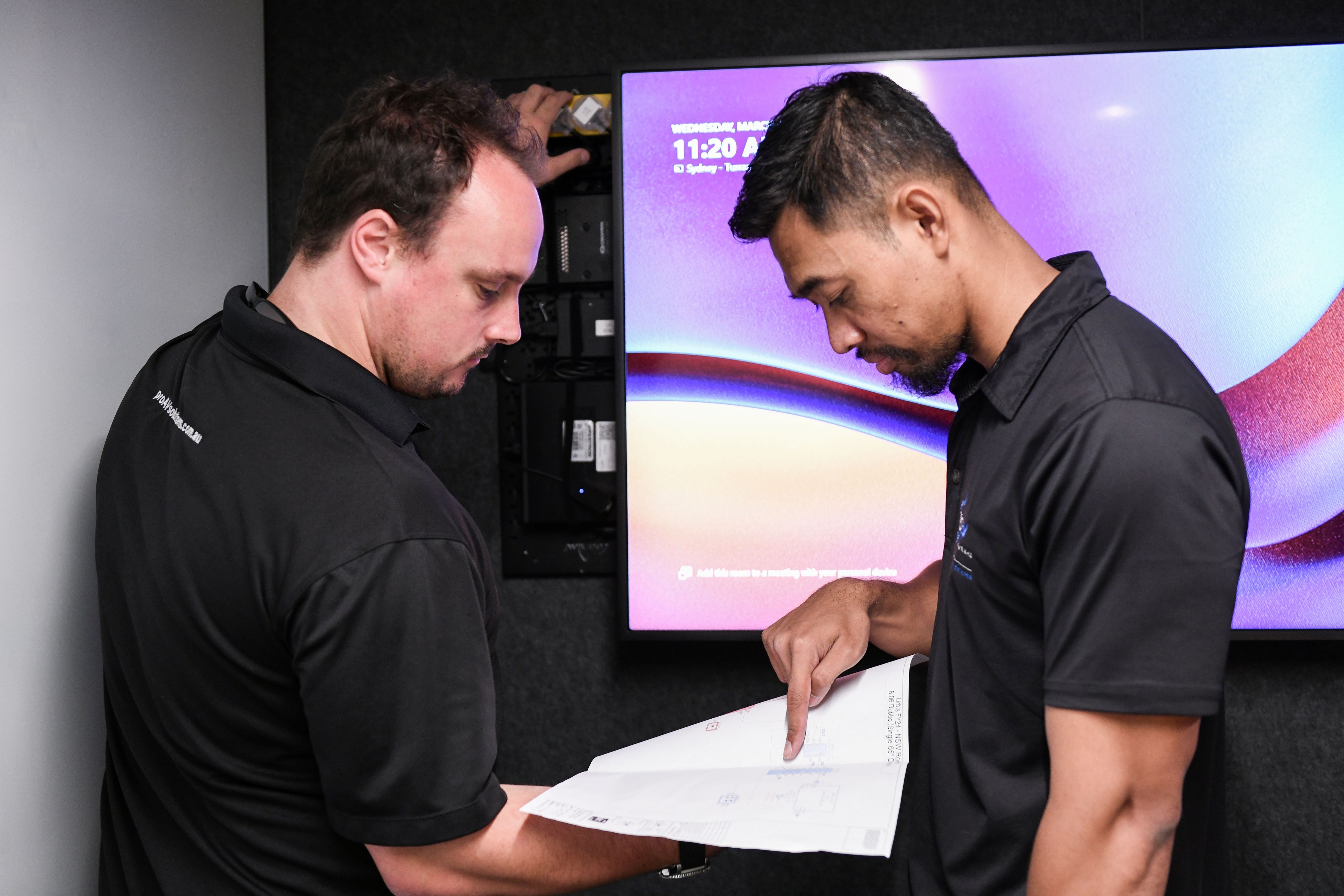
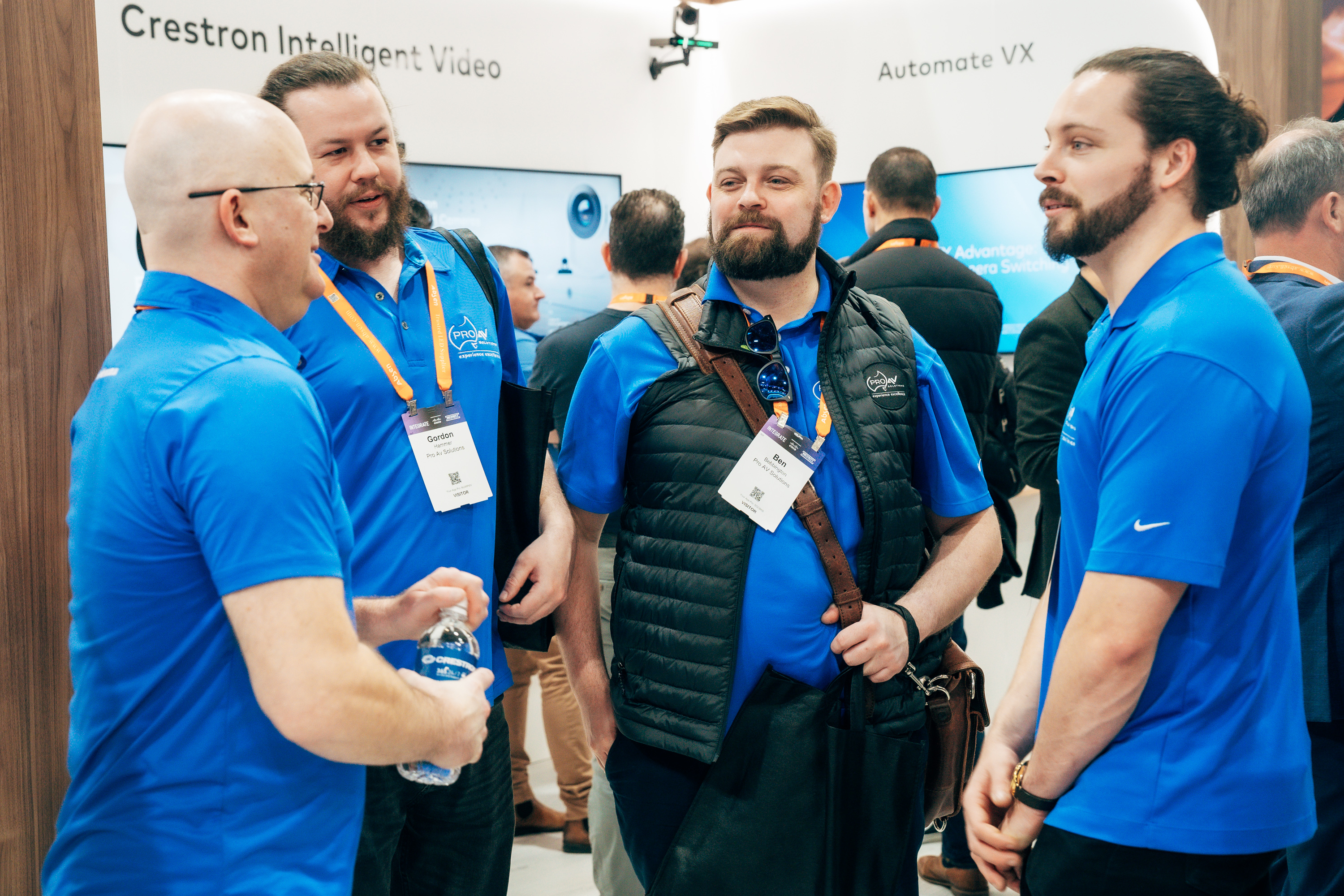
At Pro AV Solutions, we work with organisations to design, deliver and support workplace technology environments that bring people, spaces and technology together. Through our partnerships with leading technology providers, including Cisco, we help businesses navigate evolving collaboration requirements and build integrated audiovisual solutions suited to their workplaces.
As new capabilities become available, effective workplace technology planning will continue to involve more than selecting individual devices. It will require consideration of interoperability, user experience, infrastructure, management and long-term support.





.jpg)
.jpg)










.png)










.jpeg)





.avif)




.jpeg)


.webp)