How Microsoft Is Using AI Facilitators to Improve Meeting Experiences

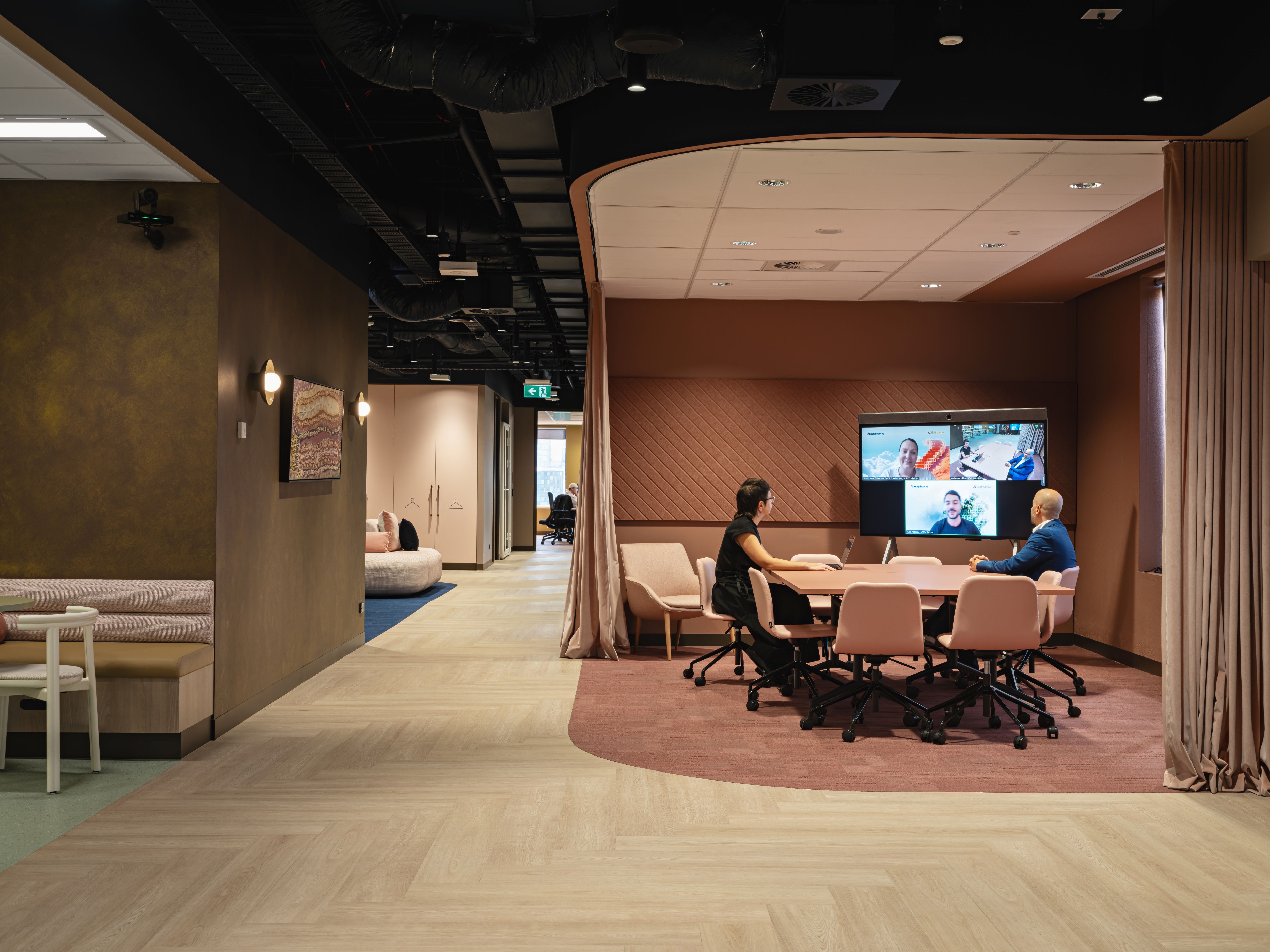
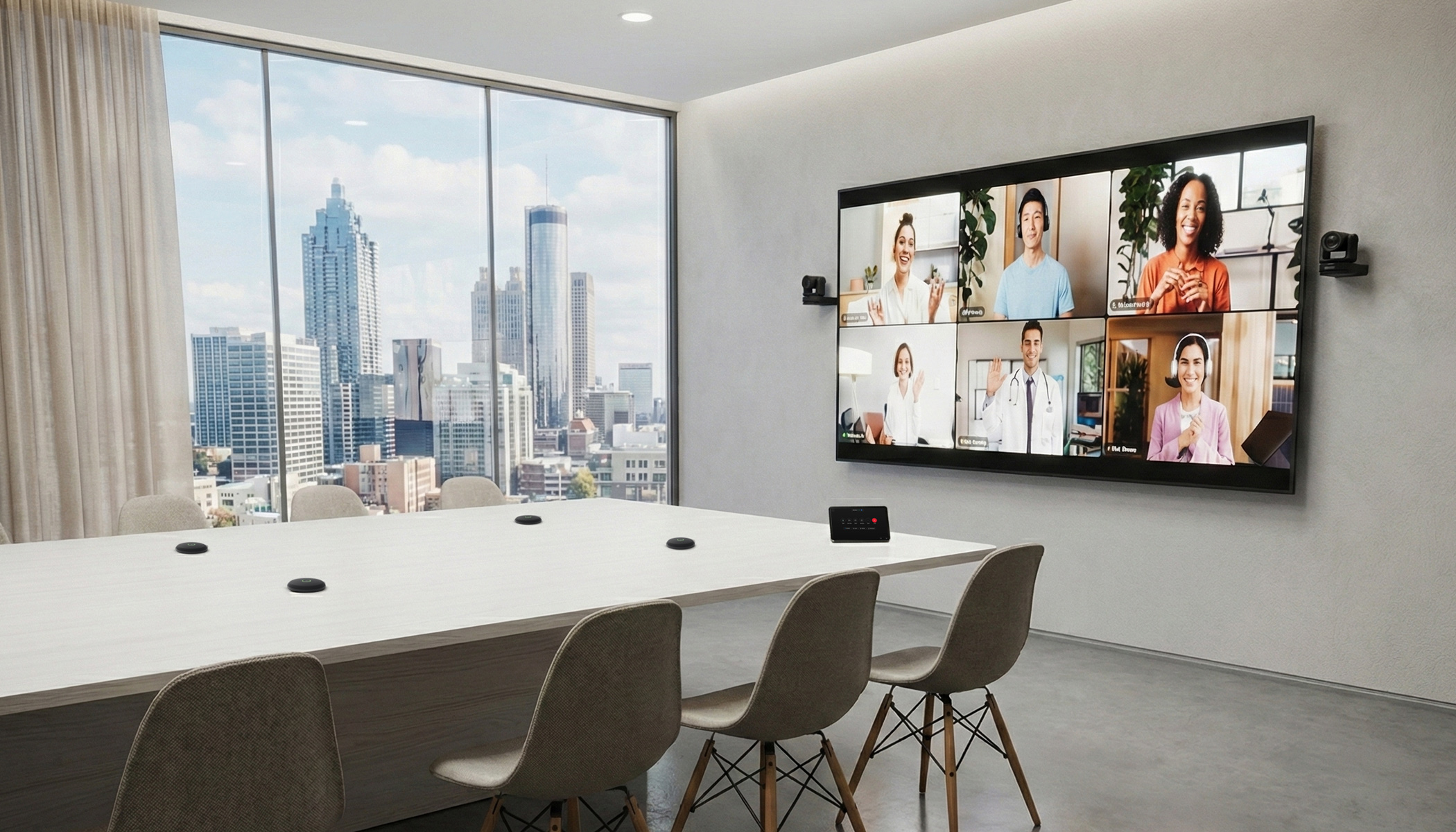
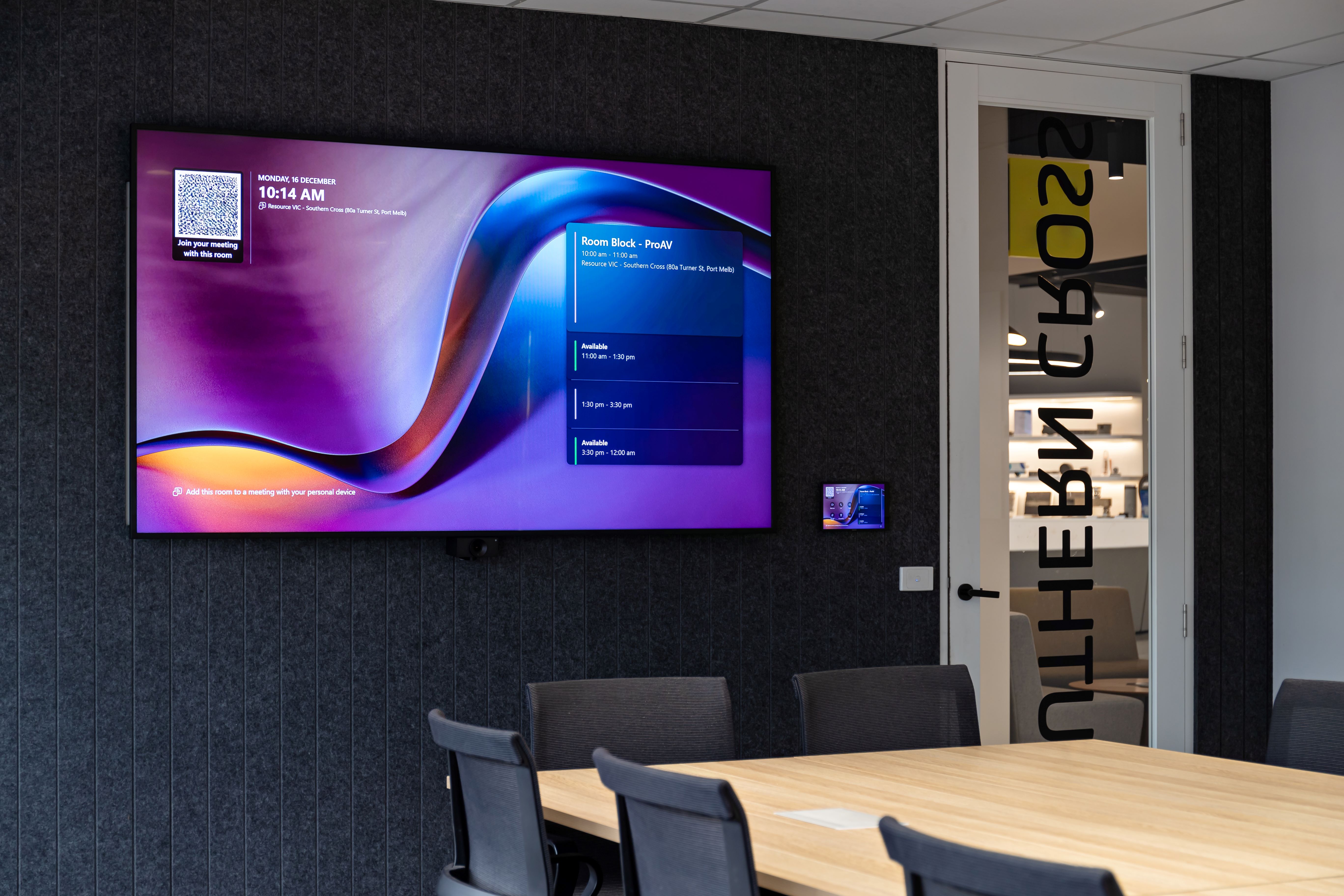
Microsoft is placing AI at the centre of how meeting rooms operate, with a growing focus on facilitation rather than devices. Speaking about his recent move into the Teams engineering organisation, Andrew Higgs outlined how Microsoft’s attention has shifted toward building an AI-powered workplace that brings together Teams Rooms, Microsoft Places, and collaboration services into a single ecosystem.
The emphasis is not on changing how people meet, but on removing friction from the meeting experience itself.
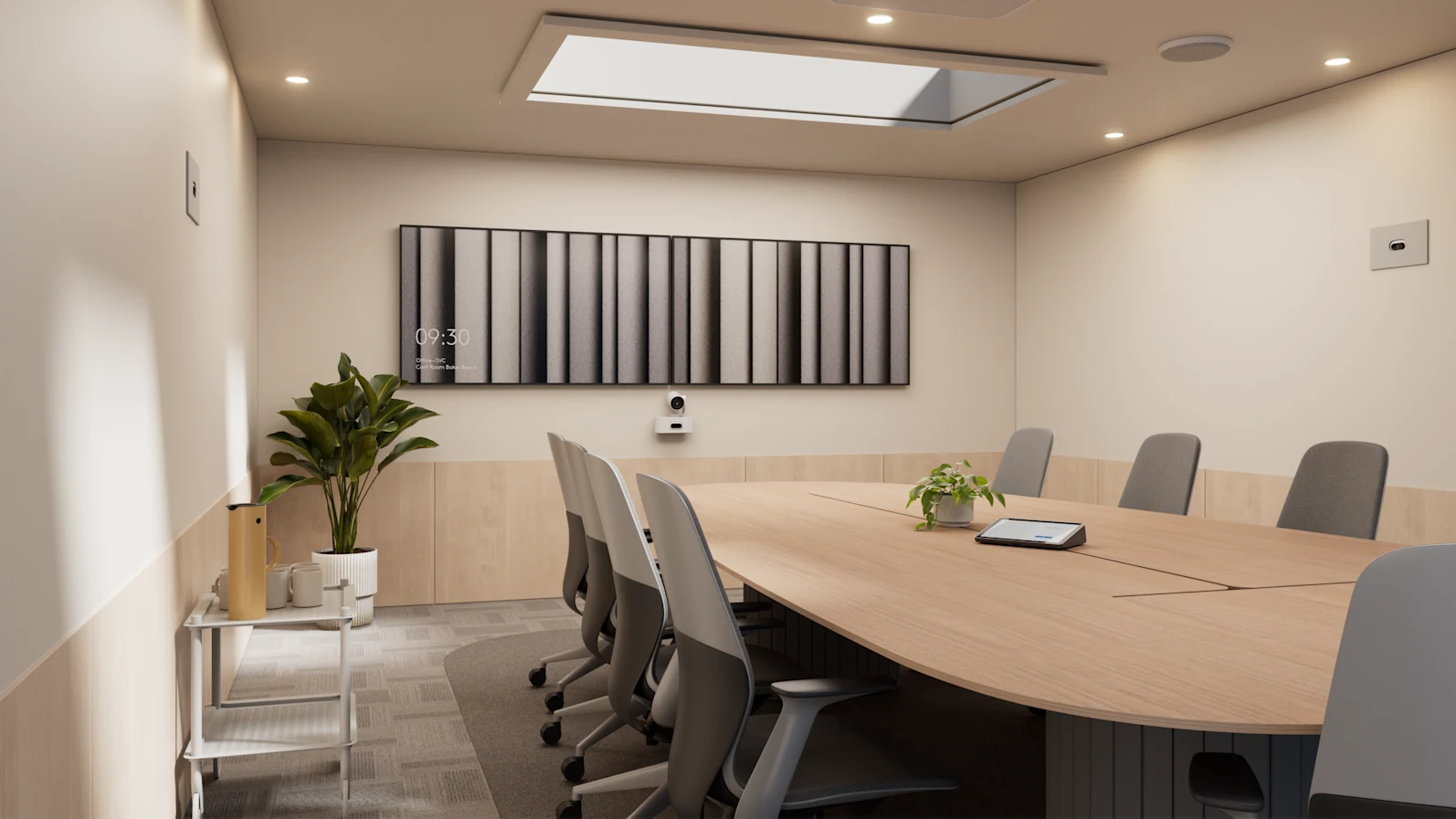
Microsoft’s current work spans Teams Rooms across Windows and Android, alongside workplace services such as Microsoft Places. According to Higgs, this broader scope reflects how meeting rooms now sit within a larger workplace context, rather than operating as standalone technology.
AI facilitation inside the meeting room
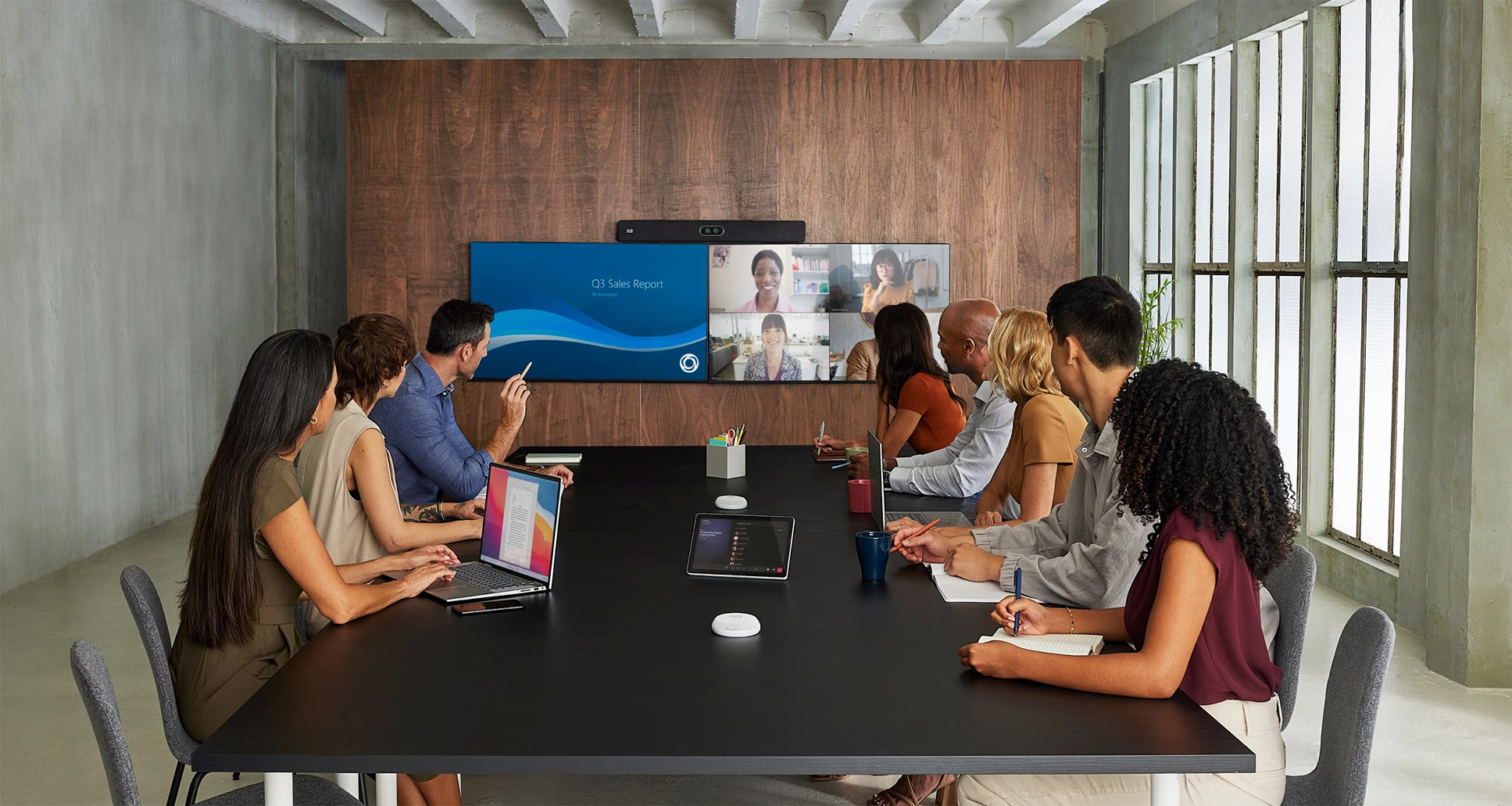
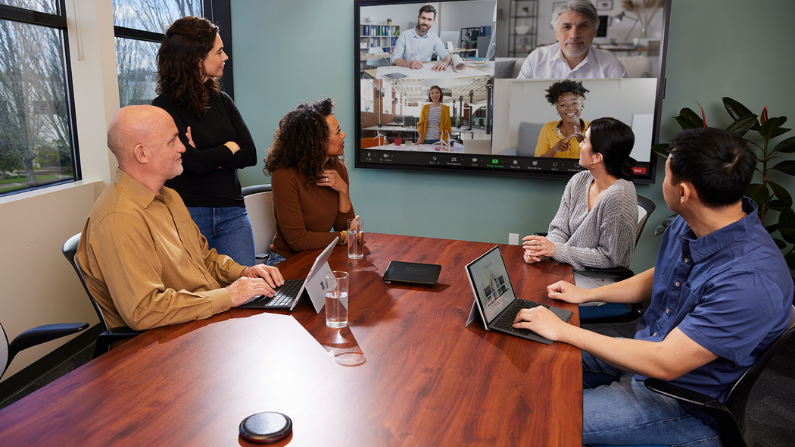
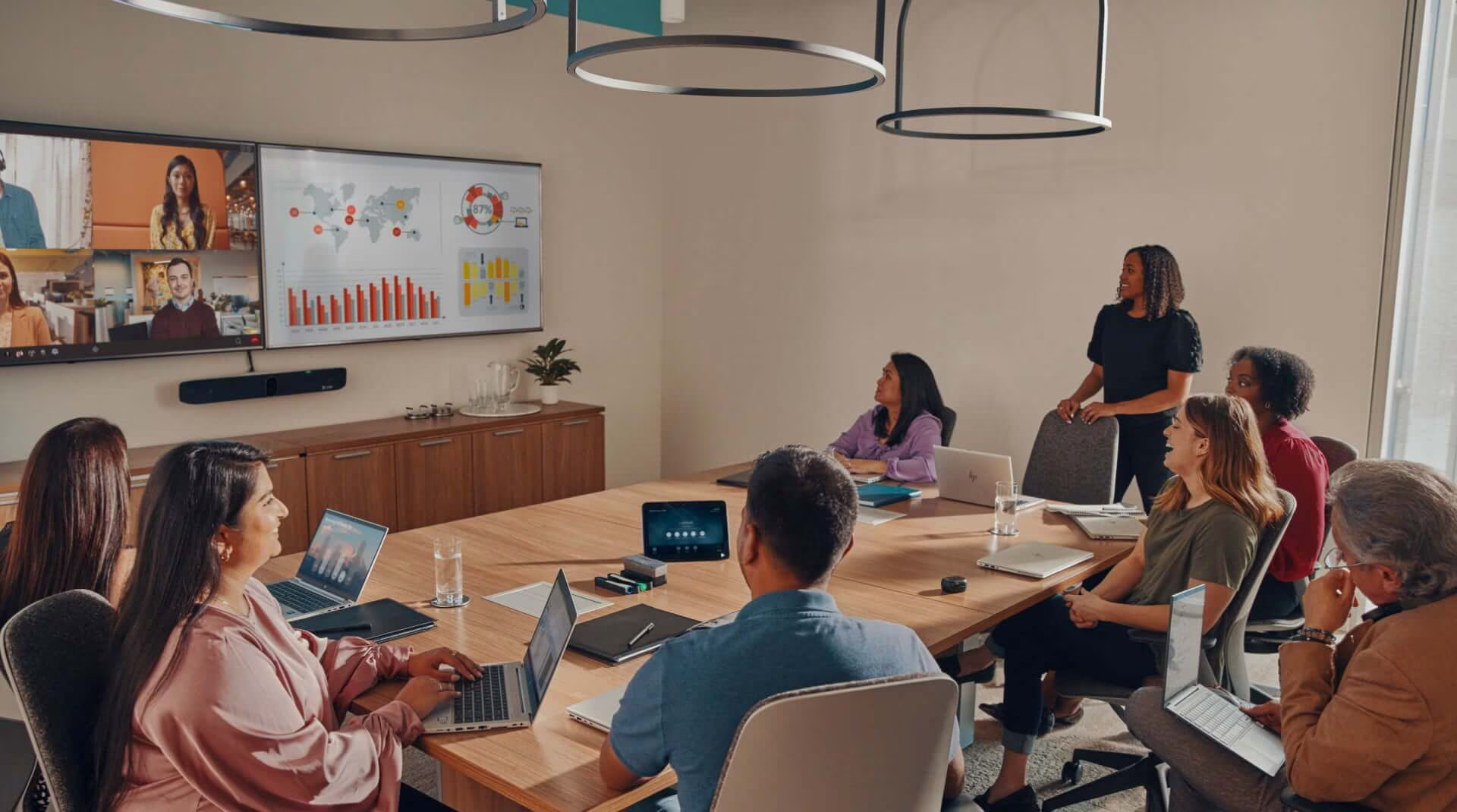
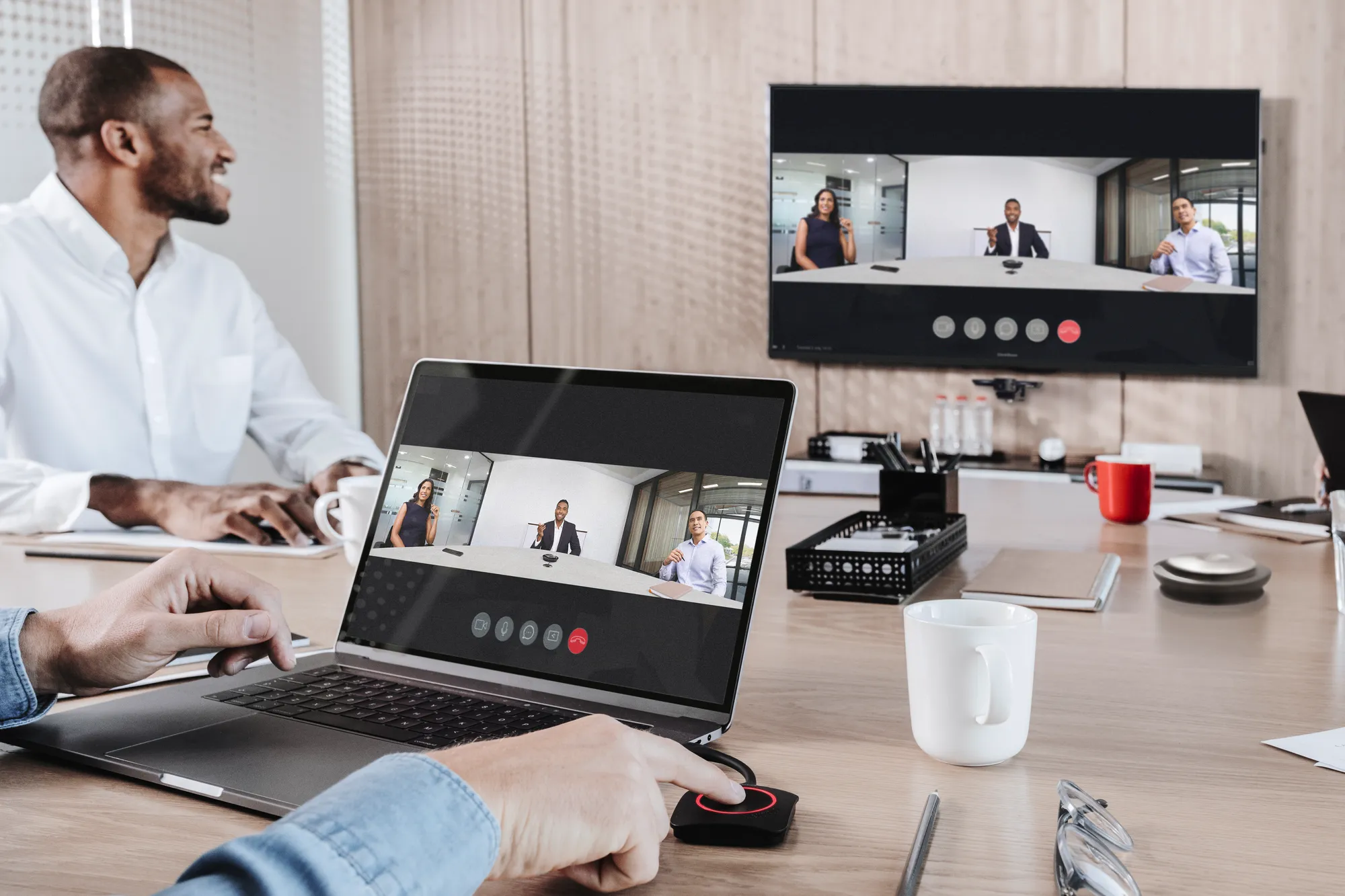
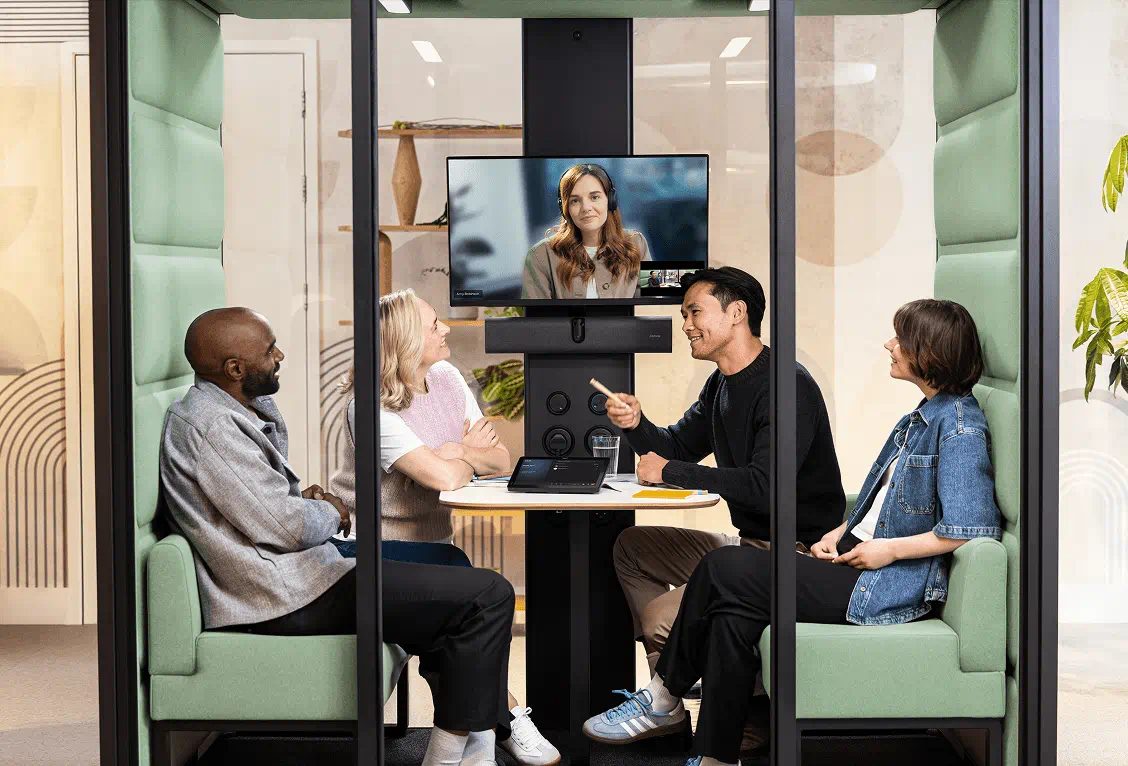
A key development discussed is the facilitator agent, which Microsoft plans to rebadge as the meeting agent. The agent is designed to support meetings in the background, helping participants stay focused on the conversation rather than managing the process.
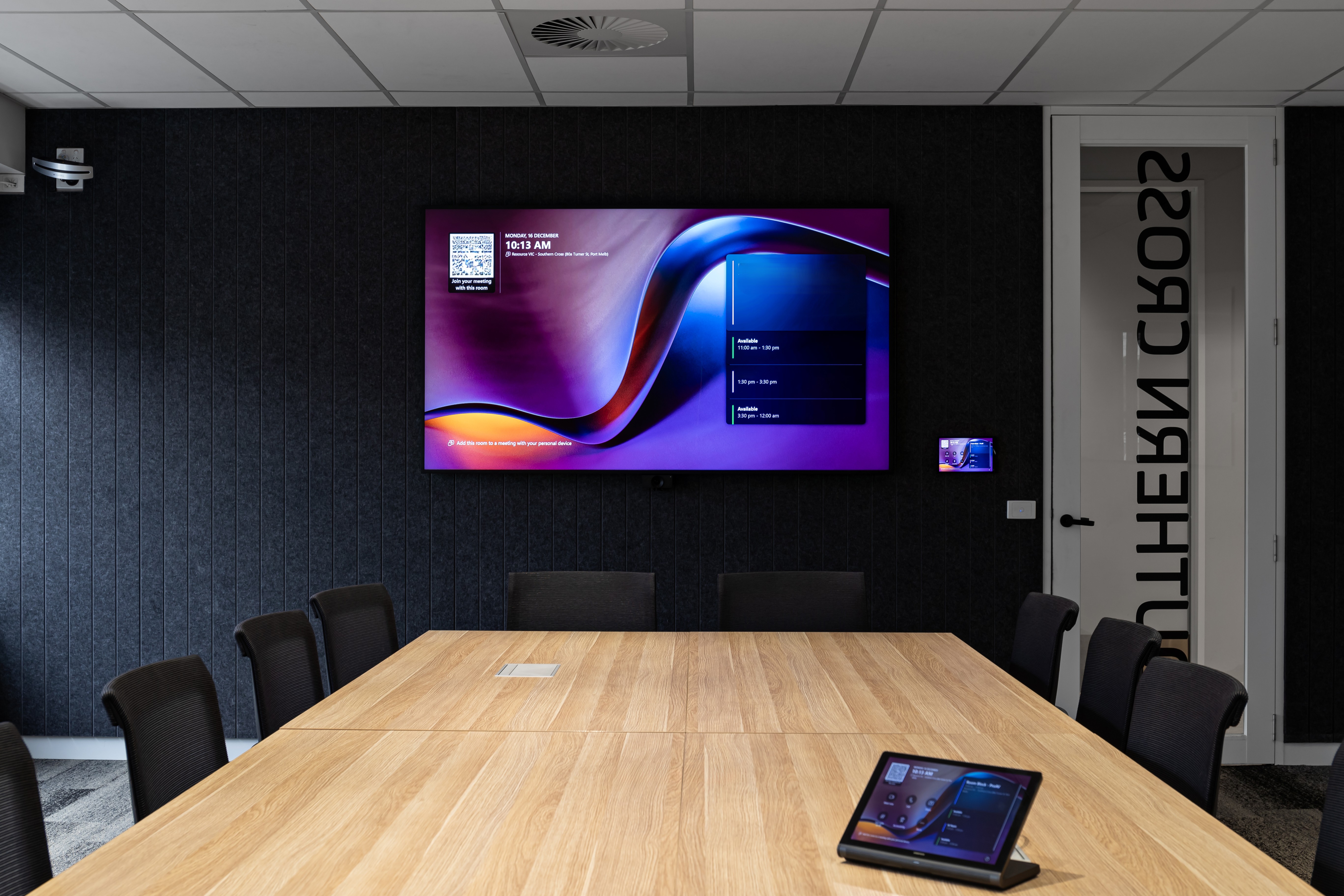
The facilitator agent can support both scheduled and ad hoc meetings. Users can walk into a room, start a meeting quickly, and rely on the agent to assist with meeting flow, including agenda progression and post-meeting recap. The goal, as described by Higgs, is to let participants focus on discussion while the technology fades into the background.
Security as the foundation for AI adoption
As AI becomes embedded in meetings, Microsoft continues to frame security as its top priority. Higgs reiterated that security remains Microsoft’s number one focus, particularly as customers adopt tools such as Microsoft Copilot.
AI interactions operate within existing permission structures. Information surfaced during meetings remains limited to what users already have access to, and content is not shared beyond those boundaries. This approach is intended to give organisations confidence as they experiment with AI-driven collaboration.
Intelligent meetings without accelerating hardware refresh
Higgs also addressed concerns around hardware lifecycle and obsolescence. Many AI capabilities are delivered through cloud services rather than requiring new devices. This allows organisations to benefit from new features without shortening hardware replacement cycles.
Capabilities such as speaker attribution and intelligent camera features are now available across Teams Rooms devices, enabling meetings to recognise participants by voice and face. This improves meeting recaps and records who actually spoke, rather than attributing comments to a room.
Microsoft’s aim is to maintain a consistent hardware lifecycle, with four years identified as a practical benchmark, while continuing to expand functionality through software and services.
Bringing meetings into a broader workplace ecosystem
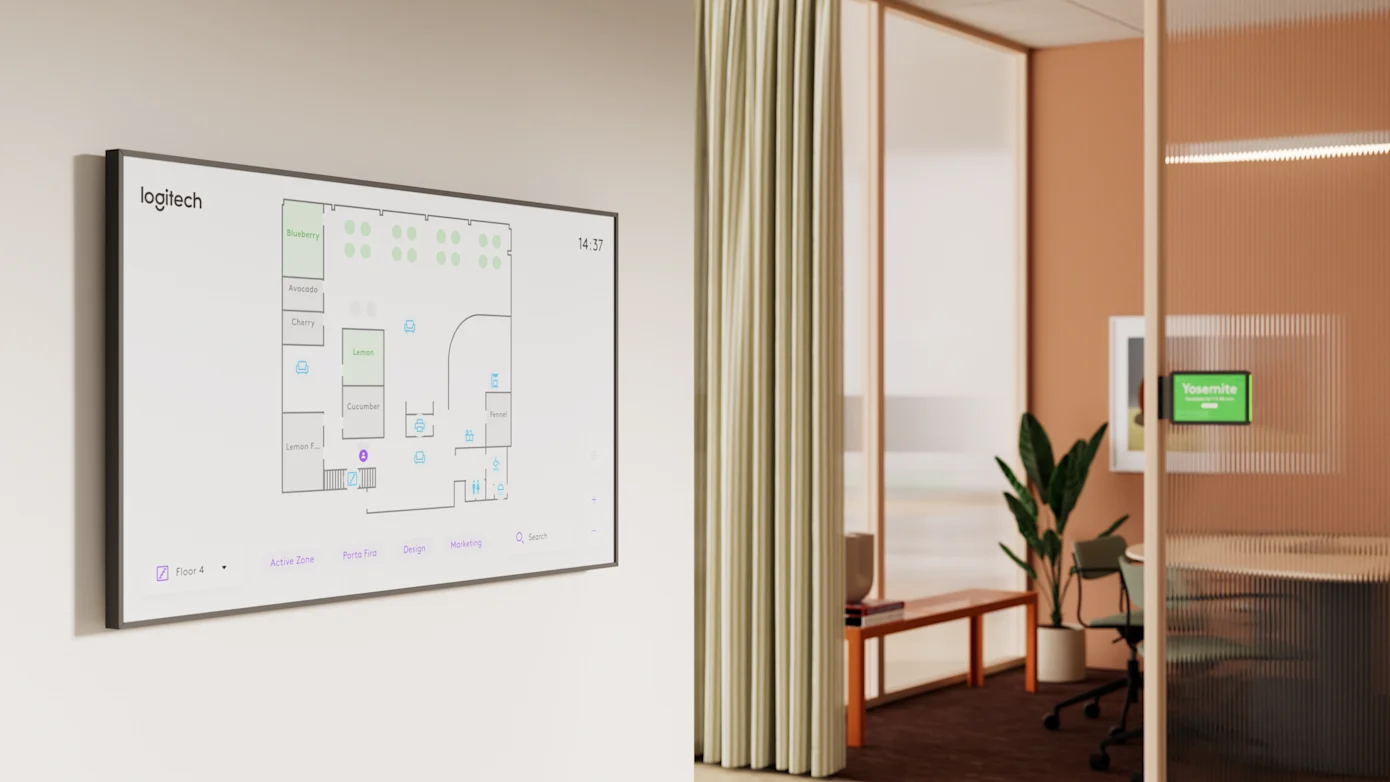
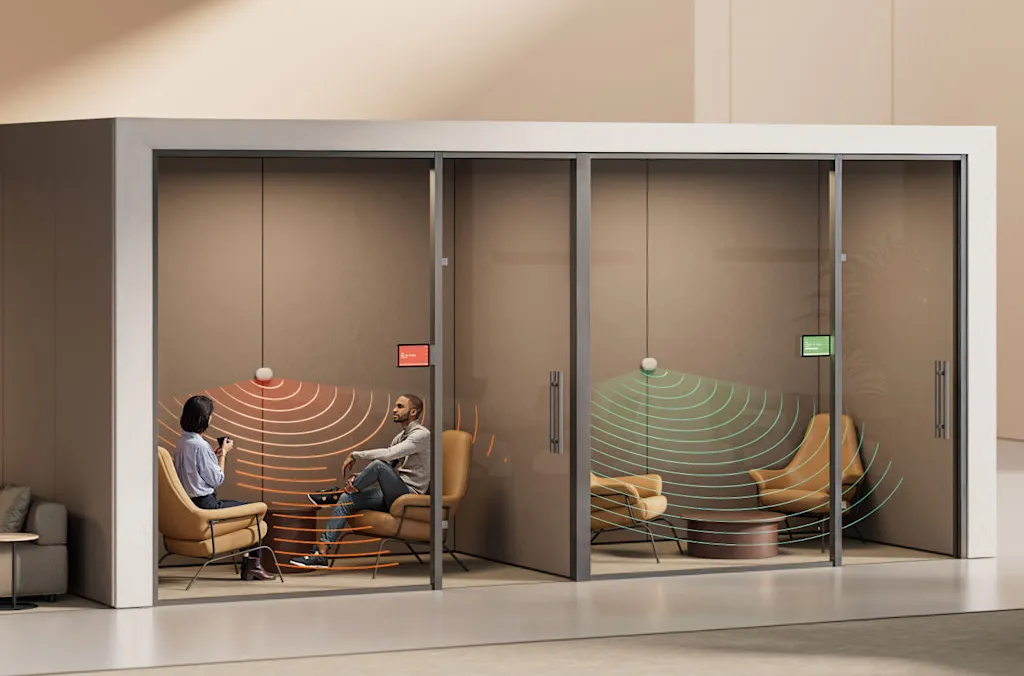
Beyond individual rooms, Microsoft is connecting meeting experiences to wider workplace management through Microsoft Places. Recent updates include improvements to administrative configuration, support for multi-use rooms, and new APIs that allow customers and partners to integrate workplace data more deeply.
According to Higgs, these developments are about using analytics and insight to improve how spaces are managed and used, rather than introducing complexity for end users.
As Microsoft continues to develop AI-supported meeting experiences, the focus remains on making meetings easier to run, more productive, and more secure, without changing how people naturally collaborate.
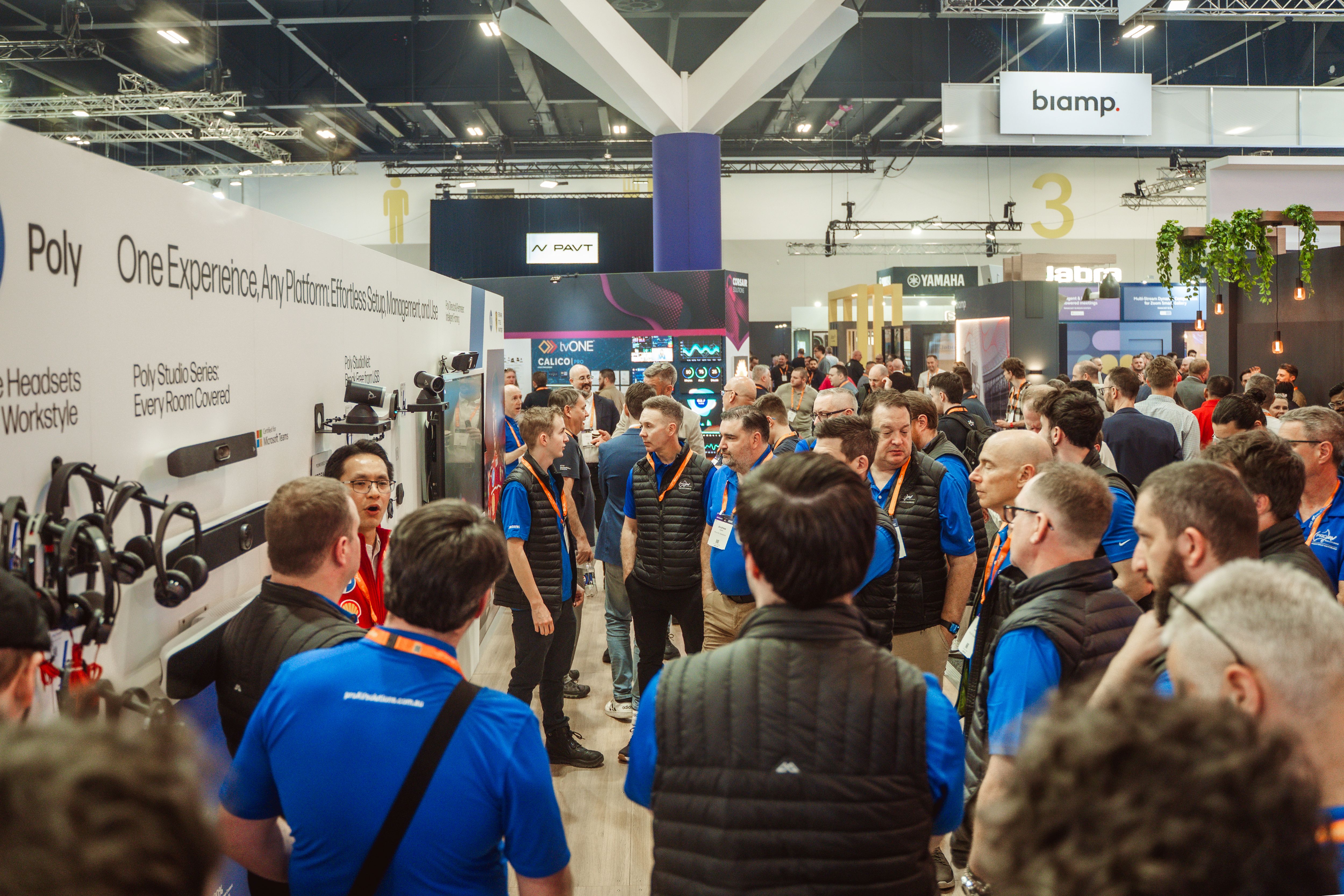
This interview was recorded at Integrate 2025.




.jpg)
.jpg)







.png)








.jpeg)




.avif)




.jpeg)


.webp)