Crestron: Why intelligent cameras and AI are becoming core to modern meeting rooms

As collaboration spaces continue to evolve, camera technology is becoming a more central part of how meeting rooms operate. In a recent conversation, Crestron highlighted how AI-enabled cameras are changing the way people experience meetings, particularly in hybrid environments.
Rather than focusing solely on video quality, the discussion centred on how cameras now contribute to room behaviour and meeting flow.
Cameras as active participants in the room
Crestron’s perspective reflects a shift away from cameras as passive devices. AI-enabled cameras are increasingly responsible for framing participants, following speakers, and adjusting views automatically based on what is happening in the room.
These capabilities are designed to reduce the need for manual intervention. The goal is for meetings to start faster, run more smoothly, and feel more natural for both in-room and remote participants.
Improving the hybrid meeting experience
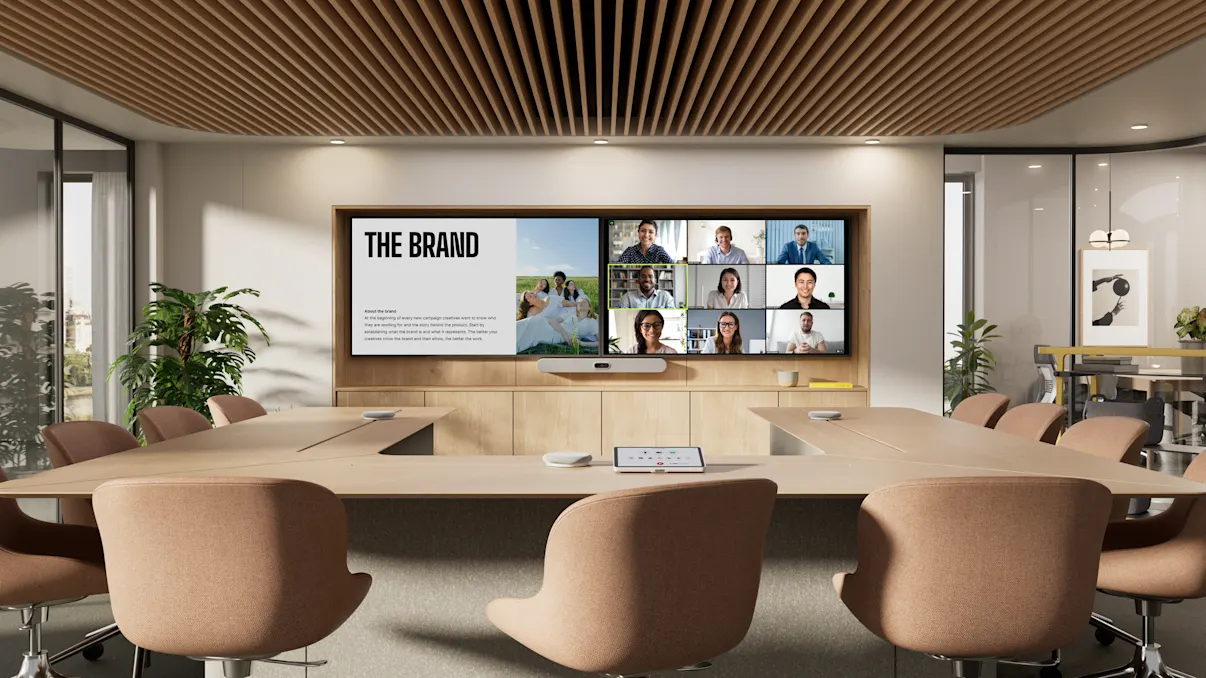
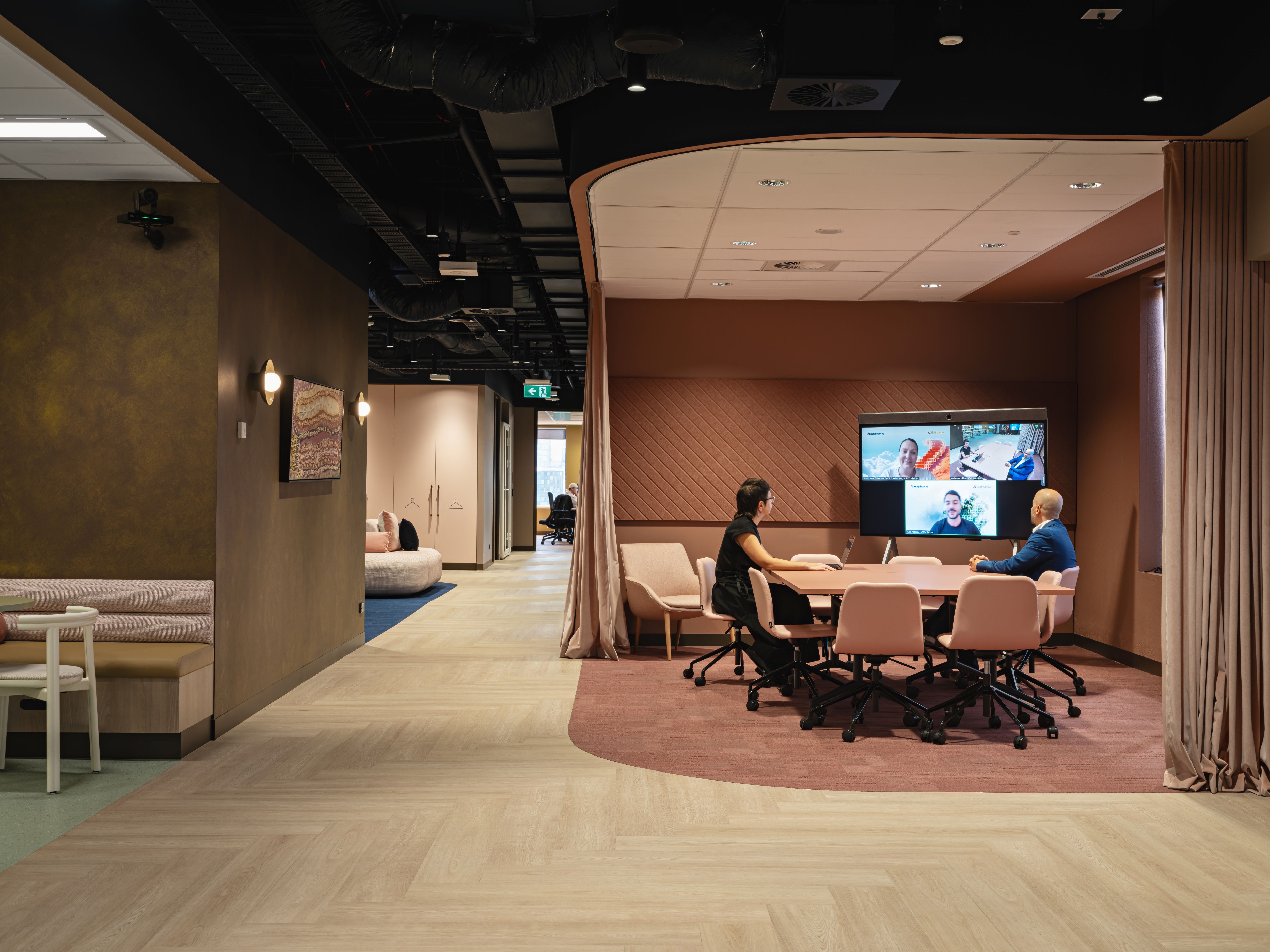
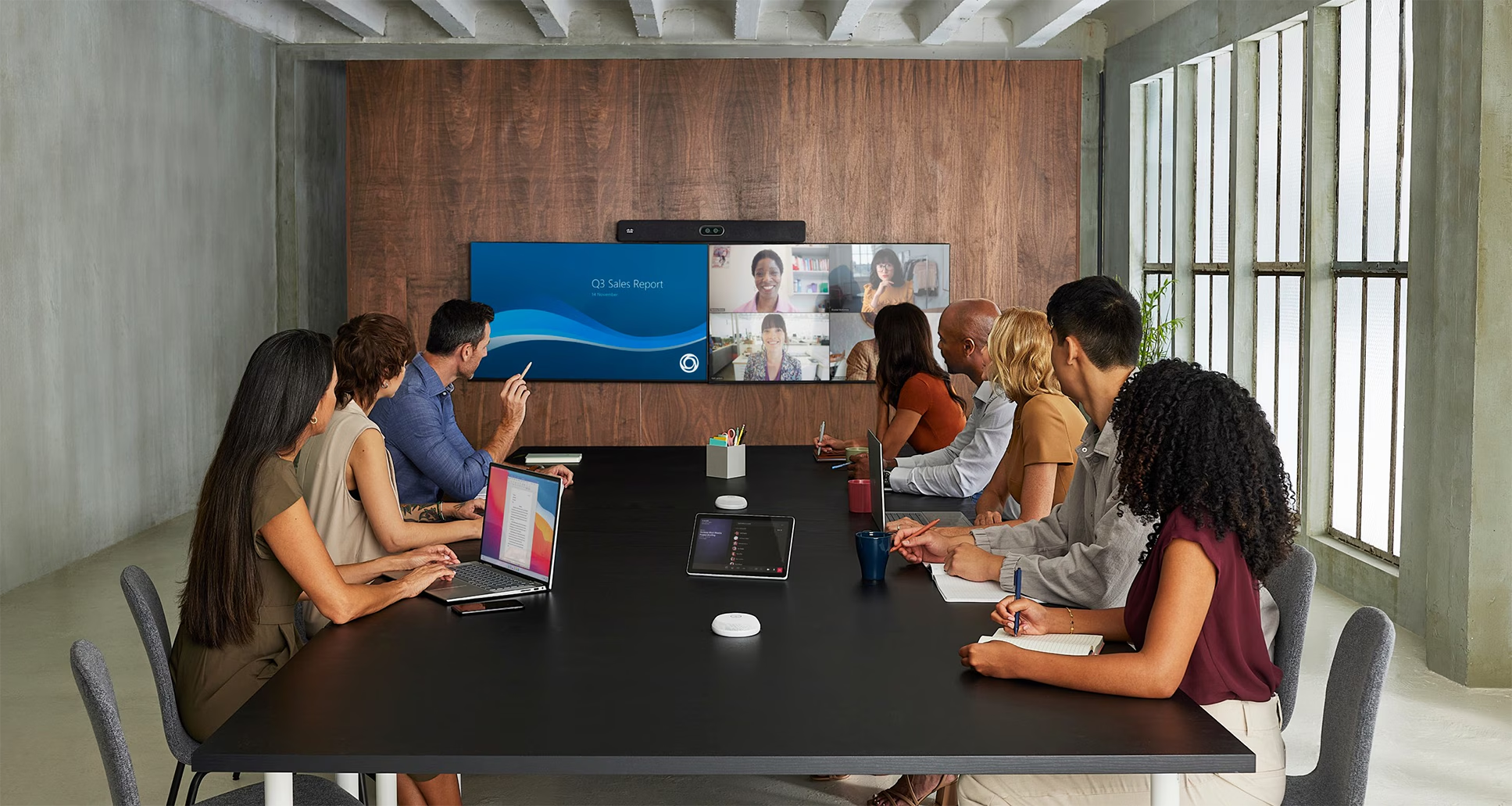
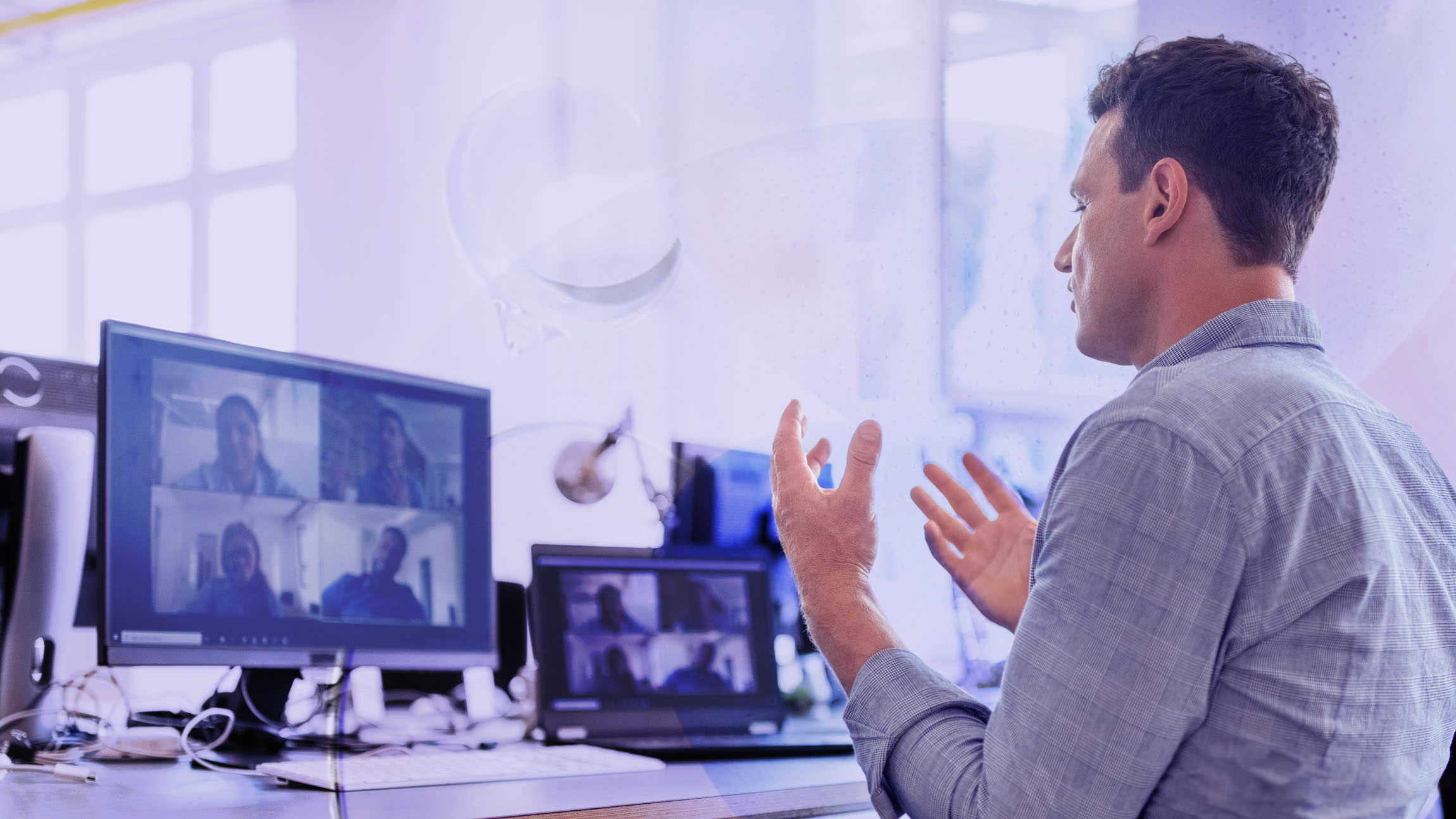
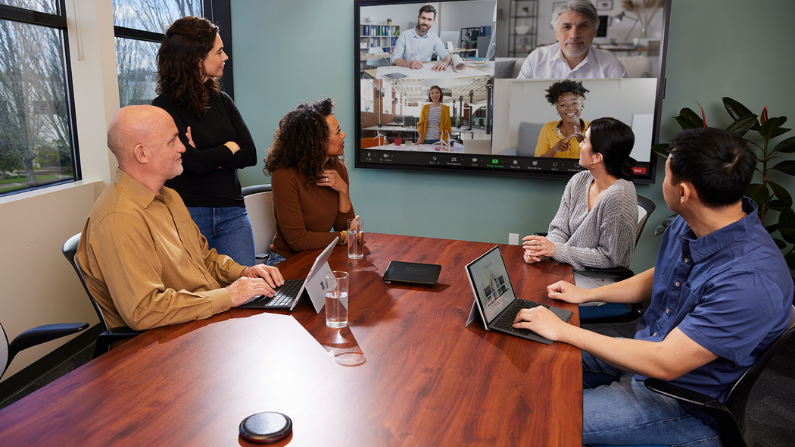
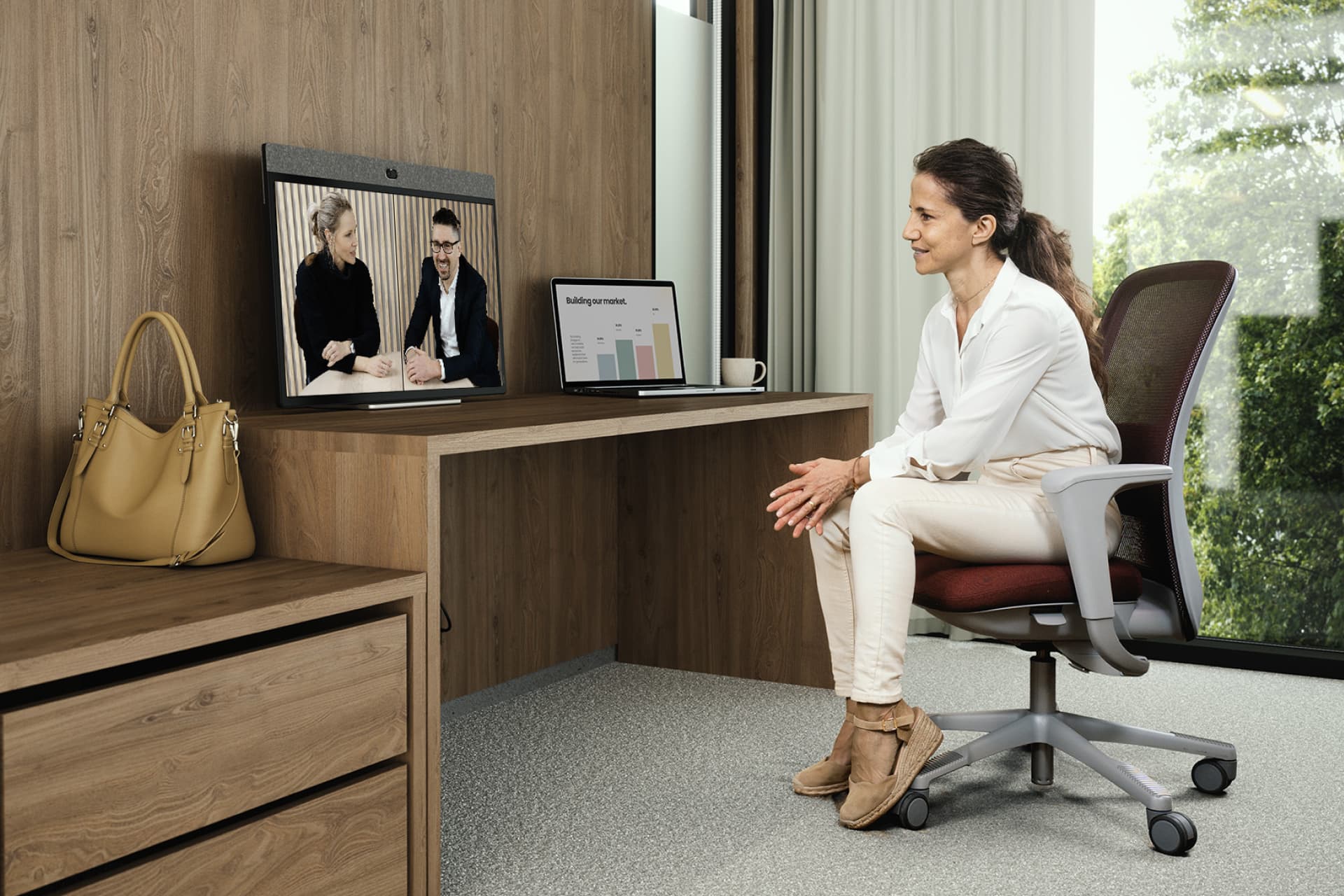
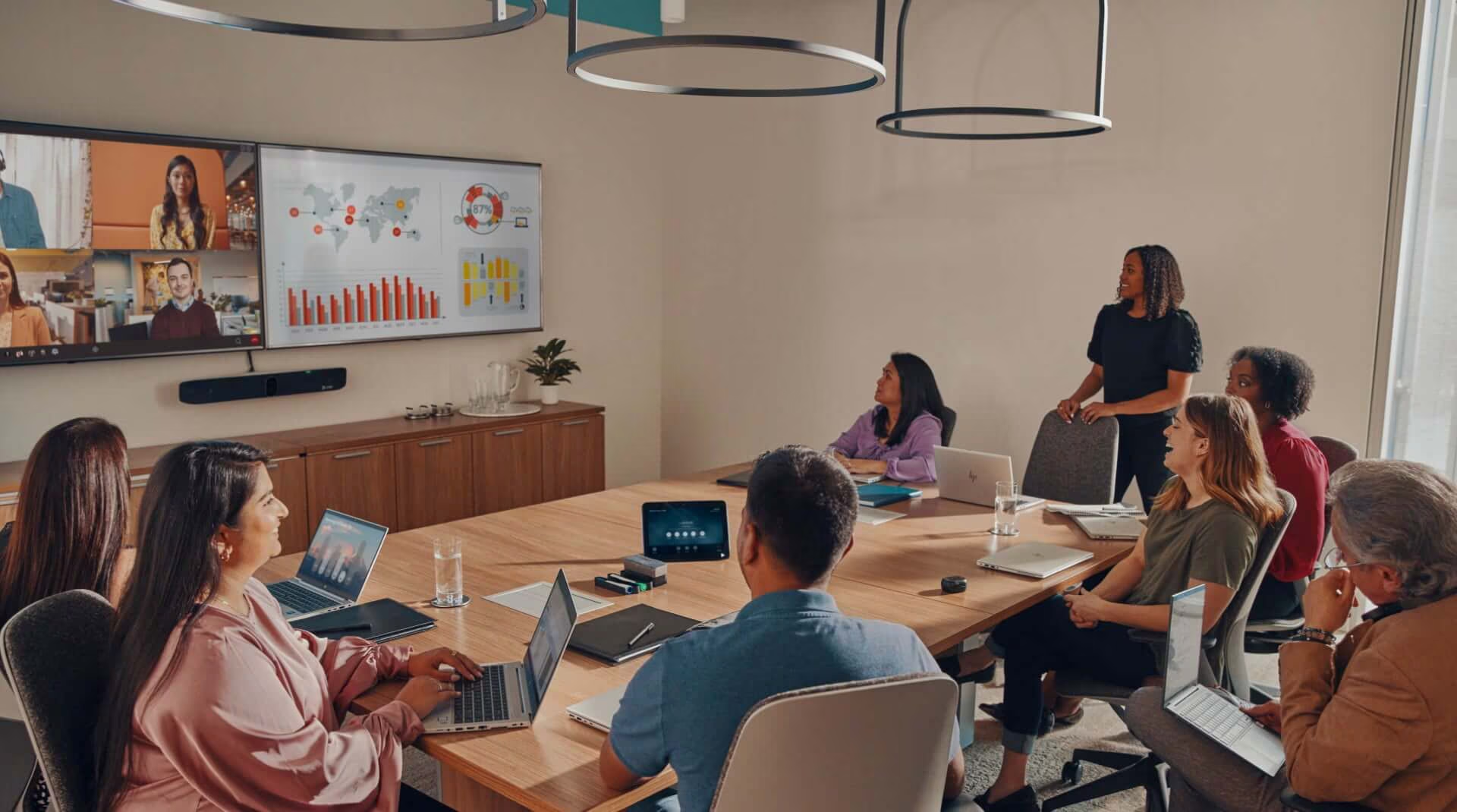
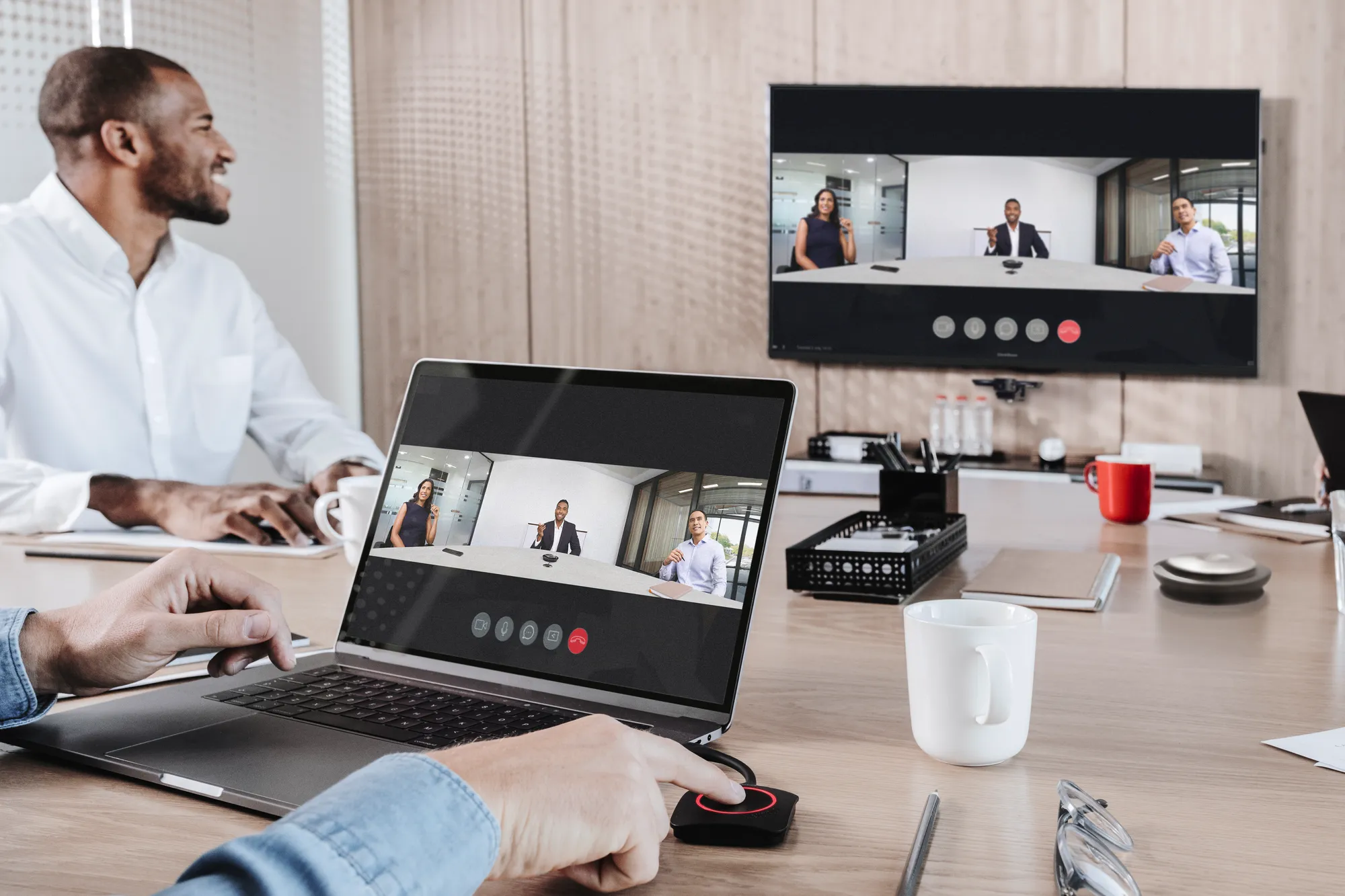
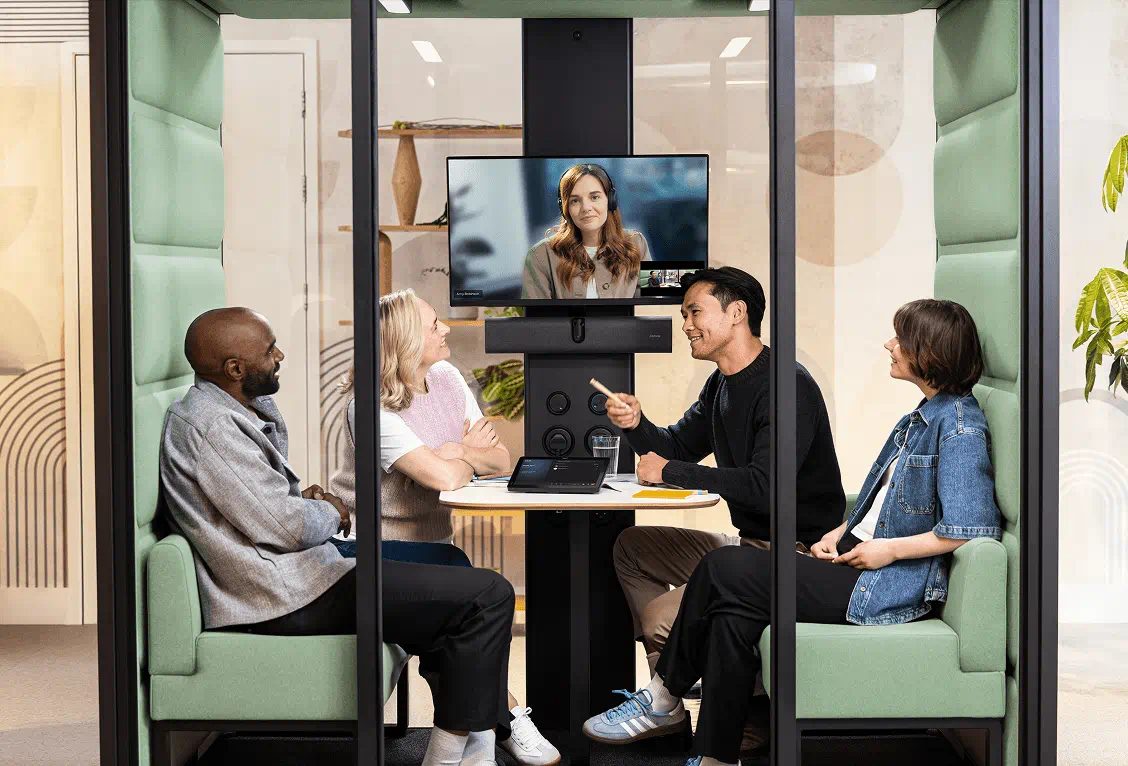
Hybrid meetings place new demands on meeting rooms. Remote participants rely heavily on camera behaviour to understand who is speaking and how the room is being used.
Crestron discussed how intelligent cameras help address this by dynamically adapting to the meeting. Speaker tracking and automatic framing are intended to create a clearer and more balanced experience for everyone involved, regardless of location.
The focus is not on adding complexity, but on removing friction from everyday meetings.
AI at the device level
A key point raised in the interview was the role of AI at the device level. Rather than treating AI as a distant, abstract layer, Crestron described intelligence embedded directly into room hardware.
This approach allows cameras to respond in real time to changes in the room, such as people entering, leaving, or moving between speakers. It also supports consistent performance without relying entirely on external processing.
Designing rooms with intelligence in mind
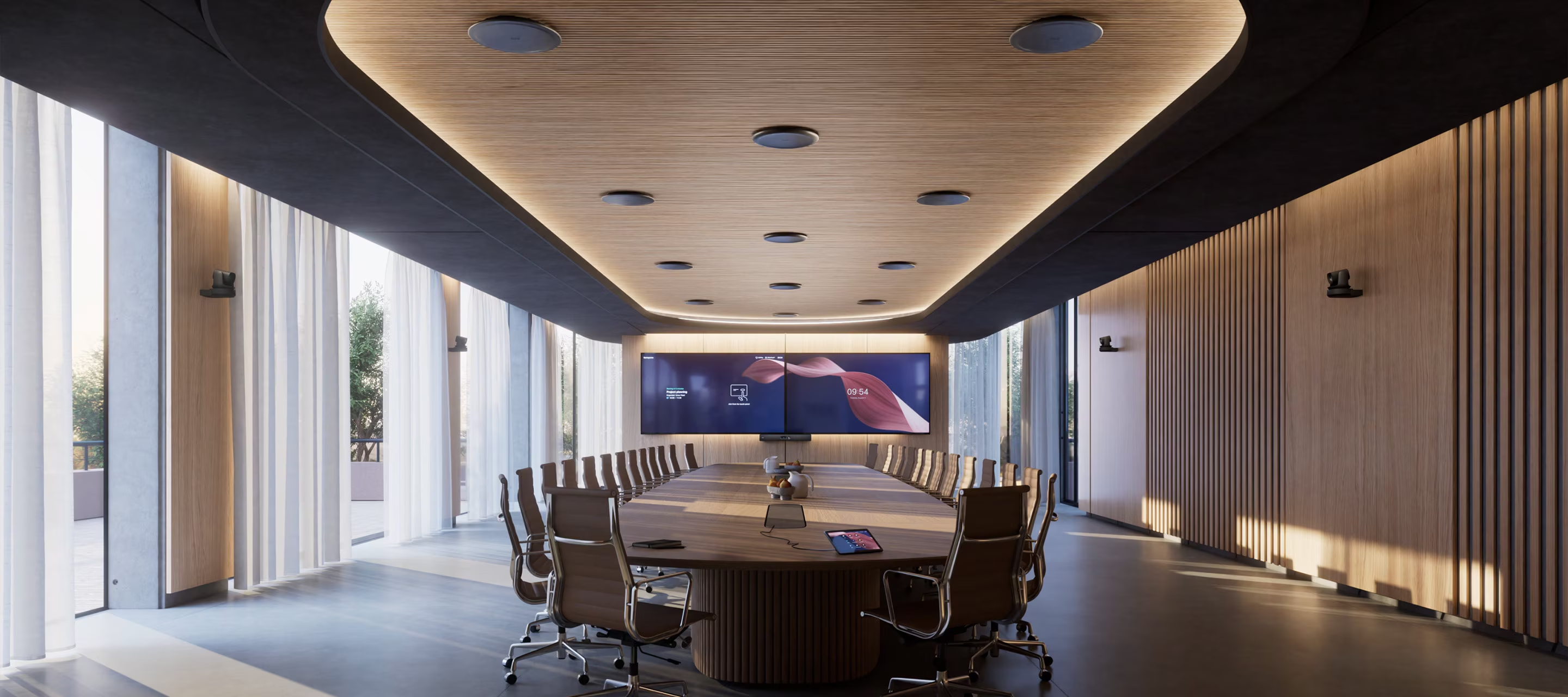
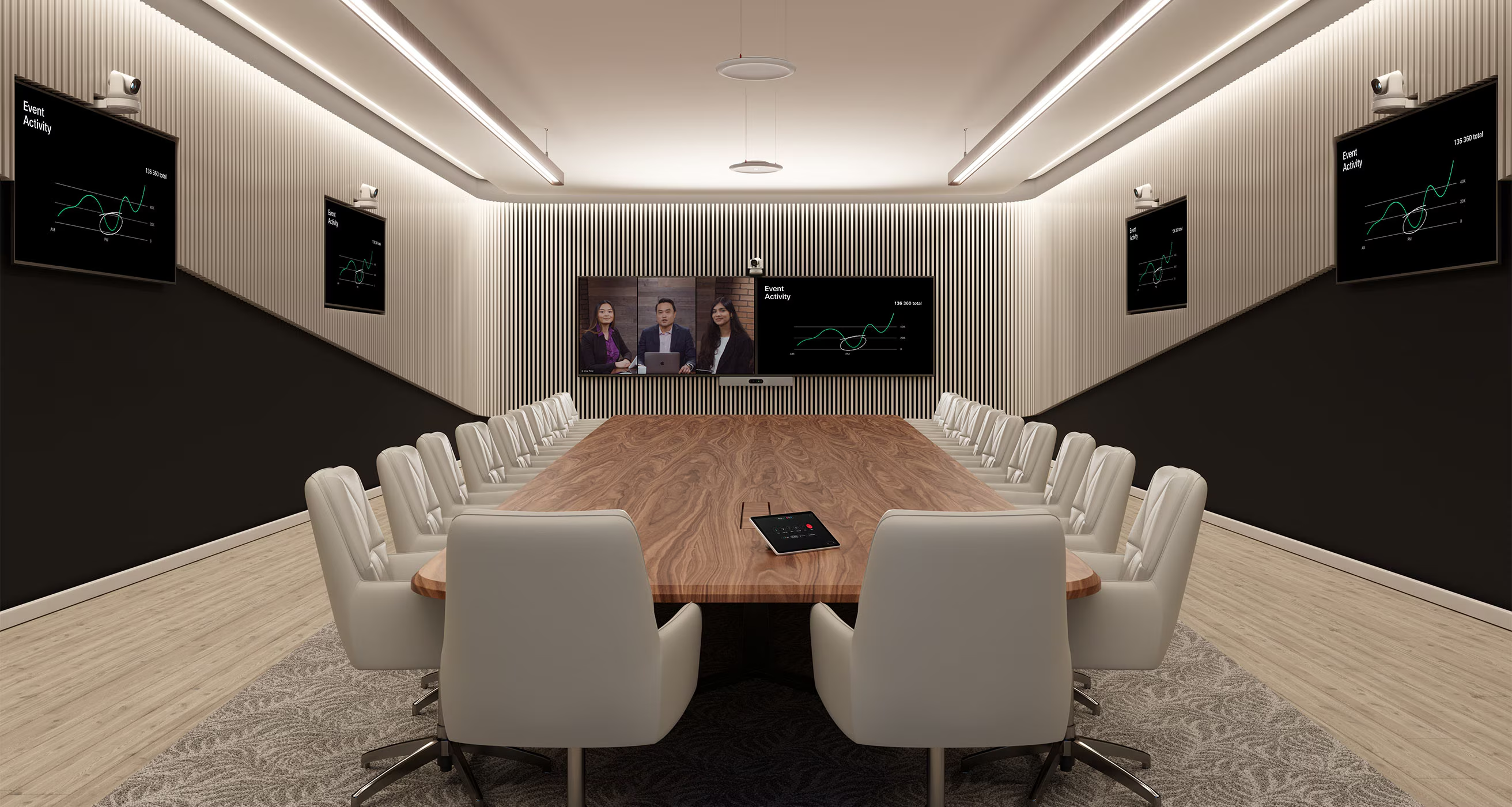
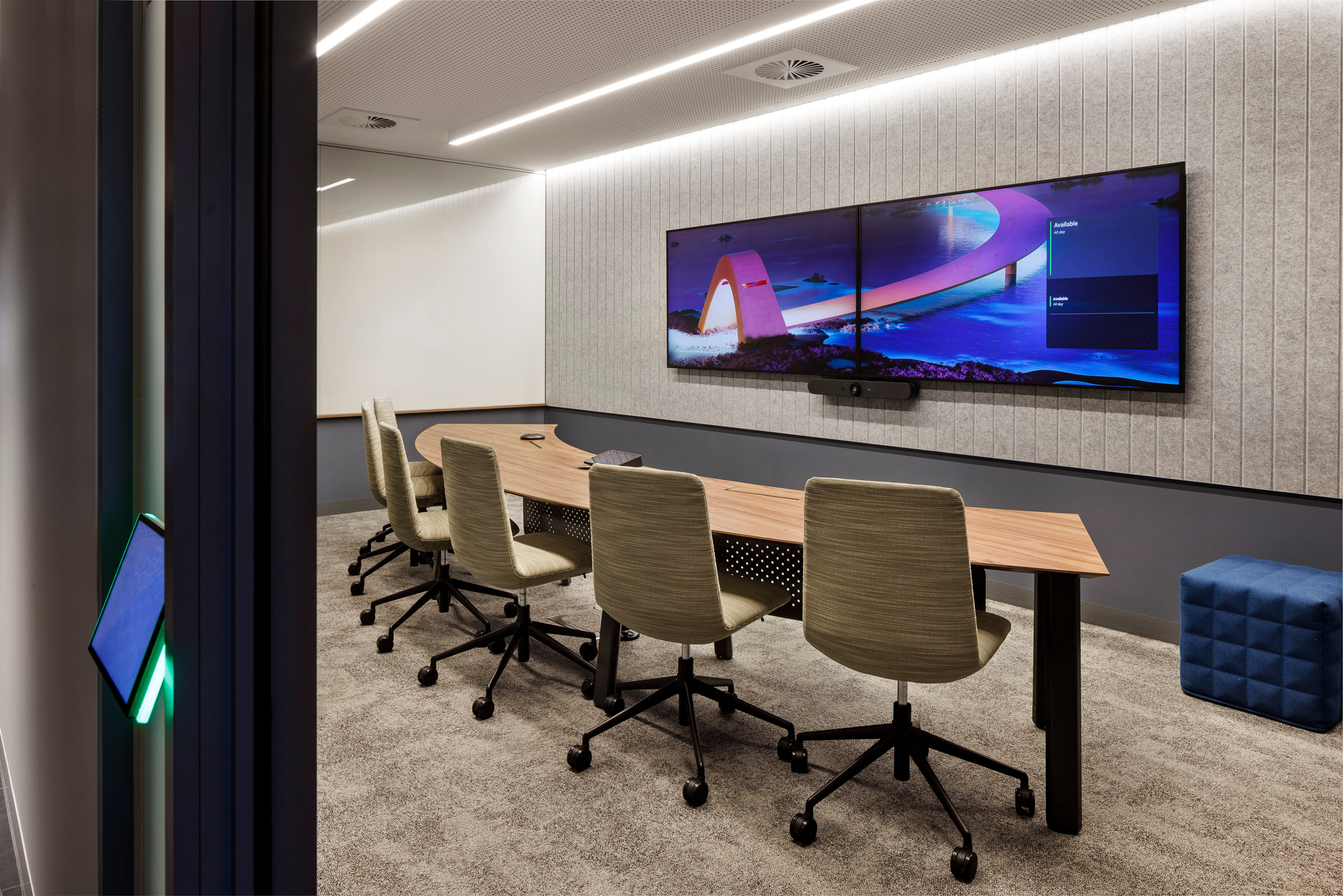
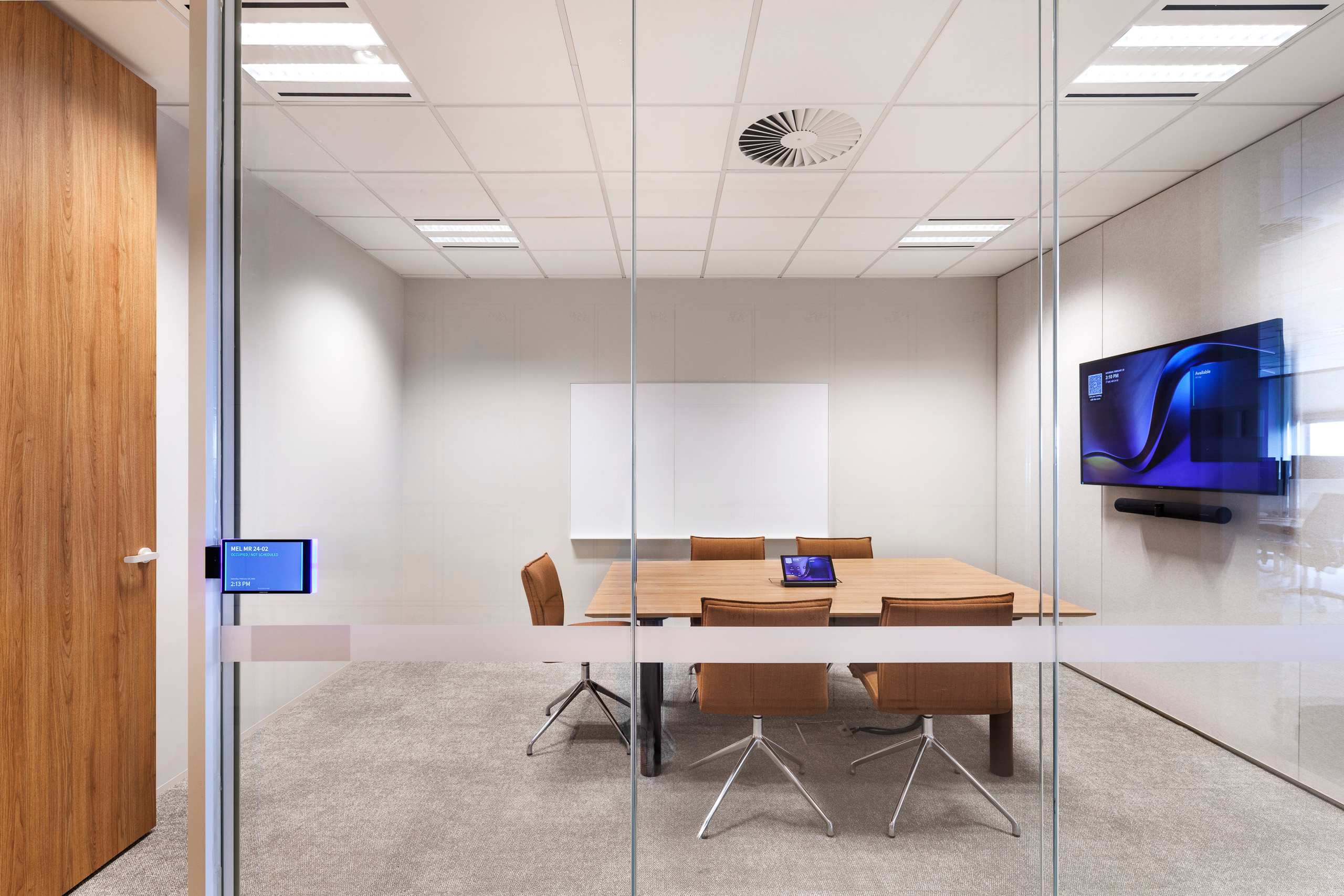
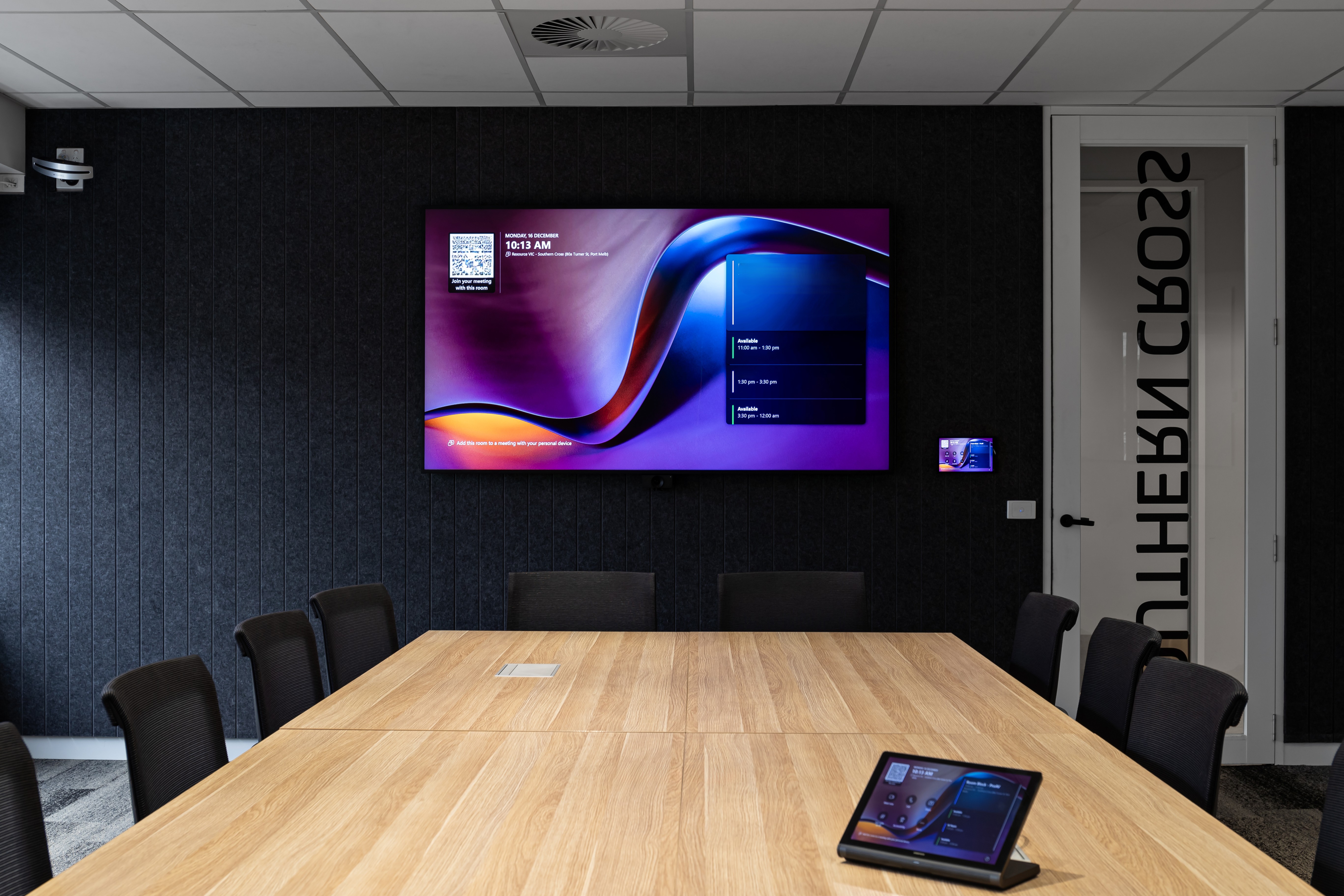
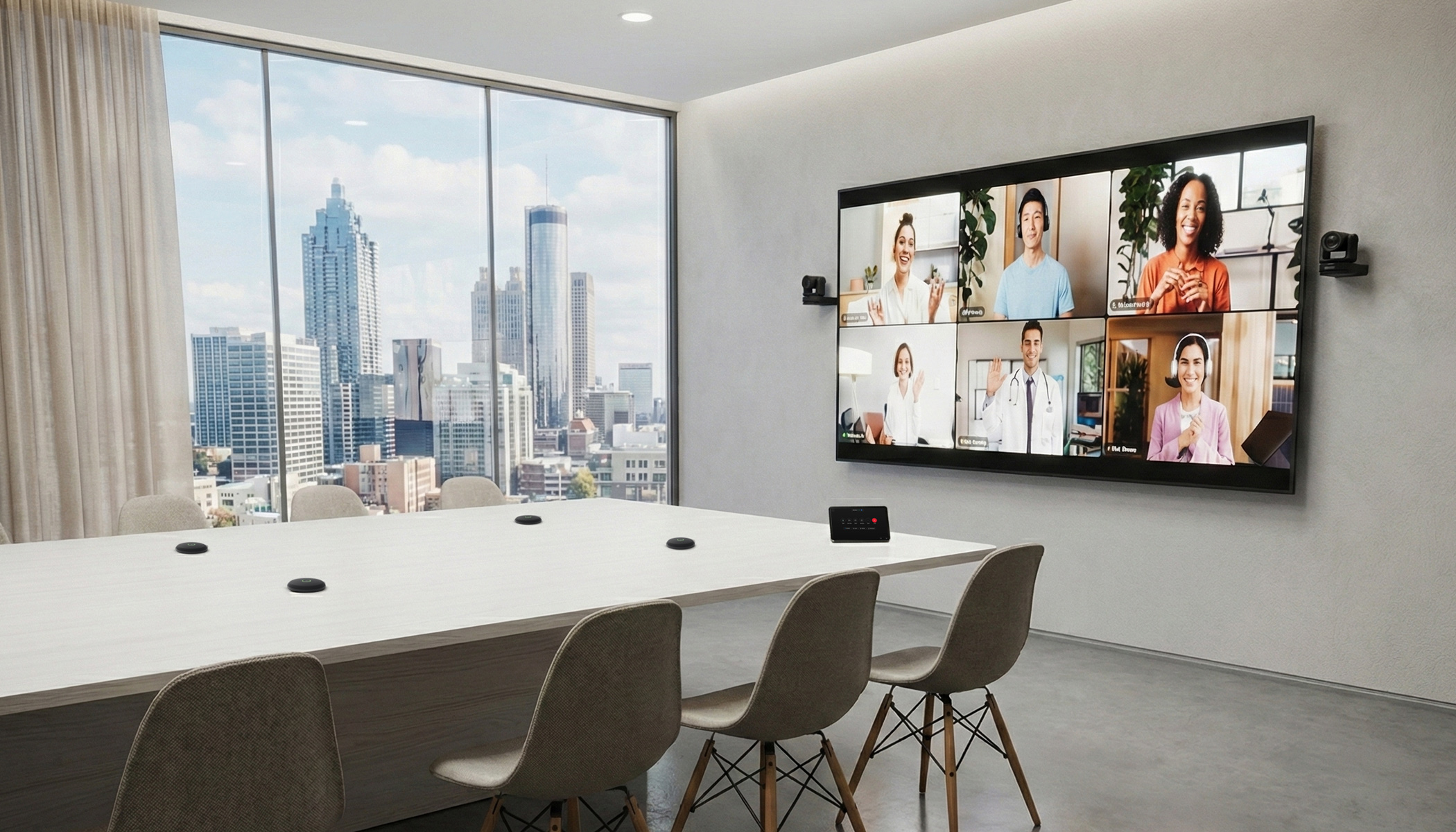
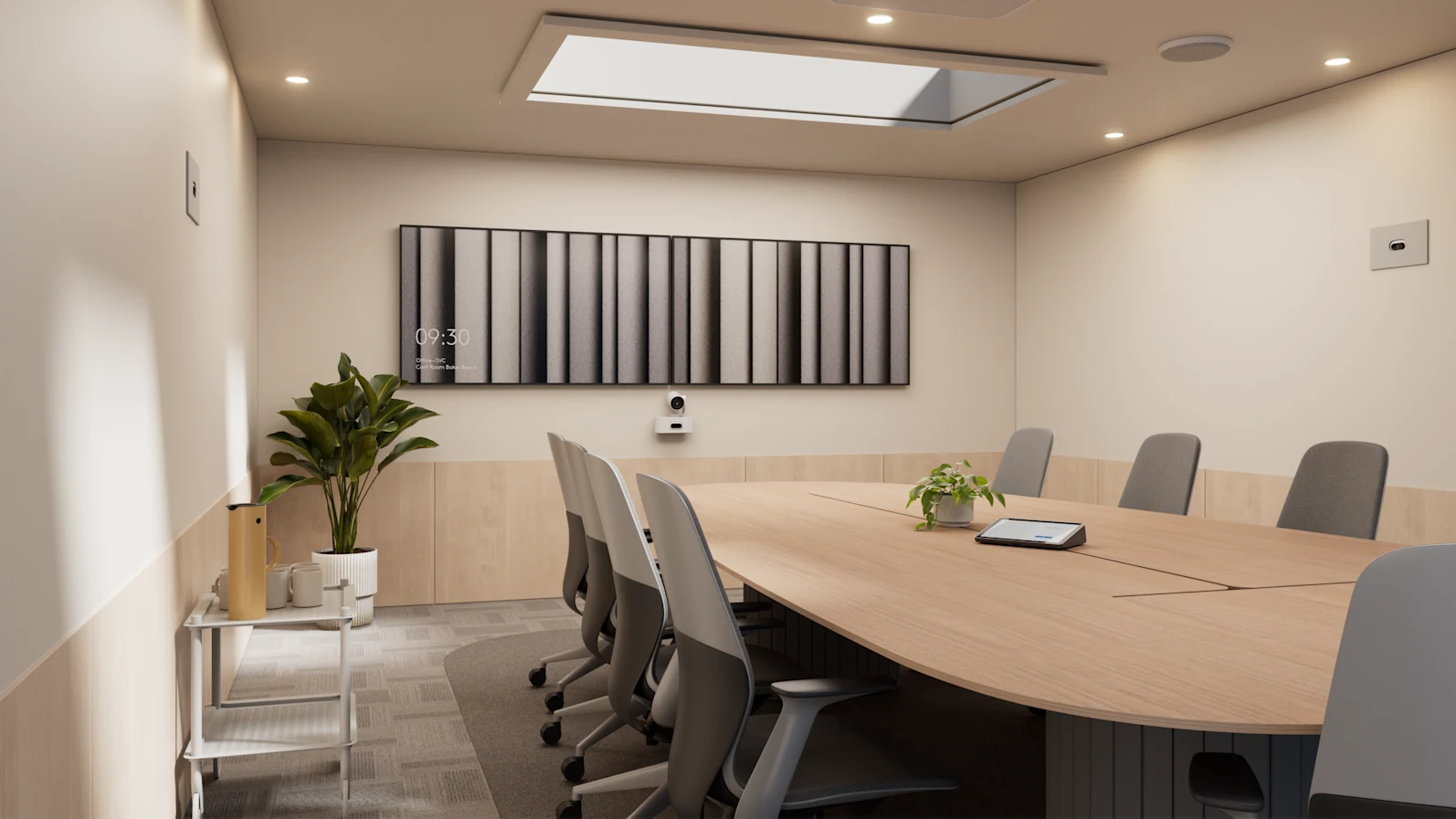
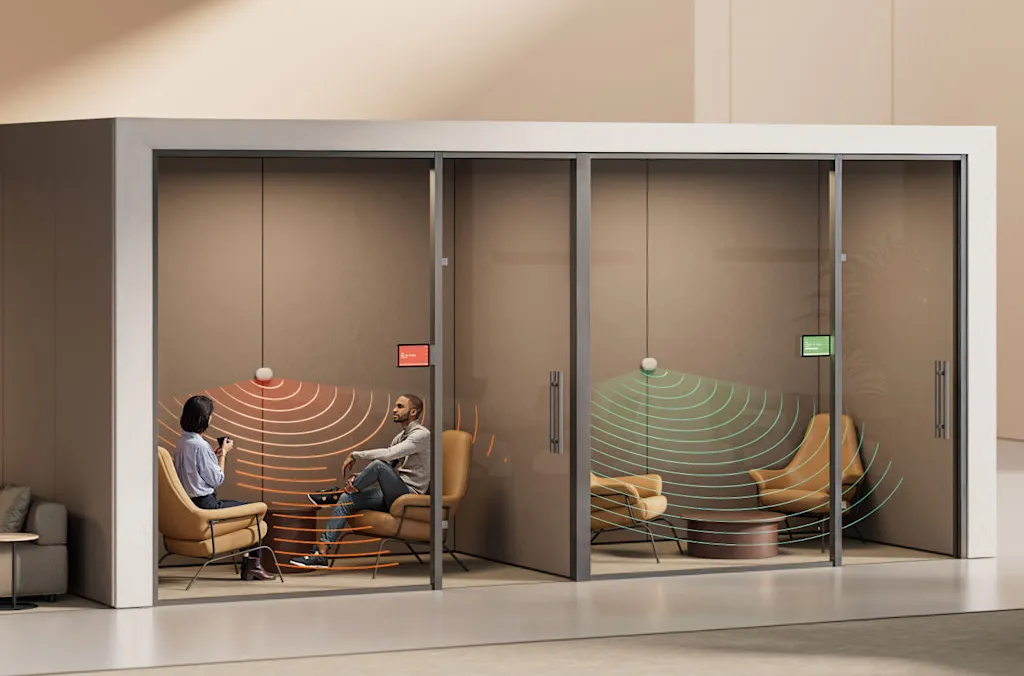
As camera capabilities expand, room design considerations shift alongside them. Camera placement, room layout, and sightlines become more important when AI-driven features are involved.
Crestron’s approach embeds intelligence directly into the camera hardware. This allows the system to respond in real time as room conditions change, without requiring constant adjustment.
As meeting spaces continue to evolve, cameras are becoming a foundational part of room design, not just an accessory. Placement, layout, and sightlines increasingly matter to ensure intelligent features perform as intended.
The result is a more natural meeting experience, where technology supports collaboration instead of competing for attention.
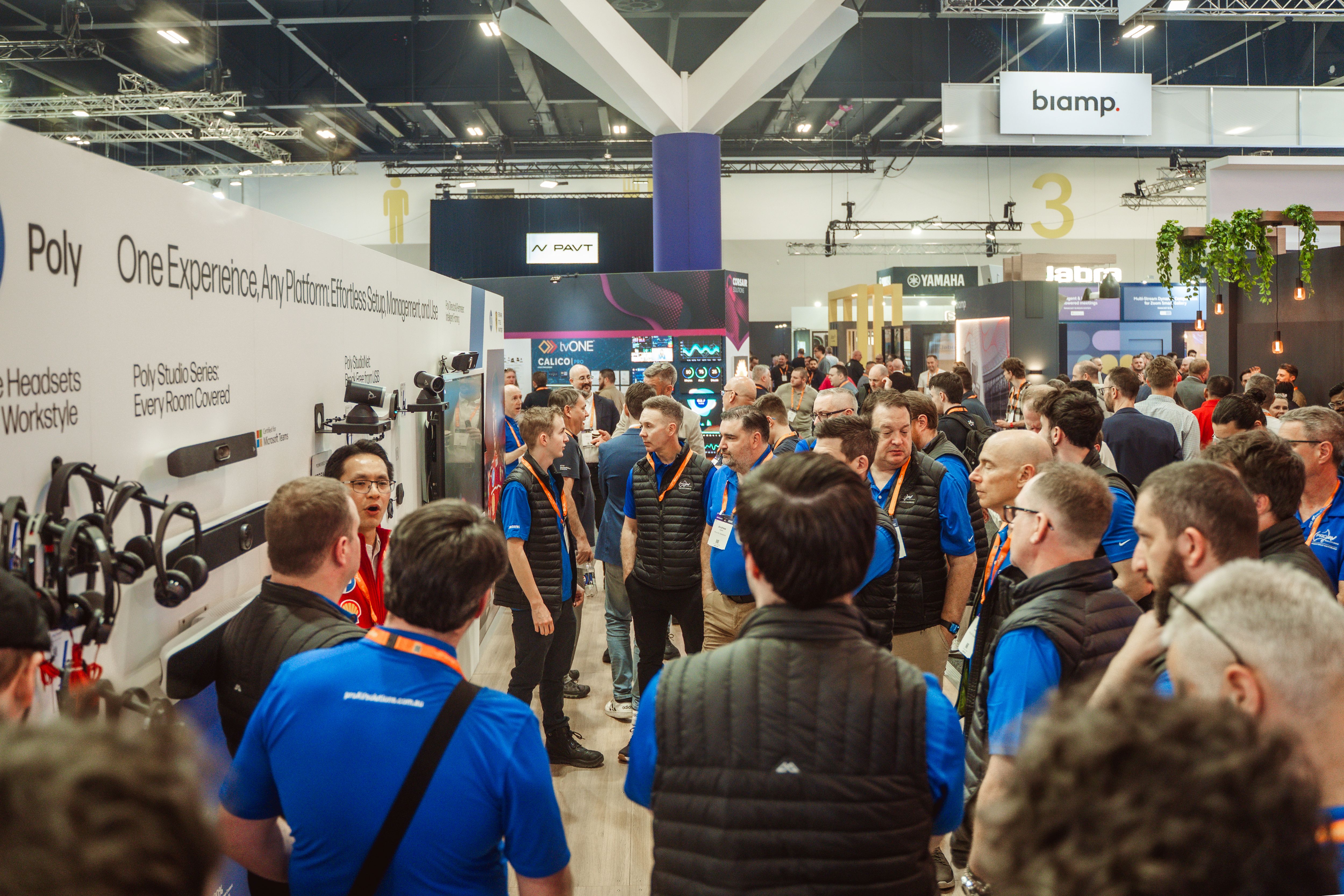
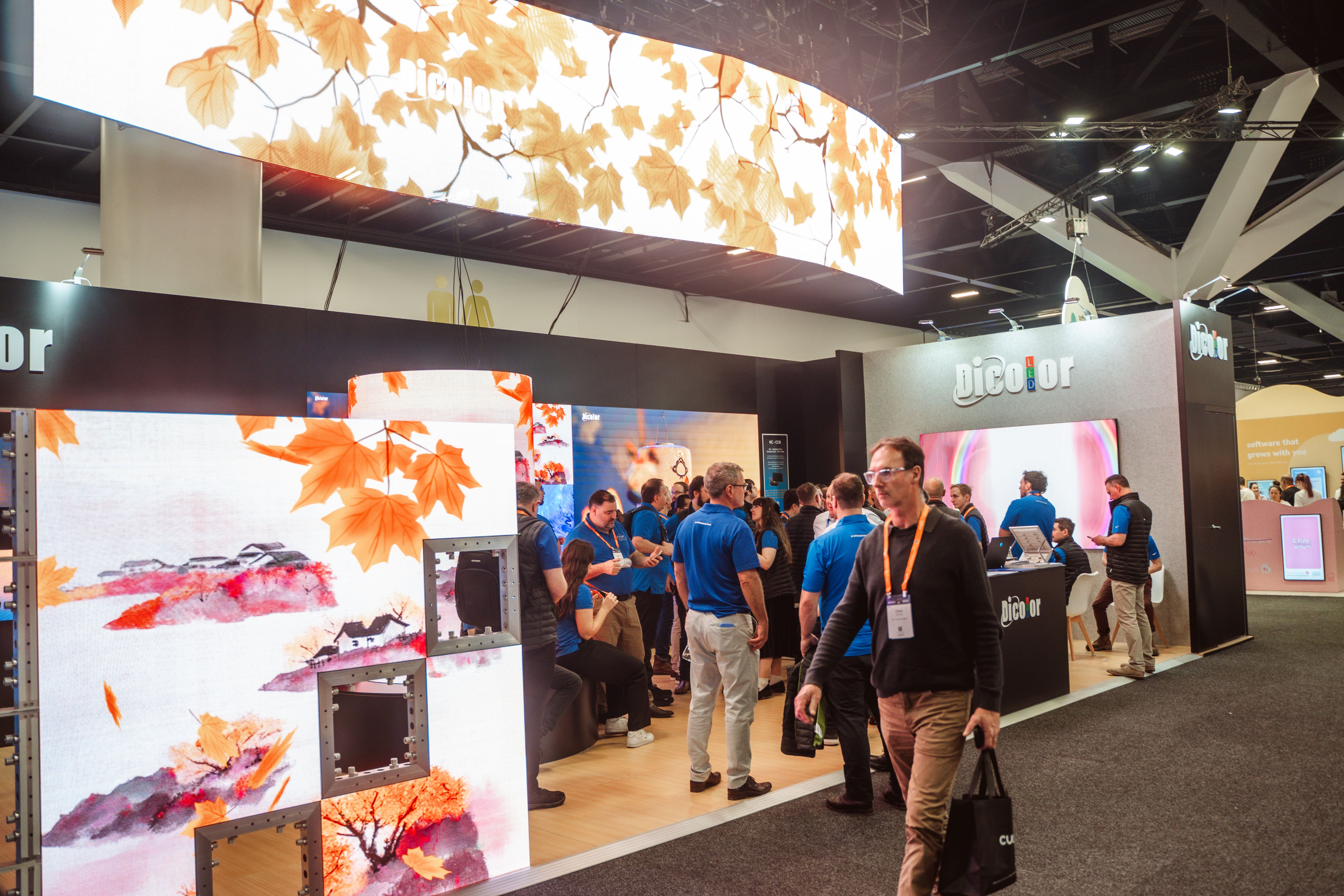
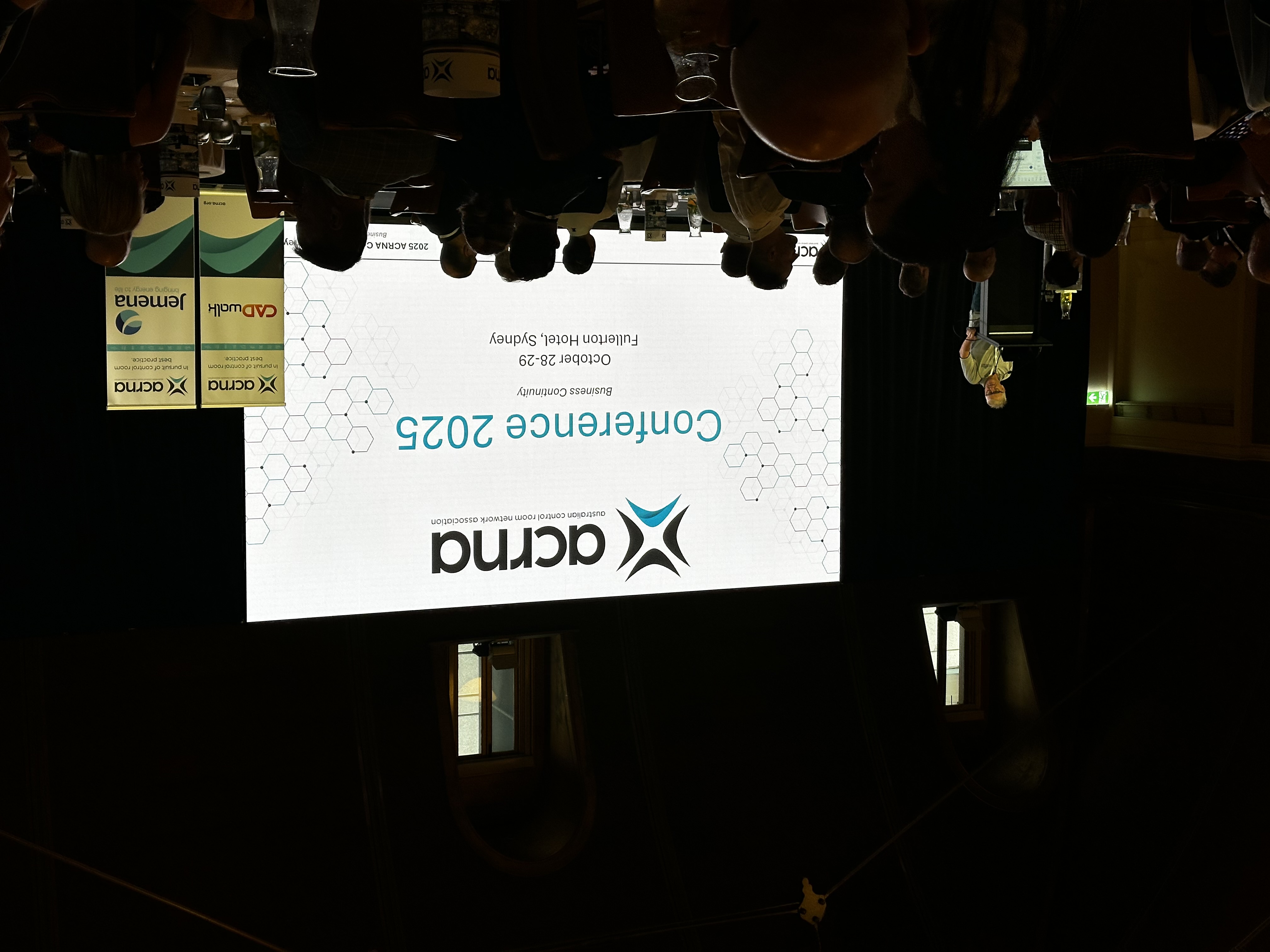
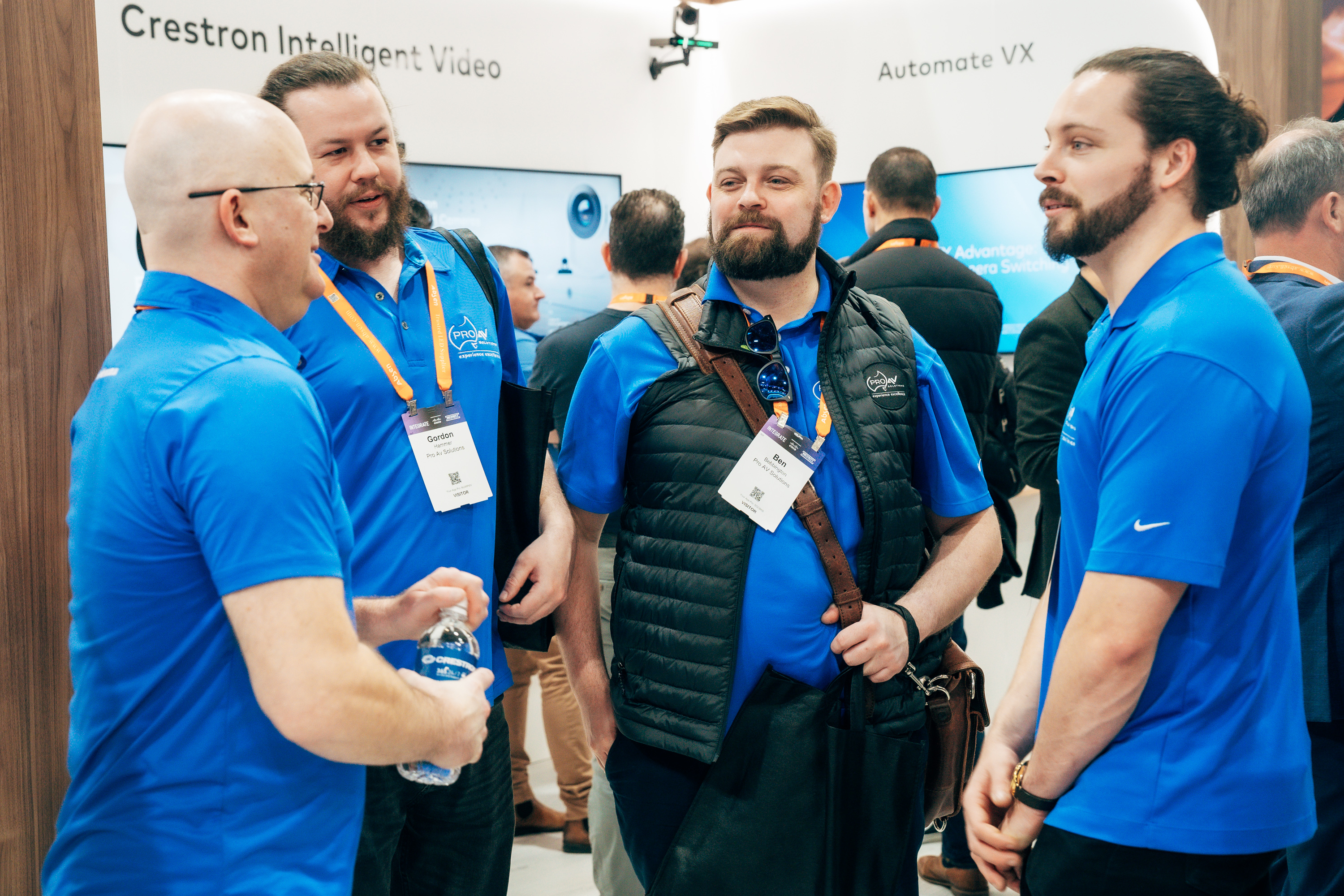
This interview was recorded at Integrate 2025.





.jpg)
.jpg)







.png)






.jpeg)




.avif)




.jpeg)


.webp)