National AV Integration: What Enterprise Clients Should Expect Across Multiple Sites
A national AV rollout rarely becomes complicated because of one meeting room. It becomes complicated because every site has a slightly different reality. One office has different ceiling conditions. Another has a different construction timeline. Another has local stakeholder requests. Another needs to follow a global workplace standard. Another has a support process that does not quite match the rest of the business. Individually, these details are manageable.
Across multiple sites, they can quickly create variation in room design, user experience, documentation and support. That is why national AV integration needs more than good installation. It needs a clear delivery model before the first site goes live.
For enterprise clients, the right AV integration partner should help define the standards, manage local differences, coordinate delivery across locations and support the environment after handover.
This guide outlines what organisations should define before rolling out workplace technology across multiple sites, including room standards, delivery governance, national AV support and GPA-backed global capability where required.
What national AV integration means
National AV integration is the coordinated planning, delivery and support of audiovisual and workplace technology across multiple locations.
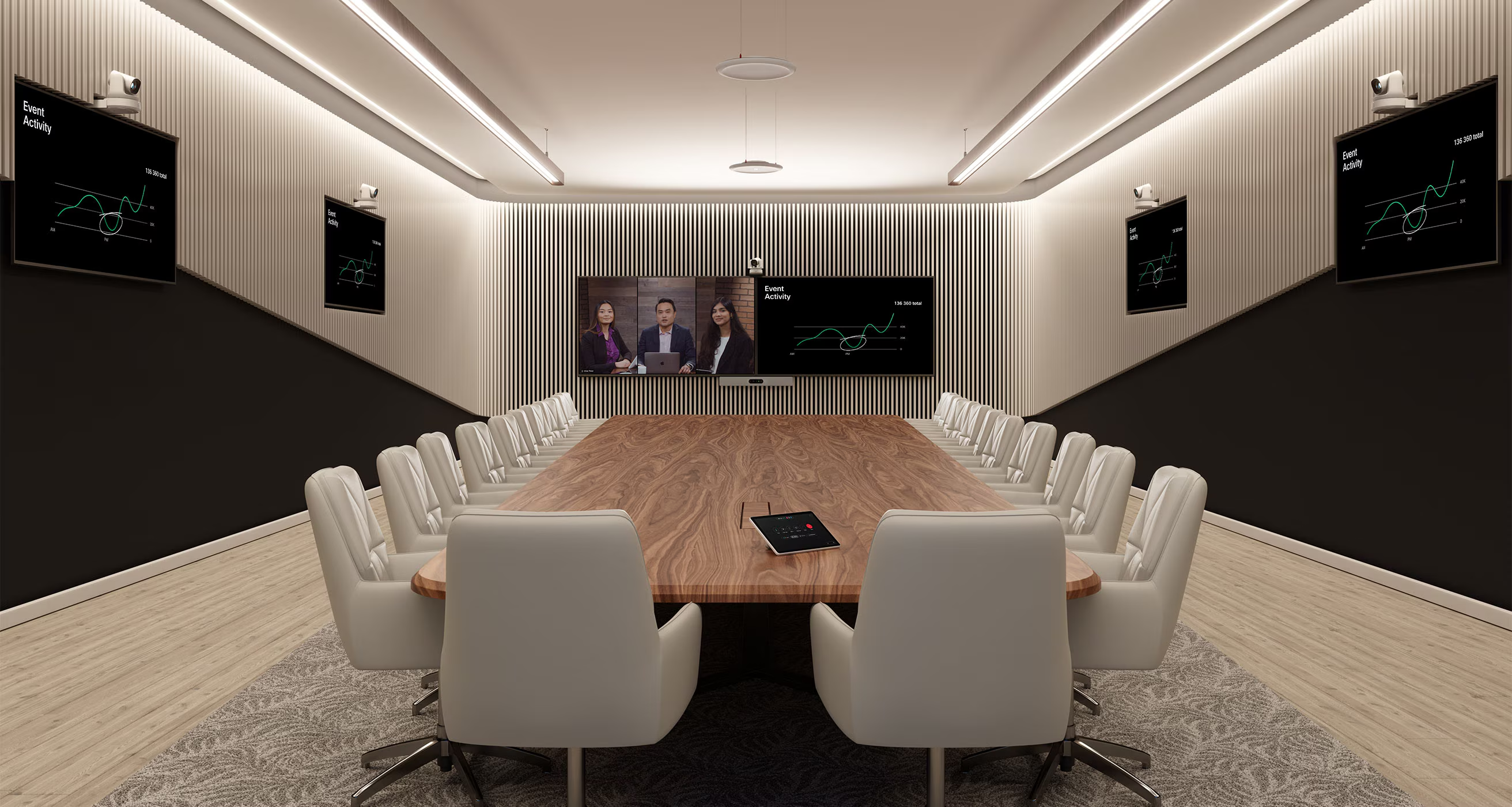
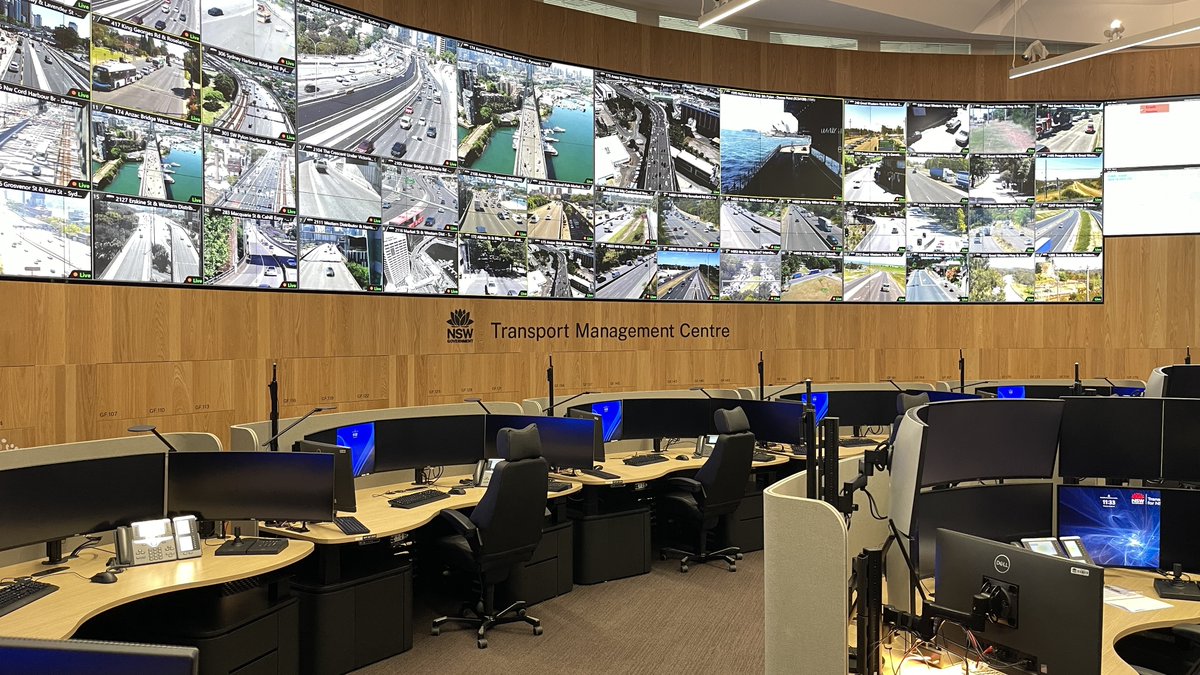
This may include meeting rooms, boardrooms, training rooms, collaboration spaces, town hall spaces, digital signage, briefing rooms, control rooms, education spaces, healthcare environments, venue technology and operational facilities.
For enterprise organisations, this work is often part of a broader workplace, property, IT or transformation programme. That means the AV integration partner needs to manage more than the room itself. They need to understand the standard, the site conditions, the programme timeline, the users, the IT requirements and the support model that will exist after handover.
Strong programme management is important because it keeps delivery aligned across locations. It helps manage scope, documentation, stakeholders, timelines, site variation and handover requirements without every location becoming a separate project with its own approach.
What needs to be consistent across locations
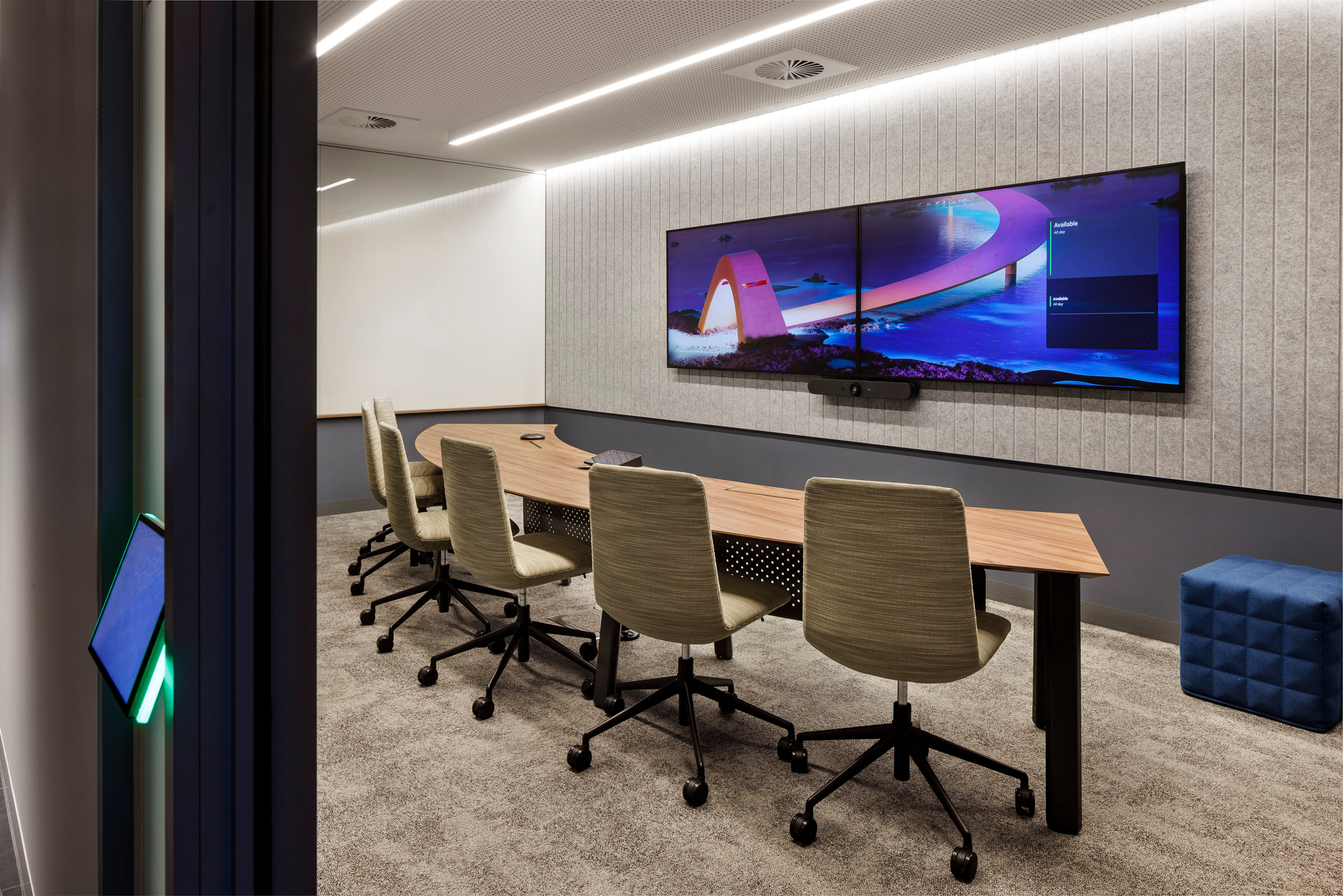
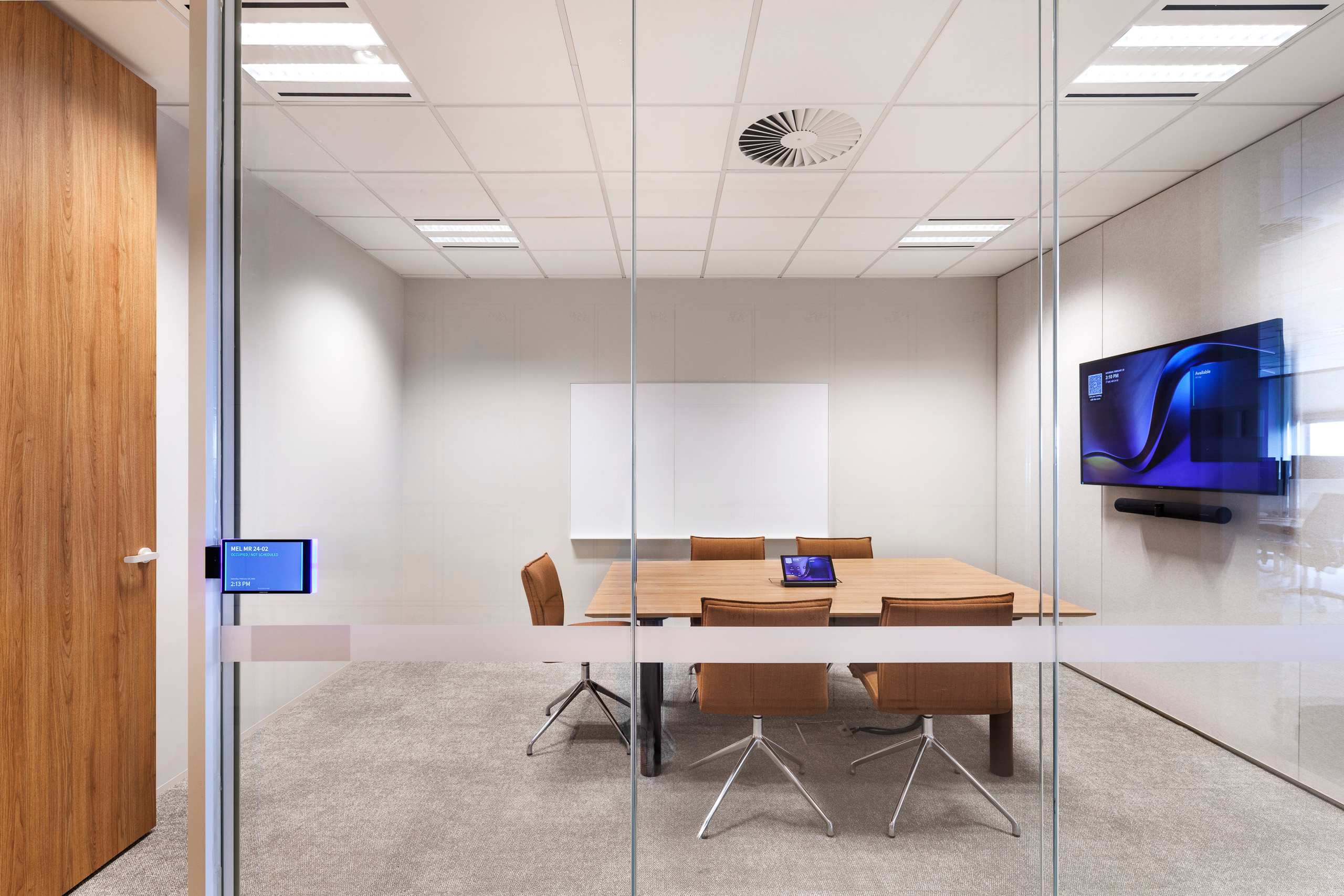
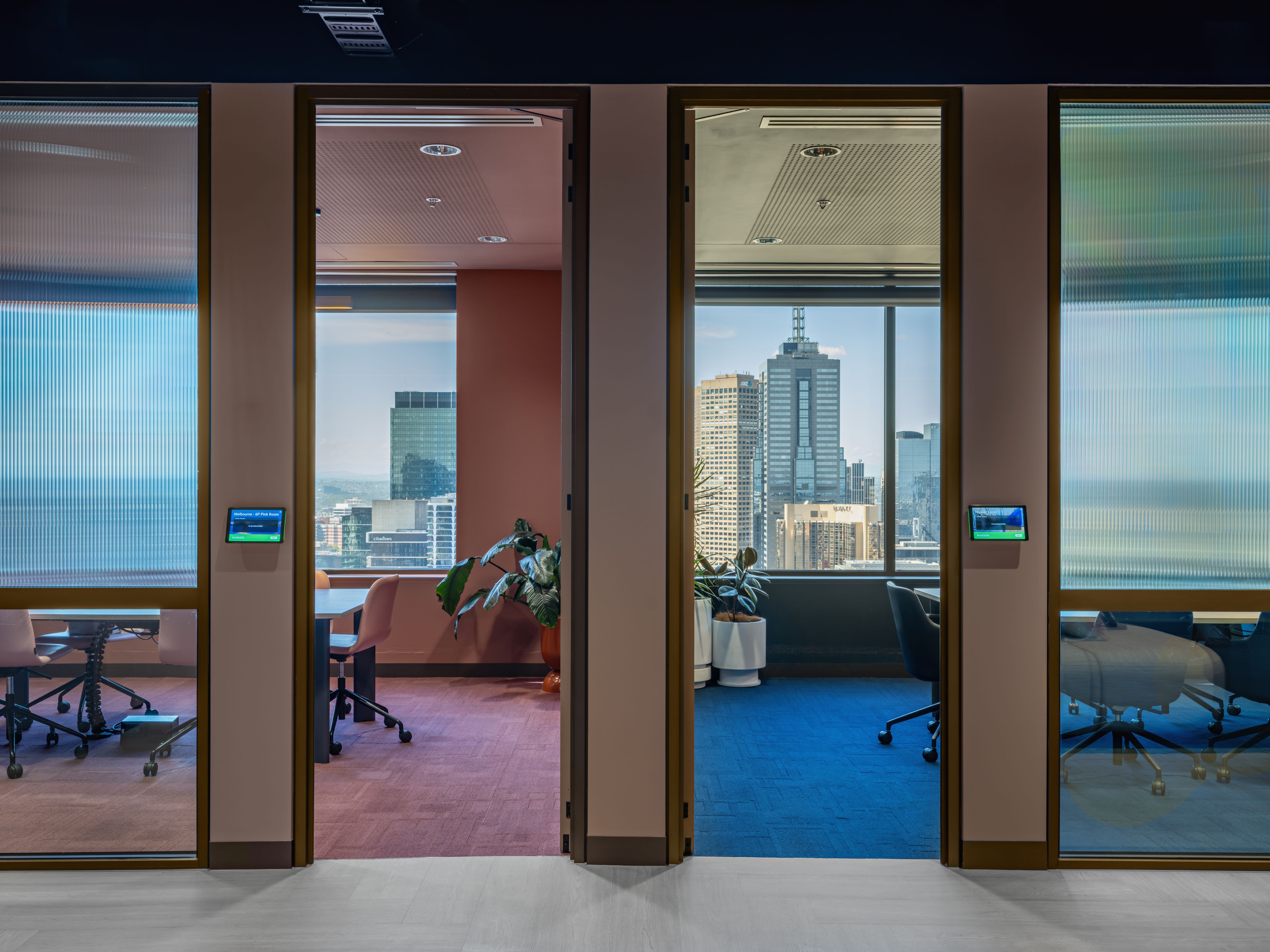
Consistency does not mean every room should be identical. A small meeting room, a boardroom and a training space will not need the same design. The room size, user behaviour, technology requirements and support expectations will be different.
The important part is deciding what should stay consistent.
For most organisations, this includes:
- how people join meetings
- how content is shared
- how audio and video are controlled
- what platforms are supported
- what devices are approved
- how rooms are commissioned
- how support is requested
- how documentation is handed over
The flexible parts may include room layout, display size, microphone type, mounting approach, furniture integration or site-specific construction requirements.
This is the difference between standardisation and copy-paste.
A good standard gives project teams enough structure to deliver consistently, without ignoring the realities of each site.
Legacy issues that can make national rollouts harder
Multi-site AV projects are often made harder by legacy conditions that already exist across the workplace portfolio.
These may have developed over several years, across different offices, projects, suppliers or technology standards.
Common legacy issues include:
- different room standards across sites
- inconsistent user interfaces
- unclear support pathways
- different device selections
- local changes that were not documented
- rooms handed over with different levels of information
- IT teams supporting systems they were not involved in planning
- future upgrades becoming harder to coordinate
- different warranty, support or service arrangements across locations
These conditions are common in larger organisations, especially where rooms have been upgraded at different times or through different project teams.
The role of a national AV integrator is to help bring structure to that environment.
That may include reviewing existing standards, identifying where variation is creating unnecessary complexity, defining a more consistent approach and helping future projects align to an agreed model.
For organisations managing AV delivery across Australian offices, this can reduce fragmentation and make the environment easier to support over time.
What to define before the rollout starts
Before a multi-site AV rollout begins, organisations should define the core parts of the programme.
This does not need to be overcomplicated. It does need to be clear.
Key areas to define include:
- which sites are included
- what room types are required
- what technology standards already exist
- which platforms need to be supported
- what should be consistent across locations
- what variation is allowed
- who approves exceptions
- how local site conditions will be managed
- how handover will be documented
- what support model is required after go-live
- whether global alignment is required
These questions are much easier to answer before delivery begins.
Once every site has already made different decisions, it becomes harder to bring the environment back into a consistent model.
The role of workplace technology standards
Workplace technology standards help turn a national rollout from a set of individual projects into a managed programme.
A standard may include:
- room typologies
- approved technology options
- preferred collaboration platforms
- display, camera and microphone standards
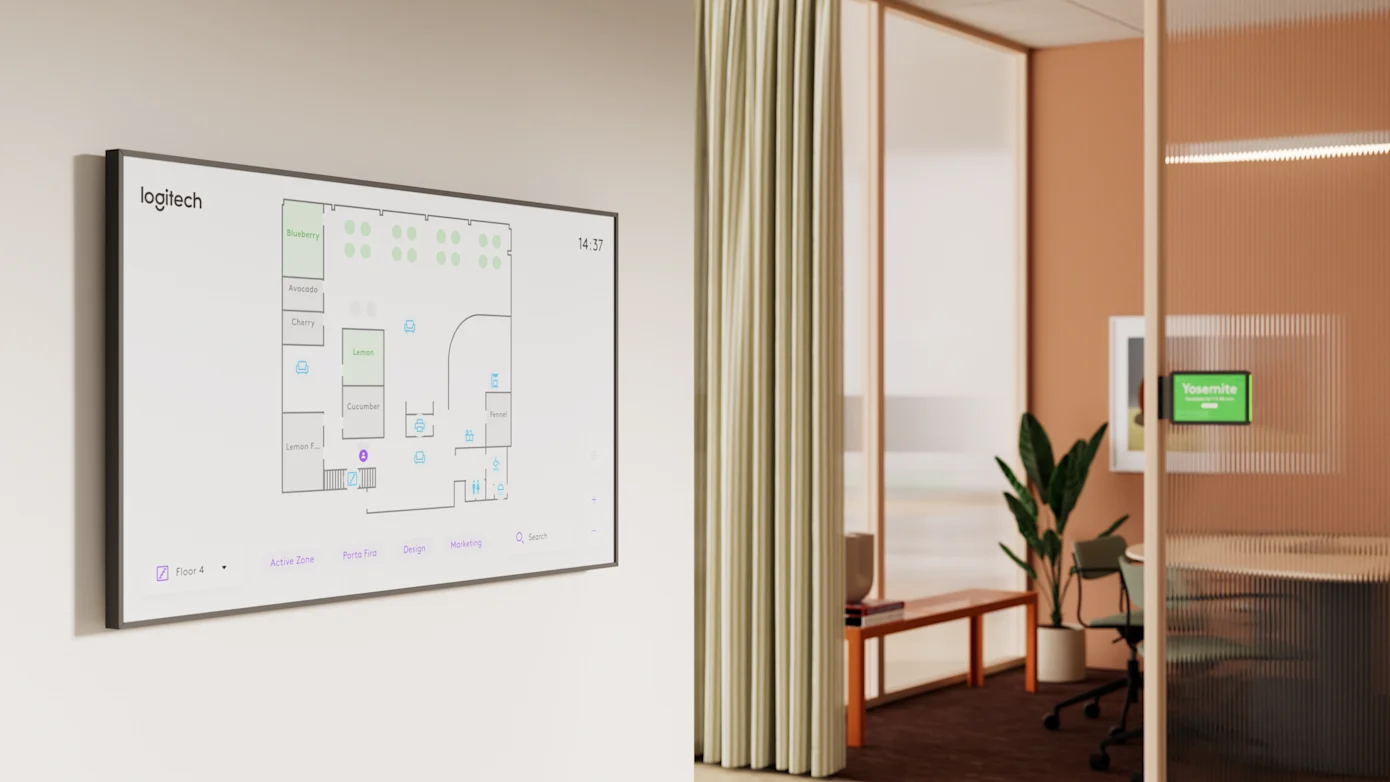
- control interface principles
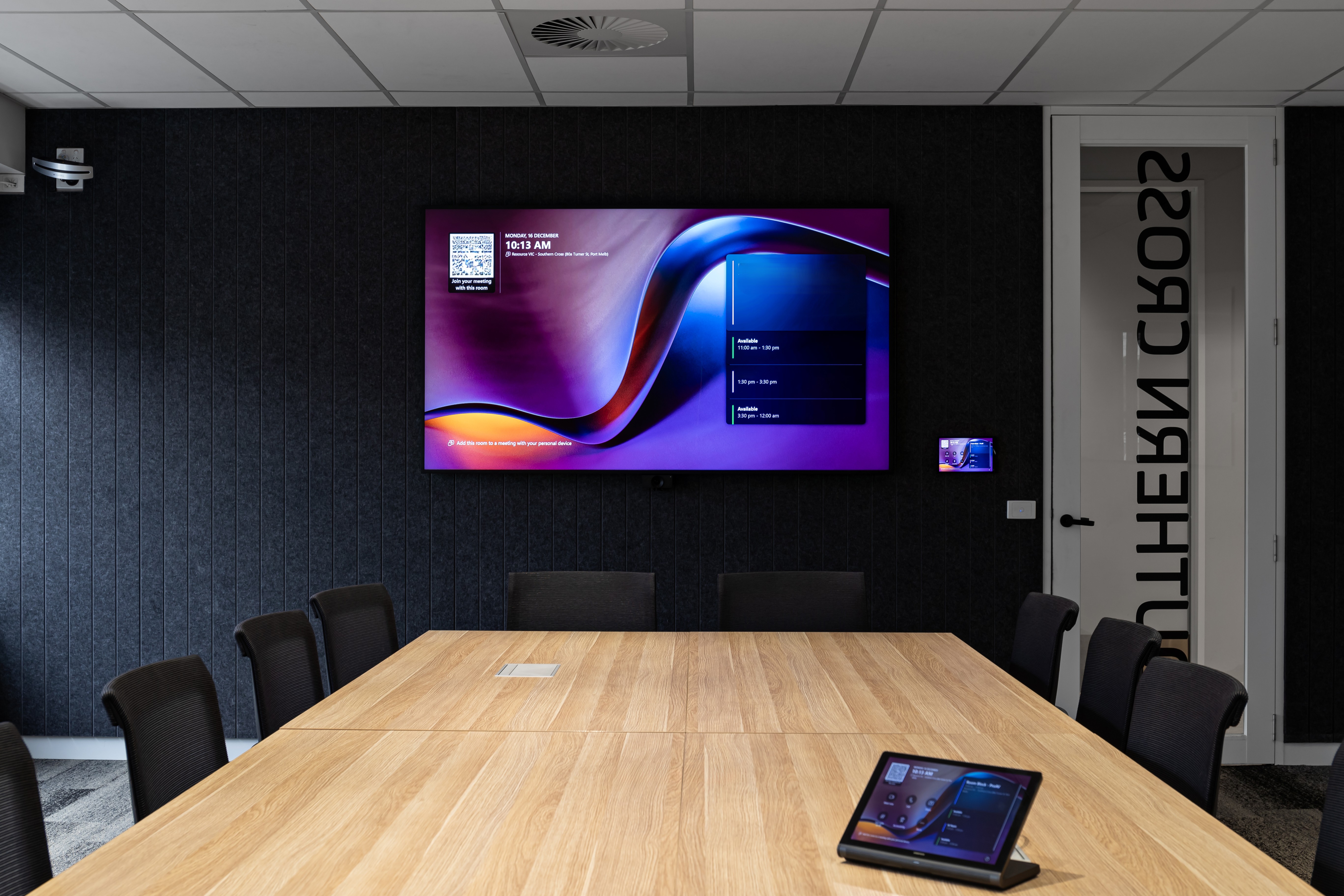
- room booking requirements
- network and security requirements
- commissioning checks
- documentation templates
- support processes
- maintenance requirements
The standard should be useful for the teams actually delivering and supporting the work.
If it is too rigid, it will not survive real site conditions.
If it is too vague, it will not prevent variation.
The best standards are practical. They explain what needs to happen, where flexibility is allowed and who needs to approve changes.
For organisations with multiple offices, workplace technology standards can also help reduce one-off decisions and make future rooms easier to plan.
Why local delivery still matters
National coordination is important, but every site still needs local planning.
Each location can have different conditions, including:
- access and loading restrictions
- ceiling and wall conditions
- room dimensions
- network readiness
- building services
- site security
- construction sequencing
- stakeholder availability
- after-hours work requirements
- regional support needs
A national delivery model needs to manage these differences without losing the agreed standard.
This is where local teams matter.
A national AV integration partner should be able to coordinate the programme centrally, while still delivering properly in each region. For clients, that means fewer disconnected supplier relationships and a clearer path from planning through to support.
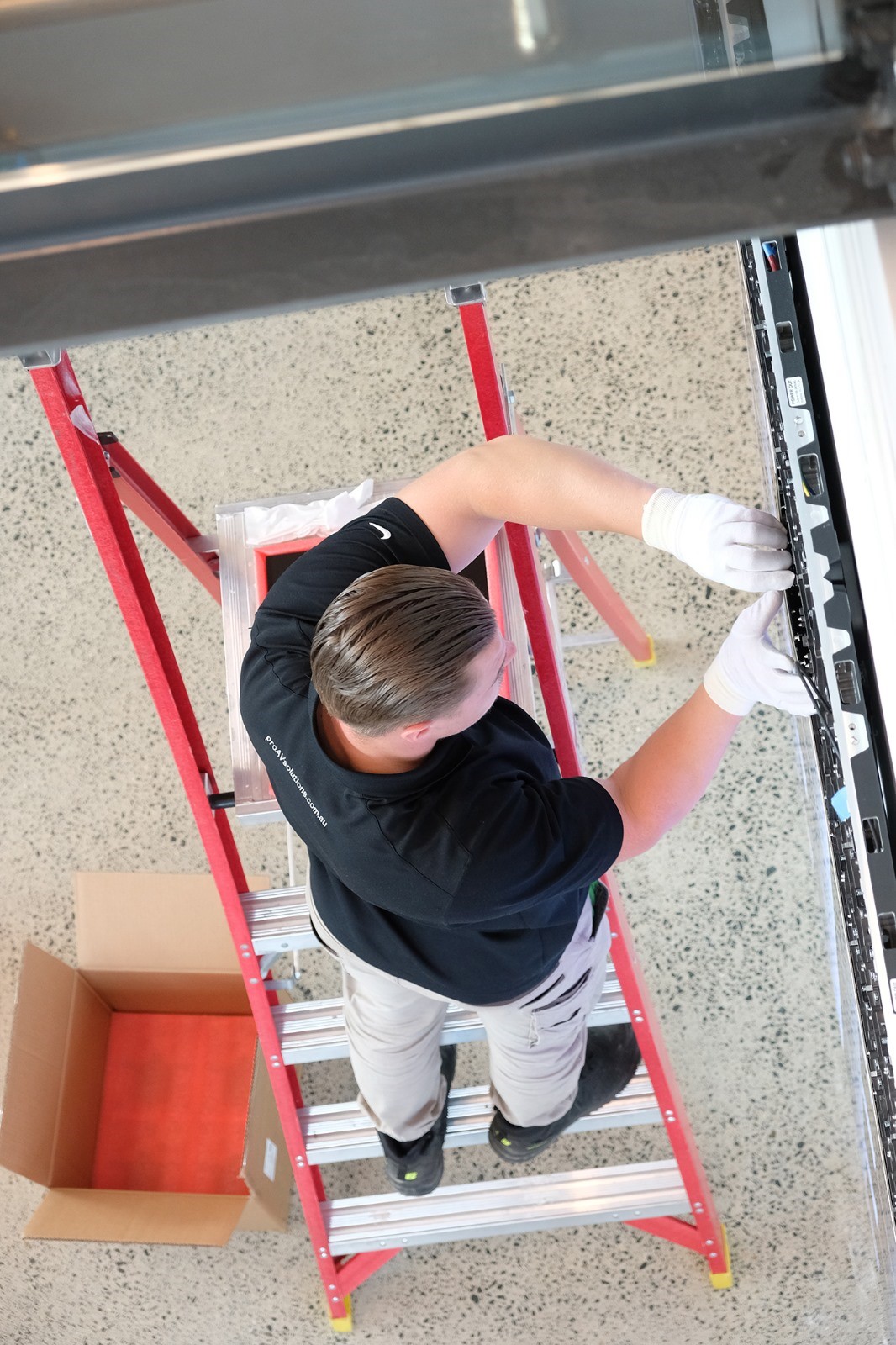
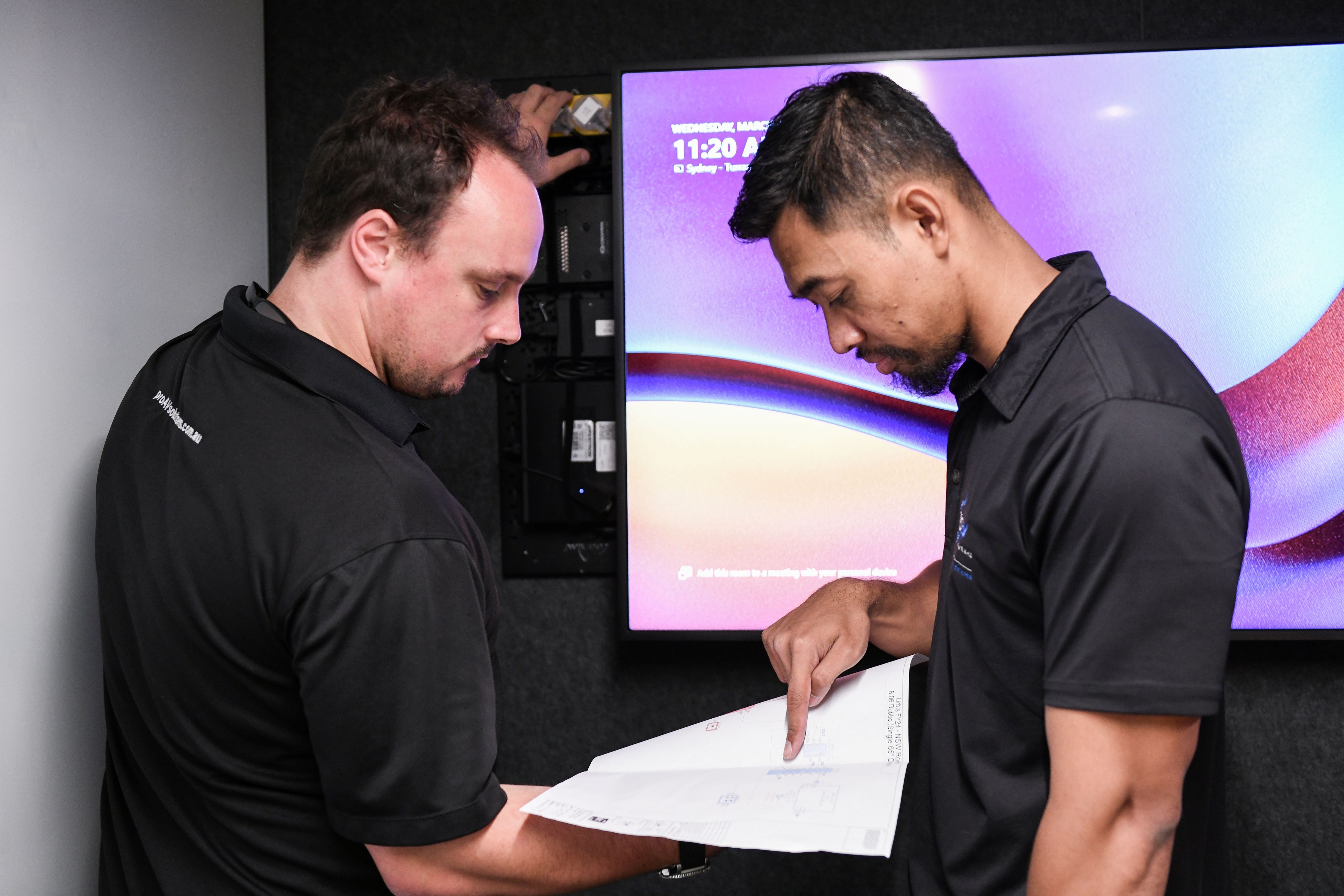
Pro AV Solutions supports organisations across Australia with AV integration, workplace technology, project services and managed support. For multi-site clients, this includes helping align national delivery with local site requirements.
How support will work after handover
Support should be part of the rollout plan, not a separate conversation at the end. For a single room, support may be straightforward. For a national workplace technology environment, support needs more structure.
Before handover, organisations should understand:
- who owns support
- how issues are logged
- what can be supported remotely
- when on-site support is required
- which rooms need priority response
- how preventative maintenance is handled
- how software and firmware updates are managed
- how recurring issues are reviewed
- how reporting will be shared
This is especially important when the same room type appears across several sites. A small support gap in one room may be manageable. The same gap repeated across a national portfolio can create unnecessary pressure for internal teams.
That is why national AV support and Managed Services and AV Support should be considered before the rooms are in daily use.
Where GPA capability fits
Some organisations need AV standards beyond Australia. This can apply to global companies with Australian offices, or Australian organisations with operations in other markets.
In these cases, the Australian delivery may need to align with a wider international workplace technology standard.
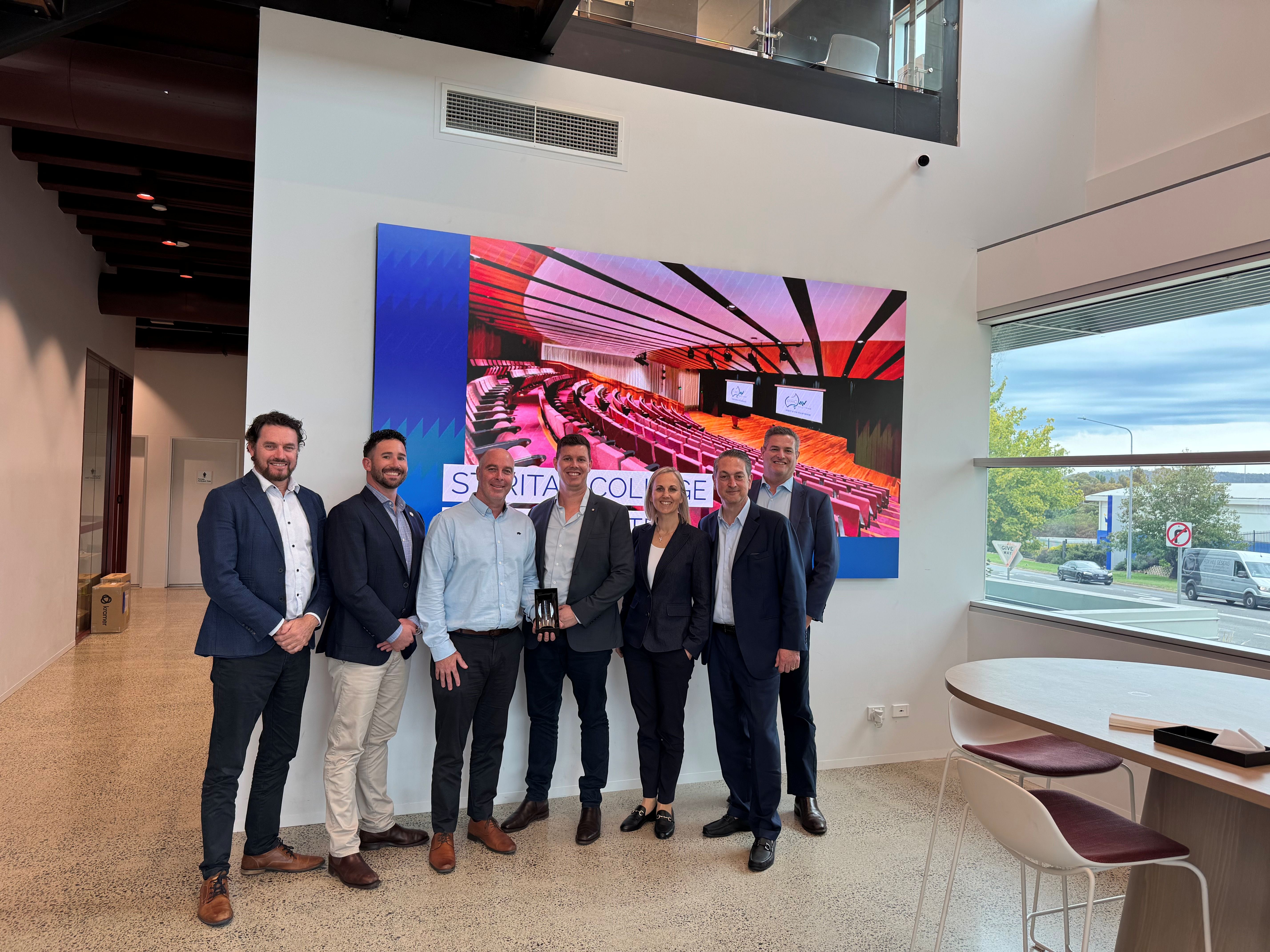
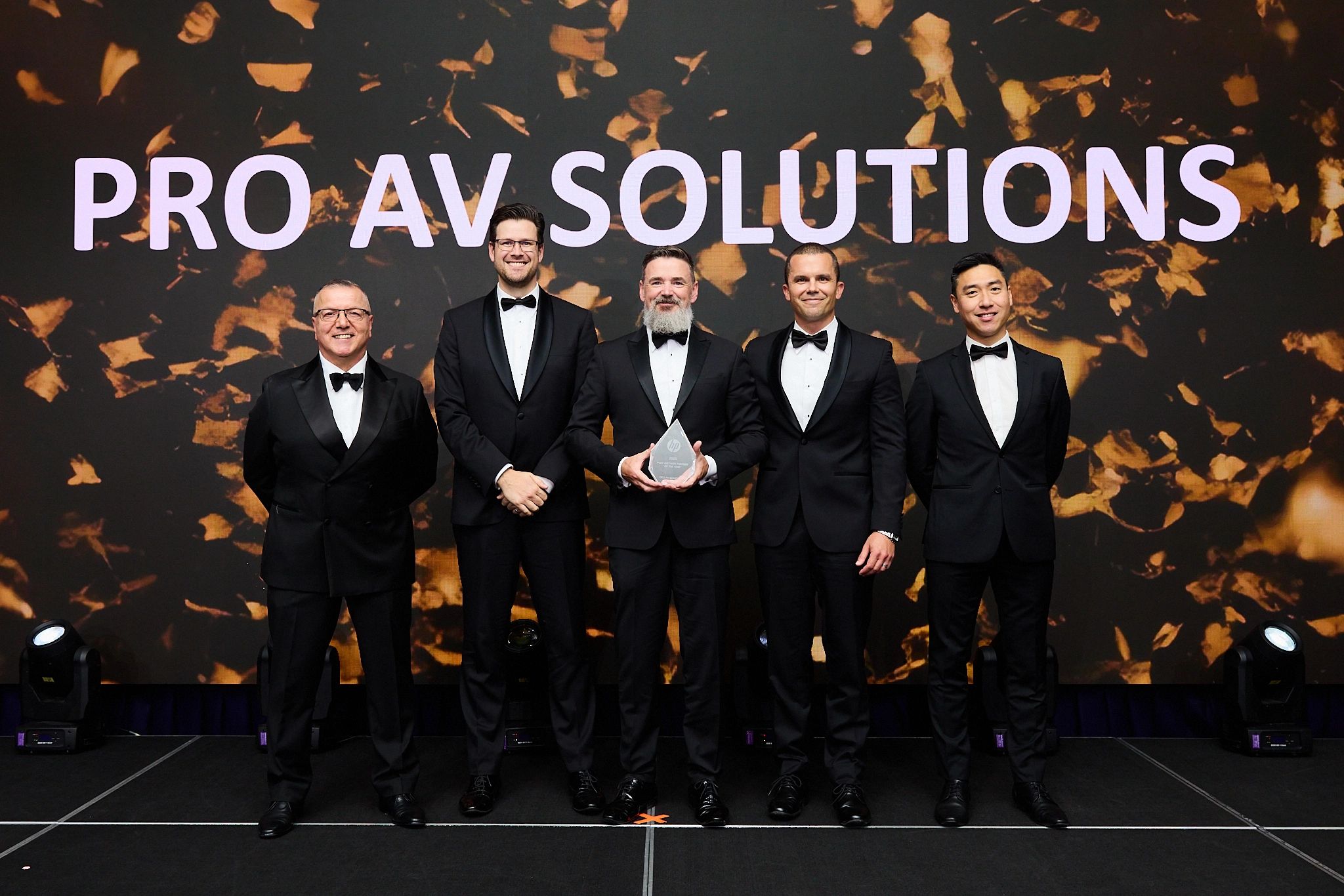
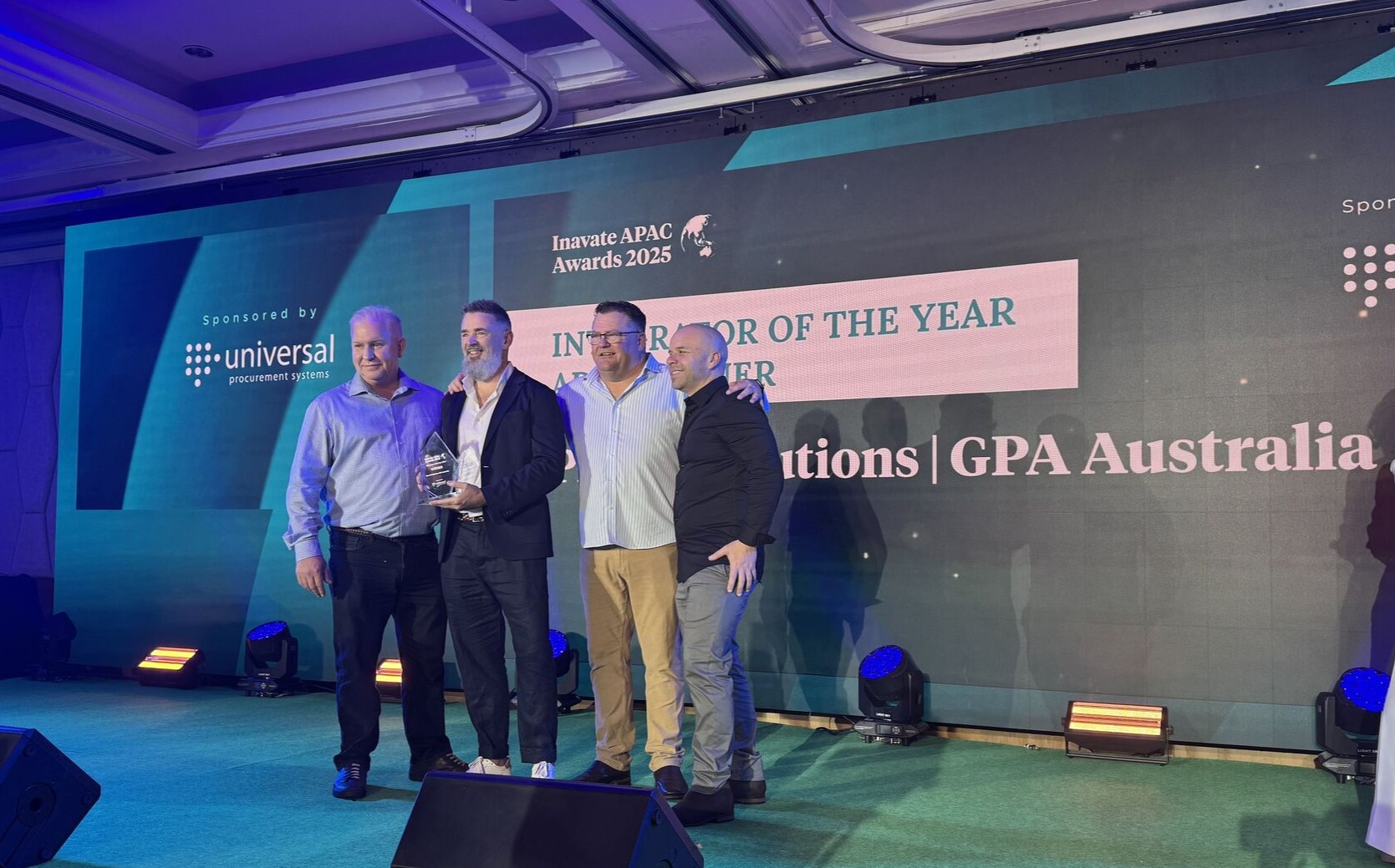
Pro AV Solutions is the Australian member of GPA, a global network for AV projects and managed services. This gives Pro AV Solutions Australia a way to support local delivery in Australia while helping clients align with global AV integration requirements where needed.
This can be useful when clients need:
- consistent workplace technology standards across countries
- local delivery in Australia
- alignment with global AV programmes
- support for international rollouts
- fewer disconnected supplier relationships
- GPA Australia capability with local accountability
For global clients, this helps the Australian part of the programme stay aligned to a wider standard. For Australian clients, it provides a path to support international workplace technology requirements through the GPA network.
What enterprise clients should ask before choosing a partner
Before choosing a national AV integration partner, organisations should ask:
- Can they support all required Australian locations?
- Do they have local delivery capability in the right regions?
- Can they help define workplace technology standards?
- Can they work with existing global standards?
- How do they manage site variation?
- How do they document room types and systems?
- What support model is available after handover?
- Can they support remote and on-site requirements?
- Do they offer managed AV services?
- Can they support global alignment if required?
These questions help separate a single-project installer from an AV integration partner for multi-site organisations.
Where Pro AV Solutions fits
For enterprise clients, AV integration is mostly about creating an environment that can be planned, delivered, supported and managed across locations. Pro AV Solutions supports organisations across Australia with AV integration, workplace technology, project services and managed support.
For national and multi-site clients, this includes helping define standards, coordinate delivery, manage local site requirements, document the environment and plan support after handover. Through GPA, Pro AV Solutions can also support clients that need Australian delivery aligned with global AV standards.
For organisations comparing an AV integration partner in Australia, the decision should not only be based on who can deliver the install, but it should also consider who can support workplace technology standards, national AV support, meeting room standardisation and global AV integration where required.







.jpg)
.jpg)









.png)
















.jpeg)






.avif)




.jpeg)


.webp)