Meeting Room Standards: What to Include Across a National Workplace Portfolio

Meeting room standards usually become important after the first few rooms have already been delivered.
One office adds a new meeting room. Another site upgrades a boardroom. A project team chooses a different camera. A local stakeholder asks for a different control interface. A training room is built with different assumptions from the one delivered six months earlier.
None of these decisions may be wrong on their own. The problem starts when there is no clear standard across the wider workplace portfolio.
For organisations with multiple offices, campuses or sites, small differences can build into a bigger issue. Users get different room experiences. IT teams support different devices and workflows. Workplace teams lose visibility of what has been installed. Future upgrades become harder to plan.
Meeting room standards help avoid that. They give organisations a clear way to define how different room types should be designed, equipped, delivered, documented and supported.
This guide outlines what to include in meeting room standards for a national workplace portfolio, including room typologies, user experience, IT requirements, support processes, documentation and controlled variation.
What are meeting room standards?
Meeting room standards are documented guidelines for how different types of meeting spaces should be planned, delivered and supported.
They may include:
- room types
- furniture and layout guidelines
- display standards
- camera standards
- microphone and speaker requirements
- lighting and acoustics guidelines
- control interface principles
- video conferencing platforms
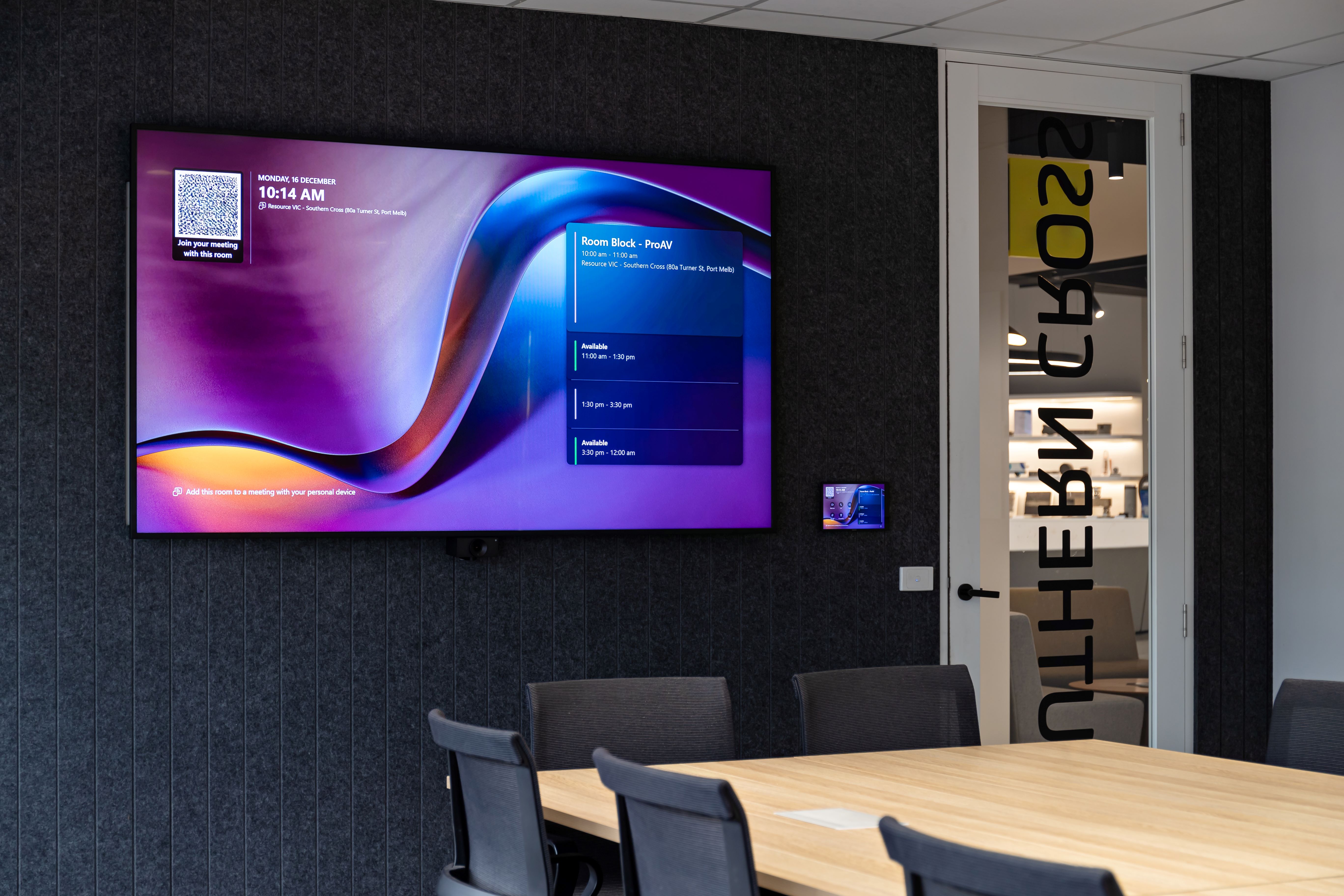
- room booking requirements
- accessibility considerations
- network and security requirements
- commissioning checks
- support processes
- documentation requirements
For Australian organisations with multiple offices or sites, workplace technology standards help reduce one-off decisions and make future rooms easier to plan, support and upgrade.
Start with the rooms people actually use
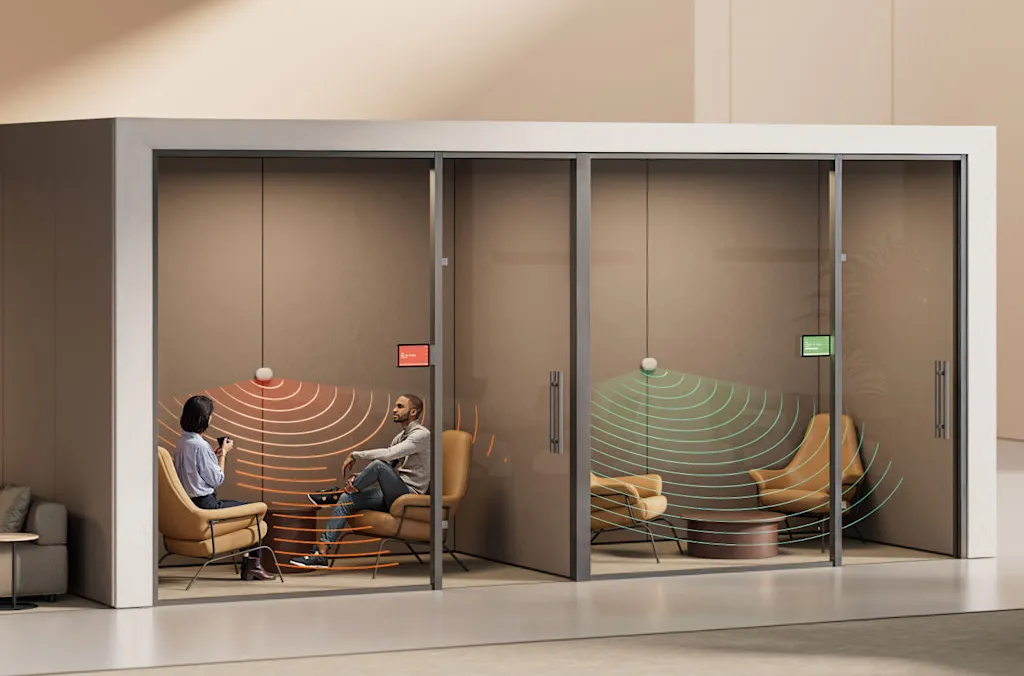
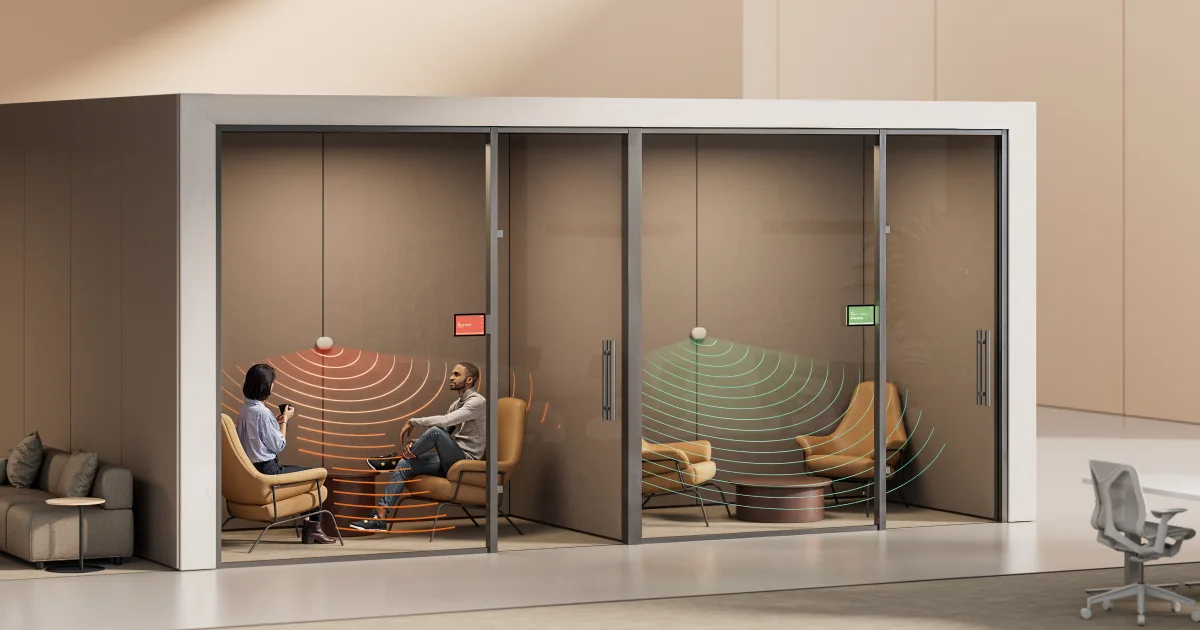
A useful meeting room standard starts with room typologies. That means defining the different types of spaces in the workplace and what each one needs to support.
Common room typologies include:
- small meeting rooms
- medium meeting rooms
- large meeting rooms
- boardrooms
- executive meeting spaces
- training rooms
- divisible rooms
- project rooms
- collaboration spaces
- town hall spaces
- hybrid event spaces
Each room type should have a clear purpose.
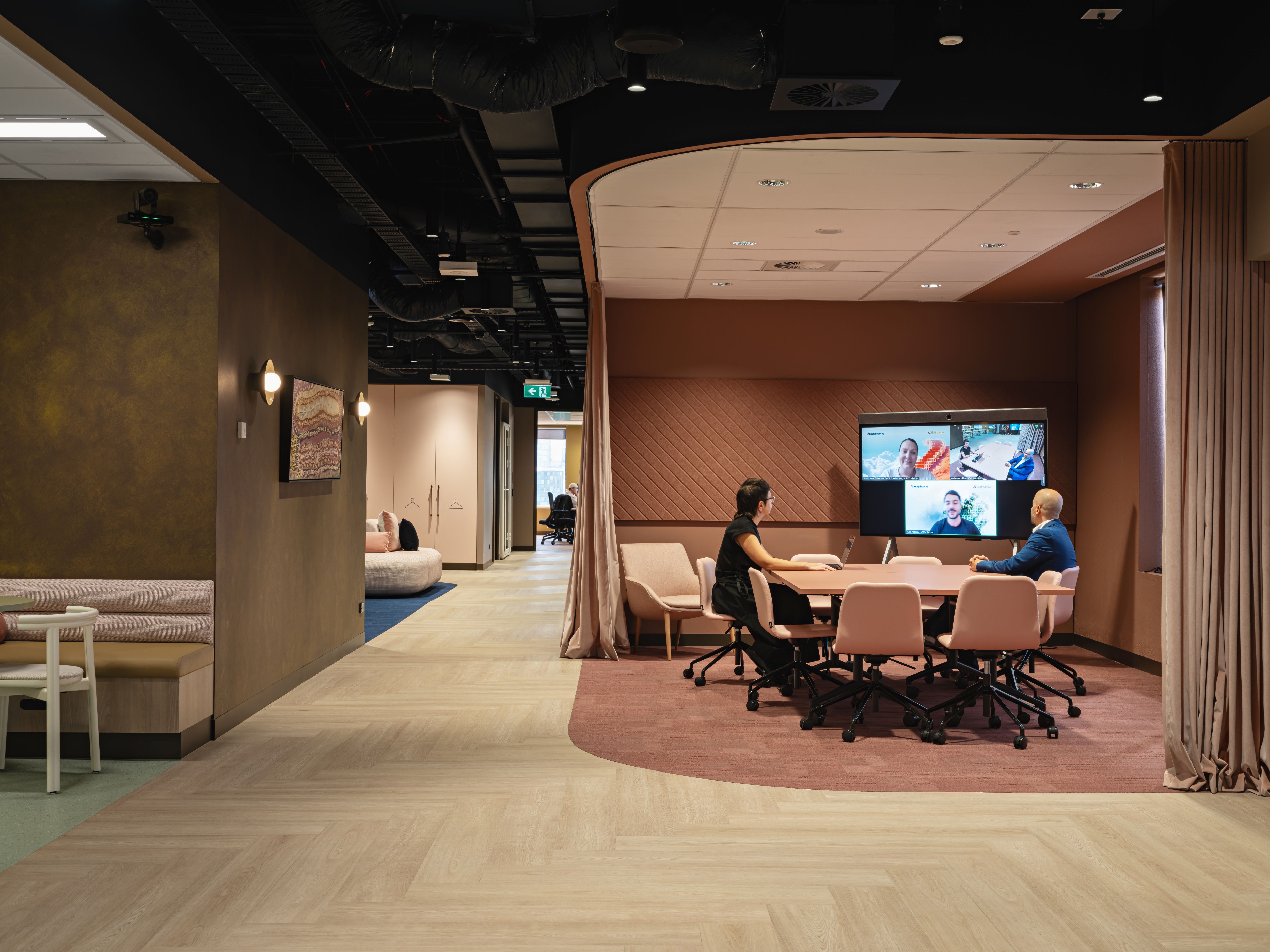
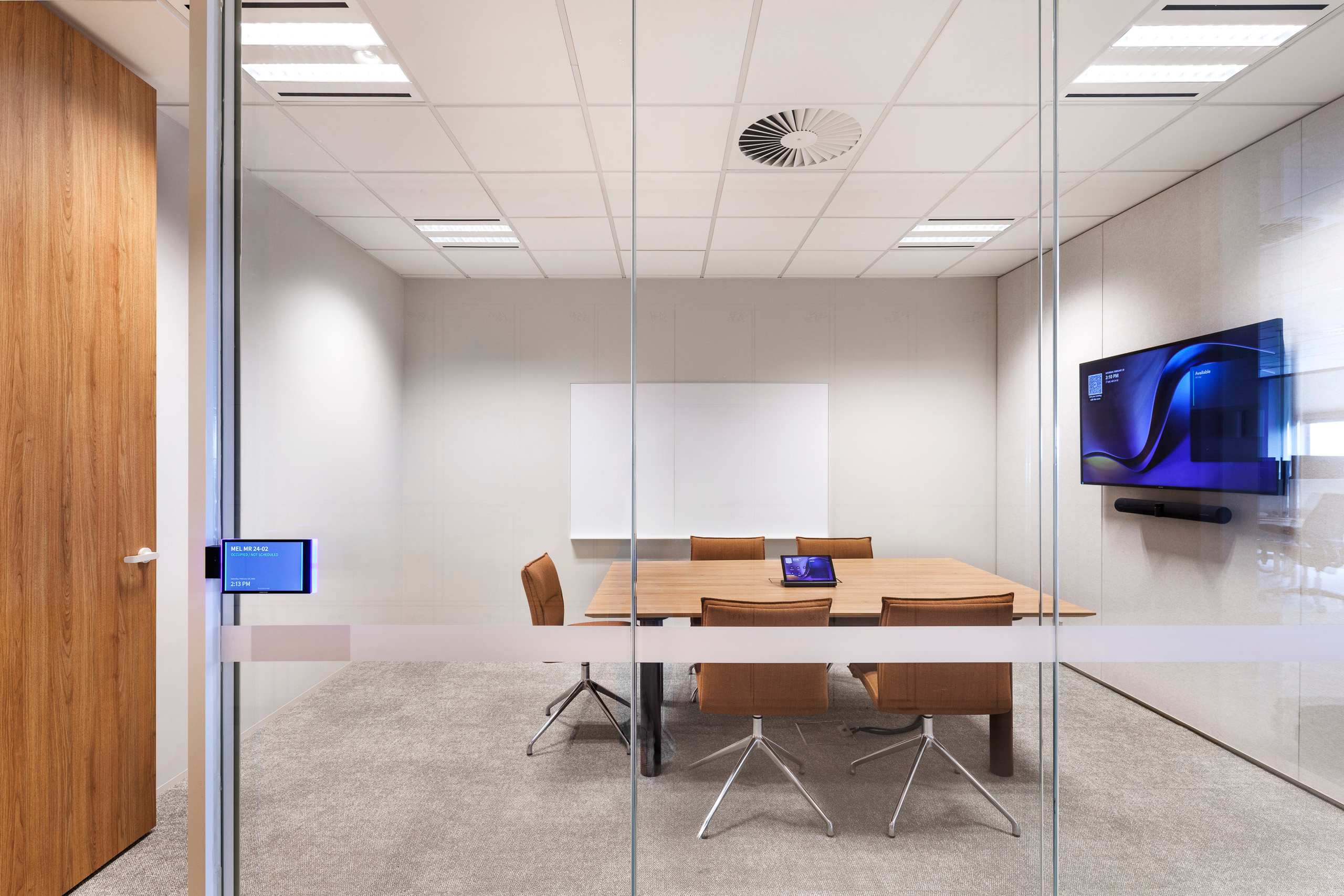
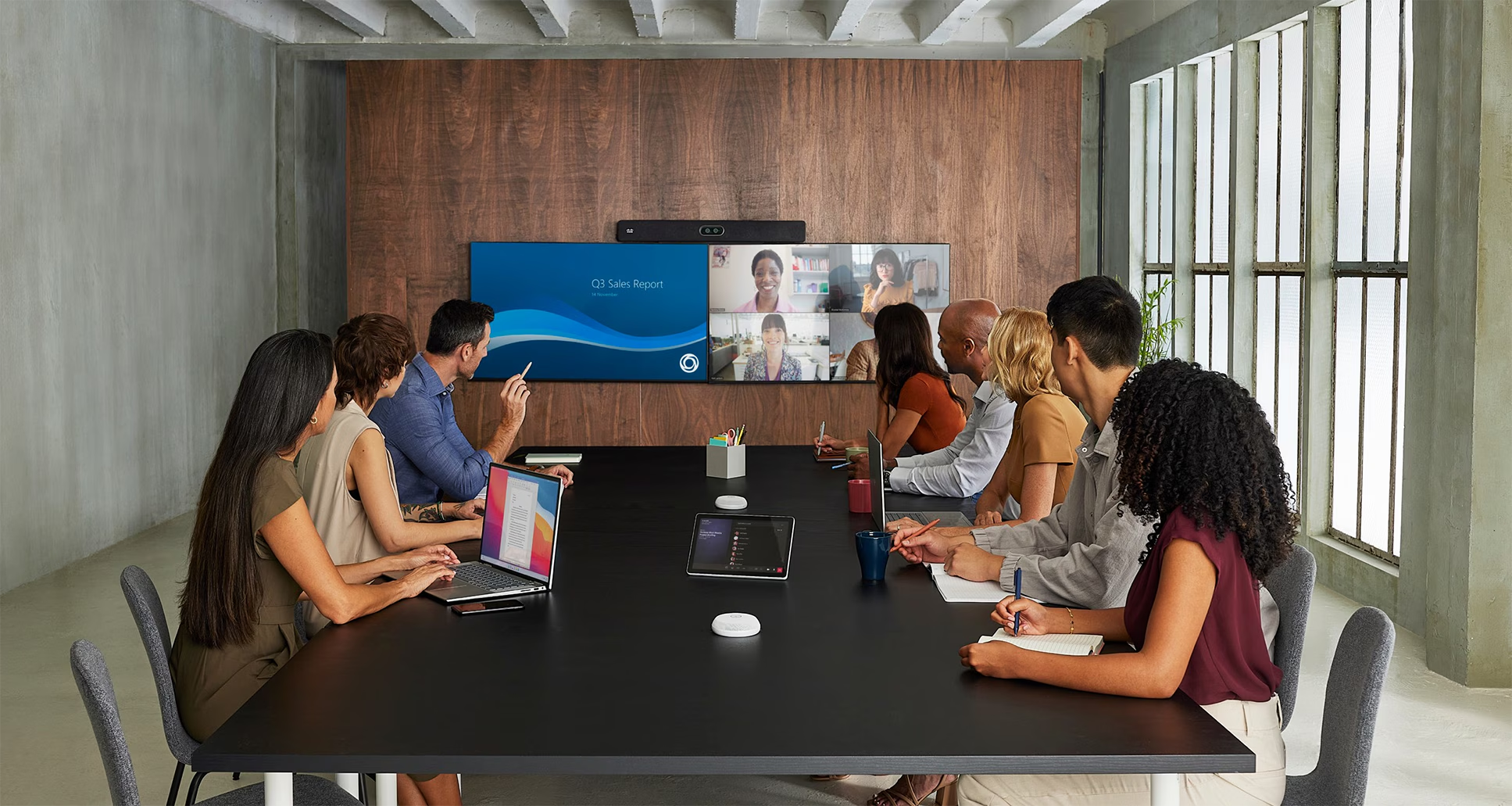
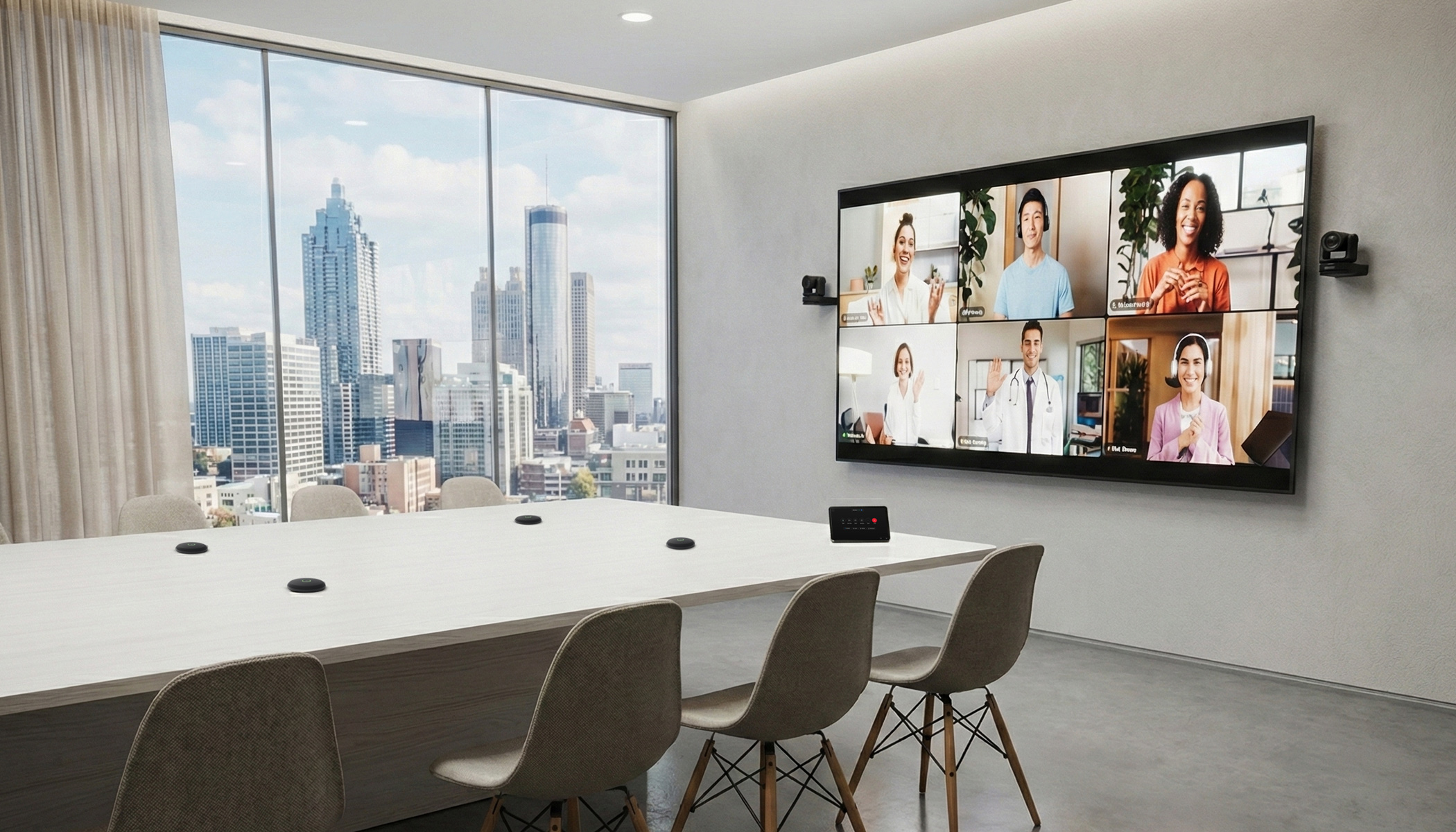
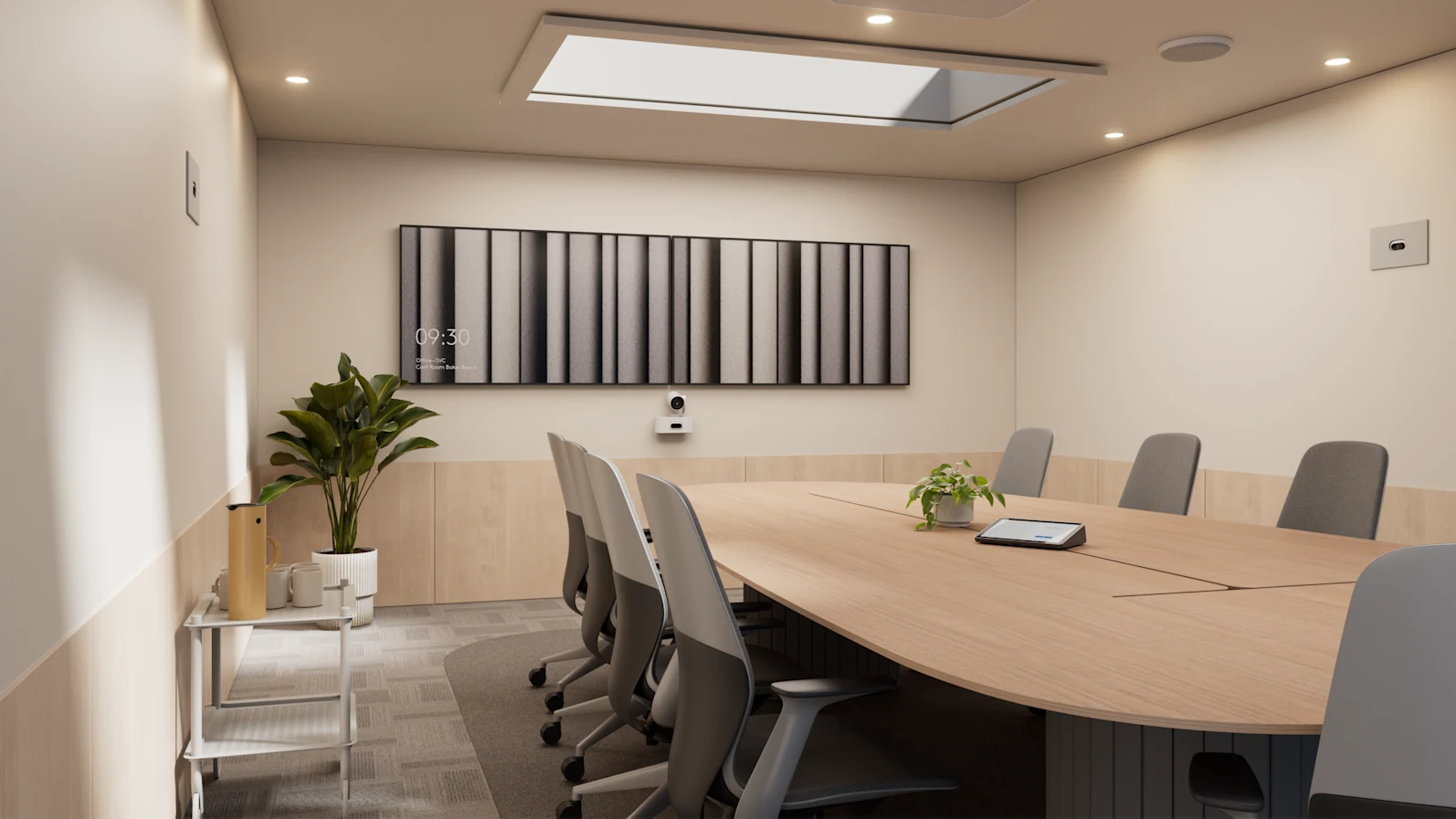
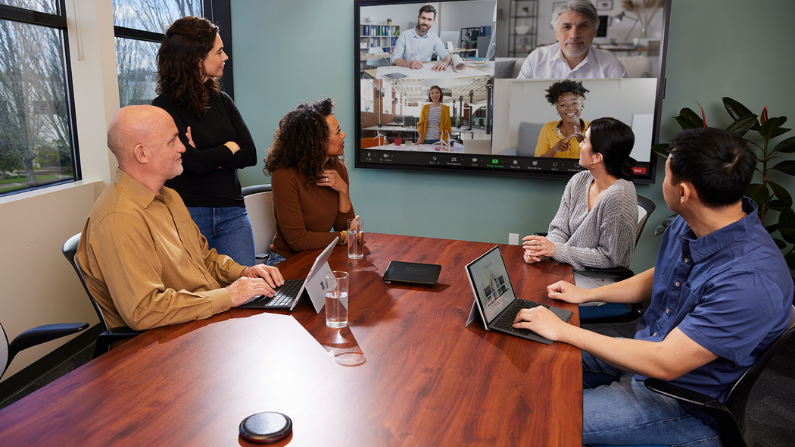
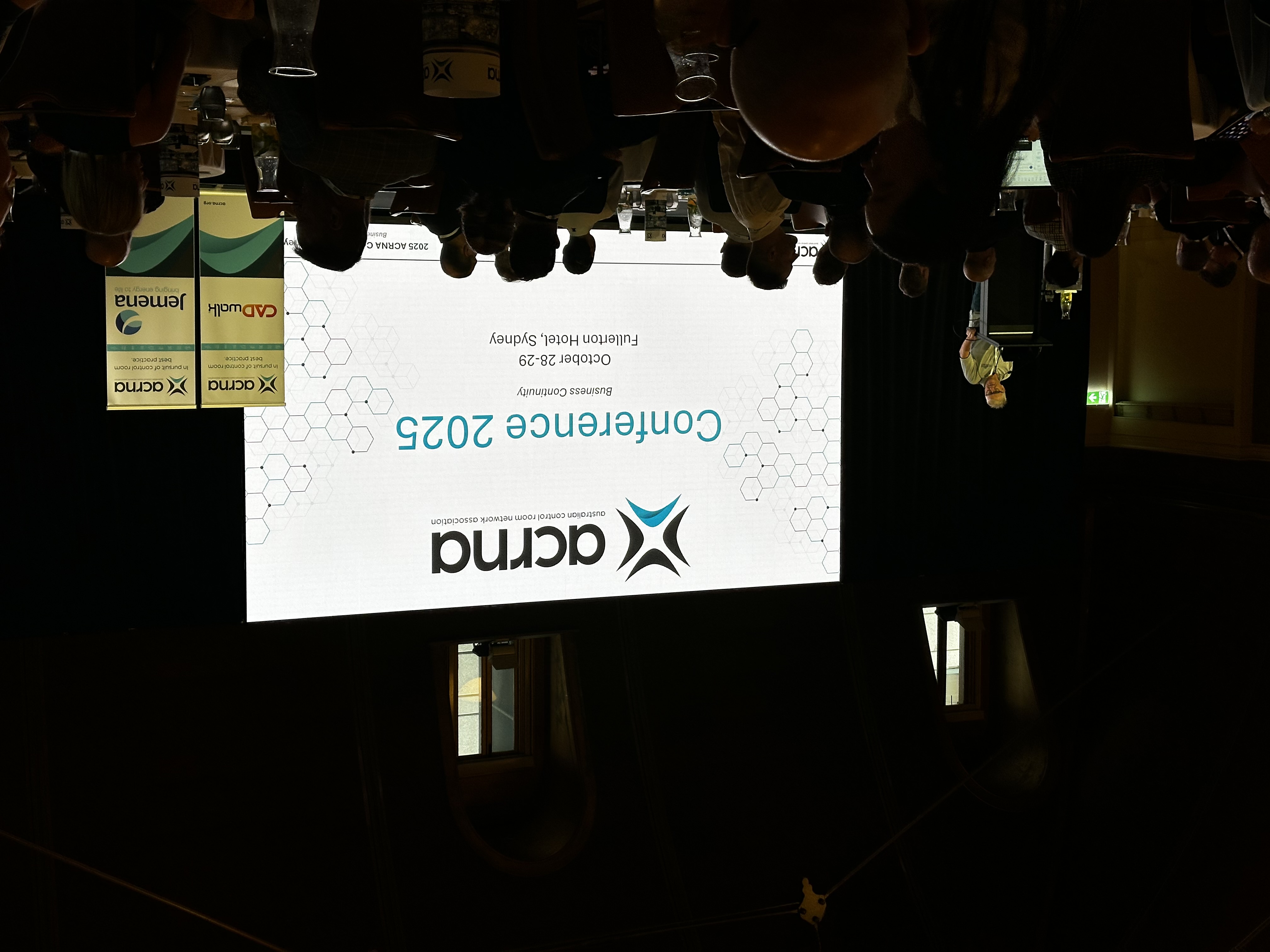
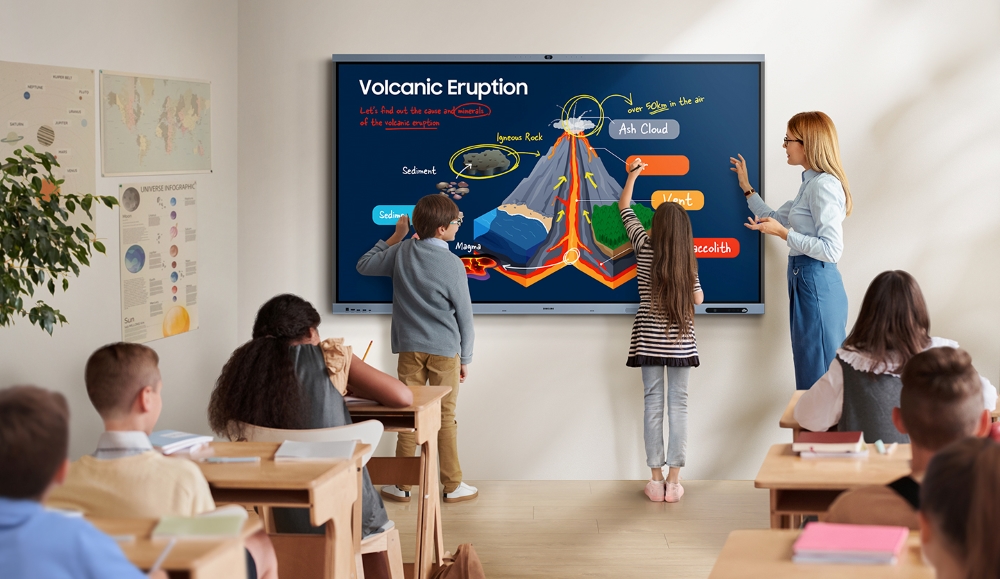
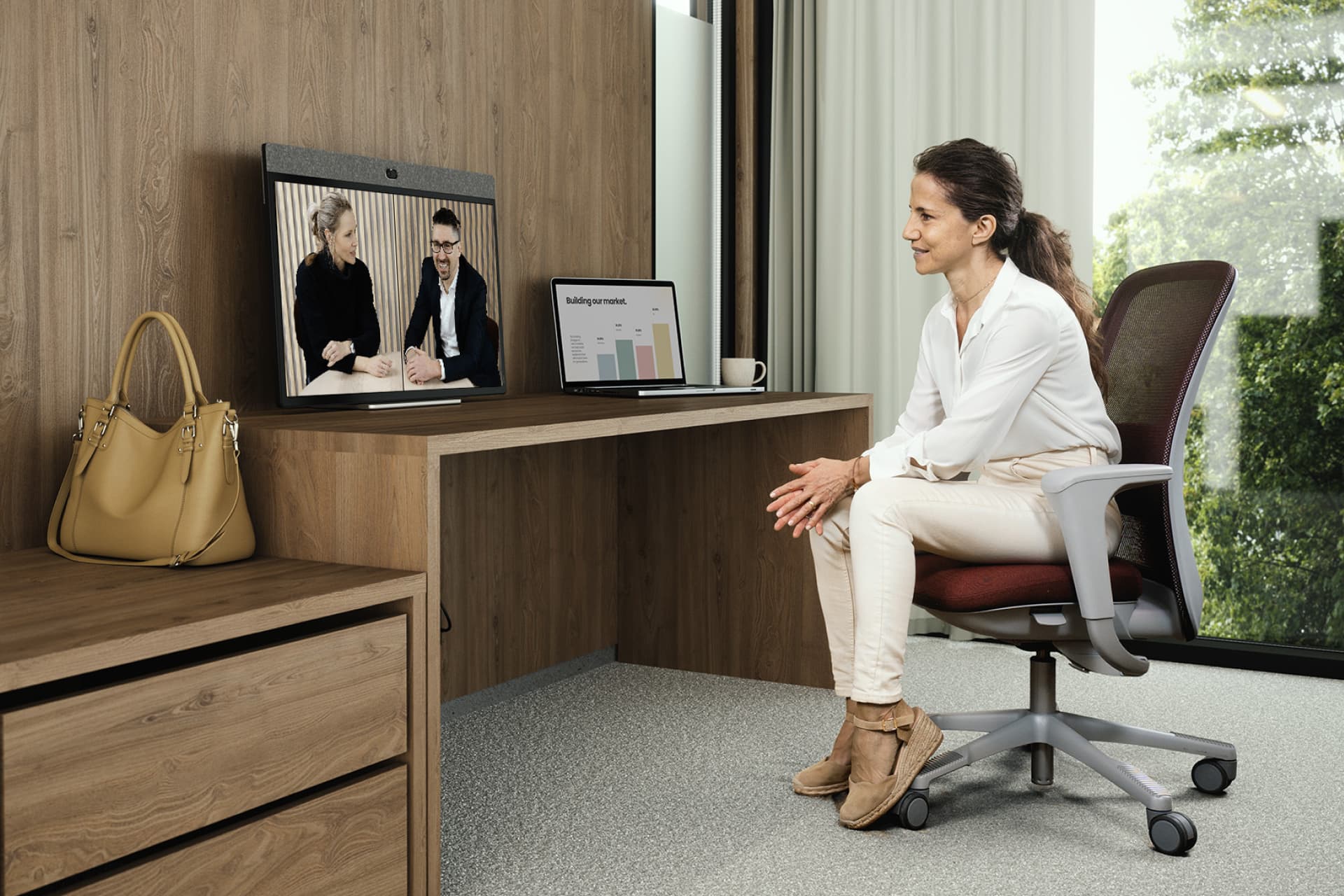
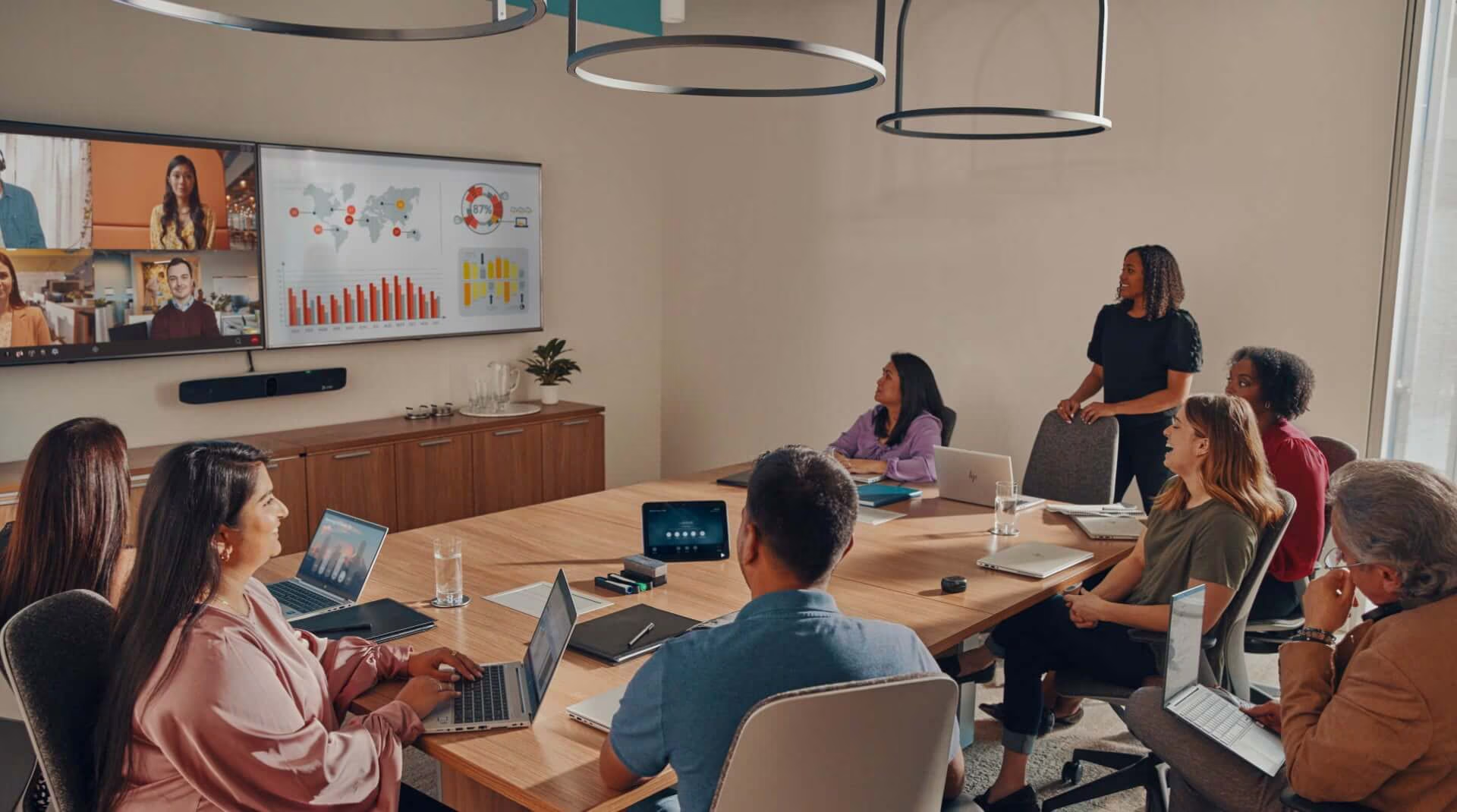
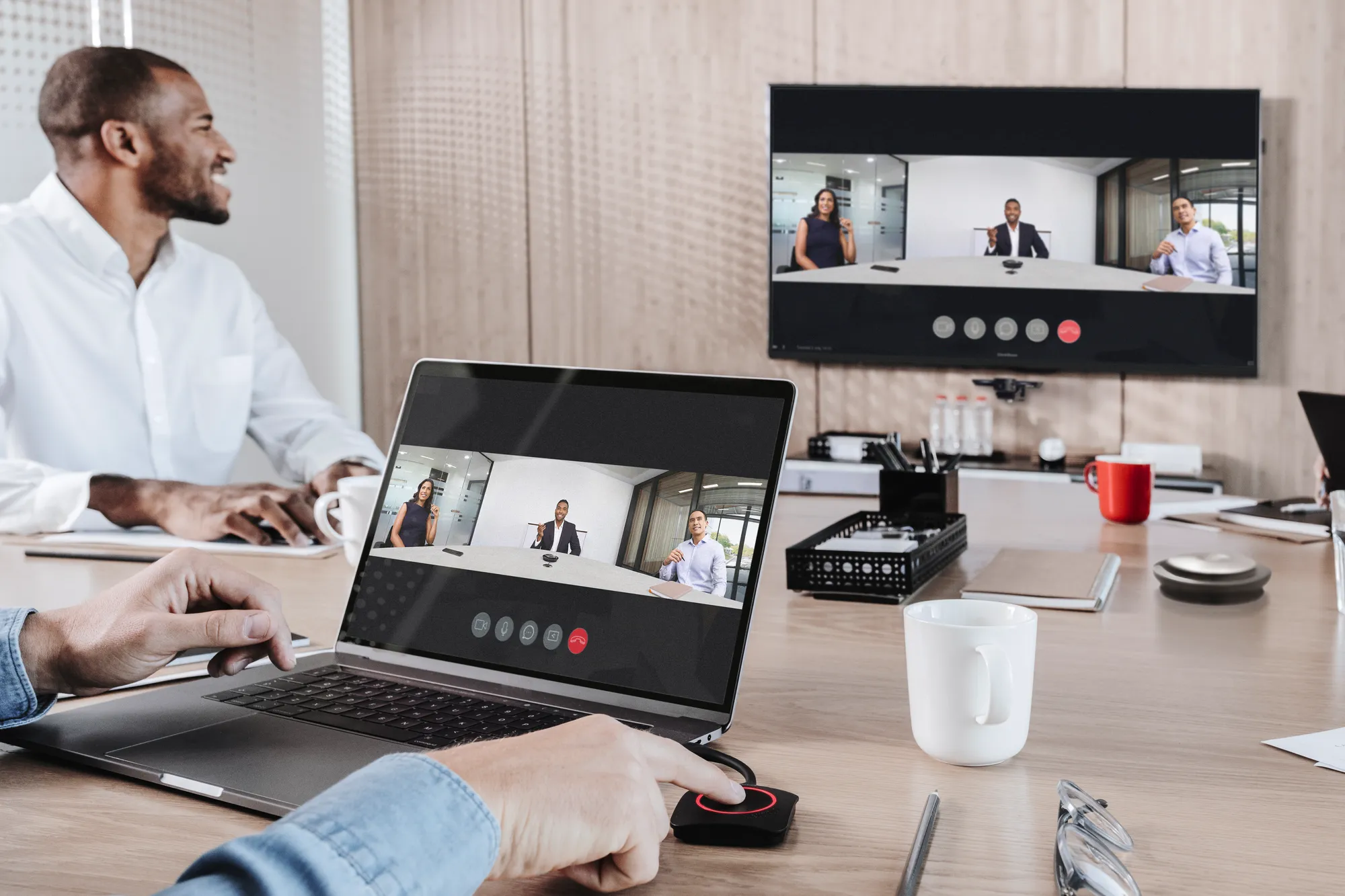
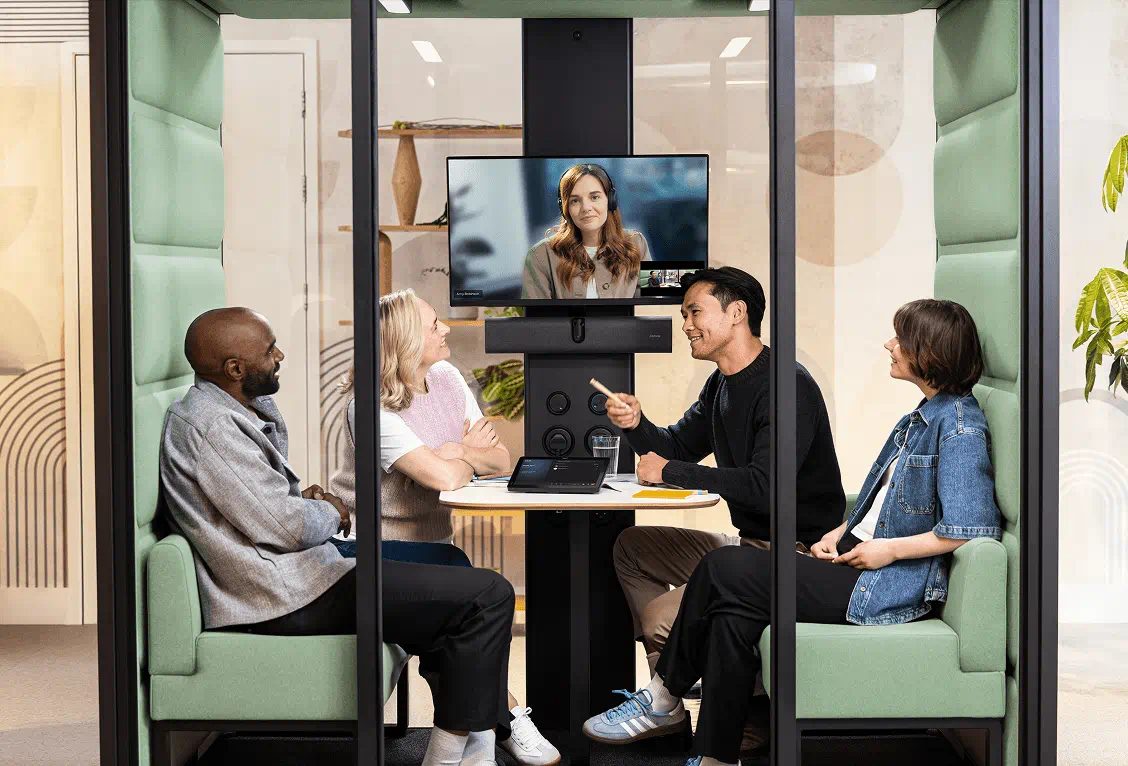
A small meeting room may need simple video conferencing, clear audio and easy content sharing. A boardroom may need higher quality cameras, microphones, presentation options, room control and priority support. A training room may need flexible layouts, multiple displays, presenter audio and recording or streaming capability. A town hall space may need production, speech reinforcement, video capture and audience engagement tools.
What should be consistent across rooms?
Meeting room standardisation does not mean copying the same setup into every space. It means deciding which parts of the experience should feel familiar.
For most organisations, this includes:
- how users join meetings
- how users share content
- how audio is controlled
- how cameras are used
- what video platforms are supported
- how room booking works
- how help is requested
- what instructions are visible in the room
- how the room is supported after handover
The equipment may change by room type. The experience should not feel completely different every time someone walks into another space.
This matters because most users do not think about the technology in detail. They think about whether they can start the meeting, be heard, see the right people, share content and get on with the conversation. The standard should support that basic expectation.
What can vary by site or room type?
Not everything should be locked down. Different sites will have different room sizes, building conditions, budgets, furniture, lighting, acoustics, construction timelines and local requirements.
A good standard should explain where variation is allowed.
This may include:
- display size
- microphone type
- camera position
- mounting approach
- furniture integration
- local cabling routes
- control panel location
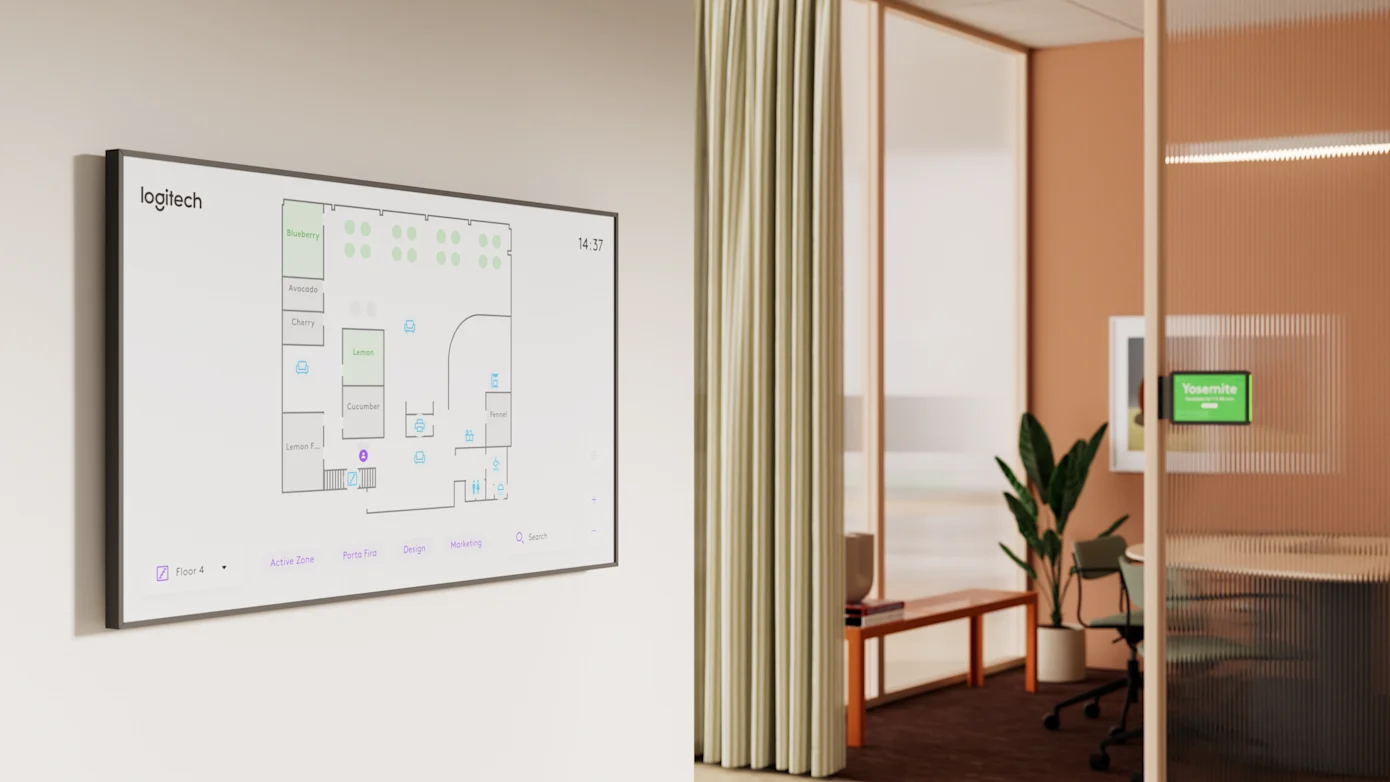
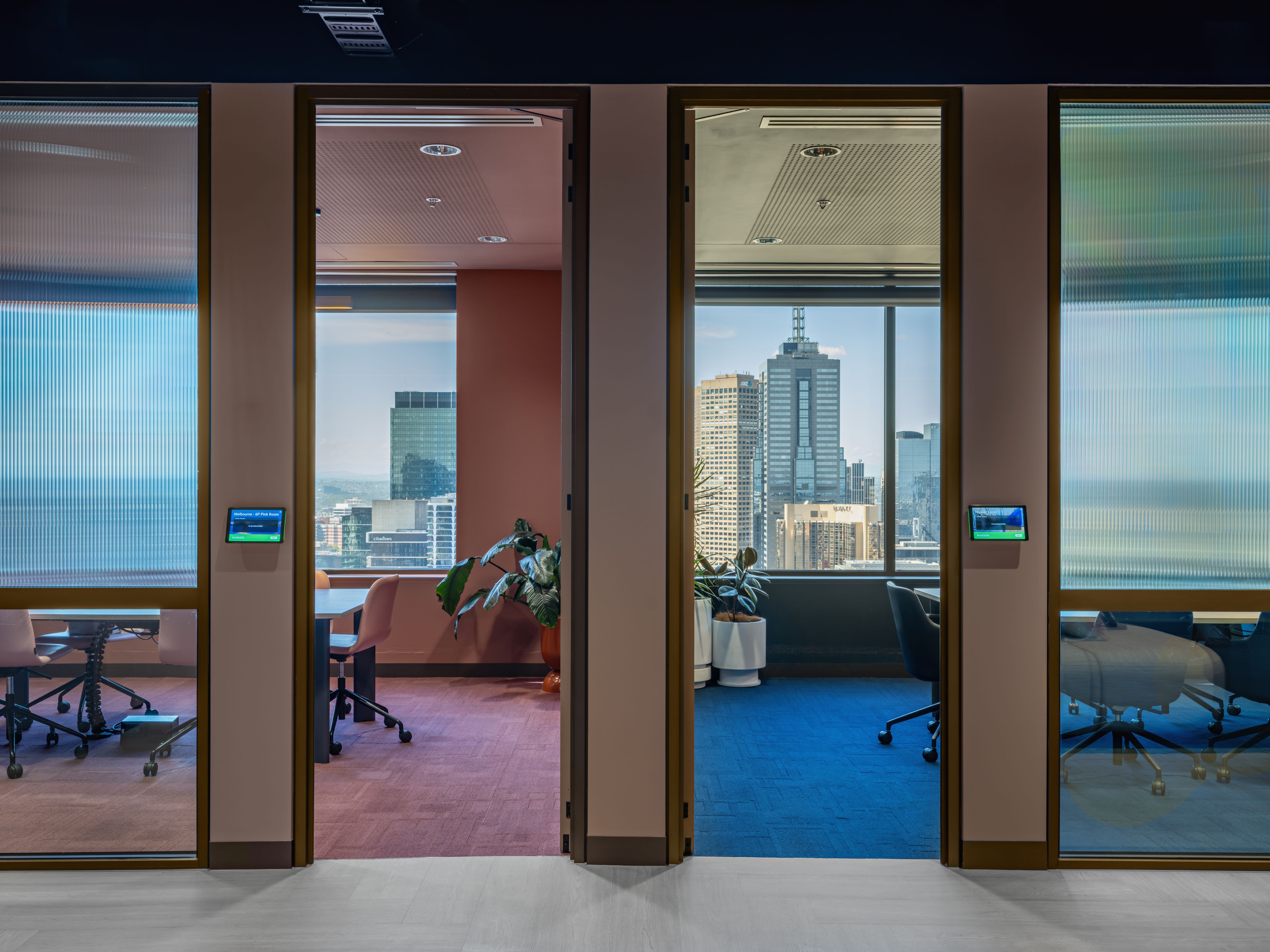
- room booking panel placement
- acoustic treatment
- accessibility adjustments
The important part is that variation is controlled. If a site needs to move away from the standard, the decision should be approved, documented and reflected in the support model.
Include the user experience, not just the equipment
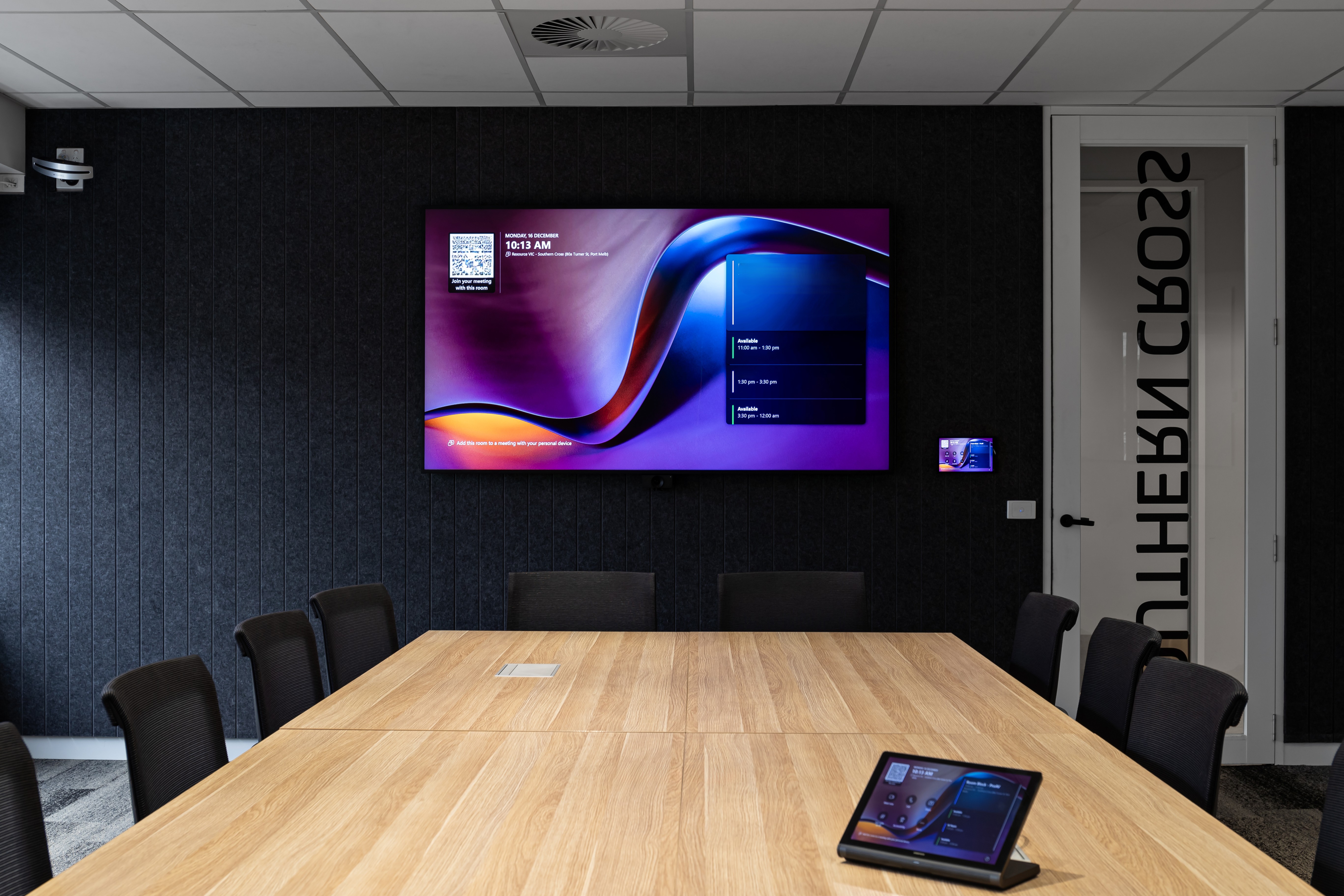
A meeting room standard should explain how the room should work.
This may include:
- how a user starts a scheduled meeting
- how a user joins an ad hoc meeting
- how a guest connects
- how content is shared from a laptop
- how wireless sharing works
- how audio is adjusted
- how camera framing works
- how a call is ended
- how users ask for help
This is where the difference between a technical standard and a workplace technology standard becomes clear: a technical standard defines what is installed; a workplace technology standard defines how the space should be used and supported.
Bring IT into the standard early
Modern meeting rooms are no longer separate from IT. They rely on networks, platforms, device management, identity, security, software updates and remote support. That means IT requirements should be included in the standard from the beginning.
Key areas include:
- network readiness
- device management
- cybersecurity requirements
- platform compatibility
- Teams, Zoom, Webex or BYOD requirements
- user authentication
- firmware and software updates
- remote monitoring
- asset management
- reporting requirements
This avoids problems later, when rooms are delivered but internal teams are expected to support systems they were not involved in planning.
For national workplace portfolios, AV and IT alignment is especially important because the same room type may be repeated across several locations.
Define support before the rooms are handed over
Support should be part of the meeting room standard.
For each room type, organisations should define:
- who owns support
- how issues are logged
- what can be resolved remotely
- when on-site support is required
- which rooms need priority response
- how often rooms are checked
- how preventative maintenance is handled
- how updates are managed
- how user feedback is reviewed
The support model should match the importance and usage of the room. A small room used occasionally may not need the same support model as a boardroom, training space or high-use collaboration room.
This is particularly important for organisations with multiple offices or campuses. A support process that works informally in one office may not work across a national workplace portfolio.
Review the standard regularly
Meeting room standards should not be written once and left alone.
A regular review should look at:
- which rooms are used most often
- which rooms generate support requests
- whether users understand the room experience
- whether room types still match business needs
- whether devices remain supported
- whether platforms or workflows have changed
- whether new sites need a different approach
- whether exceptions have become too common
This helps organisations update the standard before it becomes outdated. It also helps prevent the same issues from being repeated across new rooms and sites.
Questions to ask before building meeting room standards
Before building or updating meeting room standards, organisations should ask:
- What room types do we need across the portfolio?
- What should be consistent for users?
- What should be consistent for IT and support teams?
- Which platforms do our meeting rooms need to support?
- Which rooms need priority support?
- How much local variation should be allowed?
- Who approves exceptions?
- How will standards be documented?
- How often will standards be reviewed?
- How will future rooms be aligned to the standard?
These questions help keep the standard practical.
Where Pro AV Solutions fits
Pro AV Solutions supports organisations across Australia with AV integration, workplace technology, meeting rooms, board rooms, project services and managed services.
For organisations planning new meeting rooms, workplace upgrades or multi-site rollouts, Pro AV Solutions can help define room typologies, workplace technology standards, AV design requirements, delivery models, documentation and support processes.
If your organisation is reviewing meeting room standards or preparing for a workplace technology programme, our Customer Solutions team can run an initial workshop to walk through what a mature standards package can look like. This session can help your team understand how standardisation can reduce duplicated effort, limit unnecessary variation, improve user experience, simplify support and create better long-term outcomes for team members using the spaces every day.




.jpg)
.jpg)







.png)









.jpeg)





.avif)




.jpeg)


.webp)